

40GP FCL Best Route for Medical Equipment from China to Long Beach
Shipping high-value healthcare products requires a strategic approach to ensure safety and timely delivery. Identifying the 40GP FCL best route for medical equipment from China to Long Beach is essential for maintaining a stable supply chain in the American market. Importers must navigate complex regulations and fluctuating freight rates to remain competitive. Partnering with a professional Top China Forwarder provides the expertise needed to manage these logistics challenges effectively. This guide explores the most efficient shipping lanes, cost-saving strategies, and compliance requirements for your medical cargo.
Why Choose 40GP FCL for Medical Equipment Shipments?
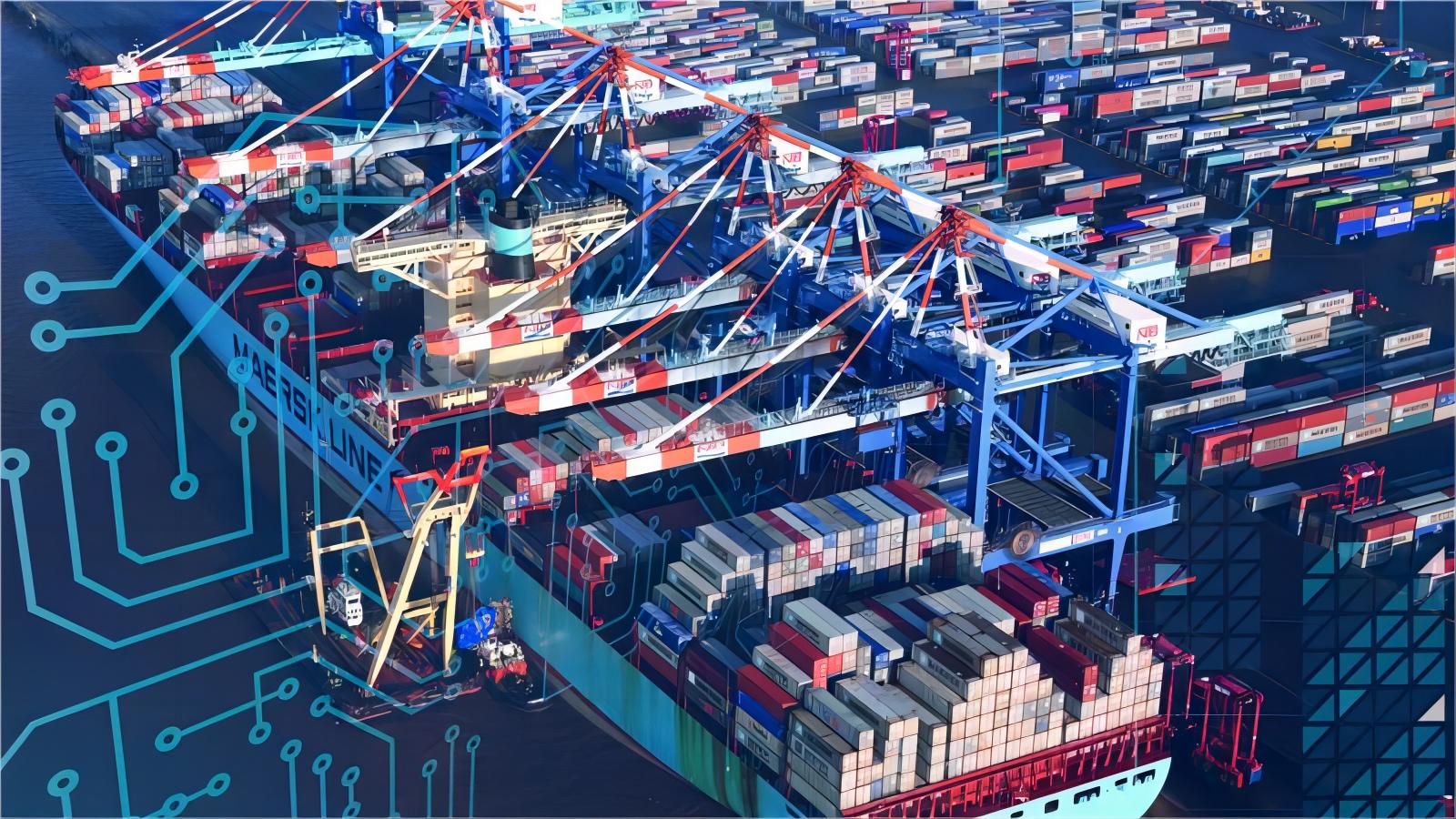
Full Container Load shipping offers the highest level of security for sensitive medical devices. Using a 40GP container allows for dedicated space, reducing the risk of damage from other shippers cargo. Furthermore, FCL shipments generally face fewer delays during the loading and unloading process compared to consolidated options.
Medical equipment often requires specific handling and environmental stability. A 40GP container provides ample room for protective packaging and palletization. Consequently, this method is the industry standard for bulk imports of diagnostic machines, hospital furniture, and surgical tools.
Choosing FCL ensures that your goods remain sealed from the point of origin to the final destination. This isolation is crucial for maintaining the hygiene standards required for healthcare products. Moreover, it simplifies the tracking process as the entire container is assigned to a single Bill of Lading.
What is the 40GP FCL Best Route for Medical Equipment from China to Long Beach?
The most efficient route typically begins at major eastern China ports like Shanghai or Ningbo. These ports offer the highest frequency of direct sailings to the Port of Long Beach. Therefore, shippers can benefit from faster transit times and more reliable scheduling.
Direct trans-Pacific routes are generally preferred for time-sensitive medical supplies. These routes bypass intermediate stops in Southeast Asia or Korea, shaving days off the total journey. Choosing a direct service from Shenzhen is also a viable option for manufacturers located in the Pearl River Delta.
Selecting the right carrier is just as important as the route itself. Major lines such as COSCO, Maersk, and MSC operate specialized vessels on the China-California lane. For more information on ocean transport options, check our sea freight services.
How Does 40GP FCL Compare to Other Shipping Options?
While FCL is the primary choice for large volumes, other methods may suit specific needs. Air freight offers unmatched speed but comes at a significantly higher cost. On the other hand, LCL might be cheaper for very small batches of equipment.
Hybrid solutions like sea-air combinations can sometimes bridge the gap between cost and speed. However, for a standard 40GP volume, ocean freight remains the most economical choice. It is important to weigh the urgency of the equipment against the total landed cost.
The following table provides an objective comparison of the most common shipping methods available for the China to USA route.
| Method | Cost Range | Transit Time | Best For |
|---|---|---|---|
| 40GP FCL | $2,500 – $3,800 | 14-18 Days | Bulk Medical Devices |
| Air Freight | $15,000+ | 3-7 Days | Urgent Spare Parts |
| LCL Sea | $50-$150/CBM | 20-25 Days | Small Test Kits |
| Express | Premium Rates | 2-5 Days | Critical Documents |
Understanding Transit Times from China to Long Beach
Transit times vary depending on the port of departure and the specific shipping line used. Generally, a direct vessel from Shanghai to Long Beach takes between 14 and 16 days. Meanwhile, departures from Southern China ports like Yantian may take 16 to 18 days.
Weather conditions and port congestion can influence these estimates. During peak seasons, such as the lead-up to the Lunar New Year, transit times might increase due to vessel delays. It is advisable to book at least 3-4 weeks in advance to secure space on the fastest vessels.
Efficient cargo handling at both ends is vital for maintaining the schedule. Utilizing a door to door service can help streamline the transition from the factory to the port.
Customs and FDA Compliance for Medical Imports
Importing medical equipment into the USA involves strict oversight by the Food and Drug Administration. Every device must have the correct classification and registration before it arrives at the port. Failure to comply can lead to expensive storage fees or even cargo seizure.
Documentation is the most critical aspect of the customs process. You must provide a commercial invoice, packing list, and the necessary FDA product codes. Additionally, ensure that your manufacturer is registered with the FDA and has a valid DUNS number.
Working with an experienced broker can prevent common filing errors. Professional customs brokerage services are essential for navigating the complex HTSUS codes assigned to medical goods.
Cost Analysis for a 40GP Container in 2025
Freight rates for the China to US West Coast route have stabilized but remain subject to market shifts. As of early 2025, a 40GP container typically costs between $2,500 and $3,500 in ocean freight. However, these figures do not include local charges or insurance.
Origin charges in China usually encompass trucking, terminal handling, and export documentation. These costs can add another $300 to $600 to your total bill. Consequently, it is important to request an all-in quote to avoid hidden expenses.
Note: Freight rates are subject to change based on fuel costs, carrier capacity, and seasonal demand. Contact us for a current quote tailored to your specific shipment.
| Fee Type | Estimated Cost | Frequency | Responsibility |
|---|---|---|---|
| Ocean Freight | $2,800 | Per Container | Shipper/Importer |
| THC Origin | $150 | Per Container | Shipper |
| FDA Filing | $100-$200 | Per Entry | Importer |
| Trucking LB | $400-$700 | Per Trip | Importer |
Real-World Case Studies for Medical Cargo
Reviewing actual shipping scenarios helps illustrate the complexities of the 40GP FCL best route for medical equipment from China to Long Beach. These examples reflect market conditions from late 2024 and early 2025.
Case Study 1: Hospital Bed Import. Route: Ningbo to Long Beach. Cargo: 40GP container of adjustable hospital beds. Shipping Details: Direct service via COSCO. Cost Breakdown: Ocean freight $2,950, Origin charges $450, Destination charges $800. Timeline: 15 days sea transit, 3 days customs. Total: 18 days door-to-port. Key Insight: Early FDA registration prevented a potential 5-day delay at the terminal.
Case Study 2: Diagnostic Imaging Parts. Route: Shanghai to Long Beach. Cargo: 40GP container of MRI components. Shipping Details: Premium direct service. Cost Breakdown: Ocean freight $3,400, Customs & Duties $1,200, Landed cost $5,200. Timeline: 14 days sea transit, 2 days clearance. Total: 16 days door-to-port. Key Insight: Using high-quality palletization reduced vibration damage to sensitive electronics during the trans-Pacific crossing.
Alternative Strategies for Urgent Medical Supplies
Sometimes, the standard ocean route is not fast enough for critical healthcare needs. In these instances, air freight becomes the necessary alternative. While more expensive, it reduces the transit time to less than a week.
Another strategy is to utilize ‘Fast Boat’ services like Matson, which offer dedicated terminals in Long Beach. These services provide faster unloading times and quicker gate-out procedures. Indeed, this can save 3-5 days compared to standard container lines.
For companies distributing across the continent, shipping to Long Beach and then using rail is common. However, for local California distribution, trucking directly from the Port of Long Beach is the most efficient method for North America logistics.
Which Option Should You Choose?
Budget priority: Choose standard 40GP FCL via a major carrier like MSC or COSCO. This offers the best balance of cost and capacity for non-urgent supplies. Furthermore, it allows for predictable monthly expenditures.
Speed priority: Opt for a premium ocean service or air freight if the equipment is needed for an immediate hospital opening. These services prioritize your container for discharge, ensuring it is among the first off the ship.
Cargo type considerations: For extremely sensitive electronics, consider 40HQ containers which offer more vertical space for specialized shock-absorption packaging. Always ensure your freight forwarder understands the specific handling requirements of your medical devices.
Optimizing Your Medical Supply Chain
Successfully navigating the 40GP FCL best route for medical equipment from China to Long Beach requires a blend of strategic planning and regulatory knowledge. By selecting direct routes from major Chinese ports, importers can significantly reduce transit times and minimize risks. Additionally, maintaining strict compliance with FDA and customs regulations is non-negotiable for healthcare products.
As market trends evolve in 2025, staying informed about freight rates and port conditions will remain vital. Whether you prioritize cost savings or speed, choosing the right logistics partner ensures your medical equipment arrives safely and ready for use. To summarize, a well-executed FCL strategy is the backbone of a successful medical import business.
Ready to streamline your logistics?
Ready to secure the 40GP FCL best route for medical equipment from China to Long Beach? Contact our expert team today for a customized quote and professional guidance on your next shipment. Visit Top China Forwarder to get started.
Request Quote