Open Top FCL space availability for auto parts from China to Europe: 2025 Logistics Guide
Open Top FCL space availability for auto parts from China to Europe is a vital consideration for businesses transporting oversized components that cannot fit in standard containers. Navigating this niche market requires a deep understanding of equipment cycles and carrier schedules. Working with a professional Top China Forwarder allows importers to secure these specialized units during peak seasons. This comprehensive analysis explores current market conditions, pricing structures, and strategic alternatives for your automotive supply chain.
Understanding Open Top FCL space availability for auto parts from China to Europe
Open top containers are specifically designed for heavy or oversized cargo that requires loading via crane from the top. Consequently, the supply of these specialized units is significantly more limited than standard 20ft or 40ft dry vans.
Securing sea freight space for these units involves early booking and precise coordination with shipping lines. Most carriers allocate only a small percentage of their fleet to out-of-gauge equipment.
Furthermore, the demand for automotive components like large engine blocks and chassis frames often spikes during specific production cycles. This increased demand can lead to temporary shortages at major Chinese ports like Shanghai and Ningbo.
Indeed, maintaining a consistent flow of parts requires constant monitoring of equipment repositioning trends across the maritime network.
Why Auto Parts Require Specialized Container Solutions
Automotive manufacturing relies on precision and the safe arrival of complex machinery. Many large-scale auto parts exceed the height or width limitations of standard shipping containers.
Therefore, open top containers provide the necessary flexibility to accommodate these dimensions while ensuring the cargo remains secure. The use of heavy-duty tarpaulins protects the parts from environmental exposure during the long voyage.
Moreover, specialized lashing points within these containers allow for the stabilization of heavy metal components. This prevents shifting during transit, which is a primary cause of damage in automotive logistics.
As a result, choosing the right equipment is not just about space but about ensuring the integrity of the high-value components being shipped.
Current Market Trends for Shipping to Europe
As of early 2025, the landscape for Europe bound shipments has stabilized following previous disruptions. However, equipment imbalances still occur due to the uneven flow of trade between the two regions.
Market data suggests that freight rates for open top units typically carry a premium of 20 to 30 percent over standard dry containers. This premium accounts for the specialized handling and the potential for ‘lost slots’ on the vessel.
Additionally, many carriers are prioritizing long-term contracts for automotive OEMs over spot market bookings. This trend makes it harder for smaller importers to find immediate Open Top FCL space availability for auto parts from China to Europe.
Nevertheless, some shipping lines are introducing more specialized equipment into their fleets to meet the growing demands of the electric vehicle manufacturing sector.
How Does Open Top FCL Compare to Other Shipping Options?
When evaluating Open Top FCL space availability for auto parts from China to Europe, it is essential to consider alternative modes of transport. Each method offers distinct advantages regarding speed, cost, and capacity.
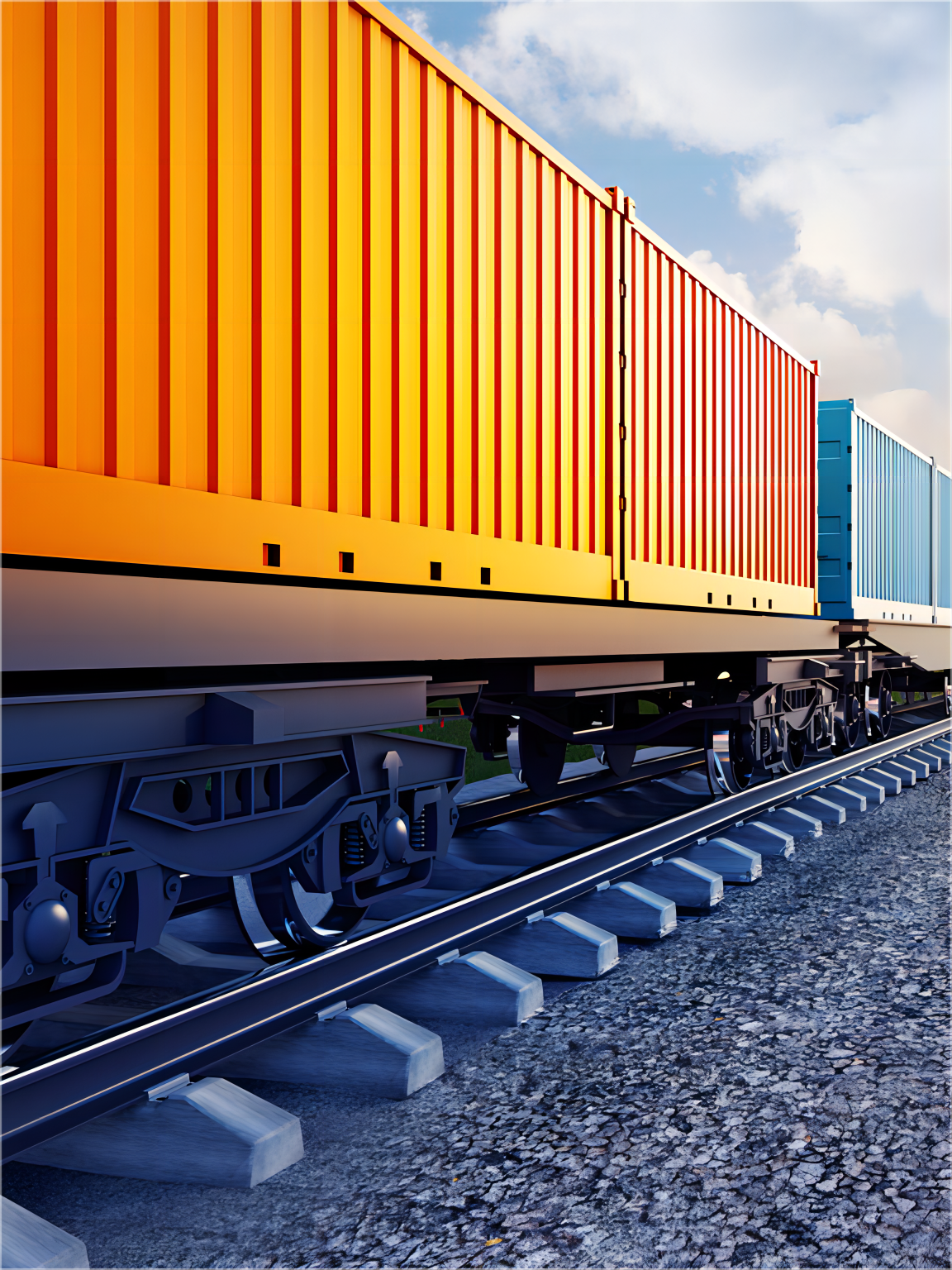
For instance, rail freight has emerged as a robust alternative for shipments requiring faster transit than sea but lower costs than air. However, rail platforms have strict height restrictions that may limit their use for certain out-of-gauge parts.
Meanwhile, roll-on/roll-off (RoRo) services are excellent for fully assembled vehicles but are less efficient for individual parts compared to containerized solutions. Containerization remains the preferred choice for protecting sensitive components from salt air and moisture.
To summarize, the following table provides an objective comparison of the primary shipping methods available for this route.
| Open Top Sea FCL | $3,500 – $5,500 | 30-40 Days | Oversized heavy parts |
| Standard Sea FCL | $2,500 – $4,200 | 30-40 Days | Standard boxed parts |
| Rail Freight | $5,000 – $7,500 | 18-22 Days | Time-sensitive cargo |
| Air Freight | $15,000+ | 5-7 Days | Urgent prototypes |
Key Factors Affecting Open Top Container Availability
Several variables influence the availability of open top units in the Chinese market. Seasonal demand during the months leading up to the Chinese New Year often causes a significant drain on specialized equipment.
Consequently, shippers who do not book at least four to six weeks in advance may face delays. Port congestion in Europe can also slow down the return of empty units to China, creating a regional deficit.
Furthermore, the specific port of loading plays a crucial role. Major hubs like Shenzhen or Qingdao usually have better equipment stocks than smaller inland river ports.
Accordingly, diversifying your loading points can be a successful strategy to bypass local equipment shortages.
Navigating Customs and Documentation for Auto Parts
Shipping automotive components requires meticulous attention to detail during the customs brokerage process. European customs authorities are strict regarding the classification of mechanical parts.
Therefore, ensuring that your Harmonized System (HS) codes are accurate is essential to avoid costly delays or fines. You must provide detailed packing lists that specify the dimensions and weights of each out-of-gauge item.
Additionally, specialized containers often trigger manual inspections at the port of discharge. Preparing all technical documentation in advance can significantly speed up the clearance timeframe.
In addition, some auto parts may require specific environmental or safety certifications to enter the European market.
| Commercial Invoice | All Shipments | Value Declaration | Exporter |
| Packing List | All Shipments | Cargo Verification | Exporter |
| Certificate of Origin | Duty Preference | Trade Agreement | Chamber of Commerce |
| Technical Drawings | Oversized Cargo | Handling Safety | Manufacturer |
Which Option Should You Choose? A Decision Framework
Selecting the right shipping strategy depends on your specific priorities regarding budget, speed, and cargo dimensions. If your primary goal is cost reduction, sea freight remains the most economical choice.
On the other hand, if your production line is facing a shutdown, the higher cost of rail or air freight becomes a necessary investment. For shipments under 15 CBM, you might consider if LCL is an option, although this is rarely possible for oversized parts.
Without a doubt, a door to door service provides the most peace of mind by managing all transshipment points. This is particularly valuable for open top containers where specialized trucking is needed at both ends.
To summarize, prioritize Open Top FCL when the cargo height exceeds 2.3 meters and the budget allows for a 35-day transit window.

Realistic Case Studies for China to Europe Routes
Case Study 1: Heavy Engine Blocks to Germany
Case Study 1: Industrial Engine Shipment Route: Shanghai, China -> Hamburg, Germany Cargo: 12 Industrial Engines, 24 CBM, 18,000 kg Container: 40ft Open Top FCL Shipping Details: – Carrier/Service: COSCO Shipping – Port of Loading: Shanghai – Port of Discharge: Hamburg – Route Type: Direct Cost Breakdown: – Ocean Freight: $4,200 – Origin Charges: $450 – Destination Charges: $600 – Customs & Duties: $1,200 – Total Landed Cost: $6,450 Timeline: – Booking to Loading: 10 days – Sea Transit: 34 days – Customs Clearance: 3 days – Total Door-to-Door: 47 days Key Insight: Early booking during Q3 avoided the Q4 peak season equipment shortage.
Case Study 2: Chassis Components to Poland
Case Study 2: Automotive Chassis Frames Route: Shenzhen, China -> Gdansk, Poland Cargo: Steel Chassis Frames, 32 CBM, 15,000 kg Container: 40ft Open Top FCL Shipping Details: – Carrier/Service: Maersk Line – Port of Loading: Yantian (Shenzhen) – Port of Discharge: Gdansk – Route Type: Transshipment via Singapore Cost Breakdown: – Ocean Freight: $4,600 – Origin Charges: $500 – Destination Charges: $750 – Customs & Duties: $900 – Total Landed Cost: $6,750 Timeline: – Booking to Loading: 14 days – Sea Transit: 38 days – Customs Clearance: 2 days – Total Door-to-Door: 54 days Key Insight: Transshipment was necessary to secure an Open Top unit during a local shortage in Shenzhen.
Final Thoughts on Securing Open Top Equipment
In conclusion, managing Open Top FCL space availability for auto parts from China to Europe requires a proactive approach and a reliable logistics partner. While market fluctuations can impact equipment supply, planning well in advance and considering alternative routes can mitigate these risks.
Furthermore, understanding the cost drivers and documentation requirements ensures a smoother transit process for your high-value automotive cargo. By leveraging the data and strategies outlined in this guide, you can maintain a competitive edge in the European market.
Note: Freight rates are subject to change based on fuel costs, carrier capacity, and seasonal demand. Contact us for a current quote tailored to your specific shipment.
Ready to streamline your logistics?
Are you struggling to find Open Top FCL space availability for auto parts from China to Europe? Our team specializes in securing difficult-to-find equipment and optimizing automotive supply chains. Contact us today for a personalized freight quote and professional logistics advice. Send Inquiry link: https://topchinaforwarder.com