

20GP FCL freight rate for machinery from China to Houston: 2025 Guide
Finding a competitive 20GP FCL freight rate for machinery from China to Houston is a critical step for businesses looking to optimize their international supply chain. By partnering with a professional Top China Forwarder, importers can navigate the complexities of ocean transit while securing the most cost-effective shipping solutions. Moreover, understanding the current market dynamics ensures that your industrial equipment arrives at the Port of Houston both safely and on schedule.
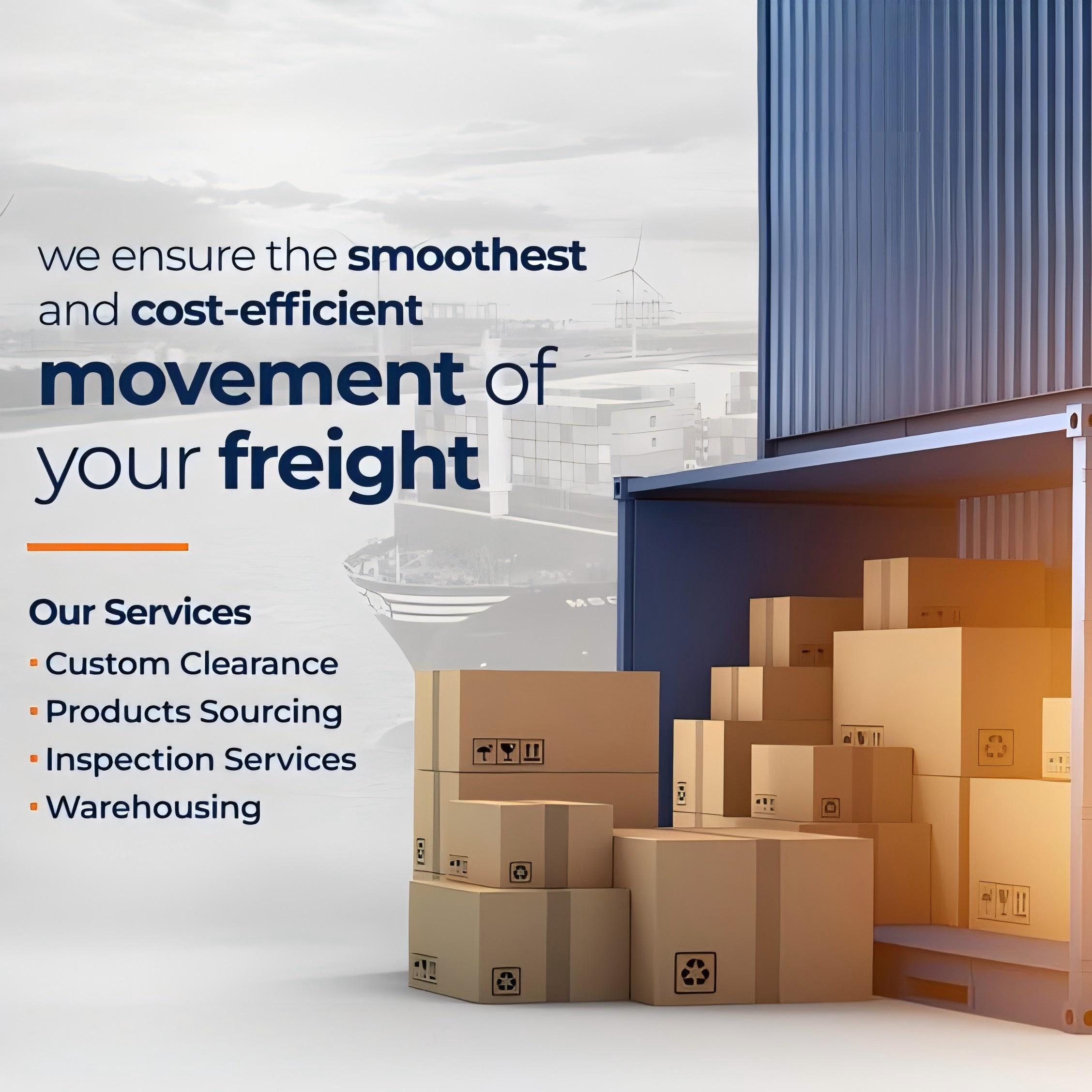
Understanding the 20GP FCL freight rate for machinery from China to Houston
Shipping industrial machinery requires a deep understanding of how container pricing fluctuates based on global demand and fuel surcharges. Specifically, a 20GP container is often the preferred choice for heavy, compact equipment because it offers a balance between cost and structural integrity. Furthermore, choosing sea freight for your FCL shipments allows for better cargo protection compared to shared loading methods.
Consequently, the total landed cost for your machinery will depend on the specific port of origin in China and the current congestion levels at the Houston terminal. As of early 2025, market data suggests that rates have stabilized, though seasonal peaks still influence the final invoice. Therefore, businesses must plan their procurement cycles carefully to avoid the high-demand windows that typically drive up prices.
How Does 20GP FCL Compare to Other Shipping Options?
Comparing different logistics methods is essential for any business importing to North America to ensure the best return on investment. While FCL provides a dedicated space for your machinery, alternatives like LCL or air freight might be more suitable depending on the volume and urgency. For instance, air freight for the same volume would cost significantly more but arrives in a fraction of the time.
In contrast, sea-air hybrid solutions can offer a middle ground for those who need faster delivery than ocean freight but cannot justify the high cost of pure air transport. However, for most heavy machinery projects, the 20GP FCL container remains the most economical and reliable method. Additionally, direct ocean routes to Houston save time compared to transshipment via West Coast ports and subsequent rail transport.
| 20GP FCL | $2,800 – $3,800 | 30 – 40 Days | Heavy Machinery |
| LCL Shipping | $80 – $150/CBM | 35 – 45 Days | Small Spare Parts |
| Air Freight | $8,000 – $15,000 | 5 – 10 Days | Urgent Repairs |
| Sea-Air Hybrid | $4,500 – $6,500 | 15 – 20 Days | Time-Sensitive Gear |
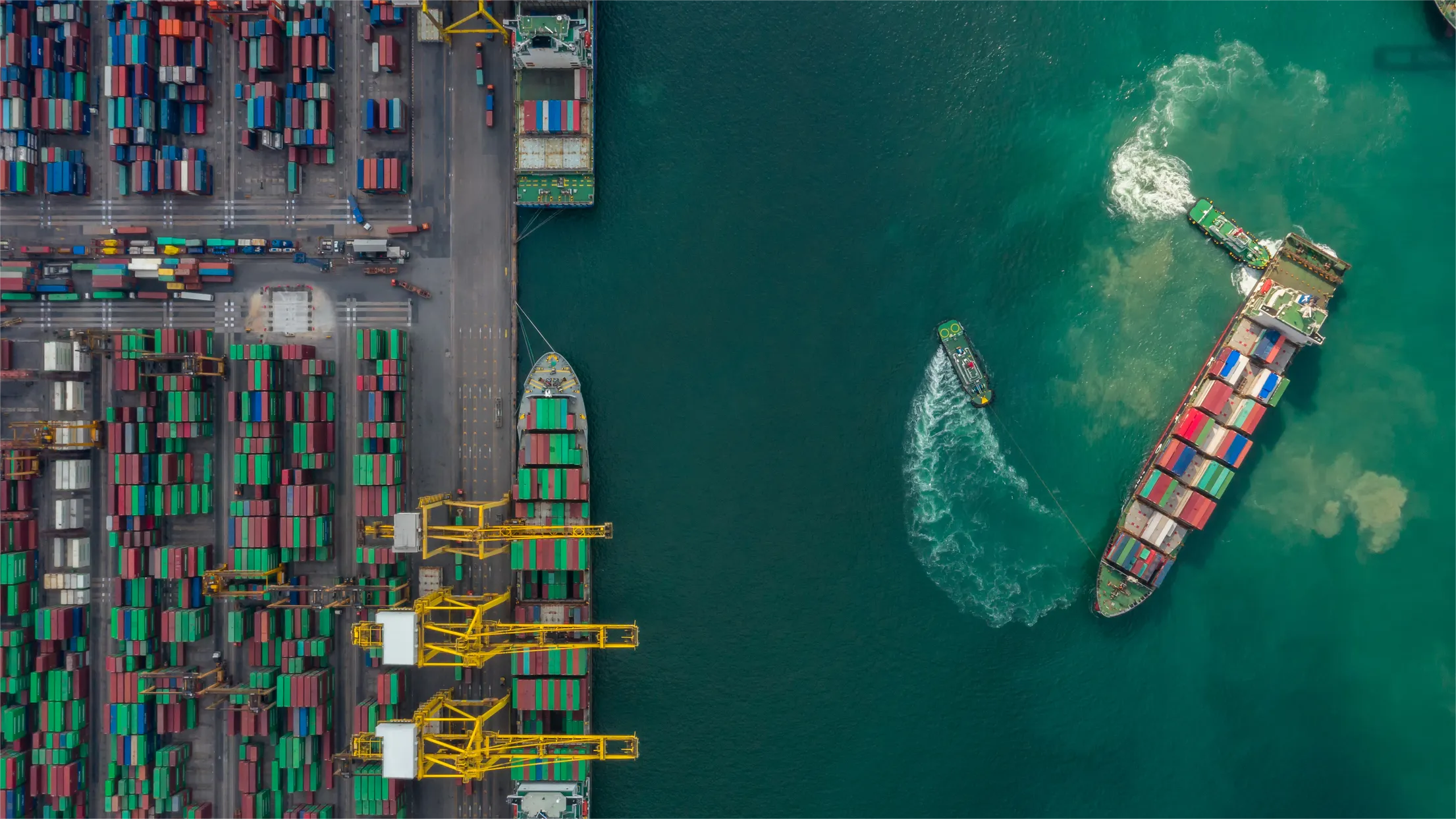
Key Factors Affecting the 20GP FCL freight rate for machinery from China to Houston
Several variables influence the final 20GP FCL freight rate for machinery from China to Houston, ranging from fuel costs to port infrastructure fees. In addition, the weight of the machinery can impact the inland haulage costs once the container reaches the United States. Carriers frequently adjust their General Rate Increases based on the capacity available on the trans-Pacific lanes.
Meanwhile, the choice of the loading port in China, such as Shanghai or Shenzhen, can result in price variations of several hundred dollars. Indeed, some ports offer more frequent departures to Houston, which can help in maintaining a tight delivery schedule. To summarize, monitoring these factors allows importers to negotiate better terms and avoid unexpected surcharges during the shipping process.
Real Case Studies for Shipping Machinery to Houston
Examining real-world examples provides valuable insights into the actual costs and timelines involved in the machinery trade. These cases reflect typical market conditions found in late 2024 and early 2025. Moreover, they highlight the importance of professional door to door coordination for complex industrial projects.
Case Study 1: CNC Machine from Ningbo to Houston. | Route: Ningbo to Houston | Cargo: CNC Lathe, 12 CBM, 8,500 kg | Container: 20GP FCL | Ocean Freight: $3,250 | Origin Charges: $450 | Destination Charges: $600 | Customs & Duties: $1,200 | Total Landed Cost: $5,500 | Sea Transit: 34 days | Total Door-to-Door: 42 days | Key Insight: Direct booking saved 5 days compared to transshipment.
Case Study 2: Injection Molding Equipment from Shenzhen to Houston. | Route: Shenzhen to Houston | Cargo: Industrial Molder, 15 CBM, 10,000 kg | Container: 20GP FCL | Ocean Freight: $3,400 | Origin Charges: $500 | Destination Charges: $650 | Customs & Duties: $2,100 | Total Landed Cost: $6,650 | Sea Transit: 32 days | Total Door-to-Door: 40 days | Key Insight: Pre-clearing customs reduced port storage fees significantly.
Navigating Customs and Documentation
Managing the paperwork for machinery imports requires precision to avoid costly delays at the Port of Houston. Specifically, working with an expert in customs brokerage ensures that all HTS codes are correctly applied to your equipment. Furthermore, missing documentation can lead to intensive examinations by US Customs and Border Protection.
Consequently, importers should prepare the commercial invoice, packing list, and bill of lading well in advance of the ship’s arrival. Additionally, certain types of machinery may require specialized permits or certifications to comply with US safety standards. Therefore, verifying these requirements before the container leaves China is essential for a smooth clearance process.
| Bill of Lading | Carrier | Title of Goods | At Departure |
| Commercial Invoice | Supplier | Value Declaration | Before Shipping |
| Packing List | Supplier | Cargo Details | Before Shipping |
| ISF Filing | Importer/Broker | Security Filing | 24 Hours Pre-Load |
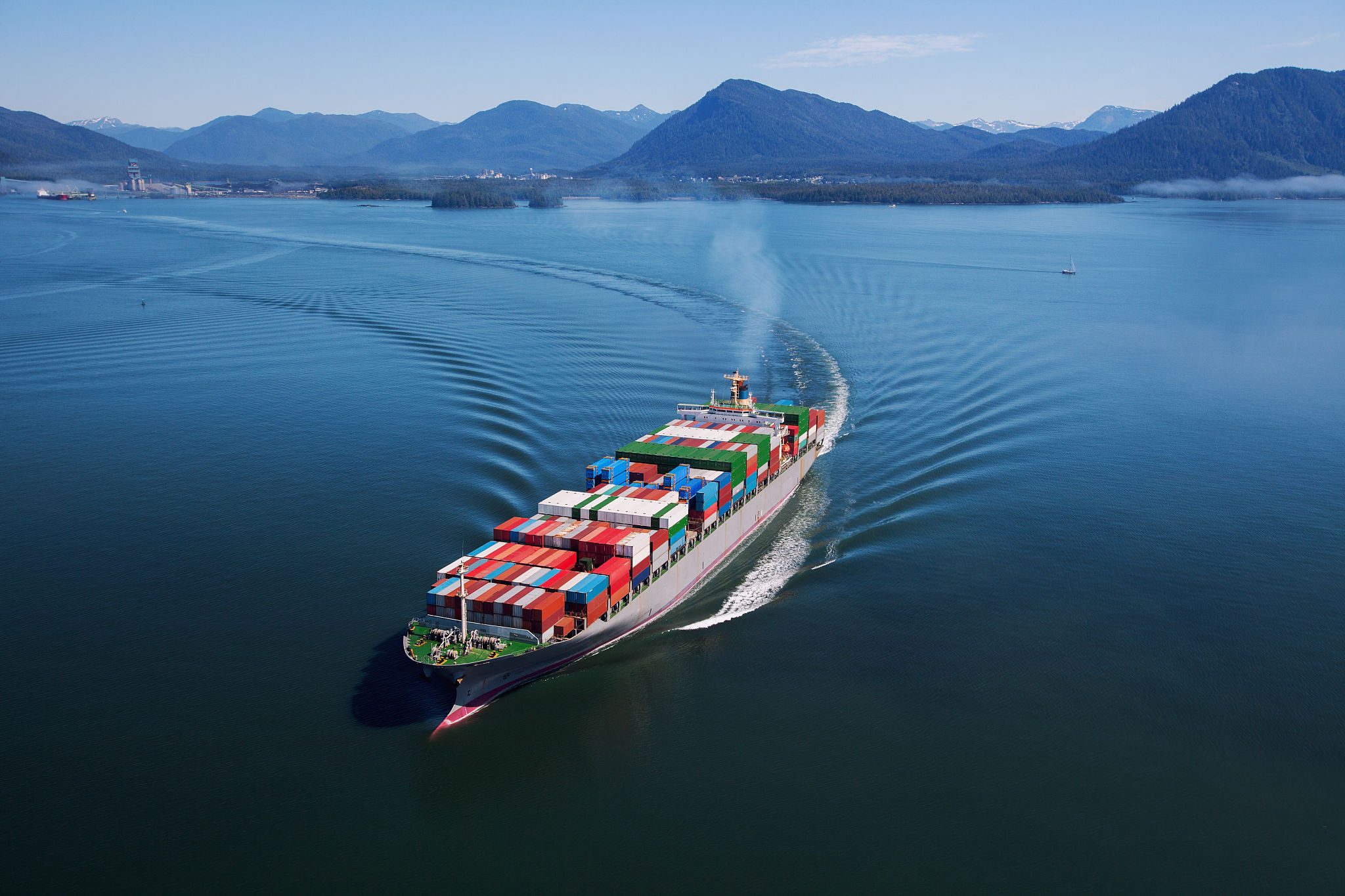
Transit Times and Schedule Reliability
Transit times for ocean freight from China to Houston generally range between 30 and 40 days depending on the carrier and route type. While direct services are faster, they often come with a higher 20GP FCL freight rate for machinery from China to Houston compared to routes with multiple stops. However, the reliability of the schedule is often more important than the lowest price for industrial projects with strict deadlines.
Moreover, weather conditions in the Pacific and congestion at the Panama Canal can occasionally cause deviations from the estimated delivery schedule. Consequently, it is wise to build a buffer of at least one week into your project timeline to account for potential delays. Industry benchmarks show that carriers like COSCO and Maersk maintain high reliability on this specific trade lane.
Which Option Should You Choose?
Choosing the right shipping strategy depends on your specific budget, speed requirements, and the nature of your cargo. If your primary goal is cost reduction and your timeline is flexible, then standard ocean freight in a 20GP container is the ideal choice. On the other hand, if you are facing a production shutdown, the high cost of air freight may be a necessary investment.
For shipments that exceed the capacity of a 20GP but do not fill a 40GP, you might consider LCL shipping, although the risk of damage is slightly higher for sensitive machinery. Without a doubt, the most secure method for heavy equipment remains FCL, as it minimizes handling and allows for specialized blocking and bracing. Ultimately, consulting with a logistics professional will help you determine the most efficient path for your specific machinery import.
Strategies to Reduce Your Freight Costs
Implementing cost-saving strategies can significantly lower your overall shipping expenses over the long term. For example, consolidating multiple smaller orders into a single 20GP FCL container can reduce the per-unit cost of transport. Additionally, negotiating annual contracts with carriers can provide price stability in a volatile market.
Furthermore, choosing a port of loading that is closer to your supplier’s factory will minimize inland trucking fees within China. As a result, you can allocate more of your budget to the quality of the machinery itself rather than the logistics. Finally, staying informed about the latest logistics trends allows you to pivot your strategy when market conditions shift in your favor.
Final Thoughts on Shipping Machinery to Houston
Successfully managing the 20GP FCL freight rate for machinery from China to Houston requires a combination of market knowledge, careful planning, and reliable partnerships. By understanding the factors that influence costs and transit times, businesses can make informed decisions that protect their bottom line. Moreover, leveraging the expertise of a dedicated freight forwarder ensures that customs and documentation are handled with the highest level of professionalism.
In conclusion, while the logistics landscape is always changing, the 20GP FCL container remains a cornerstone of the machinery trade between China and the United States. Whether you are importing a single machine or a full production line, focusing on efficiency and security will lead to long-term success. Always remember to request current quotes to stay ahead of market fluctuations and maintain your competitive edge in the industrial sector.

Ready to streamline your logistics?
Are you ready to secure the best 20GP FCL freight rate for machinery from China to Houston? Our team of logistics experts is standing by to provide you with a customized quote and a seamless shipping experience. Visit our website to request a consultation and let us handle the complexities of your next industrial shipment. Contact us today to get started and ensure your machinery arrives safely and on time.
Request Quote