

China FCL CIF shipping to UK: The Ultimate Guide for 2025
Managing international trade requires a deep understanding of logistics terms and specific shipping routes. Choosing China FCL CIF shipping to UK allows your business to maintain control over large cargo volumes while the seller manages insurance and freight costs to the destination port. Top China Forwarder provides the professional expertise needed to streamline this specific trade lane for maximum efficiency and reliability.
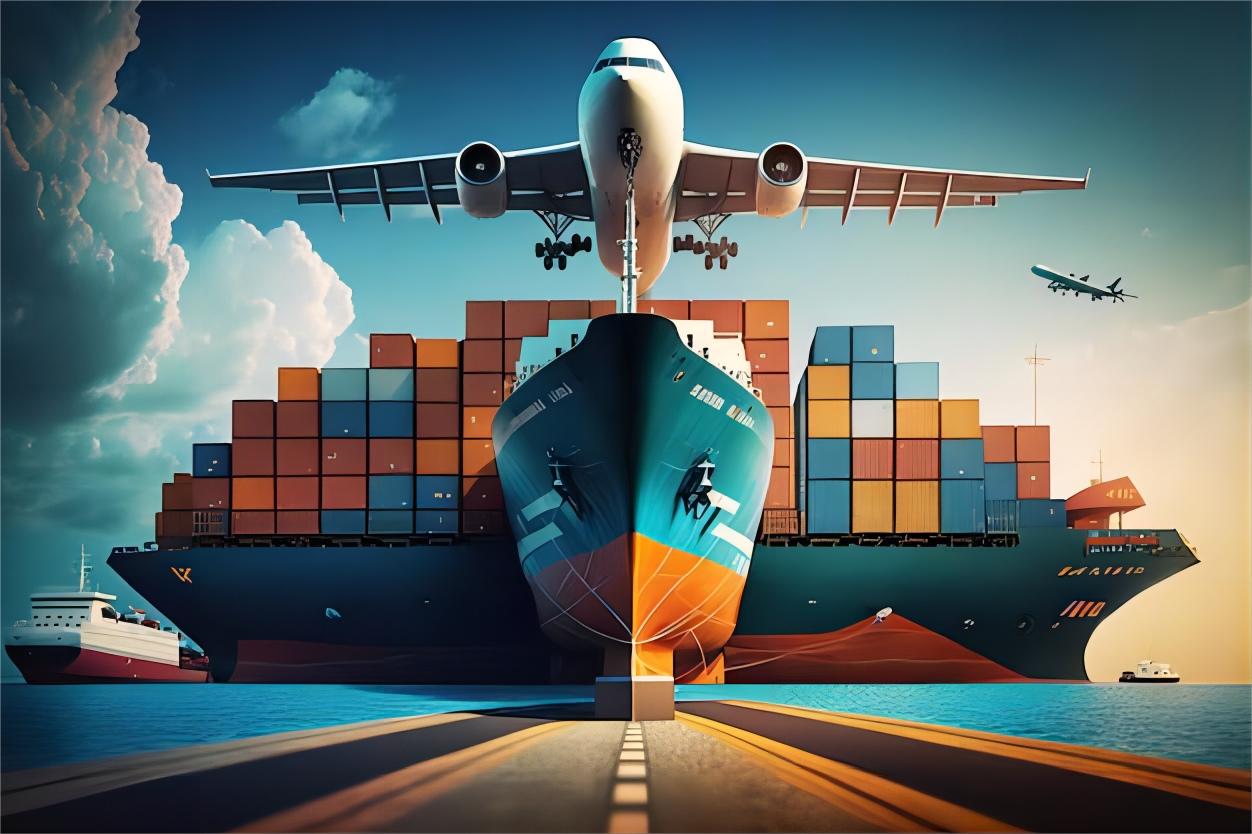
Understanding China FCL CIF shipping to UK Basics
Full Container Load (FCL) shipping represents the most cost-effective method for transporting large volumes of goods across the ocean. When you opt for the Cost, Insurance, and Freight (CIF) incoterm, the exporter remains responsible for the costs and insurance until the goods reach the UK port of discharge. This arrangement simplifies the process for importers who may not have extensive experience in managing international maritime logistics.
Furthermore, utilizing FCL ensures that your cargo occupies the entire container, which significantly reduces the risk of damage or contamination from other shippers’ goods. Consequently, businesses importing high-value or fragile items often prefer this method over Less than Container Load (LCL) alternatives. Moreover, the security of a sealed container provides peace of mind throughout the long journey from East Asia to the British Isles.
Specifically, the CIF agreement requires the seller to handle all origin charges and the main ocean transit. However, the buyer must take over once the vessel arrives at the UK port, handling customs clearance and final delivery. This division of responsibility makes China FCL CIF shipping to UK a popular choice for established retailers and manufacturers alike.
How Does China FCL CIF shipping to UK Compare to Other Shipping Options?
Evaluating different transportation modes is essential for optimizing your logistics budget and meeting delivery deadlines. While CIF FCL is standard for bulk goods, other options like DDP or FOB might offer different levels of control and cost-efficiency. Additionally, businesses must consider whether the speed of air or rail justifies the higher expense compared to traditional sea routes.
In contrast to air transport, maritime shipping offers significantly lower costs per unit for large-scale operations. For instance, moving a 40HQ container via sea is a fraction of the cost of moving the same volume by air. Meanwhile, rail freight provides a middle ground, offering faster transit than sea but at a lower price point than air. Nevertheless, for the highest volume of goods, sea freight remains the industry leader for shipments to Europe.
As a result of these differences, most importers utilize a mix of services depending on their inventory needs and seasonal demand. To summarize the landscape, the following table provides an objective analysis of the viable alternatives for the China to UK route.
| Shipping Method | Cost Range | Transit Time | Best For |
|---|---|---|---|
| Sea FCL (CIF) | $3,000 – $4,500 | 30 – 40 Days | Bulk Goods / Max Savings |
| Sea LCL | $80 – $150 / CBM | 35 – 45 Days | Small Shipments |
| Rail Freight | $4,500 – $6,500 | 18 – 25 Days | Mid-range urgency |
| Air Freight | $5 – $9 / KG | 5 – 8 Days | High-value / Urgent |
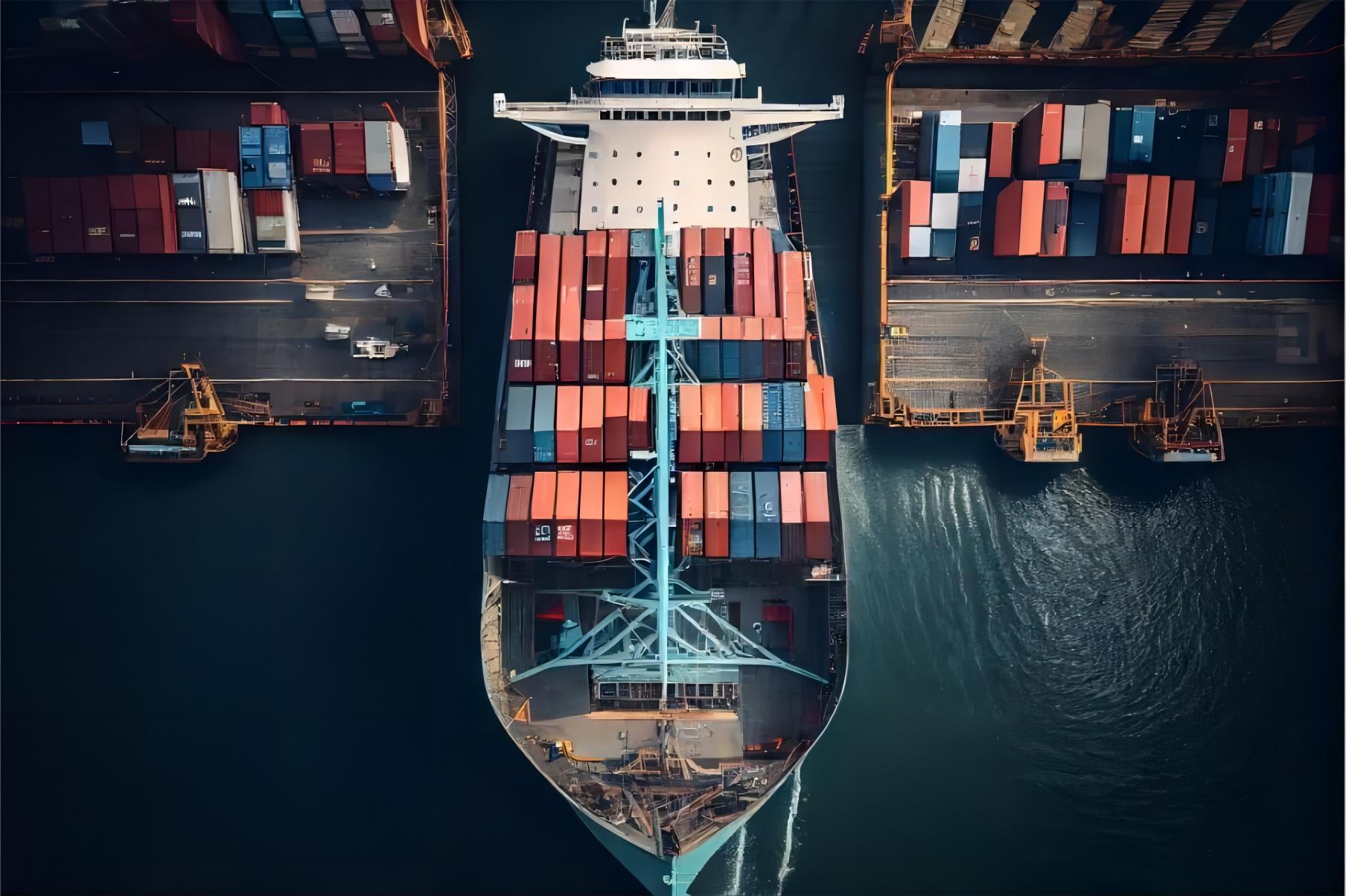
Which Option Should You Choose?
Deciding on the right shipping strategy involves balancing speed, cost, and the nature of your cargo. If your primary goal is budget priority, then China FCL CIF shipping to UK is almost always the recommended path. For businesses with large, consistent orders, the predictability of FCL rates allows for more accurate financial forecasting and pricing strategies.
On the other hand, if speed priority is the main concern, you might consider air freight despite the significantly higher costs. For example, while sea freight costs $3,500 for a 40HQ, air freight for the same volume could exceed $20,000. Therefore, air is typically reserved for electronics, pharmaceuticals, or emergency stock replenishments that cannot wait for a month-long ocean voyage.
Additionally, cargo type considerations play a vital role in your choice. Heavy machinery or furniture is naturally suited for FCL containers due to their dimensions and weight. Conversely, if you are shipping under 15 CBM, LCL might be more economical, though it involves more cargo handling. Ultimately, the volume thresholds for switching methods often depend on current market freight rates and port congestion levels.
Real Case Studies: China FCL CIF shipping to UK
Examining real-world examples helps illustrate the practical application of CIF terms and the associated costs and timelines. These scenarios reflect typical market conditions and highlight the importance of choosing the right port of loading and discharge. Below are two detailed case studies based on recent shipments facilitated by industry professionals.
Case Study 1: Electronics from Shenzhen to Felixstowe. ——————————————————— Route: Shenzhen, China to Felixstowe, UK. Cargo: Consumer Electronics, 65 CBM, 12,000 kg. Container: 40HQ. Shipping Details: – Carrier: COSCO. – Port of Loading: Shenzhen. – Port of Discharge: Felixstowe. – Route Type: Direct. Cost Breakdown: – Ocean Freight: $3,850. – Origin Charges: $450. – Destination Charges: $600. – Customs and Duties: $1,200. – Total Landed Cost: $6,100. Timeline: – Booking to Loading: 4 days. – Sea Transit: 32 days. – Customs Clearance: 2 days. – Total Door-to-Door: 38 days. Key Insight: Choosing a direct route saved 6 days compared to transshipment via Singapore.
Case Study 2: Furniture from Ningbo to Southampton. ——————————————————— Route: Ningbo, China to Southampton, UK. Cargo: Wooden Furniture, 28 CBM, 8,000 kg. Container: 20GP. Shipping Details: – Carrier: Maersk. – Port of Loading: Ningbo. – Port of Discharge: Southampton. – Route Type: Transshipment via Port Klang. Cost Breakdown: – Ocean Freight: $2,400. – Origin Charges: $350. – Destination Charges: $550. – Customs and Duties: $900. – Total Landed Cost: $4,200. Timeline: – Booking to Loading: 5 days. – Sea Transit: 38 days. – Customs Clearance: 3 days. – Total Door-to-Door: 46 days. Key Insight: Q4 peak season rates were 20% higher than average, but booking early secured space.
Key Documents for UK Customs Clearance
Successfully navigating the UK border requires meticulous attention to documentation and compliance. When importing under CIF terms, the seller provides the main shipping documents, but the buyer must ensure they are accurate for the customs brokerage process. Incomplete paperwork is a leading cause of delays and additional storage fees at the port.
Indeed, the Bill of Lading is perhaps the most critical document as it serves as a title to the goods. Furthermore, the Commercial Invoice and Packing List must match the details on the Bill of Lading exactly. Additionally, a Certificate of Origin may be required to qualify for certain trade agreements or to verify the source of the materials. Consequently, double-checking these documents before the ship arrives is a vital step in the supply chain.
Moreover, you must ensure that your EORI number is valid and linked to your UK business entity. Without this number, you cannot clear goods through UK customs, regardless of the shipping method used. Therefore, working with an experienced forwarder who understands the post-Brexit regulatory landscape is essential for maintaining a smooth delivery schedule.
Sea Freight vs Rail Freight for UK Shipments
As global infrastructure evolves, rail freight has emerged as a viable alternative to traditional sea freight for China-UK routes. The Iron Silk Road connects major Chinese hubs like Xi’an and Chengdu directly to European terminals. While sea freight remains the king of volume, rail offers a compelling speed advantage for time-sensitive cargo.
However, rail freight is subject to geopolitical stability and track gauge changes at various borders. This can occasionally lead to unexpected delays that negate the speed benefits. In contrast, ocean transit is generally more stable but susceptible to weather conditions and port congestion. To better understand the trade-offs, consider the following comparison of the two modes.
Specifically, for businesses looking to reduce their carbon footprint, rail is often cited as a more environmentally friendly option than air, though sea remains the most efficient per ton-mile. Nevertheless, rail freight continues to grow in popularity for automotive parts and high-fashion items that require a faster turnaround than 40 days.
| Feature | Sea Freight (FCL) | Rail Freight | Comparison |
|---|---|---|---|
| Transit Time | 30-45 Days | 18-22 Days | Rail is 50% faster |
| Capacity | High (18k+ TEU) | Moderate (41-50 Containers) | Sea handles much more |
| Environmental Impact | Lowest per ton | Low | Both are green options |
| Cost | Lower | Higher | Sea is 30% cheaper |
Factors Influencing China FCL CIF shipping to UK Costs
Freight rates are notoriously volatile and are influenced by a wide array of global economic factors. For instance, fuel costs, often referred to as the Bunker Adjustment Factor (BAF), fluctuate based on international oil prices. Additionally, seasonal demand cycles, such as the pre-Christmas rush or the Chinese New Year, can cause prices to spike significantly within a matter of weeks.
Furthermore, equipment availability is a major driver of FCL pricing. If there is a shortage of empty 40HQ containers in North China, rates will naturally rise as shippers compete for limited space. Consequently, many savvy importers choose to book their shipments 3 to 4 weeks in advance to lock in better rates and ensure container availability. Moreover, port congestion in major UK hubs like Southampton can lead to surcharges that increase the total landed cost.
Note: Freight rates are subject to change based on fuel costs, carrier capacity, and seasonal demand. Contact us for a current quote tailored to your specific shipment.
Managing the Supply Chain: From Shenzhen to Felixstowe
Effective supply chain management involves more than just booking a container; it requires end-to-end visibility and coordination. When you arrange China FCL CIF shipping to UK, you must coordinate with the seller to ensure the goods are ready for the scheduled vessel. Once the ship departs, tracking the vessel’s progress allows you to prepare for the arrival and final door to door delivery.
Additionally, choosing the right port of loading in China can save time and money. For example, shipments originating in Guangdong province should ideally depart from Shenzhen or Guangzhou to minimize inland trucking costs. Meanwhile, cargo from the Yangtze River Delta is best served by the ports of Shanghai or Ningbo. Choosing the closest major port reduces the risk of domestic transit delays.
Upon arrival in the UK, the focus shifts to efficient cargo handling and rapid customs clearance. Indeed, having a pre-arranged transport plan for the final leg of the journey is crucial. Whether you use road haulage or coastal feeder ships, ensuring that the container is returned to the port promptly will help you avoid costly demurrage and detention fees.
Common Challenges in CIF Shipping to the United Kingdom
Despite the advantages, CIF shipping presents certain challenges that importers must be prepared to handle. One common issue is the lack of control over the choice of carrier and the specific sea route. Since the seller chooses the shipping line, they might opt for the cheapest, slowest option with multiple transshipments. This can lead to longer transit times than initially expected.
Moreover, disputes can arise regarding the point at which risk transfers from the seller to the buyer. While CIF technically transfers risk once the goods are on board the vessel, the buyer is responsible for filing insurance claims if damage occurs during transit. Therefore, it is vital to ensure that the insurance policy provided by the seller is comprehensive and covers the full value of the cargo.
Furthermore, UK port strikes or labor shortages can disrupt even the most well-planned logistics schedules. In such cases, having a flexible strategy that includes alternative ports of discharge can be a lifesaver. For instance, if Felixstowe is congested, diverting a shipment to London Gateway or Liverpool might be a viable, albeit more expensive, alternative.
How to Get the Best Rates for Full Container Loads
Securing competitive rates for China FCL CIF shipping to UK requires a combination of timing, volume, and negotiation. Specifically, consolidators and large forwarders often have access to contract rates that are significantly lower than the spot market. By leveraging these relationships, even smaller businesses can benefit from economies of scale.
Additionally, optimizing your container loading can lead to substantial savings. For example, ensuring that a 40HQ is filled to its maximum CBM capacity reduces the cost per unit of the goods being transported. Furthermore, avoiding the peak season from August to October can save you between 15% and 25% on ocean freight costs. Planning your inventory cycles around these seasonal patterns is a hallmark of an efficient logistics strategy.
Finally, always request a detailed breakdown of all charges to avoid hidden fees. A transparent quote should include the base ocean freight, fuel surcharges, and any mandatory port fees. By comparing multiple quotes and understanding the market trends of early 2025, you can ensure that your business remains competitive in the global marketplace.
| Container Type | Dimensions | Max Payload | Est. Cost (2025) |
|---|---|---|---|
| 20GP | 20ft x 8ft x 8.5ft | 21,700 kg | $2,000 – $2,800 |
| 40GP | 40ft x 8ft x 8.5ft | 26,500 kg | $3,200 – $4,200 |
| 40HQ | 40ft x 8ft x 9.5ft | 26,500 kg | $3,500 – $4,500 |
Final Thoughts on UK FCL Shipping
To summarize, China FCL CIF shipping to UK remains a cornerstone of international trade for businesses seeking a balance between cost and control. By understanding the nuances of CIF terms and the various factors that influence freight rates, you can make informed decisions that benefit your bottom line. Whether you are importing furniture, electronics, or industrial machinery, the FCL method provides the security and efficiency needed for modern commerce.
Furthermore, staying abreast of logistics trends and maintaining a flexible approach to shipping routes will ensure long-term success. As market conditions evolve in 2025, partnering with a reliable freight forwarder becomes even more critical. Start planning your next shipment today to take advantage of current market opportunities and secure your place in the global supply chain.

Ready to streamline your logistics?
Streamline your international logistics today by requesting a custom quote for China FCL CIF shipping to UK. Our expert team is ready to help you optimize your supply chain and reduce costs. Contact us now to get started. Visit our inquiry page: https://topchinaforwarder.com
Request Quote