

Reefer FCL freight rate for textiles from China to Los Angeles: 2025 Market Guide
Determining the Reefer FCL freight rate for textiles from China to Los Angeles is essential for businesses that prioritize fabric integrity and quality control. At Top China Forwarder, we specialize in managing temperature-sensitive textile logistics to ensure your high-end apparel and specialty fibers arrive in pristine condition. This comprehensive guide breaks down current market pricing, transit schedules, and strategic alternatives for shipping refrigerated containers to the United States West Coast.

Why the Reefer FCL freight rate for textiles from China to Los Angeles Matters
Shipping textiles often requires more than just a standard dry container, especially when dealing with luxury silks, high-end wool, or organic cotton. Temperature and humidity fluctuations during the trans-Pacific voyage can lead to mildew, odor absorption, or fiber degradation. Consequently, many fashion brands invest in refrigerated containers to maintain a stable environment throughout the journey.
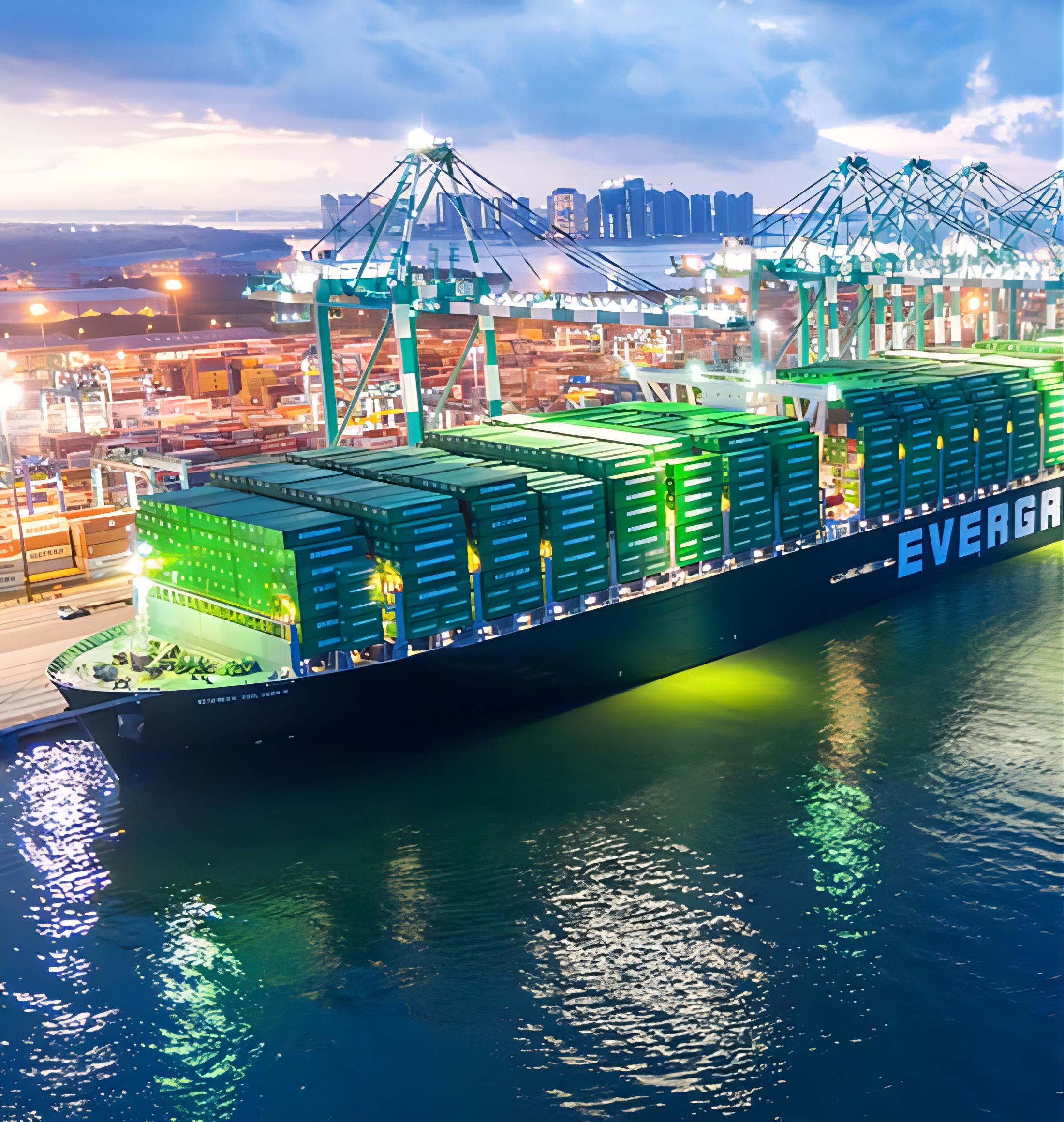
Market volatility significantly impacts the daily costs of these specialized shipments. Moreover, the demand for reefer equipment often exceeds supply during peak harvest seasons, which can drive up the rates for non-food items like textiles. Understanding these nuances helps importers budget effectively and avoid unexpected surcharges during the busy Q3 and Q4 seasons.
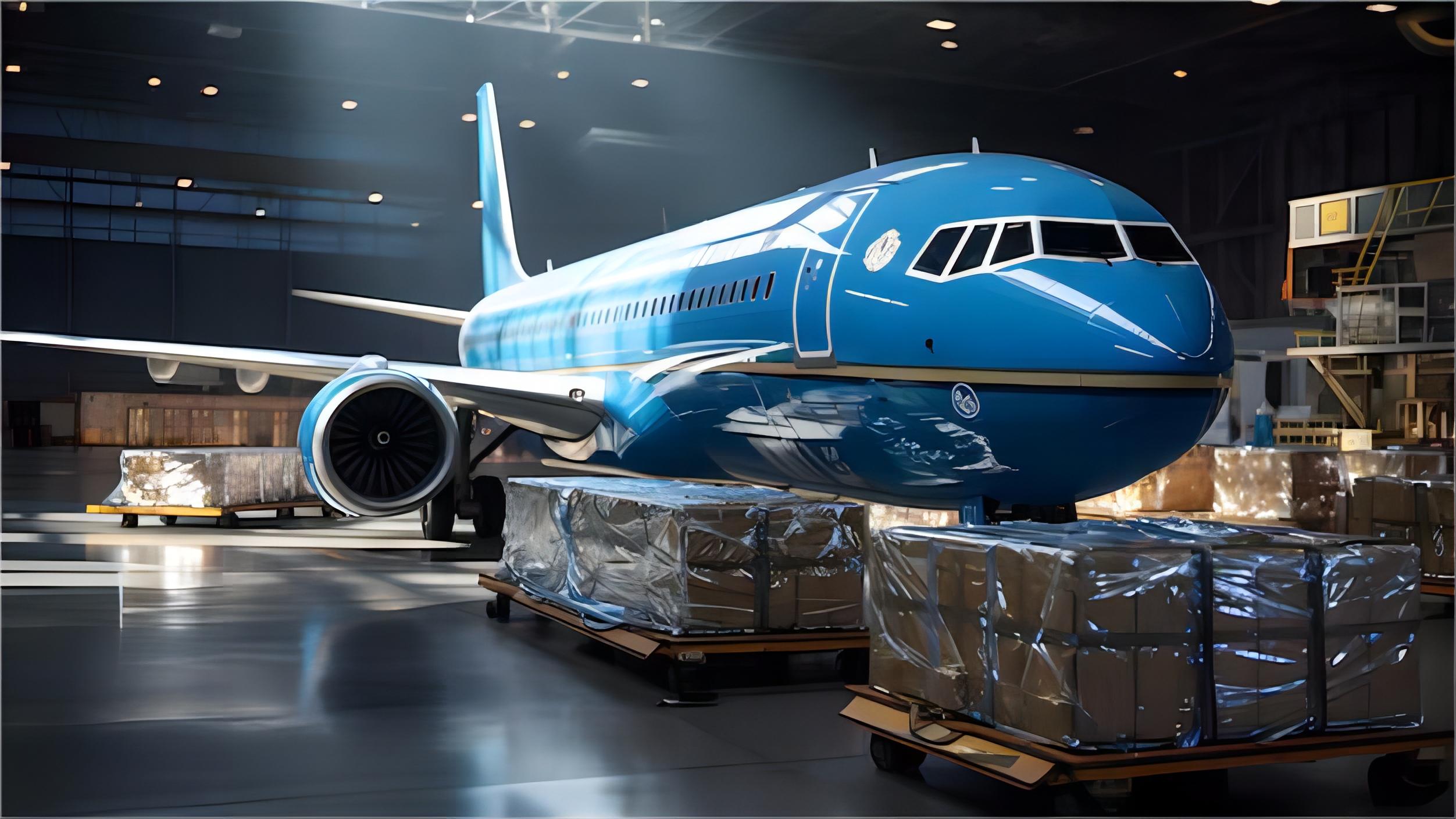
Carriers prioritize different types of cargo based on profitability and equipment availability. Therefore, securing a competitive Reefer FCL freight rate for textiles from China to Los Angeles requires early booking and a deep understanding of carrier alliances. Our team monitors these trends to provide the most cost-effective solutions for your textile supply chain.
How Does Reefer FCL Compare to Other Shipping Options?
Evaluating different transportation modes is vital for optimizing your logistics budget. While sea freight remains the most popular choice for large volumes, it is not the only option available for textile importers. Each method offers a unique balance of speed, cost, and protection for your sensitive goods.
Air transport provides the fastest delivery but comes with a much higher price tag. In contrast, standard dry containers are cheaper but offer no protection against extreme heat or moisture. For smaller shipments, you might consider less-than-container load (LCL) options, though these do not typically offer refrigerated environments.
Hybrid solutions like sea-air services can sometimes bridge the gap between cost and speed. However, for full container loads of premium textiles, the Reefer FCL freight rate for textiles from China to Los Angeles often provides the best value for ensuring product quality upon arrival.
| Shipping Method | Cost Range (USD) | Transit Time | Best For |
|---|---|---|---|
| Reefer FCL (40RH) | $3,800 – $5,500 | 14 – 18 Days | Luxury Textiles |
| Dry FCL (40HQ) | $2,800 – $4,200 | 14 – 18 Days | Standard Apparel |
| Air Freight | $15,000 – $25,000 | 3 – 7 Days | Urgent Samples |
| LCL Shipping | $80 – $150/CBM | 20 – 25 Days | Small Batches |
Factors Influencing the Reefer FCL freight rate for textiles from China to Los Angeles
Fuel surcharges, often referred to as Bunker Adjustment Factors (BAF), represent a significant portion of your total shipping cost. Since reefer containers require constant power to run the cooling units, carriers often apply higher energy surcharges compared to dry boxes. Additionally, the port of origin in China can influence the final price due to local terminal handling charges.
Seasonal demand plays a critical role in price fluctuations across shipping from China to North America routes. During the pre-Chinese New Year rush, rates can spike by 20% or more as exporters scramble to move goods before factories close. Similarly, the back-to-school and holiday shopping seasons in the US create peak demand periods in late summer.
Equipment availability is another factor that shippers must navigate carefully. Because reefer containers are specialized assets, they are not always available at every inland port. Consequently, you may face additional trucking costs to move the empty container from a major hub like Shanghai or Ningbo to your factory location.
The Impact of Port Congestion in California
Los Angeles and Long Beach ports occasionally experience congestion that can lead to significant delays. When ships wait at anchor, the daily cost of maintaining the reefer unit continues to accrue. Furthermore, chassis shortages at the terminal can delay the final delivery to your warehouse, potentially leading to demurrage and detention fees.
Real-World Case Studies: Textile Shipments to Los Angeles
Case Study 1: Premium Silk Shipment +———————————————————+ | Route: Shanghai, China to Los Angeles, USA | | Cargo: Premium Silk Fabrics, 60 CBM, 11,500 kg | | Container: 40HQ Reefer (40RH) | | | | Shipping Details: | | – Carrier: Major Ocean Line | | – Route Type: Direct Service | | | | Cost Breakdown: | | – Ocean Freight: $4,500 | | – Origin Charges: $480 | | – Destination Charges: $650 | | – Total Landed Cost: $5,630 | | | | Timeline: | | – Sea Transit: 16 days | | – Door-to-Door: 25 days | +———————————————————+
Case Study 2: Organic Cotton Apparel +———————————————————+ | Route: Shenzhen, China to Los Angeles, USA | | Cargo: Organic Cotton T-shirts, 68 CBM, 14,000 kg | | Container: 40HQ Reefer | | | | Shipping Details: | | – Carrier: Premium Alliance | | – Route Type: Direct | | | | Cost Breakdown: | | – Ocean Freight: $4,100 | | – Origin Charges: $420 | | – Destination Charges: $580 | | – Total Landed Cost: $5,100 | | | | Timeline: | | – Sea Transit: 15 days | | – Door-to-Door: 22 days | +———————————————————+
Note: Freight rates are subject to change based on fuel costs, carrier capacity, and seasonal demand. Contact us for a current quote tailored to your specific shipment.
Navigating Customs and Compliance for Textile Imports
Importing textiles into the United States requires strict adherence to Customs and Border Protection (CBP) regulations. You must provide accurate fiber content labels and country-of-origin markings for every item in the container. Utilizing a professional customs brokerage service ensures that your documentation is filed correctly to avoid costly inspections.
Specific trade agreements or tariffs can significantly alter the total cost of your import project. For example, certain textile categories may be subject to Section 301 duties when originating from China. Therefore, verifying the Harmonized Tariff Schedule (HTS) code before shipping is essential for accurate financial planning.
Documentation such as the commercial invoice, packing list, and bill of lading must match perfectly. Any discrepancies can lead to the container being held at the Los Angeles terminal, where storage fees accumulate rapidly. Indeed, proactive compliance is the best way to maintain a smooth supply chain flow.
Understanding Transit Times and Delivery Schedules
Reliable transit times are the backbone of any successful retail operation. Most direct services from major Chinese ports to Los Angeles take between 14 and 18 days on the water. However, you must also factor in the time required for container loading, export customs in China, and final door to door delivery in California.
Weather conditions in the Pacific Ocean can occasionally cause delays, especially during the typhoon season. Carriers might also implement blank sailings, which are cancelled voyages used to manage capacity. Consequently, we recommend building a buffer of 5 to 7 days into your delivery schedule to account for these variables.
Choosing the right port of loading can also impact your total timeline. While Shanghai is the largest hub, Shenzhen often provides faster access for factories located in Southern China. Significantly, selecting a carrier with a dedicated terminal in Los Angeles can speed up the unloading process and reduce wait times for truckers.
| Origin Port | Destination Port | Average Transit | Service Frequency |
|---|---|---|---|
| Shanghai | Los Angeles | 16 Days | Daily |
| Ningbo | Los Angeles | 17 Days | 5-6 per week |
| Shenzhen | Los Angeles | 15 Days | Daily |
| Qingdao | Los Angeles | 20 Days | 3 per week |
Strategic Cost-Saving Tips for High-Volume Shippers
Consolidating shipments is one of the most effective ways to lower your per-unit shipping cost. If you have multiple suppliers in the same region, consider merging their goods into a single 40ft reefer container. This strategy reduces the number of individual entries and terminal fees you must pay.
Negotiating long-term contracts with freight forwarders can provide price stability in a volatile market. While spot rates might occasionally be lower, a fixed-rate agreement protects you from sudden price hikes during peak seasons. Additionally, optimizing your packaging to maximize container utilization ensures you are not paying to ship empty space.
Monitoring the Reefer FCL freight rate for textiles from China to Los Angeles trends allows you to time your bookings strategically. Often, booking 3-4 weeks in advance secures better rates and guarantees equipment availability. Furthermore, choosing off-peak delivery days can sometimes result in lower local trucking charges in Los Angeles.
Which Option Should You Choose?
Deciding on the best shipping method depends on your specific business priorities and cargo requirements. If your primary goal is cost reduction and your textiles are not moisture-sensitive, a standard dry FCL might suffice. However, for premium brands where quality is non-negotiable, the reefer option is a necessary investment.
Speed-oriented businesses should always look toward air freight or expedited ocean services. These options are particularly useful for fashion launches or replenishing low-stock items quickly. On the other hand, established brands with predictable demand benefit most from the stability of scheduled Reefer FCL shipments.
Ultimately, a balanced approach often works best for growing companies. You might use reefer containers for your core collection while utilizing air freight for urgent samples or high-demand seasonal pieces. This hybrid strategy ensures both cost-efficiency and market responsiveness.
Final Thoughts on Textile Logistics
Navigating the complexities of international trade requires a partner who understands the specific needs of the textile industry. By carefully analyzing the Reefer FCL freight rate for textiles from China to Los Angeles, you can protect your high-value inventory while maintaining a healthy bottom line. Whether you are shipping delicate silks or bulk cotton, the right equipment and routing strategy make all the difference.
Successfully managing your logistics involves more than just finding the lowest price; it requires reliability, compliance, and clear communication. As market conditions continue to evolve in 2025, staying informed about freight trends will remain a key competitive advantage for your business. We are here to help you every step of the way, ensuring your textiles arrive safely and on time.
Ready to streamline your logistics?
Ready to secure a competitive Reefer FCL freight rate for textiles from China to Los Angeles? Contact our logistics experts today for a customized quote and expert guidance on your next shipment. Visit our website to learn more about our specialized textile shipping solutions and start optimizing your supply chain now. Send Inquiry: https://topchinaforwarder.com
Request Quote