

Container Shortage Solution for FCL Shipping China to Poland
The persistent global container shortage continues to challenge businesses engaged in FCL shipping from China to Poland. This situation frequently leads to increased freight rates, extended transit times, and significant supply chain disruptions. However, with strategic planning and professional logistics support, businesses can effectively navigate these complex challenges. Top China Forwarder specializes in providing robust solutions to ensure your cargo reaches its destination efficiently.

What are the Primary Causes of the Container Shortage?
Presently, the global supply chain faces unprecedented pressure, largely contributing to the container shortage for FCL shipping from China to Poland. Firstly, pandemic-induced disruptions caused significant port congestion and labor shortages worldwide. Consequently, containers were held up at ports, delaying their return to origin countries.
Furthermore, an imbalanced trade flow also exacerbates the problem. High demand for goods from Asia to Europe means containers are often shipped full, but returned empty or delayed. Therefore, repositioning empty containers remains a substantial logistical hurdle, impacting freight capacity and driving up costs.
Additionally, geopolitical events and unexpected events like the Red Sea disruptions have rerouted vessels, further straining container availability. These factors collectively create a challenging environment for securing FCL containers.
How Does Container Shortage Impact FCL Shipping from China to Poland?
A scarcity of containers directly translates into higher shipping costs for importers. When demand outstrips supply, carriers naturally increase freight rates, significantly impacting budget planning. Moreover, the lack of available containers extends lead times, causing delays in delivery schedules.
Furthermore, businesses face increased uncertainty regarding delivery dates, making inventory management more complex. This volatility can disrupt production lines and impact customer satisfaction. Therefore, navigating these challenges requires proactive strategies and reliable logistics partners.
Ultimately, the container shortage forces businesses to consider alternative shipping solutions and optimize their supply chain resilience. Adapting to these new market conditions is crucial for maintaining competitive advantage and operational continuity.
What are the Viable Shipping Alternatives for China to Poland?
When facing a container shortage for FCL shipping from China to Poland, exploring alternative transport methods becomes essential. While sea freight is traditional, other options offer distinct advantages in specific scenarios. Consequently, a multimodal approach can often provide the best balance of cost and speed.
Consider rail freight as a strong alternative. It offers significantly faster transit times than sea freight and is more cost-effective than air freight. Moreover, rail services are becoming increasingly reliable for the China-Europe route, mitigating some FCL challenges.
Air freight remains the fastest option for urgent or high-value cargo, though at a premium cost. For smaller, less time-sensitive shipments, consolidating into LCL (Less than Container Load) can also be a solution, even if FCL is preferred. However, LCL means sharing container space and potential delays at consolidation/deconsolidation points.
| Shipping Method | Cost Range (20GP) | Transit Time | Best For | Limitations |
|---|---|---|---|---|
| Sea Freight (FCL) | $3,000-4,200 | 30-40 days | Large volumes, cost-sensitive goods | Slow, prone to port congestion, container shortages |
| Rail Freight | $6,000-8,500 | 18-25 days | Medium urgency, higher value goods | Limited capacity, specific routes, weather sensitive |
| Air Freight | $12,000-20,000+ | 5-8 days | Urgent, high-value, small volume | Very high cost, strict weight/volume limits |

How Can You Optimize Your FCL Shipping Strategy?
Optimizing your FCL shipping strategy requires a multi-faceted approach, especially during a container shortage. Firstly, early booking is paramount. Securing your container and vessel space well in advance can significantly mitigate risks. Therefore, planning shipments several weeks ahead is highly recommended.
Secondly, developing flexible delivery schedules can help. Consider allowing for slightly longer transit times or having contingency plans for unexpected delays. This proactive approach reduces stress and potential disruptions to your supply chain.
Furthermore, leveraging a robust customs brokerage service is crucial. Efficient customs clearance minimizes delays at destination ports, ensuring quicker turnaround times for containers. This contributes to the overall speed of your cargo movement.
Finally, exploring different port options in China and Poland can provide flexibility. Sometimes, using a less congested port, even if it requires slightly longer inland transport, can save significant time on the ocean leg. This strategic choice helps circumvent common bottlenecks.
Case Study 1: Electronics Manufacturer Navigates Peak Season
This electronics manufacturer faced severe container availability issues during Q4 2024 peak season. Their usual FCL bookings from Shenzhen to Gdynia were repeatedly rolled. Consequently, they adopted a hybrid approach for their critical components.
| Detail | Description |
|---|---|
| Route | Shenzhen, China to Warsaw, Poland |
| Cargo | High-value electronic components, 25 CBM, 4,000 kg |
| Container | 20GP (partial allocation) + LCL (remainder) |
| Shipping Details | Carrier: MSC for FCL, Multiple for LCL (via Hamburg); Port of Loading: Shenzhen; Port of Discharge: Gdynia (FCL), Hamburg (LCL); Route Type: FCL Direct, LCL Transshipment |
| Cost Breakdown | Ocean Freight: $4,500 (20GP), $1,200 (LCL); Origin Charges: $400; Destination Charges: $350; Customs & Duties (estimated): $800; Total Landed Cost: $7,250 |
| Timeline | Booking to Loading: 10 days; Sea Transit: 35 days (FCL), 28 days (LCL to Hamburg); Customs Clearance: 3 days; Total Door-to-Door: 45 days (FCL), 38 days (LCL via rail from Hamburg) |
| Key Insight | By splitting the shipment and using LCL with subsequent rail transport from Hamburg, they secured capacity and reduced overall transit time for a portion of their critical cargo, albeit with increased complexity. |
Which Option Should You Choose? A Decision Framework
Selecting the optimal shipping method for your FCL cargo from China to Poland depends on several critical factors. Therefore, evaluating your priorities carefully is essential to make an informed decision. Consider these criteria:
**Budget Priority:** If cost-effectiveness is your main concern, sea freight (FCL) remains the most economical option. However, be prepared for longer transit times and potential delays due to container shortages. Negotiating long-term contracts can help stabilize rates.
**Speed Priority:** For urgent shipments where time is of the essence, air freight is unmatched in speed. While significantly more expensive, it ensures rapid delivery. Alternatively, rail freight offers a good balance, being much faster than sea and considerably cheaper than air.
**Cargo Type Considerations:** High-value, perishable, or time-sensitive goods often warrant faster, more secure methods like air or rail. Conversely, bulk goods or non-perishables are typically well-suited for sea freight. Always consider the specific requirements of your product.
**Volume Thresholds:** For shipments under 15 CBM, LCL might be more cost-effective than a full container, even with the FCL preference. However, for larger volumes, FCL remains optimal when containers are available. Hybrid solutions combining methods for different parts of your shipment can also be effective.
Ultimately, partnering with a knowledgeable freight forwarder like Top China Forwarder can help you navigate these choices. They offer tailored advice based on current market conditions and your specific needs.
Case Study 2: Industrial Machinery Importer
An importer of specialized industrial machinery required reliable FCL shipping from Shanghai to Gdansk. Due to the equipment’s size and value, FCL was the only feasible option, but container availability was a constant concern. They implemented early booking and strategic port selection.
| Detail | Description |
|---|---|
| Route | Shanghai, China to Gdansk, Poland |
| Cargo | Industrial machinery, 50 CBM, 15,000 kg |
| Container | 40HQ |
| Shipping Details | Carrier: COSCO; Port of Loading: Shanghai; Port of Discharge: Gdansk; Route Type: Direct; Strategy: 60-day advance booking |
| Cost Breakdown | Ocean Freight: $3,800; Origin Charges: $550; Destination Charges: $450; Customs & Duties (estimated): $1,500; Total Landed Cost: $6,300 |
| Timeline | Booking to Loading: 6 days; Sea Transit: 32 days; Customs Clearance: 2 days; Total Door-to-Door: 40 days |
| Key Insight | Proactive 60-day advance booking during a period of moderate demand secured a direct FCL service, avoiding premium spot rates and ensuring a relatively smooth transit. This highlights the value of foresight in volatile markets. |

Leveraging Technology and Expert Freight Forwarders
In today’s dynamic logistics landscape, technology plays a pivotal role in overcoming the container shortage for FCL shipping from China to Poland. Therefore, utilizing advanced tracking systems provides real-time visibility of your cargo, enhancing supply chain control. This transparency allows for quicker responses to potential delays.
Furthermore, a professional freight forwarder offers invaluable expertise and an extensive network. They can access multiple carrier options and often have pre-allocated container slots, which are crucial during shortages. Their experience in navigating customs regulations and port procedures streamlines the entire shipping process.
Consider opting for door-to-door services. This comprehensive solution minimizes your logistical burden by handling all aspects from pickup in China to final delivery in Poland. Consequently, it reduces complexity and potential points of failure, offering a seamless experience. This integrated approach is particularly beneficial for businesses without extensive in-house logistics teams.
Ultimately, partnering with an experienced forwarder like Top China Forwarder ensures you receive tailored solutions. They can advise on the best routes, carriers, and consolidation options, optimizing your shipping strategy and mitigating the impact of container shortages.
Case Study 3: Furniture Importer Using Multimodal
A furniture importer needed to ship a large volume of flat-pack furniture from Ningbo to Poznan. Due to ongoing sea freight congestion and high FCL rates, they explored multimodal options to balance cost and speed.
| Detail | Description |
|---|---|
| Route | Ningbo, China to Poznan, Poland |
| Cargo | Flat-pack furniture, 60 CBM, 10,000 kg |
| Container | 2 x 40GP |
| Shipping Details | Carrier: China Railway Express; Port of Loading: Ningbo (via rail to Chengdu); Port of Discharge: Malaszewicze (Poland); Route Type: Rail (Ningbo-Chengdu-Malaszewicze); Strategy: Multimodal rail service |
| Cost Breakdown | Rail Freight: $7,000 per 40GP ($14,000 total); Origin Charges: $600; Destination Charges: $500; Customs & Duties (estimated): $2,000; Total Landed Cost: $17,100 |
| Timeline | Booking to Loading: 7 days; Rail Transit: 20 days; Customs Clearance: 3 days; Total Door-to-Door: 35 days |
| Key Insight | Opting for a direct rail service, despite being more expensive than sea freight, significantly reduced transit time by over 10 days compared to typical FCL sea routes. This allowed them to meet critical retail deadlines and avoid stockouts. |
Market Insights and Future Trends in FCL Shipping
As of Q1 2025, freight rates from China to Europe have stabilized somewhat after the significant disruptions of 2024, particularly those impacting Red Sea routes. However, volatility remains a key characteristic of the market. Consequently, shippers must stay informed about evolving conditions and potential new challenges.
Industry trends indicate a continued push towards digitalization and improved supply chain visibility. Moreover, increased investment in multimodal transport infrastructure, especially rail links between China and Europe, is expected to offer more resilient options. This development provides additional solutions for the container shortage for FCL shipping from China to Poland.
Additionally, seasonal patterns continue to influence freight rates and container availability. Rates typically increase 15-25% during August-October peak season leading up to holidays, and also before Chinese New Year. Therefore, factoring these predictable surges into your planning is crucial for managing costs and securing capacity.
Note: Freight rates are subject to change based on fuel costs, carrier capacity, and seasonal demand. Contact us for a current quote tailored to your specific shipment.
Conclusion: Navigating the Container Shortage with Expertise
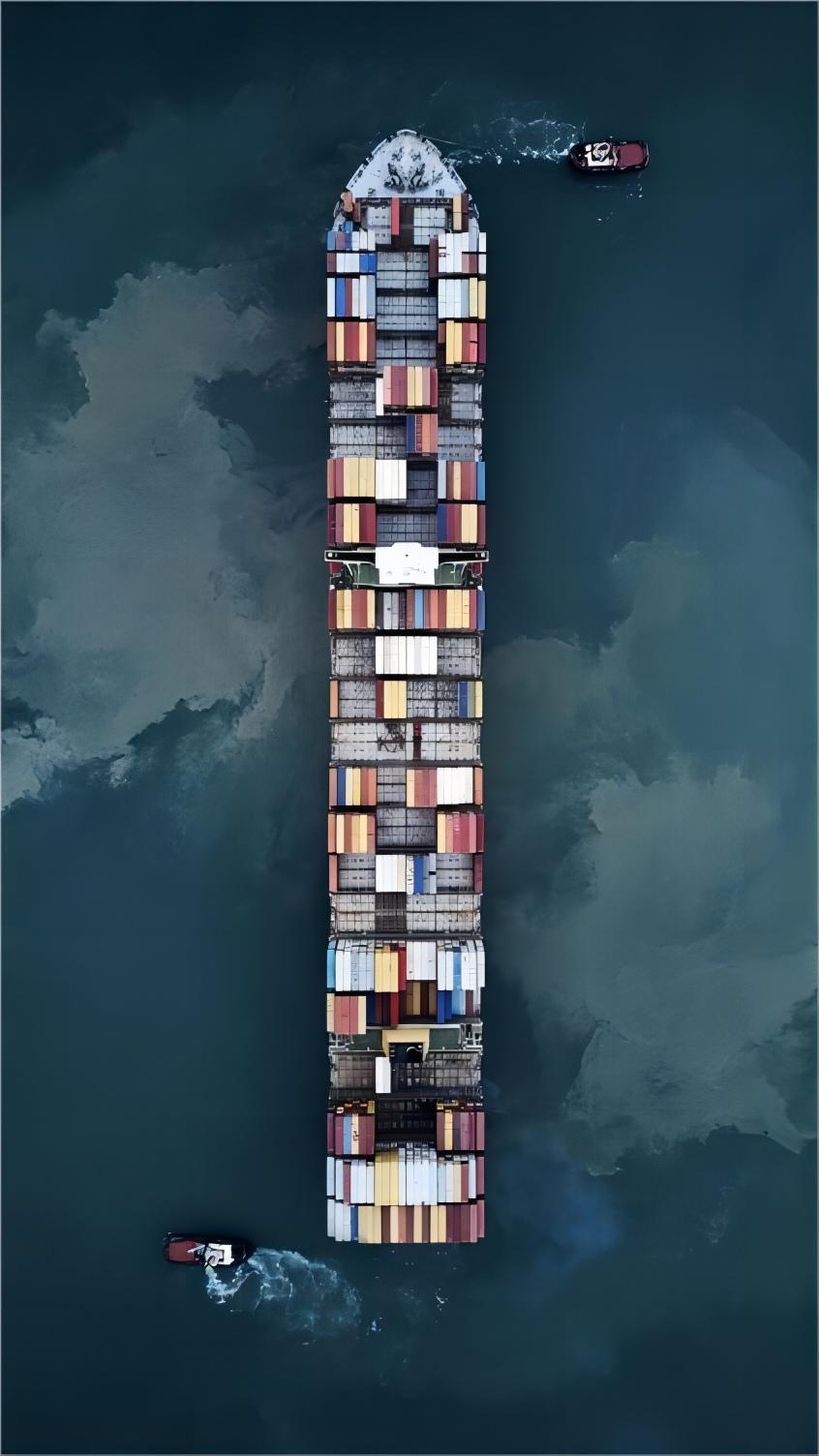
The global container shortage presents ongoing challenges for FCL shipping from China to Poland. However, by adopting proactive strategies, exploring alternative shipping methods, and leveraging expert freight forwarding services, businesses can effectively mitigate these issues. Strategic planning, early booking, and multimodal solutions are vital for maintaining supply chain resilience.
Ultimately, partnering with a knowledgeable logistics provider like Top China Forwarder is paramount. We offer comprehensive solutions, from <a href=”https://topchinaforwarder.com/services/sea-freight/”>sea freight</a> to rail and air options, ensuring your cargo reaches its destination efficiently. Let us help you find the optimal container shortage solution for FCL shipping from China to Poland.
Need a tailored shipping solution?
Facing challenges with container shortages or complex FCL shipping from China to Poland? Do not let logistical hurdles disrupt your supply chain. Contact Top China Forwarder today for a personalized quote and expert guidance on optimizing your cargo movement. We are ready to help you find the most efficient and cost-effective solutions.