

40HQ FCL Demurrage Prevention: Medical Equipment China to USA
Shipping medical equipment from China to the USA involves complex logistics and stringent regulations. Consequently, importers often face unexpected costs like demurrage and detention charges. Understanding these challenges is crucial for a smooth supply chain. For comprehensive solutions, visit Top China Forwarder.

Understanding 40HQ FCL Demurrage and Detention
Demurrage and detention are significant financial penalties in international shipping. They arise when containers are not moved within the allotted free time. Essentially, demurrage applies at the port, while detention relates to the container outside the port.
Specifically, demurrage charges are levied by the shipping line for the extended use of their container within the port terminal. This period starts once the container is discharged from the vessel. Therefore, prompt clearance and pick-up are vital.
On the other hand, detention charges occur when the consignee holds the container outside the port terminal beyond the free time. This includes transit to the warehouse and returning the empty container. Both charges can escalate quickly.
For medical equipment, these charges are particularly burdensome due to the high value and critical nature of the cargo. Avoiding these fees is paramount for maintaining profitability and efficient supply chain operations. Effective planning is key.
Why Medical Equipment Shipments Are Prone to Demurrage
Medical equipment imports from China to the USA often encounter unique hurdles. These challenges directly contribute to the risk of demurrage. Understanding these factors is the first step toward prevention.
Firstly, regulatory compliance for medical devices is incredibly strict in the USA. FDA approval, import licenses, and specific labeling requirements must be met. Any delay in documentation can halt customs clearance.
Secondly, the sheer volume and value of 40HQ FCL medical equipment shipments mean higher stakes. A single delay can translate into substantial daily demurrage costs. This significantly impacts overall shipping costs.
Moreover, port congestion at major US ports, especially on the West Coast, is a recurring issue. This can lead to longer waiting times for vessel berths and container offloading. Consequently, free time can expire even before cargo is accessible.
Finally, unexpected issues like carrier delays, customs inspections, or internal operational inefficiencies at the destination can cause delays. These factors combine to make 40HQ FCL demurrage prevention for medical equipment from China to USA a complex task.
Proactive Planning: Key to Demurrage Prevention
Effective prevention of demurrage begins long before the shipment leaves China. A robust pre-shipment strategy is indispensable. This includes meticulous coordination and communication across all parties.
Firstly, ensure all necessary import permits and FDA clearances are secured well in advance. This avoids last-minute scrambling and potential hold-ups at customs. Proper documentation is non-negotiable.
Secondly, collaborate closely with your supplier in China to ensure cargo readiness. Confirm packaging, labeling, and loading schedules meticulously. An organized origin process streamlines the entire journey.
Furthermore, arrange for pre-clearance with US Customs and Border Protection (CBP) whenever possible. This allows for faster processing upon arrival. Expediting FCL shipments is a priority.
Finally, select a reliable freight forwarder with a proven track record in shipping medical devices. Their expertise can significantly mitigate risks. Consider sea freight for cost-effective large volume shipments.

Optimizing Documentation and Customs Clearance
Accurate and complete documentation is the backbone of efficient customs clearance. Incomplete or incorrect paperwork is a primary cause of delays. Therefore, meticulous attention to detail is paramount.
Begin by verifying all commercial invoices, packing lists, and bills of lading. Ensure they precisely match the cargo description and quantities. Discrepancies lead to immediate scrutiny.
Moreover, specific documents for medical equipment, such as FDA forms, certifications, and declarations, must be perfectly prepared. Any missing signature or incorrect code can cause significant setbacks. This is crucial for importing medical devices from China.
Engage a skilled customs broker early in the process. A professional customs brokerage service can navigate complex US customs regulations for medical equipment. They can also advise on duties and taxes.
Additionally, utilize electronic data interchange (EDI) for submitting documents whenever possible. This speeds up the transmission process and reduces human error. Proactive communication with your broker is also essential.
| Document Type | Purpose | Key Details for Medical Equipment |
|---|---|---|
| Commercial Invoice | Proof of sale, value declaration | HS Codes, FDA product codes, itemized medical devices |
| Packing List | Contents of each package | Number of cartons, weight, dimensions, specific medical item descriptions |
| Bill of Lading | Contract of carriage, title to goods | Shipper, consignee, notify party, container number, seal number |
| FDA Import Declaration | Compliance with FDA regulations | Product type, manufacturer, intended use, FDA registration number |
| Power of Attorney | Authorizes customs broker | Valid signature, company details |
| Certificates (CE, ISO) | Product quality and safety | Relevant industry standards for medical devices |
Selecting the Right Logistics Partner for China-USA Routes
Choosing an experienced freight forwarder is perhaps the most critical decision for 40HQ FCL demurrage prevention. A reliable partner acts as your eyes and ears throughout the shipping process. Their expertise is invaluable.
Look for a forwarder with extensive experience in the China-USA lane and specifically with medical equipment. They should understand the nuances of both origin and destination regulations. Their network can make a difference.
Inquire about their track record regarding on-time deliveries and demurrage avoidance. A forwarder with strong relationships with carriers and port authorities can often secure better free time. This can save substantial costs.
Furthermore, ensure they offer comprehensive tracking and communication. Real-time updates on your shipment’s status are vital for proactive problem-solving. This visibility helps manage port congestion and other unforeseen issues.
A good partner will also offer door-to-door services, streamlining the entire logistics chain. This reduces hand-off points where delays can occur. Efficient logistics for healthcare products require integrated solutions.
How Does FCL Sea Freight Compare to Other Shipping Options?
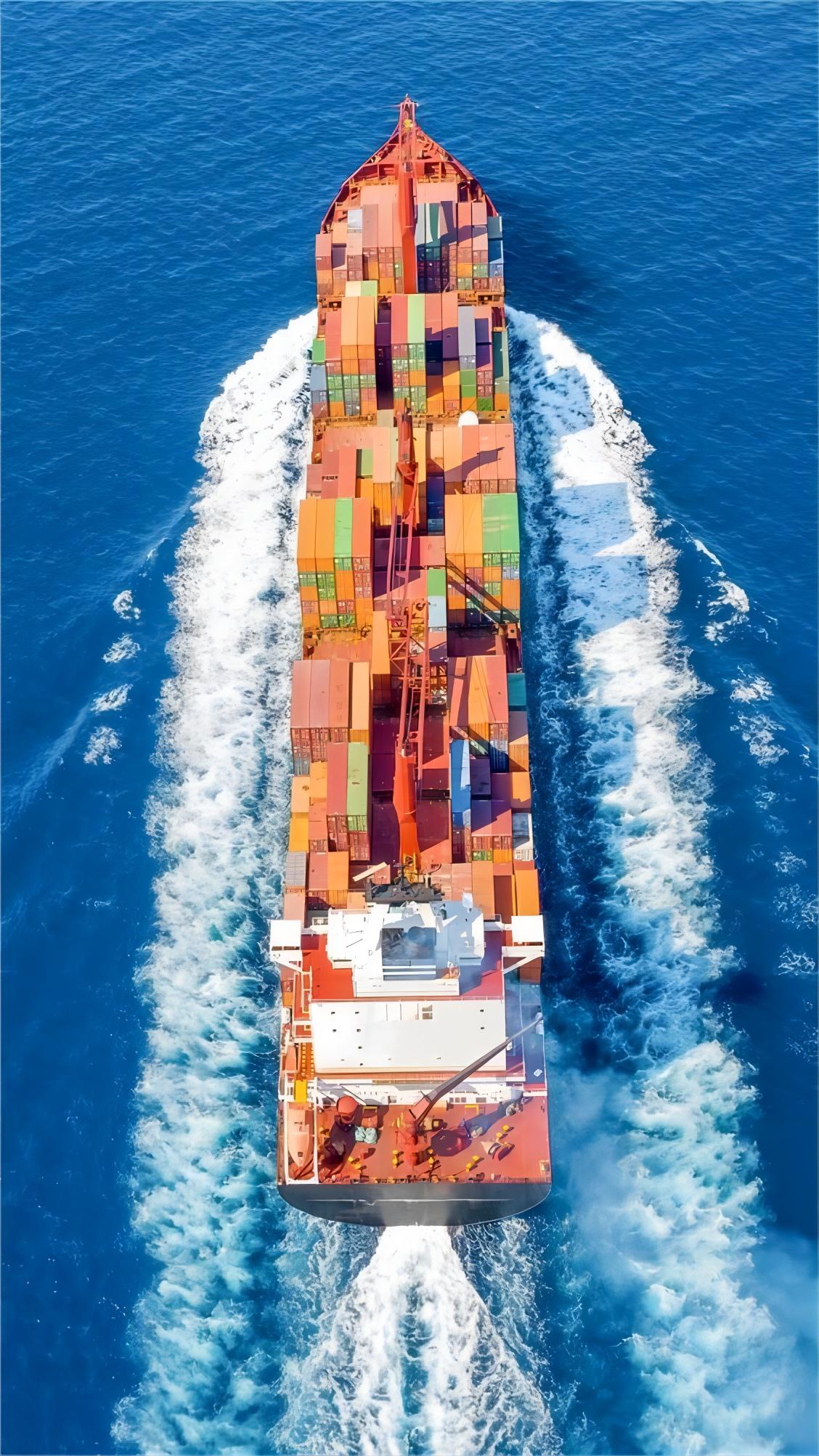
While FCL sea freight is often the go-to for 40HQ containers of medical equipment, it’s essential to understand its alternatives. Each method offers different trade-offs in terms of cost, speed, and suitability. This comparison helps in optimizing medical supply chain strategies.
Choosing the right method depends heavily on your specific needs. Factors like urgency, budget, and cargo characteristics play a significant role. Diversifying your shipping approach can enhance supply chain resilience for medical goods.
Alternative Shipping Methods
**Air Freight:** This method is significantly faster but also much more expensive. It’s ideal for urgent, high-value, or time-sensitive medical supplies. However, it’s generally not cost-effective for a full 40HQ container unless absolutely critical.
**LCL (Less than Container Load) Sea Freight:** For smaller volumes, LCL can be more economical than a full container. However, it often involves more handling and longer transit times due to consolidation and deconsolidation. This increases the risk of delays.
**Multimodal Solutions:** Combining different transport modes, such as sea-air, can offer a balance. For example, shipping by sea to a West Coast port and then by air across the USA. This can accelerate delivery while managing costs for certain shipments.
Which Option Should You Choose?
**Budget Priority:** If cost-effectiveness is paramount and transit time is flexible, FCL sea freight is typically the best option. This is especially true for large volume shipments of medical devices from China.
**Speed Priority:** For urgent medical supplies or critical components, air freight is the undisputed choice. The higher cost is justified by rapid delivery. This is often used for emergency stock refills.
**Cargo Type Considerations:** Fragile, high-value, or temperature-sensitive medical equipment may benefit from FCL for dedicated space and controlled environments. LCL might be suitable for smaller, less sensitive items.
**Volume Thresholds:** For shipments exceeding 15-20 CBM, FCL generally becomes more economical than LCL. This avoids the per-CBM charges and potential delays associated with LCL consolidation. For a 40HQ, FCL is almost always preferred.
| Shipping Method | Cost Range (40HQ equivalent) | Transit Time (China-USA) | Best For | Limitations |
|---|---|---|---|---|
| FCL Sea Freight | $4,500 – $6,000 | 28 – 35 days (East Coast) | Large volumes, cost-efficiency, less urgent | Slower, port congestion risks |
| Air Freight | $15,000 – $25,000+ | 5 – 7 days | Urgent, high-value, small volume | Very high cost, volume/weight restrictions |
| LCL Sea Freight | $50 – $80/CBM | 35 – 45 days | Small volumes (under 15 CBM), less urgent | Longer transit, more handling, higher delay risk |
Real-World Strategies: Case Studies in Demurrage Prevention
These case studies illustrate successful strategies for 40HQ FCL demurrage prevention for medical equipment from China to USA. They highlight the importance of meticulous planning and robust partnerships. These examples are based on typical rates as of early 2025.
Case Study 1: High-Value Diagnostics
This case involved preventing delays for sensitive diagnostic equipment. Proactive customs engagement and careful scheduling were crucial. The client avoided significant demurrage penalties.
The key insight was the early submission of all FDA-required documentation. This allowed for pre-clearance and expedited release upon vessel arrival. Strong communication with the destination warehouse was also vital.
| Detail | Value |
|---|---|
| Route | Shanghai, China -> Los Angeles, USA |
| Cargo | Diagnostic Imaging Units, 65 CBM, 12,000 kg |
| Container | 40HQ FCL |
| Shipping Details – Carrier/Service | COSCO |
| Shipping Details – Port of Loading | Shanghai |
| Shipping Details – Port of Discharge | Los Angeles |
| Shipping Details – Route Type | Direct |
| Cost Breakdown – Ocean Freight | $3,500 |
| Cost Breakdown – Origin Charges | $450 |
| Cost Breakdown – Destination Charges | $700 |
| Cost Breakdown – Customs & Duties (estimated) | $1,200 |
| Cost Breakdown – Total Landed Cost | $5,850 |
| Timeline – Booking to Loading | 5 days |
| Timeline – Sea Transit | 14 days |
| Timeline – Customs Clearance | 2 days |
| Timeline – Total Door-to-Door | 21 days |
| Key Insight | Early FDA document submission and pre-clearance averted potential 5-day customs hold, saving ~$1,500 in demurrage and detention. |

Case Study 2: Volume-Sensitive Disposables
This shipment of medical disposables faced potential delays due to peak season congestion. Strategic carrier selection and extended free time negotiation proved effective. The client avoided costly container detention fees.
The forwarder negotiated an additional 3 days of free time at the port and 2 days for detention. This buffer was essential during the busy period. It demonstrates the value of an experienced logistics partner for North America bound shipments.
| Detail | Value |
|---|---|
| Route | Shenzhen, China -> New York, USA |
| Cargo | Surgical Gloves & Masks, 70 CBM, 10,000 kg |
| Container | 40HQ FCL |
| Shipping Details – Carrier/Service | Maersk |
| Shipping Details – Port of Loading | Shenzhen |
| Shipping Details – Port of Discharge | New York |
| Shipping Details – Route Type | Transshipment via Panama |
| Cost Breakdown – Ocean Freight | $5,200 |
| Cost Breakdown – Origin Charges | $500 |
| Cost Breakdown – Destination Charges | $850 |
| Cost Breakdown – Customs & Duties (estimated) | $1,500 |
| Cost Breakdown – Total Landed Cost | $8,050 |
| Timeline – Booking to Loading | 7 days |
| Timeline – Sea Transit | 32 days |
| Timeline – Customs Clearance | 3 days |
| Timeline – Total Door-to-Door | 45 days |
| Key Insight | Negotiated extended free time (7 days port, 5 days detention) prevented ~$2,000 in charges during Q4 peak season. This optimized medical supply chain effectively. |
Case Study 3: Large Medical Devices
This scenario involved importing several large hospital beds, requiring specialized handling. The primary challenge was coordinating immediate offloading and transport to a specific facility. Seamless coordination was paramount.
A dedicated logistics team arranged for priority discharge and direct transport, minimizing port dwell time. This illustrates the importance of end-to-end service for reducing import delays for medical equipment. Rates typically increase 15-25% during August-October peak season.
| Detail | Value |
|---|---|
| Route | Ningbo, China -> Chicago, USA (via LA) |
| Cargo | Hospital Beds, 60 CBM, 8,000 kg |
| Container | 40HQ FCL |
| Shipping Details – Carrier/Service | MSC |
| Shipping Details – Port of Loading | Ningbo |
| Shipping Details – Port of Discharge | Long Beach |
| Shipping Details – Route Type | Direct to LB, then rail to Chicago |
| Cost Breakdown – Ocean Freight | $3,800 |
| Cost Breakdown – Origin Charges | $400 |
| Cost Breakdown – Destination Charges | $900 (incl. rail to Chicago) |
| Cost Breakdown – Customs & Duties (estimated) | $1,000 |
| Cost Breakdown – Total Landed Cost | $6,100 |
| Timeline – Booking to Loading | 6 days |
| Timeline – Sea Transit | 16 days |
| Timeline – Customs Clearance | 2 days |
| Timeline – Total Door-to-Door | 28 days |
| Key Insight | Pre-arranged rail transfer and immediate drayage from port to rail avoided any demurrage despite port congestion. This showcases efficient logistics planning. |
Leveraging Technology and Data for Supply Chain Visibility
In today’s complex global supply chain, technology offers powerful tools for demurrage prevention. Digital platforms and data analytics provide unparalleled visibility. This allows for proactive management and informed decision-making.
Implement real-time tracking systems to monitor your 40HQ FCL shipments from China to USA. These systems provide updates on vessel movements, port arrivals, and container status. Consequently, you can anticipate potential delays.
Furthermore, utilize predictive analytics to forecast port congestion and transit time variations. This data can help you adjust delivery schedules or reroute shipments if necessary. Understanding logistics trends is key.
Collaborate with forwarders who offer robust online portals and integration capabilities. This seamless data flow enhances communication and reduces manual errors. It ultimately improves your overall import/export efficiency.
Moreover, leverage data to analyze past demurrage incidents. Identify common causes and implement corrective actions. This continuous improvement approach is vital for long-term demurrage prevention for medical equipment.
Negotiating Favorable Terms and Free Time
Your relationship with shipping lines and logistics providers can significantly impact demurrage outcomes. Strong negotiation skills can secure more favorable terms. This directly reduces your exposure to unexpected charges.
Always aim to negotiate extended free time for both demurrage and detention. Standard free time is typically 3-5 days, but for complex medical equipment shipments, more time is often needed. Requesting 7-10 days can provide a crucial buffer.
Additionally, discuss specific clauses in your shipping contract regarding unforeseen delays. Clarify responsibilities in cases of port strikes, natural disasters, or other force majeure events. This protects you from unavoidable circumstances.
Furthermore, consolidate your shipping volume with a single, reliable carrier or forwarder where possible. Larger volumes often give you more leverage for negotiation. This can lead to better freight rates and service terms.
Regularly review your contracts and performance with your logistics partners. Ensure they consistently meet agreed-upon service levels. This ongoing dialogue helps maintain a proactive stance on demurrage prevention.
Market Insights: Navigating Current Shipping Challenges
The global shipping landscape is constantly evolving, with new challenges impacting transit times and costs. Staying informed about current market conditions is essential for effective 40HQ FCL demurrage prevention. This proactive approach helps manage cargo handling.
As of Q1 2025, freight rates from China to the USA have seen some stabilization after recent volatility. However, geopolitical events and ongoing port labor negotiations can still introduce disruptions. Market data suggests vigilance is necessary.
Seasonal patterns also heavily influence shipping logistics. Rates typically increase 15-25% during the August-October peak season. Planning shipments to avoid these periods, or budgeting for higher costs, is a smart strategy.
Moreover, understand the potential impact of blank sailings and vessel rerouting. These carrier decisions can lead to unexpected delays and increased transit times. Work with a forwarder who provides early warnings and alternative solutions.
Finally, be aware of the ongoing infrastructure challenges at some US ports. While improvements are being made, capacity issues can still affect container movement. A flexible delivery schedule and robust contingency plans are therefore crucial.
Conclusion: Mastering 40HQ FCL Demurrage Prevention for Medical Equipment
Preventing 40HQ FCL demurrage for medical equipment from China to USA requires a multi-faceted approach. It involves meticulous planning, robust documentation, and strategic partnerships. Proactive management of every supply chain stage is critical.
By understanding the unique challenges of medical device shipping, leveraging technology, and negotiating favorable terms, importers can significantly reduce their exposure to demurrage and detention charges. This ultimately enhances efficiency and profitability.
Ultimately, a well-executed strategy ensures your vital medical equipment reaches its destination without unnecessary delays or expenses. Partner with an expert to navigate these complexities successfully. This secures your supply chain resilience.
Ready to streamline your logistics?
Ready to optimize your medical equipment imports and prevent costly demurrage? Contact us today for a personalized quote and expert advice. Our team specializes in efficient 40HQ FCL demurrage prevention for medical equipment from China to USA.
Request Quote