

20GP FCL Freight Rate for Electronics from China to Seattle: Your Ultimate Guide
Navigating international shipping for electronics demands precision and cost-effectiveness. Understanding the 20GP FCL freight rate for electronics from China to Seattle is therefore crucial for optimizing your supply chain. This comprehensive guide will illuminate the factors influencing these rates and help you make informed decisions for your cargo. Explore efficient shipping solutions with Top China Forwarder.
What is 20GP FCL Shipping for Electronics?
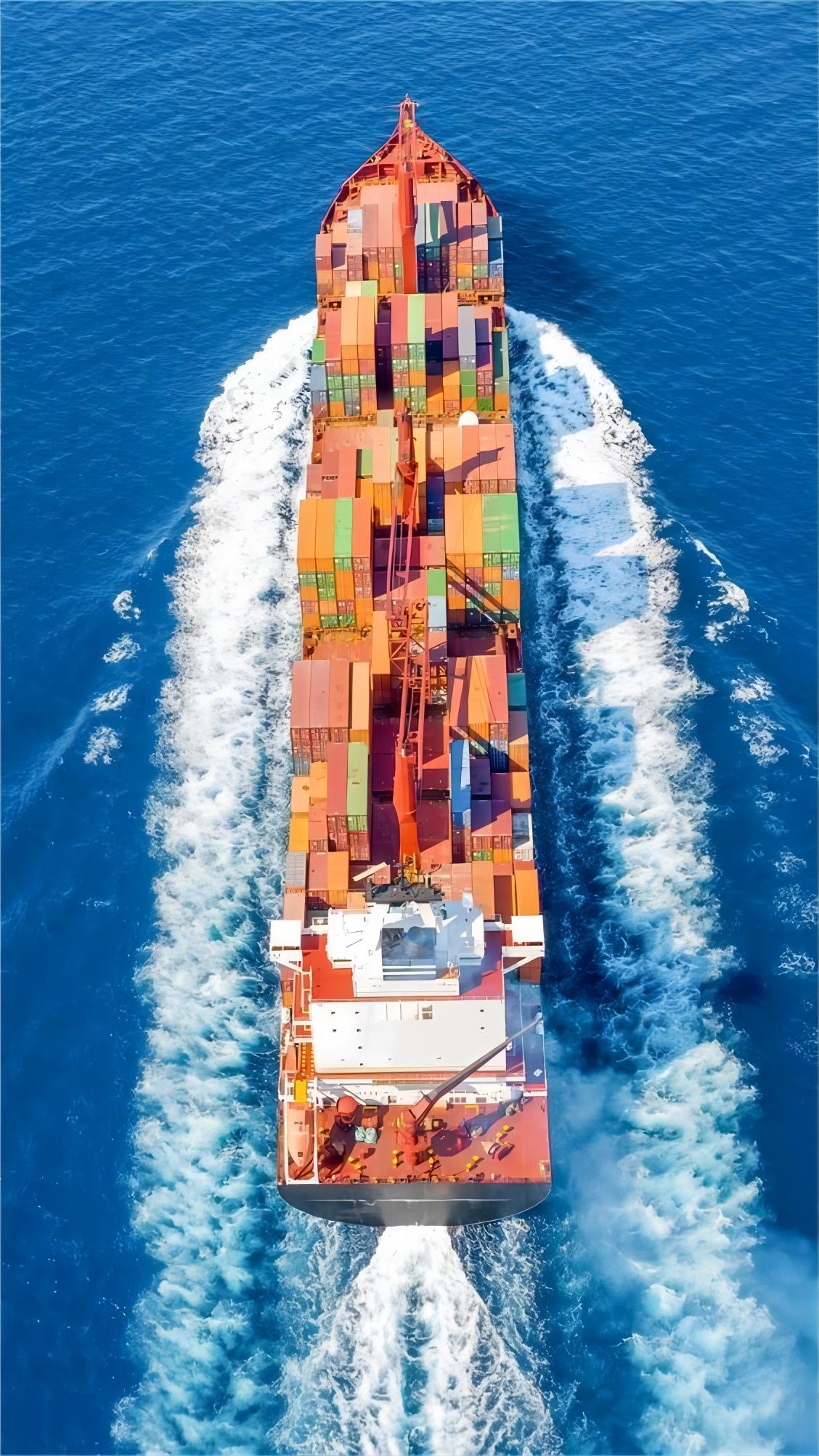
Full Container Load (FCL) shipping involves reserving an entire container for your cargo. Specifically, a 20GP (20-foot General Purpose) container measures approximately 20 feet long, 8 feet wide, and 8.5 feet high. It offers around 33 CBM (cubic meters) of usable space.
Choosing FCL for electronics is often preferred due to enhanced security and dedicated space. Your goods are sealed in one container, reducing handling and minimizing the risk of damage or theft. This is particularly vital for high-value and sensitive electronic components.
Furthermore, a 20GP container is a standard choice for medium-sized shipments of electronics. It provides sufficient volume for many businesses without the need for a larger 40-foot container. Consequently, it balances capacity with cost-efficiency for many importers.

Key Factors Influencing 20GP FCL Freight Rates from China to Seattle
Several dynamic factors dictate the 20GP FCL freight rate for electronics from China to Seattle. Understanding these elements is paramount for accurate budgeting and strategic planning. These rates are not static and can fluctuate significantly.
Firstly, global supply and demand for shipping capacity play a major role. During peak seasons, such as before major holidays or product launches, demand surges. This inevitably drives up freight rates.
Secondly, fuel costs (Bunker Adjustment Factor – BAF) and currency exchange rates (Currency Adjustment Factor – CAF) directly impact the final price. These surcharges are adjusted regularly by carriers. Consequently, they can add a substantial amount to the base ocean freight.
Moreover, port congestion at either the origin (e.g., Shanghai, Shenzhen) or destination (Seattle) can cause delays and additional fees. Geopolitical events and new trade regulations also introduce volatility into the shipping market. Therefore, staying informed about these external factors is essential.
How Do Shipping Costs Break Down for Electronics Cargo?
The overall 20GP FCL freight rate for electronics from China to Seattle comprises various components. Therefore, a clear breakdown helps in understanding where your money is going. This transparency aids in identifying potential cost-saving opportunities.
The primary cost is the ocean freight, which is the base rate charged by the carrier for transporting the container. Additionally, various surcharges are applied. These include BAF for fuel and CAF for currency fluctuations, as mentioned earlier.
Origin charges cover services at the loading port in China. These typically include Terminal Handling Charges (THC), documentation fees, and drayage (transportation of the container to the port). Similarly, destination charges apply upon arrival in Seattle.
At the destination, you will incur THC, drayage from the port to your warehouse, and customs clearance fees. Furthermore, specific customs duties and taxes for electronics, determined by HS codes and declared value, must be accounted for. These can vary significantly based on the product type and trade agreements.
| Cost Component | Range (USD) | Description |
|---|---|---|
| Ocean Freight | $1,500 – $2,200 | Base rate for container transport from China to Seattle. |
| BAF/CAF Surcharges | $200 – $400 | Adjustments for fuel prices and currency exchange rates. |
| Origin Charges | $300 – $500 | Terminal handling, drayage, and documentation fees in China. |
| Destination Charges | $400 – $600 | Port fees, drayage, and customs entry processing in Seattle. |
| Customs Duties & Taxes | Varies | Based on HS code, declared value, and specific electronic product. |
| Estimated Total | $2,400 – $3,700+ | Excludes specific duties and final local delivery charges. |
What are the Typical Transit Times for Electronics from China to Seattle?
Understanding transit times is just as critical as managing costs, especially for electronics with fast-paced market cycles. The journey from China to Seattle via 20GP FCL sea freight involves several stages. Each stage contributes to the overall delivery schedule.
Direct services from major Chinese ports like Shanghai, Ningbo, or Shenzhen to Seattle generally offer the fastest sea transit. Typically, port-to-port transit time ranges from 14 to 18 days. This is a significant advantage for West Coast destinations.
However, the total door-to-door time also includes pre-loading processes and post-arrival procedures. Booking, cargo consolidation, and export customs clearance at the origin usually add 3-5 days. Similarly, import customs clearance in Seattle takes another 2-4 days.
Finally, local delivery from the port to your final warehouse adds 1-3 days. Therefore, the total door-to-door delivery for your electronics can range from 20 to 30 days. Factors like port congestion, weather conditions, and customs efficiency can influence this timeline. Consequently, flexible planning is advisable.
| Stage | Estimated Days | Notes |
|---|---|---|
| Port to Port (Sea Transit) | 14 – 18 | Direct service from major China ports to Seattle. |
| Loading & Customs (Origin) | 3 – 5 | Time for booking, cargo preparation, and export clearance. |
| Customs Clearance (Seattle) | 2 – 4 | Processing import documentation and potential inspections. |
| Local Delivery (Seattle) | 1 – 3 | Drayage from port to final delivery address. |
| Total Door-to-Door | 20 – 30 | Overall time from supplier pickup to final receipt, subject to variables. |
How Does 20GP FCL Compare to Other Shipping Options for Electronics?
While 20GP FCL sea freight is a popular choice for electronics, it is not the only option. Businesses must weigh cost against speed and volume requirements. Consequently, understanding alternatives is vital for making informed logistics decisions.
This section objectively analyzes various shipping methods available from China to Seattle. Each method presents unique advantages and limitations. Therefore, selecting the right one depends on your specific business needs and cargo characteristics.
| Shipping Method | Cost Range (20GP Equivalent) | Transit Time | Best For | Limitations |
|---|---|---|---|---|
| 20GP FCL Sea Freight | $2,400 – $3,700 | 20 – 30 days | Large volume, non-urgent, cost-sensitive electronics | Slower than air, requires full container commitment |
| LCL Sea Freight | $100 – $180/CBM | 25 – 35 days | Smaller shipments (under 15 CBM), flexible volume | Slower, more handling, potential for delays due to consolidation |
| Air Freight (Standard) | $8,000 – $15,000+ | 5 – 10 days | Time-sensitive, high-value, lower volume electronics | Significantly higher cost, weight and volume restrictions |
| Express Service | $1,500 – $5,000+ (small pkg) | 2 – 5 days | Samples, urgent parts, very small packages | Very high cost for larger volumes, strict weight/size limits |
Air Freight for Electronics
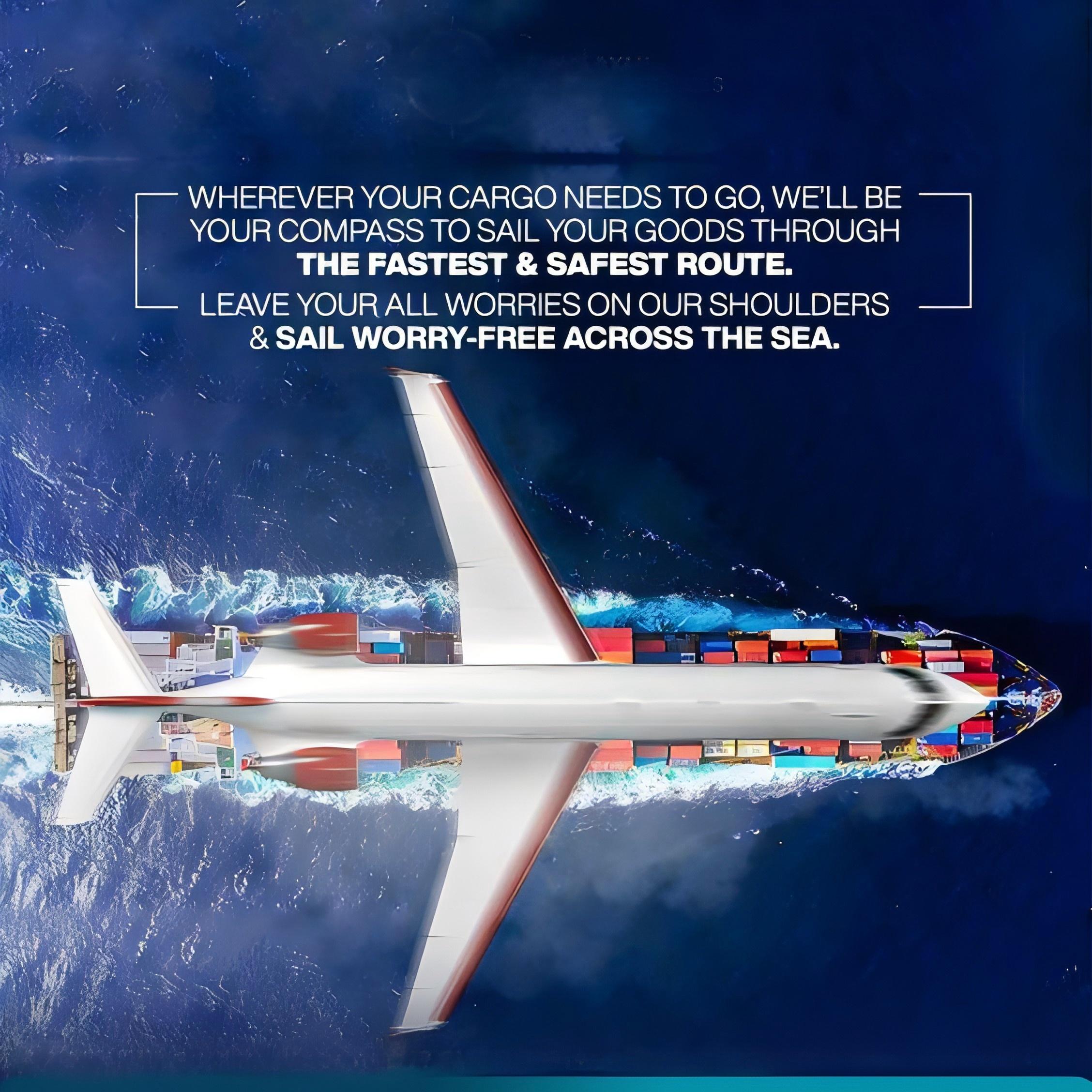
Air freight offers significantly faster transit times compared to sea freight. This makes it ideal for high-value, low-volume, or time-sensitive electronic components. For instance, new product launches or urgent spare parts often rely on air cargo.
However, the speed comes at a much higher cost. Air freight rates can be several times more expensive than FCL sea freight. Therefore, businesses must balance urgency with budget constraints when considering this option. Explore air freight options for your time-critical shipments.
LCL (Less than Container Load) Sea Freight for Electronics
LCL shipping is a cost-effective solution for smaller shipments that do not fill an entire container. Your cargo shares container space with other shippers’ goods. This means you only pay for the space you use, which is beneficial for volumes under 15 CBM.
Nevertheless, LCL shipments typically have longer transit times due to consolidation and deconsolidation processes at both origin and destination ports. There is also increased handling, which might pose a slightly higher risk for fragile electronics. Thus, it’s a trade-off between cost and speed/security.
For shipments where an entire 20GP FCL is too much, but air freight is too expensive, LCL presents a viable middle ground. It allows for flexibility in shipment size. Consider sea freight for substantial cost savings, including LCL options.
Express Service for Electronics
Express services, provided by integrators like DHL, FedEx, or UPS, offer the fastest door-to-door delivery. They are excellent for samples, prototypes, or very urgent, small packages of electronics. This method includes customs clearance and direct delivery.
However, express services are the most expensive option for anything beyond small parcels. Their pricing structure scales rapidly with weight and volume. Therefore, they are generally not suitable for bulk shipments of electronics. This option is primarily for urgent, critical components.
Which Shipping Option Should You Choose for Your Electronics Cargo?
Deciding on the best shipping method for your electronics from China to Seattle requires a strategic approach. Consider your priorities carefully. Ultimately, the optimal choice aligns with your business objectives and cargo specificities. This decision framework helps clarify the best path forward.
Budget Priority
If cost optimization is your primary concern, 20GP FCL sea freight is almost always the most economical option for bulk electronics. It provides significant savings compared to air freight, especially for larger volumes. Consequently, you can achieve better profit margins.
For smaller volumes, LCL sea freight can offer a budget-friendly alternative. However, always compare the per-CBM cost against a full 20GP container once your volume approaches 15 CBM. Often, the FCL option becomes more attractive around this threshold.
Speed Priority
When speed is paramount, particularly for critical components, product launches, or urgent stock replenishment, air freight is the undisputed choice. It dramatically reduces transit times, getting your electronics to market faster. This can provide a competitive edge.
For less urgent but still time-sensitive shipments, a direct FCL sea freight service remains a strong contender. Its 14-18 day port-to-port transit to Seattle is relatively fast for ocean shipping. Therefore, it offers a good balance if air freight costs are prohibitive.
Cargo Type Considerations
Fragile or high-value electronics benefit immensely from the dedicated space and reduced handling of an FCL container. This minimizes the risk of damage during transit. Additional internal packaging and cushioning are still recommended. This ensures maximum protection.
For extremely sensitive or high-value items, specialized air cargo services with climate control or enhanced security might be warranted. Conversely, robust, less fragile electronics can comfortably withstand the standard FCL sea freight journey. Always assess the vulnerability of your products.
Volume Thresholds for Switching Methods
As a general rule, if your electronics shipment exceeds 15 cubic meters (CBM), a 20GP FCL container often becomes more cost-effective than LCL. This is because the per-CBM cost for LCL can increase significantly for larger volumes. Therefore, monitor your shipment size closely.
For very small, urgent shipments, express services are ideal. However, as the weight or volume increases, the cost quickly escalates. Moving to air freight then becomes more economical. Finally, for substantial volumes, FCL sea freight offers the best value. This progressive shift optimizes your shipping strategy.
Navigating Customs and Compliance for Electronics Imports to Seattle
Importing electronics into the United States, specifically through Seattle, involves stringent customs regulations. Adhering to these rules is crucial to avoid delays, fines, or even seizure of your cargo. Therefore, thorough preparation is essential.
Firstly, accurate Harmonized System (HS) code classification for each electronic product is mandatory. This code determines the applicable duties and taxes. Misclassification can lead to significant issues. Consequently, expert assistance in this area is invaluable.
Electronics often require specific certifications, such as Federal Communications Commission (FCC) approval for devices that emit radio frequency energy. Ensuring all products comply with US safety and technical standards before shipment is paramount. This proactive approach prevents costly delays at the port.
Working with an experienced customs broker is highly recommended for electronics imports. They can navigate complex regulations, prepare necessary documentation, and facilitate smooth customs clearance. Emphasize the value of customs brokerage services for your electronics. This expertise streamlines the entire process.
Optimizing Your Electronics Supply Chain: Strategies and Tips
An optimized supply chain is vital for the success of any business dealing with electronics imports. Beyond just securing a good 20GP FCL freight rate for electronics from China to Seattle, strategic planning can yield substantial benefits. Consider these strategies to enhance efficiency.
Firstly, meticulous planning and forecasting are essential. Anticipate demand spikes and seasonal rate increases to book your containers well in advance. This proactive approach helps secure better rates and ensures capacity during busy periods. Therefore, early booking is often advantageous.
Secondly, choose a reliable and experienced freight forwarder. A good forwarder offers transparency, communication, and a strong network. This partnership is crucial for managing the complexities of international logistics. Look for partners with proven expertise in electronics.
Furthermore, consider cargo insurance for your high-value electronics. While FCL offers security, unforeseen events can occur. Insurance provides a financial safety net against loss or damage. This peace of mind is invaluable.
Finally, for seamless end-to-end delivery, leverage comprehensive door-to-door services. This minimizes your involvement in logistics, allowing you to focus on your core business. Learn more about comprehensive door-to-door solutions. A single point of contact simplifies the entire process, from factory to your warehouse.
Real-World Case Studies: 20GP FCL Electronics Shipments to Seattle
Examining real-world scenarios provides valuable insights into the practical aspects of shipping electronics via 20GP FCL from China to Seattle. These examples highlight typical costs, transit times, and key considerations. Consequently, they offer a clearer picture of what to expect.
Case Study 1: Shipping Consumer Electronics to Seattle
This case involved a client importing a substantial quantity of popular consumer electronics. The focus was on balancing cost-efficiency with reasonable transit times. A direct FCL service proved to be the optimal solution for their inventory needs. The shipment moved smoothly from origin to destination.
| Detail | Description |
|---|---|
| Route | Shenzhen, China -> Seattle, USA |
| Cargo | 15 CBM of consumer electronics (smartphones, accessories), 8,000 kg |
| Container | 20GP FCL |
| Shipping Details | Carrier: COSCO, Port of Loading: Shenzhen, Port of Discharge: Seattle, Route Type: Direct |
| Cost Breakdown (Q4 2024 rates) | Ocean Freight: $1,900; Origin Charges: $350; Destination Charges: $450; Customs & Duties (est.): $800; Total Landed Cost: $3,500 |
| Timeline | Booking to Loading: 4 days; Sea Transit: 16 days; Customs Clearance: 3 days; Total Door-to-Door: 23 days |
| Key Insight | Choosing a direct service minimized transit time and reduced handling risks for sensitive electronics, meeting their market schedule effectively. |
Case Study 2: Expedited Component Delivery for a Tech Startup
A tech startup required specialized electronic components for a production run. While the volume was moderate, the security and predictability of FCL were prioritized over the slight cost savings of LCL. This ensured timely and secure delivery of critical parts. The choice supported their manufacturing schedule.
| Detail | Description |
|---|---|
| Route | Shanghai, China -> Seattle, USA |
| Cargo | 12 CBM of specialized electronic components, 5,000 kg |
| Container | 20GP FCL (chosen over LCL for security and dedicated space) |
| Shipping Details | Carrier: MSC, Port of Loading: Shanghai, Port of Discharge: Seattle, Route Type: Direct |
| Cost Breakdown (Early 2025 rates) | Ocean Freight: $2,100; Origin Charges: $400; Destination Charges: $500; Customs & Duties (est.): $1,200; Total Landed Cost: $4,200 |
| Timeline | Booking to Loading: 5 days; Sea Transit: 17 days; Customs Clearance: 4 days; Total Door-to-Door: 26 days |
| Key Insight | Despite slightly higher FCL cost for 12 CBM, the enhanced security and reduced transit risk for high-value components justified the choice over LCL, ensuring product integrity. |
Case Study 3: Bulk Import of Small Electronic Gadgets
This scenario involved a larger volume of small, robust electronic gadgets where maximizing container utilization was key. Efficient loading and a smooth customs process contributed to an exceptionally fast door-to-door time. The client benefited from both good rates and quick turnover. This demonstrated effective logistics coordination.
| Detail | Description |
|---|---|
| Route | Ningbo, China -> Seattle, USA |
| Cargo | 25 CBM of small electronic gadgets (power banks, cables), 10,000 kg |
| Container | 20GP FCL (filled efficiently for maximum capacity) |
| Shipping Details | Carrier: Maersk, Port of Loading: Ningbo, Port of Discharge: Seattle, Route Type: Direct |
| Cost Breakdown (Q1 2025 market rates) | Ocean Freight: $1,850; Origin Charges: $320; Destination Charges: $480; Customs & Duties (est.): $950; Total Landed Cost: $3,600 |
| Timeline | Booking to Loading: 3 days; Sea Transit: 15 days; Customs Clearance: 2 days; Total Door-to-Door: 20 days |
| Key Insight | Effective cargo loading and a streamlined customs process at Seattle allowed for a very efficient total transit time for this volume of electronics, optimizing delivery. |
Conclusion
In conclusion, securing an optimal 20GP FCL freight rate for electronics from China to Seattle involves careful consideration of multiple factors. From ocean freight costs and transit times to customs compliance and choice of shipping method, each element plays a vital role. By strategically planning and leveraging expert logistics services, businesses can ensure efficient and reliable delivery of their electronic goods. We are here to help streamline your supply chain and provide competitive rates for your 20GP FCL electronics shipments.
Need a tailored shipping solution?
Understanding the intricacies of the 20GP FCL freight rate for electronics from China to Seattle can seem complex. Therefore, partnering with an experienced logistics provider is essential for a smooth and cost-effective shipping experience. Contact us today to receive a tailored quote and expert guidance for your next electronics shipment.