

40GP FCL Insurance for Electronics: China to Ireland Guide
Shipping high-value electronics from China to Ireland requires careful planning, especially regarding cargo protection. Ensuring your 40GP Full Container Load (FCL) is adequately insured is paramount for mitigating potential risks. This comprehensive guide, brought to you by Top China Forwarder, explores everything you need to know about securing your valuable goods.
✦
Understanding 40GP FCL Shipping for Electronics to Ireland
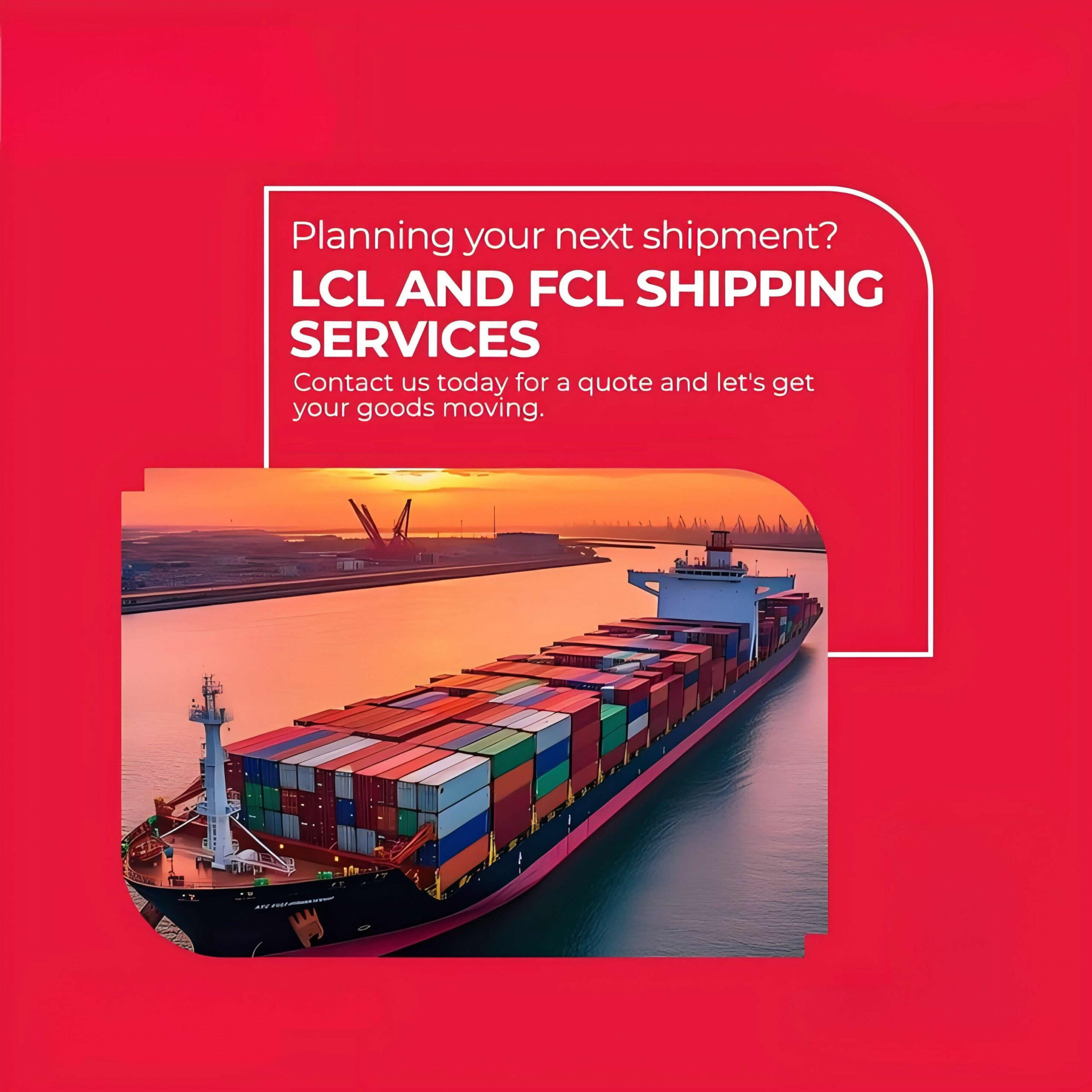
A 40GP (General Purpose) container is a standard 40-foot shipping container, ideal for transporting large volumes of goods. For electronics, opting for a Full Container Load (FCL) ensures your cargo occupies the entire container. This minimizes handling and reduces the risk of damage or contamination from other shipments.
Furthermore, direct FCL shipments often lead to faster transit times compared to Less than Container Load (LCL) options. This is particularly beneficial for time-sensitive electronics. Understanding container dimensions and weight limits is crucial for optimal loading and maximizing cost efficiency for your sea freight.
Why is Cargo Insurance Crucial for Electronics Shipments?
Electronics are inherently delicate and high-value, making them particularly vulnerable during international transit. Despite meticulous planning, unforeseen events can occur, ranging from accidents at sea to theft or damage during handling. Therefore, cargo insurance provides essential financial protection against these risks.
Moreover, carrier liability is often limited and may not cover the full value of your electronics. Investing in comprehensive marine cargo insurance ensures that your business is safeguarded against significant financial losses. This protection is vital for maintaining a healthy supply chain and business continuity.
Indeed, navigating global logistics without adequate insurance for high-value items like electronics is a considerable gamble. Proper insurance coverage offers peace of mind, allowing you to focus on your core business operations. It’s a proactive measure against unpredictable shipping challenges.
Types of 40GP FCL Insurance Coverage for Electronics
Several types of marine cargo insurance policies are available, each offering varying levels of protection. The most common types include ‘All Risks’ and ‘Named Perils’ coverage. ‘All Risks’ provides the broadest protection, covering all losses unless specifically excluded, which is ideal for electronics.
Conversely, ‘Named Perils’ coverage only insures against risks explicitly listed in the policy, such as fire, collision, or sinking. This option is generally less expensive but offers limited protection. For valuable electronics, the comprehensive nature of an ‘All Risks’ policy is highly recommended to cover a wider range of potential damages.
Additionally, it is important to understand the specific clauses, such as the Institute Cargo Clauses (ICC). ICC A offers the widest coverage, similar to ‘All Risks’. ICC B and C provide more restricted coverage, focusing on major perils. Always review policy details carefully to ensure adequate protection for your door to door electronics shipment.
Key Factors Influencing Insurance Costs for Electronics to Ireland
The cost of 40GP FCL insurance for electronics from China to Ireland is determined by several critical factors. Primarily, the declared value of the electronics significantly impacts the premium. Higher value cargo naturally incurs higher insurance costs due to increased potential payout in case of loss.
Furthermore, the specific type of electronics being shipped also plays a role. Fragile or high-demand items might have higher premiums. The chosen insurance coverage type, whether ‘All Risks’ or ‘Named Perils’, directly affects the price, with broader coverage costing more.
Additionally, the shipping route and carrier reputation can influence rates. Routes with historically higher risks, such as those prone to severe weather or piracy, may result in increased premiums. Ultimately, the insurer’s assessment of overall risk exposure dictates the final premium for protecting your valuable cargo.
How Does 40GP FCL Shipping Compare to Other Options?
When shipping electronics from China to Ireland, several methods are available, each with distinct advantages and disadvantages. Understanding these differences is crucial for making an informed decision. While 40GP FCL sea freight is often cost-effective for large volumes, other options might suit specific needs.
For instance, air freight offers speed, which is critical for urgent or high-value, time-sensitive electronics. However, the cost is significantly higher. Express services provide even faster transit but are generally limited to smaller, lighter packages. Rail freight is not a direct option for China to Ireland but can be part of a multimodal solution within Europe.
Therefore, evaluating your priorities, such as budget, speed, and cargo volume, will guide you toward the most appropriate shipping method. This comparison helps in optimizing your supply chain for electronics.
| Shipping Method | Cost Range (40GP/Equivalent) | Transit Time | Best For | Limitations |
|---|---|---|---|---|
| 40GP FCL Sea Freight | $3,000-4,500 | 30-38 days | Large volumes, cost-efficiency, non-urgent | Slow transit, port congestion risks |
| Air Freight (Large Cargo) | $15,000-25,000 | 5-7 days | Urgent, high-value, smaller volumes | High cost, volume/weight restrictions |
| Express Service (Parcel) | $500-2,000 (per 100kg) | 2-4 days | Small, urgent, high-value samples/prototypes | Very high cost per kg, strict size limits |
Customs Clearance and Import Duties for Electronics in Ireland
Navigating customs procedures for electronics entering Ireland from China is a critical step in the shipping process. Ireland, as an EU member, adheres to EU customs regulations. This means proper documentation and classification are essential to avoid delays and unexpected costs.
Importers must ensure accurate Harmonized System (HS) codes are used for their electronics. Incorrect classification can lead to penalties or incorrect duty assessments. Furthermore, VAT (Value Added Tax) will be applicable on imports, typically at 23% in Ireland, based on the customs value of the goods.
Engaging a reliable customs brokerage service is highly recommended to streamline this process. They can manage all necessary declarations, calculate duties, and ensure compliance with Irish and EU regulations. This proactive approach helps prevent costly delays for your electronics shipments.
Which Shipping Option Should You Choose for Your Electronics?
Deciding on the best shipping option for your electronics to Ireland depends on your specific business priorities. Each method offers a unique balance of cost, speed, and capacity. Therefore, a clear assessment of your needs is paramount.
If budget is your primary concern and you are shipping large quantities of electronics, 40GP FCL sea freight is typically the most economical choice. You can consolidate your goods and benefit from lower per-unit shipping costs. This method is ideal for regular stock replenishment.
Conversely, if speed is critical for your electronics, perhaps for new product launches or urgent replacements, air freight is superior. While more expensive, it significantly reduces transit times. For very small, urgent components or samples, an express service might be the most suitable option.
Consider hybrid solutions for maximum flexibility. For example, using sea freight for bulk stock and air freight for urgent, smaller orders can optimize your supply chain. Always weigh the trade-offs between cost, speed, and the value of your electronics.
Real-World Scenarios: 40GP FCL Electronics Shipments to Ireland
Examining actual case studies provides valuable insight into the complexities and solutions involved in shipping electronics. These examples highlight how different factors influence the overall logistics and insurance needs. They demonstrate practical applications of the strategies discussed.
These scenarios reflect typical challenges and successful approaches in the China-Ireland shipping lane. Based on Q3 2024 market rates, these examples offer realistic perspectives. They show the importance of robust planning and comprehensive insurance coverage for electronics.
Understanding these real-world applications can help you better prepare for your own international logistics needs. Each case provides actionable insights into managing your supply chain effectively. This includes navigating cost, transit times, and potential issues.
Case Study 1: Large Volume Consumer Electronics
A company importing consumer electronics (smartphones, tablets) needed to stock their Irish distribution center for the upcoming holiday season. They opted for a full container load due to the volume and desire for cost efficiency.
| Detail | Description |
|---|---|
| Route | Shenzhen, China -> Dublin, Ireland |
| Cargo | Consumer Electronics, 60 CBM, 10,000 kg |
| Container | 40GP FCL |
| Shipping Details | Carrier: MSC, Port of Loading: Yantian, Port of Discharge: Dublin, Route Type: Transshipment via Rotterdam |
| Cost Breakdown (Estimated) | Ocean Freight: $3,600, Origin Charges: $450, Destination Charges: $550, Customs & Duties (estimated): $5,000, Total Landed Cost: $9,600 |
| Timeline | Booking to Loading: 5 days, Sea Transit: 32 days, Customs Clearance: 3 days, Total Door-to-Door: 40 days |
| Key Insight | Comprehensive ‘All Risks’ insurance was crucial due to the high value and fragility of the electronics. Timely customs pre-clearance minimized port delays. |
Case Study 2: Industrial Electronic Components
An Irish manufacturer regularly imports industrial electronic components from Shanghai. They prioritize consistent supply and damage prevention for their sensitive parts. They chose a direct FCL service to minimize handling.
| Detail | Description |
|---|---|
| Route | Shanghai, China -> Cork, Ireland |
| Cargo | Industrial Electronic Components, 55 CBM, 8,500 kg |
| Container | 40GP FCL |
| Shipping Details | Carrier: COSCO, Port of Loading: Shanghai, Port of Discharge: Cork, Route Type: Direct (limited calls) |
| Cost Breakdown (Estimated) | Ocean Freight: $3,900, Origin Charges: $500, Destination Charges: $600, Customs & Duties (estimated): $4,500, Total Landed Cost: $9,500 |
| Timeline | Booking to Loading: 7 days, Sea Transit: 35 days, Customs Clearance: 2 days, Total Door-to-Door: 44 days |
| Key Insight | Choosing a reputable carrier with a good track record for sensitive cargo was paramount. Specific packing requirements for components were also insured. |
Final Thoughts on 40GP FCL Insurance for Electronics to Ireland
Shipping electronics via 40GP FCL from China to Ireland presents both opportunities and challenges. While sea freight offers significant cost advantages for bulk cargo, protecting your valuable investment through robust insurance is non-negotiable. Understanding the different insurance types, cost factors, and customs requirements is vital for a smooth process.
Furthermore, leveraging the expertise of a seasoned freight forwarder like <a href=”https://topchinaforwarder.com/shipping-from-china-to-europe/”>Top China Forwarder</a> can simplify complex logistics. They can provide tailored solutions, from choosing the right insurance policy to managing customs clearance and door-to-door delivery. Ultimately, proactive risk management and informed decision-making ensure the safe and timely arrival of your electronics shipments.