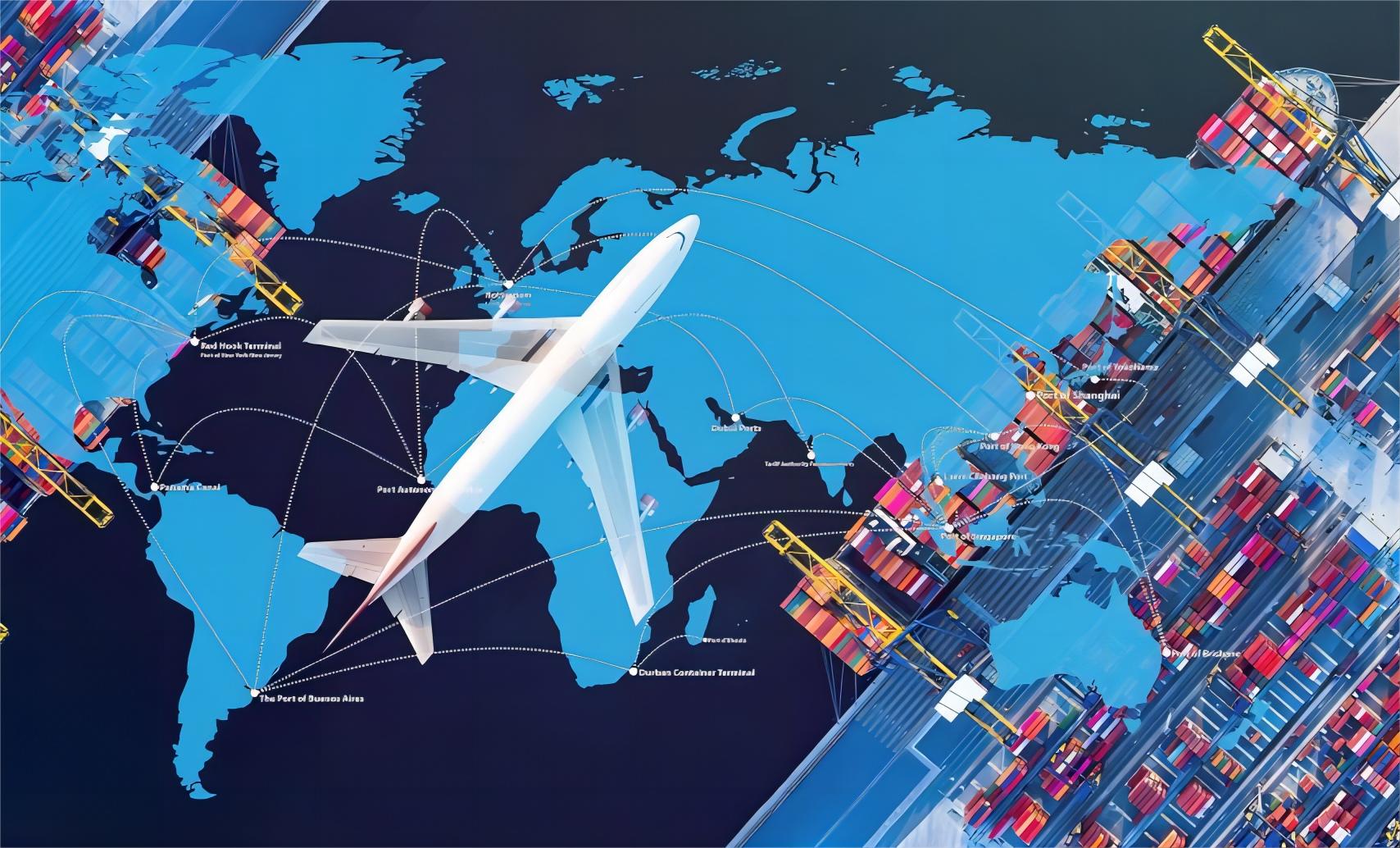
Container Shortage Solution for FCL Shipping from China to Los Angeles
The persistent container shortage significantly complicates FCL shipping from China to Los Angeles, creating unprecedented challenges for businesses worldwide. This situation leads to increased freight rates, extended transit times, and disrupted supply chains. Fortunately, strategic planning and expert partnerships can provide a robust solution to navigate these complexities, ensuring your cargo reaches its destination efficiently.
Understanding the FCL Container Shortage Challenge
The global container shortage has profoundly impacted FCL shipping from China to Los Angeles. This scarcity is primarily driven by pandemic-related disruptions, port congestion, and an uneven distribution of empty containers. Consequently, businesses face higher costs and unpredictable delivery schedules.
Moreover, the imbalance means that while demand for goods from China remains high, the return of empty containers is often delayed. This creates a vicious cycle, exacerbating the problem at key export hubs. Therefore, understanding these root causes is the first step towards finding effective solutions.
Indeed, securing a full container load (FCL) for the China-LA route has become a competitive endeavor. Many shippers find themselves struggling to reserve space or facing last-minute cancellations. This volatility necessitates a proactive approach to logistics management and freight forwarding.
Strategic Solutions for FCL Shipping from China to Los Angeles
Addressing the container shortage requires a multi-faceted approach, focusing on flexibility and foresight. Early booking is paramount; securing your container well in advance can mitigate the risk of last-minute availability issues. Furthermore, consider flexible shipping dates to take advantage of off-peak rates and better container access.
Additionally, exploring alternative ports of loading in China, beyond the usual Shenzhen or Shanghai, can sometimes reveal more available containers. Although it might involve extra inland transport, this strategy can significantly reduce waiting times. Similarly, being open to different container sizes, such as a 20GP instead of a 40HQ, can expand your options.
Moreover, collaborating with a reliable freight forwarder is crucial. A forwarder with strong relationships with multiple carriers can often secure containers when others cannot. They possess the market intelligence to identify less congested routes and ports, thereby optimizing your sea freight operations.
Leveraging Advanced Logistics Networks
A robust logistics network is indispensable in navigating current market conditions. Forwarders with extensive global reach and local expertise in both China and the US can offer unparalleled advantages. They can consolidate cargo efficiently, manage documentation, and provide real-time tracking.
Furthermore, these networks allow for dynamic route adjustments, crucial when facing unexpected port delays or congestion. By having multiple options, your supply chain remains resilient. This proactive management minimizes disruptions and keeps your goods moving towards Los Angeles.
How Does FCL Shipping Compare to Other Options?
While FCL remains the preferred method for large volumes, understanding its alternatives is key to a comprehensive container shortage solution for FCL shipping from China to Los Angeles. Each method presents different trade-offs in terms of cost, speed, and capacity. Therefore, a careful evaluation is essential for informed decision-making.
For instance, Less than Container Load (LCL) shipping offers flexibility for smaller volumes. Although it might have longer transit times due to consolidation, it can be a viable option when FCL containers are scarce. On the other hand, air freight provides unmatched speed but at a significantly higher cost.
Considering hybrid solutions, such as sea-air, can also be beneficial for specific cargo types. This involves shipping by sea to an intermediate hub and then by air to the final destination. While not directly China to LA, it illustrates creative problem-solving in logistics.
| Shipping Method | Cost Range (40HQ China-LA) | Transit Time (China-LA) | Best For | Limitations |
|---|---|---|---|---|
| FCL Sea Freight | $2,800 – $3,800 | 14-18 days | Large volumes, cost-efficiency | Container availability, port congestion |
| LCL Sea Freight | $50 – $80 per CBM | 20-30 days | Smaller volumes (under 15 CBM), budget-conscious | Longer transit, potential for damage, consolidation delays |
| Air Freight | $15,000 – $25,000 | 3-7 days | High-value, urgent, perishable goods | High cost, weight/volume restrictions, environmental impact |
Optimizing Your Supply Chain for Resilience
Developing a resilient supply chain is critical in the face of ongoing container shortages. This involves more than just finding a container; it encompasses demand forecasting, inventory management, and strategic partnerships. Consequently, businesses can minimize their exposure to market fluctuations and logistical bottlenecks.
Implementing robust demand forecasting models helps anticipate future shipping needs, allowing for earlier bookings and better resource allocation. Furthermore, maintaining a safety stock of inventory can buffer against unexpected delays, preventing stockouts and customer dissatisfaction. This proactive approach supports continuous operations.
Moreover, diversifying your supplier base can reduce reliance on a single region or factory, thereby mitigating risks associated with localized disruptions. This strategy enhances flexibility and ensures access to goods even during challenging times. Always review your logistics partners regularly.
The Role of Customs Brokerage
Efficient customs clearance is a pivotal component of any successful shipping operation, especially when facing supply chain pressures. Delays at customs can negate any gains made in securing containers or optimizing routes. Therefore, partnering with expert customs brokerage services is indispensable.
A skilled customs broker ensures all documentation is accurate and compliant with US regulations, preventing costly errors and hold-ups. They can navigate complex tariffs, duties, and import requirements, facilitating a smooth transition of goods into the United States. This expertise accelerates delivery schedules.
Furthermore, a professional broker can advise on trade compliance, helping businesses avoid penalties and optimize duty payments. This support is invaluable for maintaining a streamlined and compliant import process from China to Los Angeles, ultimately enhancing overall efficiency.
Real-World Success: Case Studies in FCL Shipping
Examining real-world scenarios highlights how businesses successfully navigate the container shortage for FCL shipping from China to Los Angeles. These examples demonstrate the practical application of strategic planning and reliable partnerships. Each case offers valuable insights into overcoming common obstacles.
Case Study 1: High-Volume Seasonal Goods
This client, a retailer of seasonal home decor, faced severe container availability issues during peak season. Their strategy focused on early booking and utilizing multiple ports of loading in China. This proactive approach ensured their goods arrived in time for critical sales periods.
| Detail | Description |
|---|---|
| Route | Ningbo, China -> Los Angeles, USA |
| Cargo | Seasonal Home Decor, 60 CBM, 8,000 kg |
| Container | 2 x 40HQ |
| Shipping Details | Major carrier (e.g., COSCO), Direct route |
| Ocean Freight (Est. Q3 2024) | $3,500 per 40HQ |
| Origin Charges | $450 |
| Destination Charges | $600 |
| Customs & Duties (est.) | $1,200 |
| Total Landed Cost (est.) | $9,250 |
| Booking to Loading | 10 days |
| Sea Transit | 16 days |
| Customs Clearance | 3 days |
| Total Door-to-Door | 29 days |
| Key Insight | Early booking 6 weeks in advance secured containers despite peak season demand. |

Case Study 2: Industrial Components with Tight Deadlines
A manufacturer of industrial components required a consistent flow of parts to their assembly plant in California. They opted for a long-term contract with a forwarder offering guaranteed space, coupled with flexible delivery options. This mitigated risks associated with fluctuating spot rates and availability.
| Detail | Description |
|---|---|
| Route | Qingdao, China -> Los Angeles, USA |
| Cargo | Industrial Machine Parts, 25 CBM, 15,000 kg |
| Container | 1 x 20GP |
| Shipping Details | Major carrier (e.g., Maersk), Direct service |
| Ocean Freight (Est. Q1 2025) | $2,000 per 20GP |
| Origin Charges | $300 |
| Destination Charges | $400 |
| Customs & Duties (est.) | $800 |
| Total Landed Cost (est.) | $3,500 |
| Booking to Loading | 7 days |
| Sea Transit | 18 days |
| Customs Clearance | 2 days |
| Total Door-to-Door | 27 days |
| Key Insight | Prioritized guaranteed space over lowest spot rate, ensuring supply chain continuity. Consider door to door service for seamless delivery. |
Case Study 3: E-commerce Goods with Volume Fluctuations
An e-commerce business shipping various consumer goods experienced significant volume fluctuations. They adopted a strategy of combining FCL for their core products with LCL for smaller, less time-sensitive shipments. This hybrid approach optimized costs and ensured inventory levels were maintained.
| Detail | Description |
|---|---|
| Route | Shenzhen, China -> Long Beach, USA |
| Cargo | Consumer Electronics, 45 CBM, 6,000 kg |
| Container | 1 x 40HQ (FCL) + 5 CBM (LCL) |
| Shipping Details | Major carrier (e.g., MSC), Transshipment via Busan for LCL |
| Ocean Freight (Est. Q2 2025) FCL | $3,200 per 40HQ |
| Ocean Freight (Est. Q2 2025) LCL | $350 (5 CBM) |
| Origin Charges | $500 |
| Destination Charges | $700 |
| Customs & Duties (est.) | $1,500 |
| Total Landed Cost (est.) | $6,250 |
| Booking to Loading | 12 days (FCL), 15 days (LCL) |
| Sea Transit | 17 days (FCL), 25 days (LCL) |
| Customs Clearance | 4 days |
| Total Door-to-Door | 33 days (FCL), 44 days (LCL) |
| Key Insight | Flexible approach using both FCL and LCL optimized costs and managed varied shipment sizes. For urgent smaller shipments, air freight is an option. |
Navigating Market Volatility and Future Outlook
The global shipping market remains dynamic, with rates and container availability subject to various influences. Seasonal patterns, geopolitical events, and even weather conditions can significantly impact logistics trends. Consequently, staying informed about market intelligence is crucial for proactive decision-making.
According to industry benchmarks, freight rates typically increase by 15-25% during August-October peak season for North America routes. Moreover, events like the Lunar New Year in China or major holidays in the US can lead to reduced capacity and higher prices. Therefore, planning around these periods is essential.
Looking ahead, while the acute container shortage has eased from its peak, underlying structural issues persist. Port infrastructure, labor availability, and geopolitical tensions continue to influence supply chain stability. Businesses must therefore build resilience into their logistics strategies.
Cost-Saving Strategies in a Volatile Market
Despite market volatility, several strategies can help manage shipping costs. Negotiating long-term contracts with freight forwarders can provide more stable freight rates compared to spot market purchases. This offers predictability and budget control.
Furthermore, optimizing container loading, maximizing space utilization, and minimizing empty space can reduce per-unit shipping costs. Consolidating multiple smaller orders into a single FCL shipment is another effective method. These measures contribute to overall cost efficiency.
Finally, exploring different Incoterms can also shift cost and risk responsibilities, potentially leading to savings depending on your operational capabilities. Always discuss these options with your logistics partner to identify the most advantageous approach.
Which Option Should You Choose? A Decision Framework
Choosing the optimal shipping solution for your FCL cargo from China to Los Angeles depends on several critical factors. A clear decision framework helps align your logistics strategy with your business objectives. Consider your budget, urgency, cargo characteristics, and volume thresholds.
If budget is your primary priority, FCL sea freight with flexible booking dates often provides the most economical solution. However, if speed is paramount for urgent deliveries, air freight, despite its higher cost, becomes the only viable option. Prioritizing speed over cost is a common trade-off.
For cargo type considerations, fragile or high-value goods might benefit from direct FCL routes to minimize handling, even if it costs slightly more. Conversely, durable, low-value items can tolerate longer transit times and potentially transshipment routes. Volume thresholds are also crucial: for shipments exceeding 15 CBM, FCL is almost always more cost-effective than LCL.
Securing Your Supply Chain Amidst Container Shortages
Successfully navigating the container shortage for FCL shipping from China to Los Angeles demands a combination of proactive planning, strategic partnerships, and adaptability. By understanding market dynamics and leveraging diverse shipping options, businesses can mitigate risks and maintain efficient operations.
Indeed, the long-term solution lies in building resilient supply chains supported by experienced logistics providers. Partnering with a knowledgeable freight forwarder like Top China Forwarder ensures your cargo moves reliably and cost-effectively, even in challenging times. This strategic approach turns logistical hurdles into manageable processes.
Get Your Shipping Quote Today
Are you struggling with the container shortage for FCL shipping from China to Los Angeles? Our experts are ready to provide tailored solutions and competitive quotes. Contact us today to optimize your supply chain and ensure reliable delivery.
Request Quote