20GP FCL Space Availability for Textiles from China to Spain: Your Guide
Securing reliable 20GP FCL space availability for textiles from China to Spain is a critical challenge for many businesses today. The dynamic global logistics landscape often presents complexities, impacting both transit times and shipping costs. This comprehensive guide, brought to you by Top China Forwarder, aims to demystify the process and provide actionable strategies for your textile shipments.

What is 20GP FCL and Why is it Crucial for Textile Shipments?
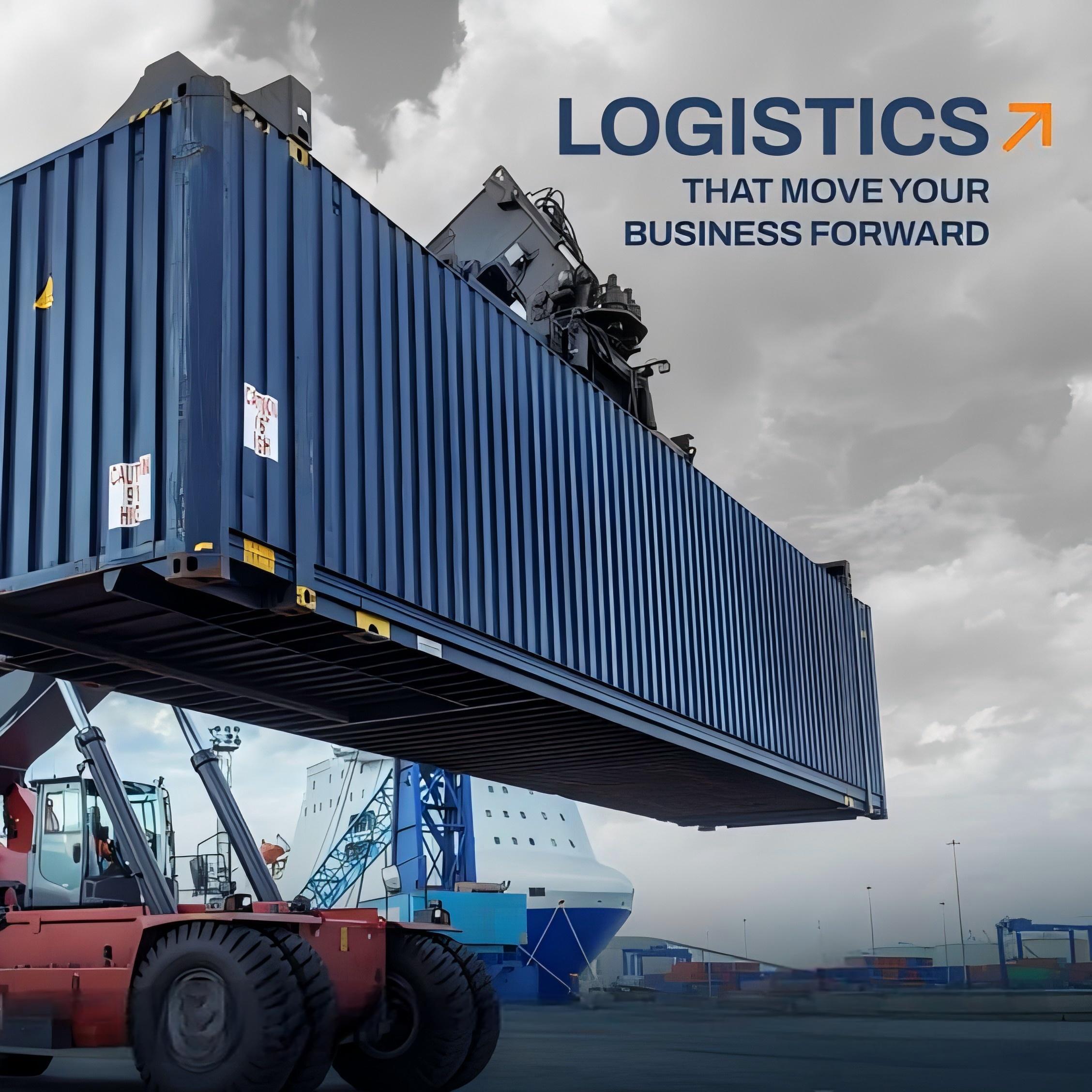
A 20GP FCL refers to a 20-foot general purpose full container load, a standard unit for international sea freight. This container type measures approximately 20 feet in length, 8 feet in width, and 8.5 feet in height, offering a total capacity of around 33 CBM (cubic meters). It is specifically designed to carry a single shipper’s goods, ensuring exclusive use of the container space.
For textile products, using a 20GP FCL is often the most economical and secure option, especially for medium-sized shipments. It minimizes handling, reduces the risk of damage, and provides better control over the entire shipping process. Consequently, understanding 20GP FCL space availability for textiles from China to Spain is paramount for efficient supply chain management.

Navigating 20GP FCL Space Availability from China to Spain
The availability of 20GP FCL containers on the China to Spain route is influenced by several external factors. These include global trade volumes, seasonal demand, port congestion at major hubs like Shanghai, Ningbo, and Shenzhen, and unforeseen events such as geopolitical tensions or natural disasters. Therefore, monitoring these logistics trends is essential for textile importers.
Typically, peak shipping seasons, such as before major holidays like Chinese New Year or during the Q3-Q4 period for pre-Christmas stock, can significantly reduce container availability. During these times, securing 20GP FCL space for textiles from China to Spain becomes more competitive, often leading to higher freight rates and extended transit times. Planning ahead is consequently a key strategy.
Key Factors Influencing Freight Rates and Transit Times
Several elements contribute to the overall shipping costs and transit times for your 20GP FCL textile shipments. These include the origin port in China, the destination port in Spain (e.g., Valencia, Barcelona, Algeciras), the chosen shipping carrier, and current market demand. Fuel surcharges and carrier capacity also play a significant role in determining final freight rates.
Transit times for sea freight from China to Spain typically range from 28 to 35 days for direct services. However, routes involving transshipment via intermediate ports can extend this to 40-45 days. Understanding these variables helps in better planning and managing expectations for your delivery schedule.
Origin and destination charges, such as Terminal Handling Charges (THC), documentation fees, and customs clearance costs, add to the base ocean freight. Moreover, inland transportation within China and Spain (drayage) contributes significantly to the total landed cost. Comprehensive logistics planning considers all these components.
| Factor | Impact on Cost | Impact on Transit Time | Notes |
|---|---|---|---|
| Peak Season | High (15-25% increase) | Moderate (5-10 days delay) | Before CNY, Q3-Q4 for textiles |
| Port Congestion | Moderate to High | Significant (days to weeks) | Major Chinese ports, European hubs |
| Carrier Choice | Varied | Varied (direct vs. transshipment) | Premium carriers offer faster, costlier services |
| Fuel Surcharges | Moderate | Minimal | Fluctuates with crude oil prices |
| Route Type | Moderate (direct costs more) | Significant (direct is faster) | Direct routes avoid intermediate stops |
How Does 20GP FCL Compare to Other Shipping Options?
When importing textiles from China to Spain, businesses have several shipping methods to consider, each with distinct advantages and disadvantages. While 20GP FCL is often preferred for its cost-effectiveness for larger volumes, exploring alternatives like LCL, air freight, and rail freight is crucial for optimizing your supply chain based on specific needs.
Choosing the right method depends on your priorities: budget, speed, cargo volume, and the urgency of your textile delivery. For instance, time-sensitive fashion items might justify a faster, albeit more expensive, option. Conversely, bulk fabric orders benefit from the economies of scale offered by FCL sea freight.
| Shipping Method | Cost Range (20GP Equivalent) | Transit Time (China to Spain) | Best For | Limitations |
|---|---|---|---|---|
| 20GP FCL Sea Freight | $1,800 – $2,500 | 28 – 35 days | Medium to large textile volumes, cost-sensitive goods | Slower transit, port congestion risks |
| LCL Sea Freight | $500 – $1,200 (per CBM) | 35 – 45 days | Small textile volumes (under 15 CBM), flexible quantities | More handling, longer transit due to consolidation, higher per-CBM cost |
| Air Freight | $8,000 – $15,000 | 3 – 7 days | High-value, urgent, time-sensitive fashion goods | Very high cost, strict weight/volume limits |
| Rail Freight | $4,000 – $6,000 | 18 – 25 days | Mid-range urgency, heavier goods, less carbon footprint | Less flexible routes, limited capacity compared to sea, potential border delays |

Optimizing Your Textile Shipments: Strategies for Securing Space and Saving Costs
To effectively manage 20GP FCL space availability for textiles from China to Spain, proactive strategies are indispensable. Booking your container space well in advance, especially during peak seasons, can significantly improve your chances of securing preferred sailing schedules and more favorable freight rates. This foresight helps avoid last-minute surcharges.
Developing strong relationships with reliable freight forwarders is another critical step. Experienced partners can leverage their network and expertise to find optimal routes and carriers, even when capacity is tight. They can also offer valuable insights into market conditions and upcoming logistics trends.
Consider flexible shipping dates if possible. Shipping during off-peak periods can lead to substantial savings and better container availability. Additionally, optimizing your cargo handling and packing within the 20GP FCL can maximize space utilization, thus reducing per-unit shipping costs for your textile products.
The Role of Customs Brokerage and Documentation
Seamless customs brokerage is vital for timely textile imports into Spain. Accurate and complete documentation, including commercial invoices, packing lists, bills of lading, and certificates of origin, prevents costly delays and penalties. Textile import regulations in Spain require careful attention to detail, including tariff codes and any specific declarations for fabric composition or hazardous materials.
A proficient customs broker can navigate the complexities of Spanish customs, ensuring compliance with local laws and expediting the clearance process. This expertise minimizes risks associated with cargo handling and helps maintain your delivery schedule. Furthermore, they can assist with duty and tax calculations, providing a clearer picture of your total import costs.
Real-World Scenarios: Securing 20GP FCL Space for Textiles
Understanding how these strategies play out in real scenarios can provide practical insights. These case studies illustrate the nuances of securing 20GP FCL space for textiles from China to Spain, highlighting both challenges and successful outcomes. They underscore the importance of planning and professional support.
Based on Q3 2024 market rates, these examples reflect typical challenges and solutions in the China-Europe shipping lane. Rates can fluctuate, so always seek a current quote. These scenarios demonstrate the value of proactive logistics management.
Case Study 1: Urgent Apparel Shipment to Barcelona
| Detail | Value |
|---|---|
| Route | Ningbo, China -> Barcelona, Spain |
| Cargo | Fashion Apparel (seasonal collection), 28 CBM, 9,500 kg |
| Container | 20GP FCL |
| Shipping Details | Carrier: COSCO, Port of Loading: Ningbo, Port of Discharge: Barcelona, Route Type: Direct |
| Cost Breakdown | Ocean Freight: $2,100, Origin Charges: $350, Destination Charges: $400, Customs & Duties (est): $700, Total Landed Cost: $3,550 |
| Timeline | Booking to Loading: 7 days, Sea Transit: 30 days, Customs Clearance: 3 days, Total Door-to-Door: 40 days |
| Key Insight | Early booking (4 weeks in advance) secured direct route despite moderate peak season demand, ensuring timely arrival for retail launch. |
Case Study 2: Bulk Fabric Rolls to Valencia with Cost Optimization
| Detail | Value |
|---|---|
| Route | Shenzhen, China -> Valencia, Spain |
| Cargo | Polyester Fabric Rolls, 32 CBM, 12,000 kg |
| Container | 20GP FCL |
| Shipping Details | Carrier: MSC, Port of Loading: Shenzhen, Port of Discharge: Valencia, Route Type: Transshipment via Port Klang |
| Cost Breakdown | Ocean Freight: $1,850, Origin Charges: $320, Destination Charges: $380, Customs & Duties (est): $650, Total Landed Cost: $3,200 |
| Timeline | Booking to Loading: 10 days, Sea Transit: 38 days, Customs Clearance: 4 days, Total Door-to-Door: 52 days |
| Key Insight | Opting for a transshipment route during a stable market period saved 10% on ocean freight, trading speed for cost-effectiveness, suitable for non-urgent bulk goods. |
Case Study 3: Overcoming Congestion for Home Textiles to Madrid
| Detail | Value |
|---|---|
| Route | Qingdao, China -> Madrid, Spain (via Algeciras) |
| Cargo | Home Textiles (bedding sets), 25 CBM, 8,000 kg |
| Container | 20GP FCL |
| Shipping Details | Carrier: Maersk, Port of Loading: Qingdao, Port of Discharge: Algeciras, Route Type: Direct (with rail onward to Madrid) |
| Cost Breakdown | Ocean Freight: $2,250, Origin Charges: $370, Destination Charges: $450, Inland Rail Spain: $600, Customs & Duties (est): $800, Total Landed Cost: $4,470 |
| Timeline | Booking to Loading: 8 days, Sea Transit: 32 days, Customs Clearance: 2 days, Inland Rail: 3 days, Total Door-to-Door: 45 days |
| Key Insight | Utilizing a major carrier with strong European network and combined sea-rail solution mitigated potential delays at congested ports, ensuring efficient final delivery to an inland destination. Typical rates as of early 2025. |
Ensuring Smooth Delivery: Documentation, Customs, and Door-to-Door Service
Beyond securing 20GP FCL space availability for textiles from China to Spain, managing the journey from port to final destination is crucial. Accurate documentation is the bedrock of smooth international trade. Key documents include the Commercial Invoice, Packing List, Bill of Lading, Certificate of Origin, and any textile-specific import permits or declarations required by Spanish authorities.
Customs clearance procedures in Spain can be complex, particularly for textile imports which may be subject to specific duties, anti-dumping measures, or quality standards. Partnering with a freight forwarder that offers comprehensive door-to-door service can simplify this process significantly. This integrated approach covers everything from ex-works pickup in China to final delivery at your warehouse in Spain.
A reliable door-to-door service manages all logistics, including customs declarations, duties, taxes, and final mile delivery. This minimizes the administrative burden on your business and reduces the risk of unexpected delays or additional costs. Ultimately, it provides a seamless and worry-free shipping experience for your valuable textile cargo.
Which Option Should You Choose for Your Textile Shipments?
Deciding on the optimal shipping method for your textile imports requires a clear understanding of your business priorities. This framework helps you weigh the trade-offs between cost, speed, and other critical factors. Consider these criteria before making your final decision.
Ultimately, the best choice for securing 20GP FCL space availability for textiles from China to Spain often involves a tailored approach. A trusted logistics partner can help you navigate these complexities and recommend the most suitable solution based on your specific requirements and current market conditions.
| Priority | Recommendation | Considerations |
|---|---|---|
| Budget First | 20GP FCL Sea Freight (transshipment) | Longer transit times, less urgent goods, bulk orders of standard textiles. |
| Speed Critical | Air Freight or Rail Freight | High-value fashion, seasonal collections, urgent replenishment. Significantly higher cost. |
| Mid-Range Urgency/Budget | 20GP FCL Sea Freight (direct) | Good balance of cost and speed for most textile types. Book well in advance. |
| Small Volumes (under 15 CBM) | LCL Sea Freight | Cost-effective for smaller textile quantities, but expect longer transit and more handling. |
| Volume Threshold | FCL for >15 CBM, LCL for <15 CBM | FCL becomes more economical per unit for larger volumes. LCL for smaller, flexible orders. |
Conclusion
Effectively managing 20GP FCL space availability for textiles from China to Spain requires a blend of strategic planning, market awareness, and reliable partnerships. While challenges like peak seasons and port congestion persist, proactive booking, selecting appropriate shipping methods, and optimizing documentation can significantly streamline your supply chain.
By understanding the nuances of freight rates, transit times, and customs procedures, businesses can make informed decisions that enhance efficiency and reduce costs. Ultimately, partnering with an experienced freight forwarder is key to navigating these complexities and ensuring the consistent, timely delivery of your textile products from China to Spain.
Ready to streamline your logistics?
Are you ready to secure reliable 20GP FCL space availability for textiles from China to Spain? Contact us today for a personalized quote and expert guidance. Our team is prepared to optimize your shipping strategy and ensure seamless delivery for your textile imports.
Request Quote