

Comprehensive Guide to Insurance for FCL Shipping from China to USA
Importing goods via Full Container Load (FCL) from China to the USA involves significant investments and inherent risks. Therefore, protecting your cargo with robust insurance for FCL shipping from China to USA is absolutely crucial. Top China Forwarder provides comprehensive solutions to safeguard your valuable shipments throughout their journey.

What is FCL Shipping Insurance and Why is it Necessary?
FCL shipping insurance, often referred to as marine cargo insurance, protects goods transported in a full container from China to the USA. This specialized insurance covers potential losses or damages that may occur during transit, providing vital financial security.
Indeed, the journey across the Pacific involves numerous risks, including natural disasters, accidents, theft, and mishandling. Consequently, without adequate coverage, businesses face substantial financial setbacks if their cargo is compromised, underscoring the necessity of robust protection.
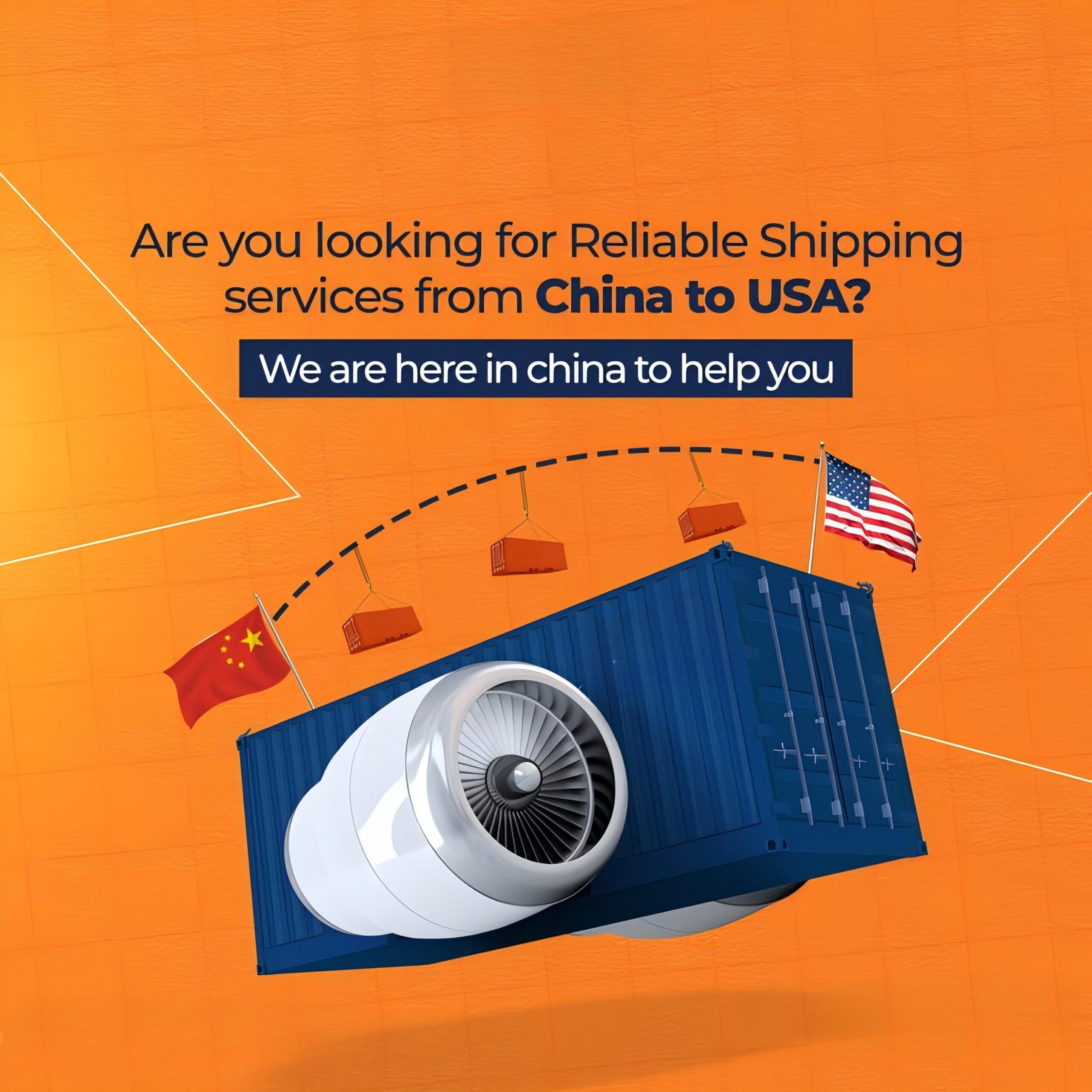
Furthermore, standard carrier liability is often limited and may not cover the full value of your goods. Therefore, securing independent cargo insurance ensures that your investment is fully protected against unforeseen circumstances, offering peace of mind.

Understanding the Critical Risks in FCL Shipping from China to USA
The long voyage from China to the USA presents a myriad of potential hazards for FCL shipments. For instance, severe weather conditions, such as typhoons or hurricanes, can cause containers to shift or even be lost overboard, leading to significant damage.
Moreover, incidents like vessel collisions, groundings, or fires are unfortunate realities in global shipping. These events can result in catastrophic losses, impacting not only the cargo but also the entire supply chain and delivery schedule.
Additionally, theft and piracy, while less common on major routes, remain genuine concerns, particularly in certain maritime areas. Furthermore, improper handling during loading, unloading, or transshipment can also lead to cargo damage, making comprehensive coverage essential for US imports.
Key Types of Cargo Insurance for FCL Shipments
Selecting the appropriate type of cargo insurance is paramount for effective risk management. Generally, two main categories exist: ‘All-Risk’ and ‘Named Perils’ coverage, each offering different levels of protection for your FCL cargo.
All-Risk insurance provides the broadest coverage, protecting against all external causes of loss or damage, except for explicitly excluded perils. This comprehensive option is highly recommended for most FCL shipments due to its extensive protection.
Conversely, Named Perils insurance, also known as ‘Free of Particular Average’ (FPA) or ‘With Average’ (WA), covers only specific risks explicitly listed in the policy. While often more affordable, it offers less protection and requires careful review of the covered perils.
You should also consider ‘Warehouse to Warehouse’ coverage, which extends protection beyond the ocean transit. This ensures your goods are insured from the moment they leave the factory in China until they reach their final destination in the USA, including any inland transportation.
Furthermore, understanding the Incoterms (International Commercial Terms) used in your sales contract is vital. These terms dictate who is responsible for insuring the goods at various points in the journey, directly impacting your insurance needs and potential liabilities.

Factors Influencing Your FCL Shipping Insurance Costs
Several variables determine the premium for insurance for FCL shipping from China to USA. Firstly, the declared value of your goods is a primary factor; higher value cargo naturally incurs higher insurance costs.
Secondly, the type of commodity being shipped also plays a significant role. Fragile, perishable, or high-value items, for example, typically have higher premiums due to their increased susceptibility to damage or theft during transit.
Moreover, the chosen shipping route and transit time can influence rates. Routes with historically higher risks, perhaps due to weather patterns or geopolitical factors, may result in slightly elevated premiums. The overall freight rates and logistics trends can also impact pricing.
Finally, the deductible amount you choose will affect your premium; a higher deductible generally leads to a lower premium. However, this means you will bear more of the initial cost in the event of a claim, a trade-off worth considering.
How Does FCL Shipping Compare to Other Shipping Options?
When importing from China to the USA, businesses evaluate various shipping methods. While FCL offers exclusive container use, understanding its advantages and disadvantages relative to other options is crucial for optimizing your supply chain.
Comparing FCL with Less than Container Load (LCL) or air freight helps in making informed decisions. Each method serves distinct needs based on cargo volume, urgency, and budget constraints, impacting overall shipping costs and delivery schedule.
For instance, FCL is generally the most cost-effective per unit for larger volumes, but air freight offers unparalleled speed. Conversely, LCL provides flexibility for smaller shipments, albeit with longer transit times and more handling risks.
| Shipping Method | Cost Range (40HQ equivalent) | Transit Time (China to USA) | Best For | Limitations |
|---|---|---|---|---|
| FCL Sea Freight | $2,800 – $6,000 | 14-35 days | Large volumes, bulk goods, cost-efficiency | Slower transit, port congestion risks |
| LCL Sea Freight | $50 – $80 per CBM | 20-45 days | Smaller volumes (under 15 CBM), flexible inventory | More handling, potential delays, higher per-unit cost |
| Air Freight | $15,000 – $25,000 (40HQ equivalent) | 3-7 days | Urgent, high-value, perishable goods | Very high cost, volume/weight restrictions, environmental impact |
Decision Framework: Which Option Should You Choose?
Your shipping method choice should align with your business priorities. If budget is your primary concern and speed is secondary, FCL sea freight is often the most economical choice for substantial cargo volumes.
However, if speed is paramount for your inventory turnover or time-sensitive products, air freight becomes the preferred option, despite its significantly higher cost. For smaller, non-urgent shipments, LCL provides a balanced solution.
Consider cargo type as well; delicate or high-value items might benefit from the reduced handling of FCL or the speed of air freight. Ultimately, evaluating your specific needs against these factors will guide the best decision for your international shipping.
Navigating the Claims Process for FCL Cargo Insurance
Understanding the claims process is vital for any importer relying on insurance for FCL shipping from China to USA. Prompt action and thorough documentation are key to a successful claim.
Firstly, upon discovering damage or loss, immediately notify your insurance provider and the carrier. Document everything with photos, videos, and detailed descriptions of the damage. This initial step is critical for a smooth process.
Secondly, gather all relevant shipping documents, including the commercial invoice, packing list, bill of lading, and certificate of insurance. These documents prove ownership, cargo value, and the terms of your policy.
Finally, cooperate fully with the insurance adjuster and provide any additional information requested. A well-prepared claim, supported by clear evidence, significantly expedites resolution and compensation for your losses, protecting your investment.
Real-World Scenarios: Protecting Your FCL Cargo
Examining real-world examples helps illustrate the importance and practical application of robust cargo insurance. These scenarios highlight how businesses mitigate risks and recover from unforeseen events in international trade.
Based on current market rates and typical incidents, these case studies demonstrate the financial impact of various shipping challenges. They also underscore the value of having a reliable insurance partner and a proactive risk management strategy for your supply chain.
Case Study 1: Electronics Shipment Damaged by Rough Seas
This case highlights the unpredictable nature of ocean transit and the critical role of comprehensive insurance coverage. It demonstrates how businesses can recover from significant losses when unexpected events occur during the long journey across the Pacific Ocean.
| Detail | Description |
|---|---|
| Route | Shanghai, China to Long Beach, USA |
| Cargo | 20 pallets of consumer electronics, 35 CBM, 12,000 kg |
| Container | 40HQ |
| Shipping Details | Carrier: Maersk, Port of Loading: Shanghai, Port of Discharge: Long Beach, Route Type: Direct |
| Cost Breakdown | Ocean Freight: $3,200, Origin Charges: $450, Destination Charges: $500, Customs & Duties (estimated): $1,800, Total Landed Cost: $5,950 |
| Timeline | Booking to Loading: 5 days, Sea Transit: 18 days, Customs Clearance: 3 days, Total Door-to-Door: 26 days |
| Key Insight | During transit, the vessel encountered severe weather, causing some containers to shift. 15% of the electronics were water-damaged. The ‘All-Risk’ insurance policy covered the $15,000 loss, minus a $500 deductible, preventing a major financial blow to the importer. This occurred during the typical Q3 peak season. |
Case Study 2: Apparel Container Theft at Port of Destination
This scenario illustrates the risks associated with cargo handling at destination ports and the necessity of ‘Warehouse to Warehouse’ insurance. It emphasizes that risks don’t end once the ship docks, but extend until final delivery.
Ensuring your insurance covers the entire journey, including land transport and storage, is crucial for complete protection. This proactive approach safeguards against various forms of loss, including theft, which can happen post-ocean transit.
| Detail | Description |
|---|---|
| Route | Ningbo, China to Houston, USA |
| Cargo | 25 pallets of seasonal apparel, 45 CBM, 10,000 kg |
| Container | 40HQ |
| Shipping Details | Carrier: COSCO, Port of Loading: Ningbo, Port of Discharge: Houston, Route Type: Transshipment via Busan |
| Cost Breakdown | Ocean Freight: $4,800, Origin Charges: $550, Destination Charges: $600, Customs & Duties (estimated): $2,500, Total Landed Cost: $8,450 |
| Timeline | Booking to Loading: 7 days, Sea Transit: 30 days, Customs Clearance: 4 days, Total Door-to-Door: 41 days |
| Key Insight | A container of high-value apparel was stolen from the terminal yard in Houston prior to inland delivery. The ‘All-Risk’ policy with ‘Warehouse to Warehouse’ extension covered the full cargo value of $40,000, saving the importer from a catastrophic loss. This incident highlighted the need for robust security measures and comprehensive coverage at destination. |
Case Study 3: Furniture Shipment Lost Due to Port Congestion Delay
This example demonstrates how indirect issues like port congestion can lead to significant financial losses, even without direct physical damage. It highlights the importance of having insurance that covers consequential losses or delays beyond typical transit times.
Such situations emphasize the need for flexible and comprehensive insurance policies that adapt to the dynamic nature of global logistics. Furthermore, understanding your policy’s clauses on delays and consequential losses is paramount.
| Detail | Description |
|---|---|
| Route | Shenzhen, China to New York, USA |
| Cargo | 15 CBM of flat-pack furniture, 6,000 kg |
| Container | 20GP |
| Shipping Details | Carrier: MSC, Port of Loading: Shenzhen, Port of Discharge: New York, Route Type: Direct |
| Cost Breakdown | Ocean Freight: $3,500, Origin Charges: $400, Destination Charges: $450, Customs & Duties (estimated): $1,500, Total Landed Cost: $5,850 |
| Timeline | Booking to Loading: 6 days, Sea Transit: 32 days, Customs Clearance: 3 days, Total Door-to-Door: 41 days |
| Key Insight | Due to unexpected port congestion at New York, the container was delayed by two weeks, causing the importer to miss a crucial retail sales window. While not physically damaged, the lost sales amounted to $20,000. The importer’s specific ‘Loss of Market’ clause in their cargo insurance policy allowed for partial recovery of this consequential loss, a critical aspect of their risk management strategy. This occurred during early 2025, when rates were stable but port operations remained dynamic. Note: Freight rates are subject to change based on fuel costs, carrier capacity, and seasonal demand. Contact us for a current quote tailored to your specific shipment. |
Choosing the Right Insurance Partner for Your FCL Shipments
Selecting a reputable and experienced insurance provider is as important as choosing the right sea freight forwarder. A reliable partner offers not just policies, but expertise and support throughout the shipping process.
Look for providers with extensive experience in international cargo insurance, particularly for the China-USA route. They should offer clear policy terms, competitive premiums, and a proven track record of efficient claims processing.
Moreover, a good insurance partner can provide valuable advice on risk mitigation strategies and help tailor policies to your specific cargo and business needs. For example, they might offer insights into customs brokerage implications for insured goods.
Furthermore, consider providers that offer comprehensive door-to-door service, ensuring seamless coverage from origin to final destination. This holistic approach simplifies your logistics and enhances overall supply chain protection.
Indeed, partnering with a knowledgeable freight forwarder like Top China Forwarder, who can also arrange comprehensive insurance, streamlines your entire import process. We offer tailored insurance solutions designed to protect your FCL cargo effectively.
Market Trends and Their Impact on FCL Shipping Insurance
The global shipping landscape is constantly evolving, and these changes inevitably affect insurance for FCL shipping from China to USA. Staying informed about market trends is therefore crucial for importers.
For example, as of Q1 2025, freight rates from China to the USA have largely stabilized after the volatility seen in previous years, but localized port congestion can still cause unexpected delays. These factors can influence insurance premiums.
Additionally, geopolitical events, such as regional conflicts or trade disputes, can introduce new risks and impact shipping routes, potentially leading to adjustments in insurance coverage or costs. Supply chain resilience has become a major focus for businesses.
Furthermore, technological advancements in cargo tracking and security measures are slowly influencing insurance offerings. Insurers may offer reduced premiums for shipments utilizing advanced monitoring, reflecting improved risk management practices. Rates typically increase 15-25% during August-October peak season.
Secure Your FCL Shipments: The Imperative of Comprehensive Insurance
In conclusion, investing in robust insurance for FCL shipping from China to USA is not merely an option, but a critical component of successful international trade. It safeguards your financial investment against a multitude of unforeseen risks inherent in global logistics.
By understanding the types of coverage, factors influencing costs, and the claims process, businesses can make informed decisions to protect their supply chains. Ultimately, comprehensive cargo insurance provides invaluable peace of mind, allowing you to focus on your core business growth.
Therefore, prioritize securing adequate insurance for every FCL shipment to ensure your goods arrive safely and your business remains resilient against potential disruptions.
Ready to streamline your logistics?
Ready to secure your valuable FCL shipments from China to the USA? Contact Top China Forwarder today for a personalized insurance quote and expert advice. Our team is dedicated to providing robust protection and peace of mind for your international trade.
Request Quote