

40GP FCL: Best Route for Hardware Tools China to Denmark
“Shipping hardware tools from China to Denmark requires careful planning and strategic execution. For businesses importing in bulk, utilizing a 40GP FCL (Full Container Load) often presents the most cost-effective and secure option. This guide explores the best route for your 40GP FCL hardware tools from China to Denmark, ensuring efficiency and reliability.”
Why Choose 40GP FCL for Hardware Tools to Denmark?
❖Opting for a 40GP FCL shipment offers numerous advantages for importing hardware tools. This method ensures your cargo occupies an entire container, providing enhanced security and minimizing handling during transit.
Furthermore, it typically results in lower per-unit sea freight costs compared to Less than Container Load (LCL) shipments when you have sufficient volume. This is especially true for bulky or heavy items like many hardware tools.
Moreover, FCL shipments often experience faster transit times because they are not subject to consolidation or deconsolidation delays. Your container moves directly from the port of loading to the port of discharge, streamlining the logistics process.
Indeed, for businesses with consistent import needs or large orders, FCL provides predictable scheduling and greater control over the shipping process. It significantly reduces the risk of damage or loss, a crucial factor for valuable hardware tools.
Understanding the Primary Route: China to Denmark via Sea Freight
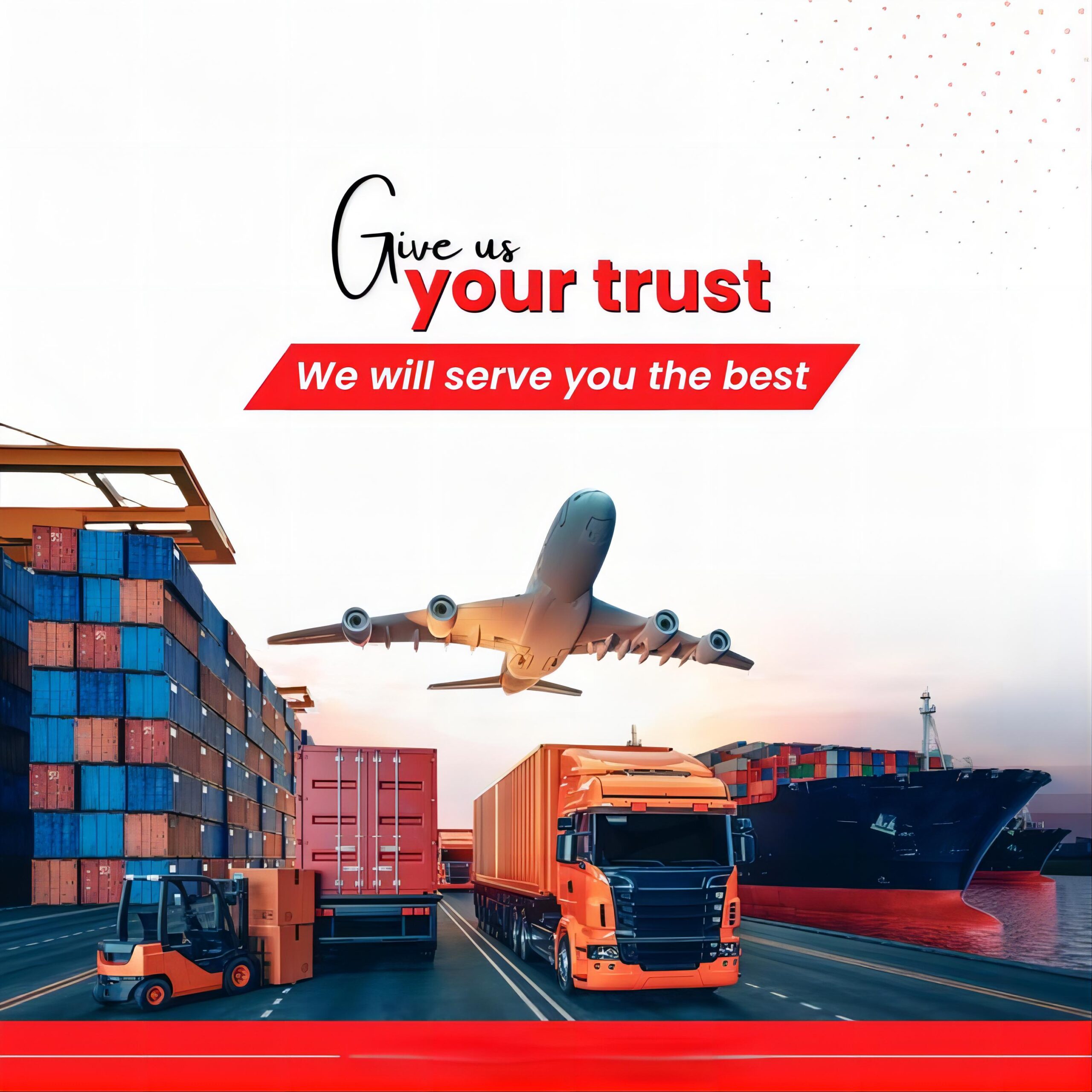
❖The most common and economically viable route for a 40GP FCL shipment of hardware tools from China to Denmark is via sea freight. This involves a journey across major shipping lanes, connecting key Chinese ports to Danish counterparts.
Major Chinese ports such as Shanghai, Ningbo, Shenzhen, Qingdao, and Tianjin serve as primary departure points. These mega-ports offer extensive carrier options and frequent sailings, providing flexibility for your supply chain.
Upon arrival in Denmark, the main ports of discharge are typically Aarhus and Copenhagen. These ports are well-equipped to handle large container volumes and offer efficient onward distribution throughout Denmark and Northern Europe.
The transit time for this route generally ranges from 28 to 35 days, depending on the specific carrier, service route, and whether direct or transshipment services are utilized. Direct services are usually faster but can sometimes be pricier.
How Does Sea Freight Compare to Other Shipping Options?
❖When planning your logistics, it is essential to consider various shipping methods beyond FCL sea freight. Each option presents different trade-offs concerning speed, cost, and capacity. Understanding these differences helps in making informed decisions for your hardware tool shipments.
While sea freight is ideal for large volumes and cost efficiency, other methods like air freight or express services cater to different priorities. For instance, urgent orders might justify the higher cost of air transport. Likewise, certain European destinations might benefit from rail, though less direct for Denmark.
Therefore, comparing these alternatives against the `40GP FCL best route for hardware tools from China to Denmark` is crucial. This comparison allows businesses to optimize their supply chain based on current needs and market conditions.
Consider the overall air freight and express service options carefully. They offer significantly faster delivery but at a premium, which might impact your profitability for standard hardware tools.
| Shipping Method | Cost Range (40GP equivalent) | Transit Time | Best For | Limitations |
|---|---|---|---|---|
| Sea Freight (FCL) | $2,800 – $4,200 | 28-35 days | Large volumes, heavy/bulky goods, cost-sensitive | Slowest transit time, potential port delays |
| Air Freight | $15,000 – $25,000 | 3-7 days | Urgent, high-value, smaller volumes | Very high cost, limited capacity for extremely bulky items |
| Rail Freight (Combined) | $7,000 – $12,000 | 15-20 days | Medium urgency, specific inland European destinations | Not direct to Denmark, requires intermodal transfer, less frequent |
| Express Service | $8,000 – $18,000 | 2-5 days | Small packages, samples, urgent documents | Extremely high cost for 40GP volume, generally not suitable for FCL |

Key Factors Influencing Your FCL Shipping Costs and Transit Times
❖Several critical factors impact the overall customs brokerage and `shipping costs` and `transit time` for your 40GP FCL from China to Denmark. Understanding these helps in budgeting and scheduling effectively.
Firstly, `freight rates` are highly volatile, influenced by global demand, fuel prices, and carrier capacity. Market conditions, such as peak seasons (e.g., before Chinese New Year or Q4 holidays), often lead to significant price surges.
Secondly, the specific port of loading in China and port of discharge in Denmark can affect both cost and time. Direct services between major ports are generally faster but may not always be the cheapest option available.
Additionally, any transshipment required along the route can add several days to the `delivery schedule`. These transfers, often occurring in major hubs like Singapore or Rotterdam, can introduce delays due to port congestion.
Finally, origin and destination charges, including Terminal Handling Charges (THC), documentation fees, and customs clearance costs, contribute substantially to the `total landed cost`. These charges vary by port and service provider.
Seasonal Variations and Market Trends
As of Q1 2025, freight rates from China to Europe have largely stabilized following the Red Sea disruptions of 2024. However, market data suggests that rates typically increase by 15-25% during the August-October peak season.
Importers should anticipate higher `shipping costs` during these periods and plan their `supply chain` accordingly. Booking well in advance can help mitigate some of these peak season surcharges.
Moreover, global `logistics trends`, such as vessel availability and container shortages, can impact rates and `transit time` unpredictability. Staying informed about these trends is vital for efficient planning.
Navigating Customs Clearance and Documentation for Denmark Imports
❖Efficient `customs` clearance is paramount for smooth imports of hardware tools into Denmark. Proper documentation and adherence to regulations prevent costly delays and penalties.
Key documents typically include the Bill of Lading, Commercial Invoice, Packing List, and Certificate of Origin. Furthermore, specific hardware tools may require additional certifications or licenses, depending on their nature and intended use.
Denmark, as an EU member, adheres to EU customs regulations. Therefore, importers must ensure their products comply with all relevant EU standards, including safety and environmental directives.
Engaging an experienced `customs brokerage` service is highly recommended. They can navigate complex regulations, prepare necessary paperwork, and facilitate timely clearance, saving you time and potential headaches.
Essential Documentation Checklist
To ensure a seamless customs process, always prepare the following documents meticulously. Inaccurate or incomplete paperwork is a common cause of delays and additional charges.
Ensure all details on your commercial invoice match your packing list and Bill of Lading exactly. Discrepancies can trigger extensive customs inspections and hold-ups, impacting your `delivery schedule`.
| Document Type | Purpose | Notes |
|---|---|---|
| Bill of Lading (B/L) | Contract between shipper and carrier, title to goods | Crucial for cargo release |
| Commercial Invoice | Details goods, value, seller, buyer | Used for customs valuation and duties |
| Packing List | Itemized list of goods, quantities, weights | Assists customs in inspection and verification |
| Certificate of Origin | Declares country where goods were manufactured | May affect duty rates (e.g., free trade agreements) |
| Conformity Certificates | Ensures compliance with EU safety/quality standards | Mandatory for many hardware tools (e.g., CE marking) |
Case Studies: Successful 40GP FCL Shipments to Denmark
❖Examining real-world examples helps illustrate the practical aspects of shipping hardware tools. These case studies highlight typical scenarios and outcomes for the `40GP FCL best route for hardware tools from China to Denmark`.
They offer insights into average `shipping costs`, `transit time`, and common challenges encountered. These examples are based on typical rates as of early 2025, providing a realistic perspective on current market conditions.
Case Study 1: Hand Tools from Ningbo to Aarhus
This shipment involved a medium-sized Danish distributor importing a diverse range of hand tools. The client prioritized a balance of cost-effectiveness and reasonable transit time for their regular inventory replenishment.
| Detail | Value |
|---|---|
| Route | Ningbo, China Aarhus, Denmark |
| Cargo | Assorted Hand Tools, 60 CBM, 22,000 kg |
| Container | 40GP |
| Carrier/Service | COSCO (Major carrier) |
| Port of Loading | Ningbo |
| Port of Discharge | Aarhus |
| Route Type | Direct |
| Ocean Freight | $3,500 |
| Origin Charges (THC, documentation) | $450 |
| Destination Charges | $550 |
| Customs & Duties (estimated) | $1,200 |
| Total Landed Cost | $5,700 |
| Booking to Loading | 5 days |
| Sea Transit | 30 days |
| Customs Clearance | 2 days |
| Total Door-to-Door | 37 days |
| Key Insight | Direct service minimized transit time, while careful `cargo handling` ensured product integrity. |
Case Study 2: Power Tools from Shenzhen to Copenhagen
A Danish retailer required a shipment of power tools, which are higher value and require careful handling. They opted for a slightly faster, albeit marginally more expensive, service to maintain inventory levels for a promotional period.
| Detail | Value |
|---|---|
| Route | Shenzhen, China Copenhagen, Denmark |
| Cargo | Electric Power Tools, 58 CBM, 20,000 kg |
| Container | 40GP |
| Carrier/Service | Maersk (Major carrier) |
| Port of Loading | Shenzhen |
| Port of Discharge | Copenhagen |
| Route Type | Transshipment via Felixstowe |
| Ocean Freight | $3,800 |
| Origin Charges (THC, documentation) | $480 |
| Destination Charges | $600 |
| Customs & Duties (estimated) | $1,500 |
| Total Landed Cost | $6,380 |
| Booking to Loading | 7 days |
| Sea Transit | 32 days |
| Customs Clearance | 3 days |
| Total Door-to-Door | 42 days |
| Key Insight | Transshipment added a few days but provided a more flexible sailing schedule. Effective communication with the forwarder was key during the transfer. |
Case Study 3: Industrial Fasteners from Qingdao to Aarhus
This case involved a manufacturer importing heavy industrial fasteners, where weight and volume were significant factors. The focus was on securing the most economical rate for a large, consistent order.
| Detail | Value |
|---|---|
| Route | Qingdao, China Aarhus, Denmark |
| Cargo | Industrial Fasteners, 62 CBM, 25,000 kg |
| Container | 40GP |
| Carrier/Service | MSC (Major carrier) |
| Port of Loading | Qingdao |
| Port of Discharge | Aarhus |
| Route Type | Direct |
| Ocean Freight | $3,200 |
| Origin Charges (THC, documentation) | $420 |
| Destination Charges | $500 |
| Customs & Duties (estimated) | $1,000 |
| Total Landed Cost | $5,120 |
| Booking to Loading | 6 days |
| Sea Transit | 31 days |
| Customs Clearance | 2 days |
| Total Door-to-Door | 39 days |
| Key Insight | Selecting a direct service from a less congested port like Qingdao offered competitive rates and reliable `delivery schedule` for heavy cargo. |
Which Option Should You Choose? A Decision Framework
❖Choosing the `40GP FCL best route for hardware tools from China to Denmark` depends on your specific business priorities. No single solution fits every scenario; therefore, a structured approach is beneficial.
Consider your primary objectives for each shipment. Are you aiming for the lowest possible cost, the fastest possible delivery, or a balance of both? Your answers will guide your decision-making process.
This framework helps in evaluating the trade-offs and selecting the most appropriate shipping strategy. It ensures that your logistics align with your broader business goals.
Remember that `import/export` strategies are dynamic. What works best today might change tomorrow due to market shifts or evolving business needs. Flexibility is key.
Budget Priority
If cost-saving is your main concern, then FCL sea freight is almost always the recommended option. It offers the lowest `freight rates` per unit for large volumes.
Look for services from less congested ports in China and consider slightly longer `transit time` routes if they offer significant savings. This strategy optimizes your `shipping costs` effectively.
Speed Priority
For urgent shipments, air freight or even express services are the clear choice, despite their higher cost. These methods drastically reduce `transit time`.
However, for FCL volumes of hardware tools, air freight can be prohibitively expensive. Evaluate if the urgency truly justifies the substantial increase in `shipping costs`.
Within sea freight, prioritize direct services over transshipment routes to shave off a few days. This can be a good compromise for moderate speed needs.
Cargo Type Considerations
For very heavy, bulky, or high-value hardware tools, FCL sea freight provides the best protection and dedicated space. This minimizes the risk of damage from frequent handling.
If your hardware tools are fragile or require specific environmental controls, discuss these needs with your forwarder. Specialized containers or `cargo handling` might be necessary.
For smaller, lighter, and less sensitive items, LCL (Less than Container Load) might be an alternative if your `volume thresholds` don’t meet FCL requirements. However, LCL often entails more handling.
Volume Thresholds for Switching Methods
Generally, if your shipment exceeds 15-20 CBM, FCL becomes more economical than LCL. A 40GP container offers approximately 67 CBM of usable space, making it ideal for substantial loads.
For very small, urgent shipments (under 1-2 CBM), express service or air cargo is typically more efficient. As volume grows, sea freight becomes increasingly dominant for cost-effectiveness.
Always obtain quotes for both LCL and FCL if your volume is borderline. This allows for a direct `shipping costs` comparison and informed decision-making regarding `logistics trends`.
Optimizing Your Supply Chain with a Reliable Forwarder
❖A strong partnership with a reputable freight forwarder is indispensable for optimizing your `supply chain` from China to Denmark. They act as your logistics expert, managing complexities.
A good forwarder provides end-to-end solutions, from picking up `cargo handling` at the factory to `door to door` delivery in Denmark. This comprehensive service simplifies your `import/export` operations.
They can advise on the `40GP FCL best route for hardware tools from China to Denmark`, negotiate favorable `freight rates`, and handle all documentation. This expertise is invaluable.
Furthermore, they can offer real-time tracking and proactive communication, ensuring you are always informed about your shipment’s status. This transparency builds trust and improves planning.
The Value of Door-to-Door Services
Opting for a door to door service simplifies the entire shipping process significantly. This means the forwarder manages every step, from the supplier’s factory in China to your warehouse in Denmark.
This comprehensive approach covers inland transportation, port operations, ocean freight, customs clearance, and final delivery. Consequently, it reduces your administrative burden and potential points of failure.
Moreover, a single point of contact for the entire journey streamlines communication and accountability. It provides peace of mind, allowing you to focus on your core business operations.
Final Thoughts on Shipping Hardware Tools to Denmark
Securing the `40GP FCL best route for hardware tools from China to Denmark` requires a thorough understanding of various factors, from freight rates to customs regulations. Sea freight remains the most practical and cost-effective choice for bulk shipments.
By carefully considering transit times, `shipping costs`, and the specific nature of your cargo, you can make informed decisions. Partnering with an experienced freight forwarder is crucial for navigating these complexities successfully.
Ultimately, strategic planning and reliable execution ensure your hardware tools reach Denmark efficiently and economically. This proactive approach minimizes risks and enhances your overall `supply chain` performance.
Ready to streamline your logistics?
Ready to optimize your `40GP FCL best route for hardware tools from China to Denmark`? Contact our experts today for a personalized quote and seamless shipping solutions. We are here to streamline your logistics.
Request Quote