

Freight Rate for FCL Shipping from China to Spain: Your Complete Guide
Navigating international logistics can be complex, especially when seeking the optimal freight rate for FCL shipping from China to Spain. Businesses frequently encounter challenges related to fluctuating costs, varying transit times, and intricate customs procedures. This comprehensive guide aims to demystify the process, offering clear insights and practical strategies to efficiently manage your full container load shipments. For reliable logistics support, explore solutions with Top China Forwarder.
✦
What is FCL Shipping and Why Choose It for China to Spain?
Full Container Load (FCL) shipping involves reserving an entire shipping container for your cargo, regardless of whether it completely fills the space. This method is ideal for larger volumes or when you require dedicated container space. Consequently, it offers enhanced security and often faster transit times compared to sharing space with other shippers.
Choosing FCL for your China to Spain route presents several advantages. Primarily, it minimizes handling at ports, thereby reducing the risk of damage or loss. Furthermore, FCL shipping can be more cost-effective per unit for high-volume goods, making it a preferred option for many importers seeking predictable logistics and consistent delivery schedules.
What Factors Influence the Freight Rate for FCL Shipping from China to Spain?
Several critical factors dictate the freight rate for FCL shipping from China to Spain. Understanding these elements is essential for accurate budgeting and strategic planning. Indeed, market dynamics, seasonal demand, and fuel costs play significant roles in pricing.
Typically, ocean freight rates are dynamic, subject to constant change. Moreover, geopolitical events and port congestion can introduce unexpected surcharges, influencing the final landed cost of your goods. Therefore, staying informed about current logistics trends is crucial for importers.
Ocean Freight Charges
The base ocean freight charge covers the cost of transporting your container from the port of loading in China to the port of discharge in Spain. This rate varies based on the container size (20GP, 40GP, 40HQ) and the specific carrier. For example, a 40HQ container generally offers better value per cubic meter than a 20GP.
As of Q1 2025, freight rates from China to Europe, including Spain, have stabilized somewhat after the 2024 Red Sea disruptions. However, rates can still fluctuate based on vessel capacity and global trade volumes. Always obtain a current quote for precise figures.
Surcharges and Additional Fees
Beyond the base rate, various surcharges can impact your total freight rate for FCL shipping from China to Spain. These often include Bunker Adjustment Factor (BAF) for fuel, Currency Adjustment Factor (CAF), and Peak Season Surcharges (PSS). Additionally, security fees and Suez Canal surcharges (if applicable) are common.
These surcharges are typically levied by shipping lines to cover fluctuating operational costs. Consequently, they can add a significant percentage to the overall shipping costs. It is vital to clarify all potential surcharges when requesting a quote.
Origin and Destination Charges
Origin charges, also known as local charges at the port of loading in China, include terminal handling charges (THC), documentation fees, and drayage to the port. Similarly, destination charges in Spain cover THC, customs clearance fees, and potentially demurrage or detention if the container is not picked up promptly.
These charges are non-negotiable and are standard components of international shipping. Therefore, ensure these local fees are itemized in your freight forwarder’s quote to avoid surprises. Efficient customs brokerage can help manage these costs effectively.
Customs Duties and Taxes
Import duties and taxes are applied by Spanish customs upon the arrival of your goods. These are calculated based on the Harmonized System (HS) code of your products and their declared value. Furthermore, VAT (Value Added Tax) will also be levied.
Understanding these costs beforehand is crucial for calculating your total landed cost. We recommend consulting a customs brokerage expert to accurately estimate these charges and ensure compliance with Spanish regulations.
How Does FCL Shipping Compare to Other Shipping Options from China to Spain?
While FCL is often the most suitable option for large volumes, it is important to consider alternative shipping methods from China to Spain. Different shipping scenarios might benefit from air freight or Less than Container Load (LCL) services. Therefore, a comparative analysis helps in making informed decisions.
Choosing the right method depends on your cargo’s volume, urgency, and budget. For instance, if speed is paramount, air freight might be preferable despite higher costs. Conversely, for smaller shipments, LCL offers a more economical solution than FCL.

| Shipping Method | Cost Range (Approx.) | Transit Time | Best For | Limitations |
|---|---|---|---|---|
| FCL Sea Freight | $3,000-4,200 (40HQ) | 28-35 days | Large volumes, bulk goods, cost-effectiveness | Slower transit, port congestion risks |
| LCL Sea Freight | $80-150 per CBM | 35-45 days | Small to medium volumes (under 15 CBM) | Longer transit, more handling, potential delays |
| Air Freight | $5-10 per kg | 5-8 days | Urgent, high-value, perishable goods | High cost, weight/volume restrictions, carbon footprint |
Real-World FCL Shipping Costs from China to Spain: Case Studies
Examining actual case studies provides a clearer picture of typical freight rate for FCL shipping from China to Spain. These examples illustrate the breakdown of costs and timelines for different scenarios. Note: Freight rates are subject to change based on fuel costs, carrier capacity, and seasonal demand. Contact us for a current quote tailored to your specific shipment.
Case Study 1: Electronics Shipment to Valencia
| Detail | Description |
|---|---|
| Route | Shanghai, China -> Valencia, Spain |
| Cargo | Consumer electronics, 28 CBM, 10,000 kg |
| Container | 20GP |
| Shipping Details | |
| – Carrier/Service | COSCO |
| – Port of Loading | Shanghai |
| – Port of Discharge | Valencia |
| – Route Type | Direct |
| Cost Breakdown (Based on Q1 2025 market rates) | |
| – Ocean Freight | $2,200 |
| – Origin Charges (THC, documentation) | $450 |
| – Destination Charges | $550 |
| – Customs & Duties (estimated) | $1,500 |
| – Total Landed Cost (estimated) | $4,700 |
| Timeline | |
| – Booking to Loading | 5 days |
| – Sea Transit | 30 days |
| – Customs Clearance | 3 days |
| – Total Door-to-Door (estimated) | 38 days |
| Key Insight | Efficient customs clearance at Valencia streamlined delivery, minimizing potential delays. This shipment benefited from a direct service, reducing overall transit time. |

Case Study 2: Furniture Import to Barcelona
| Detail | Description |
|---|---|
| Route | Ningbo, China -> Barcelona, Spain |
| Cargo | Flat-pack furniture, 60 CBM, 15,000 kg |
| Container | 40HQ |
| Shipping Details | |
| – Carrier/Service | MSC |
| – Port of Loading | Ningbo |
| – Port of Discharge | Barcelona |
| – Route Type | Transshipment via Port Klang |
| Cost Breakdown (Typical rates as of early 2025) | |
| – Ocean Freight | $3,500 |
| – Origin Charges (THC, documentation) | $500 |
| – Destination Charges | $600 |
| – Customs & Duties (estimated) | $2,500 |
| – Total Landed Cost (estimated) | $7,100 |
| Timeline | |
| – Booking to Loading | 7 days |
| – Sea Transit | 38 days |
| – Customs Clearance | 4 days |
| – Total Door-to-Door (estimated) | 49 days |
| Key Insight | Choosing a transshipment route offered a lower base freight rate, but added 5-7 days to the transit time. Careful planning for customs documents was essential. |
Case Study 3: Textiles Shipment to Bilbao
| Detail | Description |
|---|---|
| Route | Shenzhen, China -> Bilbao, Spain |
| Cargo | Textile products, 55 CBM, 12,000 kg |
| Container | 40GP |
| Shipping Details | |
| – Carrier/Service | Maersk |
| – Port of Loading | Shenzhen |
| – Port of Discharge | Bilbao |
| – Route Type | Direct |
| Cost Breakdown (Based on current market rates) | |
| – Ocean Freight | $3,200 |
| – Origin Charges (THC, documentation) | $480 |
| – Destination Charges | $580 |
| – Customs & Duties (estimated) | $1,800 |
| – Total Landed Cost (estimated) | $6,060 |
| Timeline | |
| – Booking to Loading | 6 days |
| – Sea Transit | 32 days |
| – Customs Clearance | 3 days |
| – Total Door-to-Door (estimated) | 41 days |
| Key Insight | Booking in advance during a non-peak season secured a competitive freight rate. Proactive communication with the forwarder ensured smooth cargo handling at both ends. |
Optimizing Your Freight Rate for FCL Shipping from China to Spain
Reducing your freight rate for FCL shipping from China to Spain requires a strategic approach. By implementing smart practices, businesses can significantly lower their overall shipping costs. Therefore, consider these key strategies to enhance your logistics efficiency.
Effective planning and choosing the right partners are paramount. Moreover, understanding market trends and container utilization can yield substantial savings. Ultimately, optimizing your supply chain contributes to better profitability.
Strategic Planning and Booking
Booking your FCL shipments well in advance can often secure better rates, especially during peak seasons. Furthermore, flexibility with shipping dates can allow you to leverage periods of lower demand. Indeed, market data suggests rates typically increase 15-25% during the August-October peak season.
Consider the timing of major holidays in China and Spain, as these can impact transit times and port operations. A well-planned delivery schedule avoids last-minute rush fees and potential delays. This proactive approach supports a more efficient supply chain.
Choosing the Right Container Size
Selecting the appropriate container size is crucial for optimizing your freight rate. While a 40HQ container offers the best per-cubic-meter rate, it only makes sense if you can fill it efficiently. Conversely, under-utilizing a larger container means you are paying for empty space.
Analyze your cargo volume carefully. For example, if your goods are bulky but light, a 40HQ might be ideal. If you have a shipment slightly less than a 20GP, an LCL might be more economical, or consider consolidating with another shipment if possible for sea freight services.
Partnering with a Reliable Freight Forwarder
A reputable freight forwarder can significantly impact your freight rate for FCL shipping from China to Spain. They possess extensive networks and can negotiate better rates with carriers. Additionally, they handle complex documentation and customs procedures, ensuring a smoother process.
Moreover, a good forwarder provides transparency in pricing and offers various door-to-door shipping options. They can also advise on optimal routes and potential cost-saving strategies. This partnership is invaluable for navigating international logistics.
What is the Typical Transit Time for FCL Shipments to Spain?
The transit time for FCL shipping from China to Spain typically ranges from 28 to 35 days for direct services. However, this can vary based on the specific port of origin in China and the destination port in Spain. For instance, shipments from major ports like Shanghai or Ningbo to Valencia or Barcelona often fall within this window.
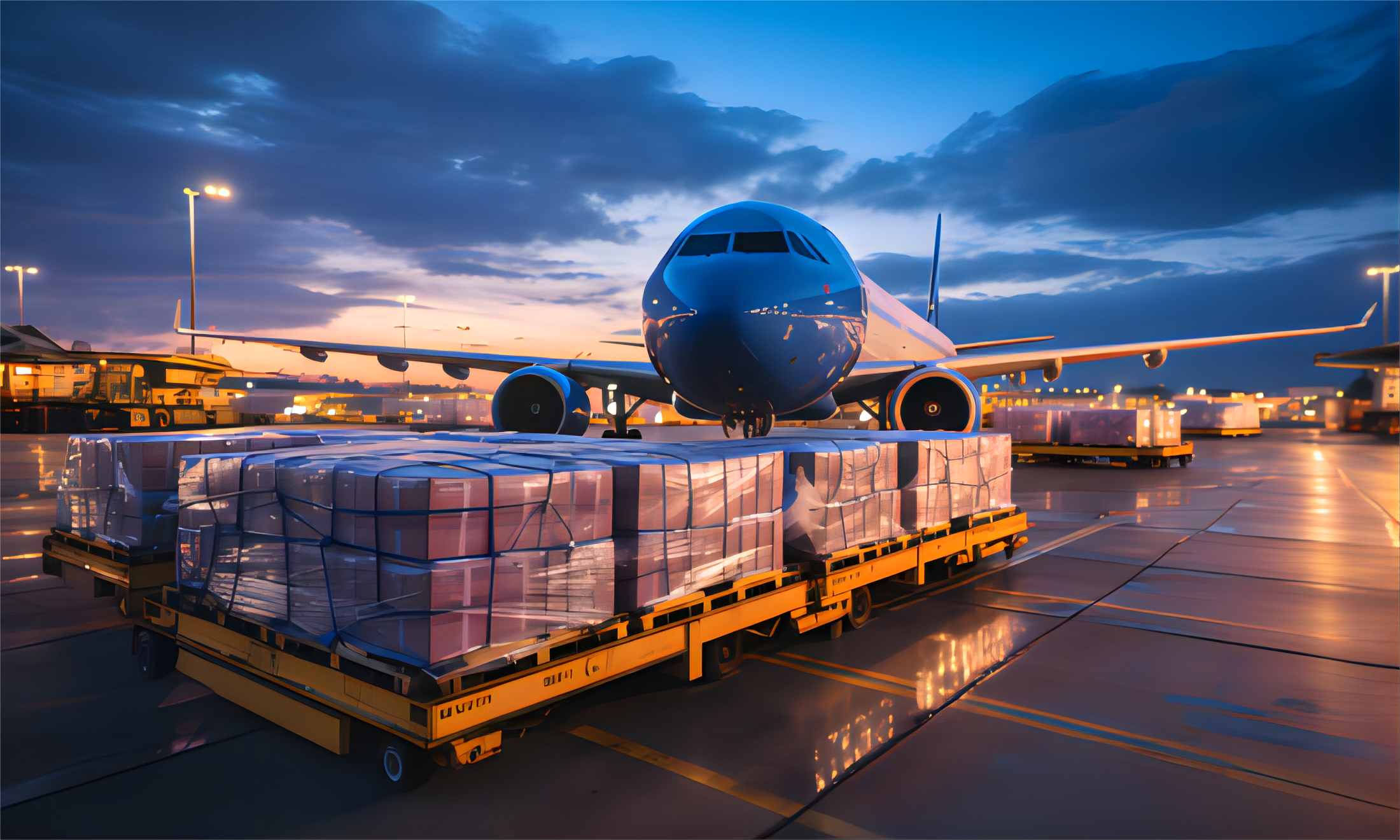
Factors influencing transit time include the vessel’s route, potential transshipment points, and port congestion. Furthermore, adverse weather conditions or unforeseen operational delays can extend the journey. Always account for a buffer when planning your delivery schedule.
Navigating Customs Clearance and Documentation for Spain
Successful FCL shipping from China to Spain requires meticulous attention to customs clearance and documentation. Spain, as an EU member, adheres to strict import regulations. Therefore, accurate and complete paperwork is essential to avoid delays and penalties.
Key documents typically include the Commercial Invoice, Packing List, Bill of Lading, and Certificate of Origin. Furthermore, specific product types may require additional licenses or certifications. Engaging expert customs brokerage services can prevent common pitfalls and ensure compliance. This is a critical step in the import/export process for shipping to Europe.
Which Option Should You Choose for Your China to Spain Shipments?
Deciding on the best shipping option for your cargo from China to Spain involves weighing several factors. Your choice will ultimately depend on a balance of cost, speed, and specific cargo requirements. Consider these criteria to make an informed decision.
Ultimately, there is no one-size-fits-all solution; the optimal strategy is tailored to your unique business needs. Consequently, evaluating your priorities carefully will lead to the most efficient logistics plan.
Budget Priority
If cost-effectiveness is your primary concern, FCL sea freight is almost always the recommended option. It offers the lowest per-unit cost for large volumes. Nevertheless, be mindful of potential surcharges and local fees that can add to the total freight rate for FCL shipping from China to Spain.
Speed Priority
For urgent shipments where time is of the essence, air freight solutions are the clear choice. While significantly more expensive, it drastically reduces transit time from weeks to days. Consider this for high-value, time-sensitive, or perishable goods.
Cargo Type Considerations
Fragile or high-value goods might benefit from FCL to minimize handling, even if volume is moderate. Conversely, if your cargo is small and non-urgent, LCL sea freight could be a viable alternative to FCL. Always assess the specific needs of your products.
Volume Thresholds for Switching Methods
For shipments under approximately 15 CBM, LCL sea freight is generally more economical than FCL. However, once your volume exceeds this threshold, FCL becomes increasingly cost-effective. Typically, a 20GP container holds around 28 CBM, making it suitable for moderate to large loads.
Conclusion
Securing the best freight rate for FCL shipping from China to Spain requires a thorough understanding of market dynamics, cost components, and strategic planning. By considering factors like container size, transit time, and customs requirements, businesses can make informed decisions. Partnering with an experienced freight forwarder is crucial for navigating these complexities and achieving cost-effective, reliable full container load shipments. Ultimately, a well-managed logistics strategy ensures your goods arrive efficiently and economically.