

FCL Shipping for Electronics: China to Texas Guide
Importing electronics from China to Texas presents unique logistical challenges, especially when dealing with high-value, sensitive cargo. Ensuring efficient, secure, and cost-effective transport is paramount for businesses aiming to maintain a competitive edge. This comprehensive guide delves into the specifics of FCL shipping for electronics from China to Texas, providing essential insights to streamline your supply chain operations.
What is FCL Shipping and Why Choose It for Electronics?
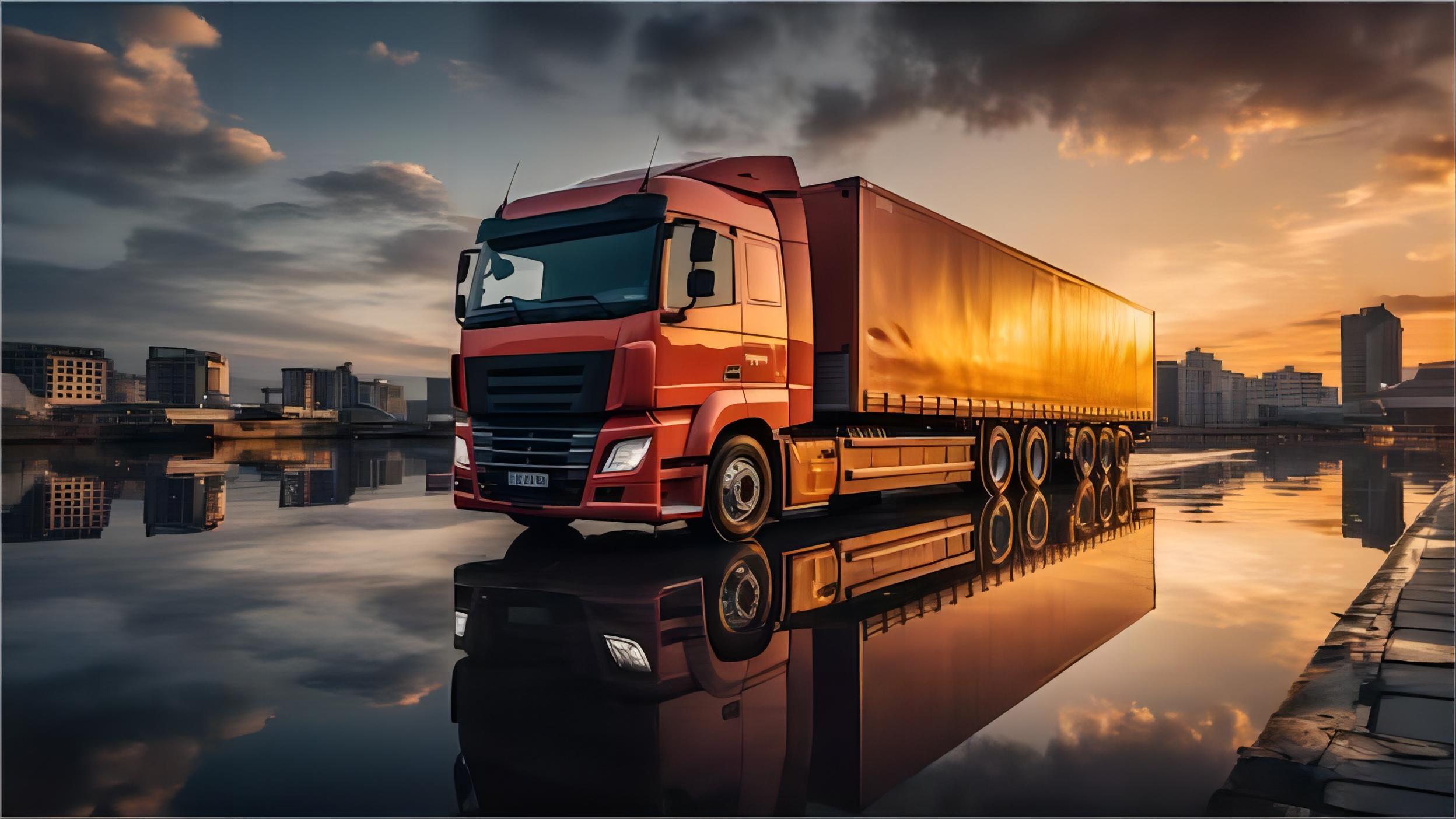
FCL, or Full Container Load, means your goods occupy an entire shipping container, dedicated solely to your consignment. This method provides exclusive use of the container, ensuring your electronics are not mixed with other shippers’ cargo. Consequently, it offers enhanced security and reduced handling risks.
For electronics, FCL shipping is often the preferred choice due to the sensitive nature and high value of the products. It minimizes potential damage from frequent loading and unloading, a common issue with Less than Container Load (LCL) shipments. Therefore, FCL provides a more controlled environment for your valuable goods.
Moreover, FCL shipments generally experience faster transit times compared to LCL, as there is no need for consolidation or deconsolidation at various ports. This direct route can significantly impact your delivery schedule, especially when importing high-demand consumer electronics from China to Texas. Ultimately, FCL offers predictability and safety.
Key Benefits of FCL Shipping for Electronics to Texas
Choosing FCL for your electronics imports offers several distinct advantages that directly impact your business operations. First, it provides superior cargo protection, which is crucial for delicate electronics susceptible to damage. Your goods remain sealed in the container from origin to destination.
Secondly, FCL often proves more cost-effective for larger volumes of electronics. As your shipment size increases, the per-unit cost of transportation typically decreases, offering significant savings. This economic benefit is especially apparent when shipping a full container of products.
Furthermore, FCL streamlines the customs clearance process due to simplified documentation and fewer inspections, as the container’s contents are uniform. This efficiency helps avoid unnecessary delays at busy ports like Houston or Galveston. Thus, your valuable electronics reach Texas faster.
Finally, FCL offers greater control over your supply chain, allowing for more precise planning of inventory and distribution. You dictate the loading and unloading schedule, which helps align with your internal logistics. For comprehensive shipping options, consider exploring sea freight services.
Understanding the China to Texas Shipping Route
The primary route for FCL shipping for electronics from China to Texas involves ocean transit across the Pacific Ocean and through the Panama Canal or around the Cape of Good Hope, depending on the specific service and carrier. Major Chinese ports include Shanghai, Ningbo, Shenzhen, and Qingdao. In Texas, the main ports of entry are Houston and Galveston.
Transit times typically range from 30 to 45 days, influenced by factors such as the origin port, destination port, specific shipping line, and current market conditions. For example, direct services from Shanghai to Houston generally offer faster transit. Consequently, careful route planning is essential for managing delivery schedules.
Moreover, understanding the logistics of inland transportation within Texas is vital. Once your container arrives at the port, it needs to be transported to your final warehouse or distribution center. This involves drayage services, which connect the port to your facility. Therefore, a seamless door-to-door service can be highly beneficial.
Navigating Customs and Compliance for Electronics Imports
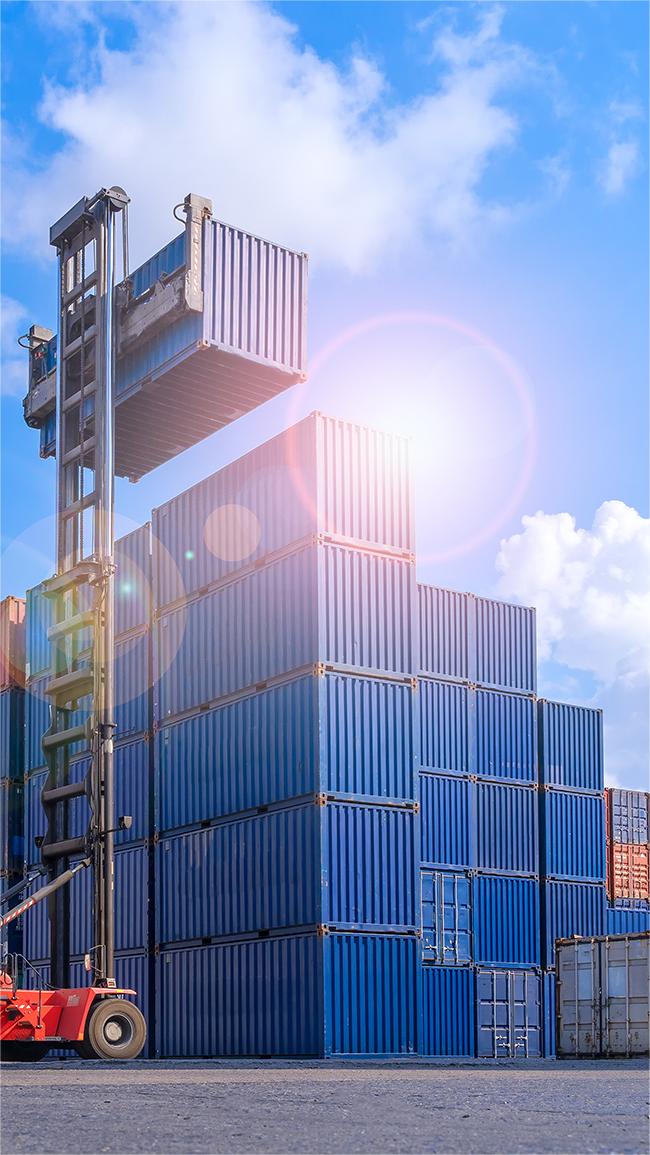
Importing electronics into the United States, especially from China, requires strict adherence to customs regulations and compliance standards. This includes ensuring all necessary documentation is accurate and complete to avoid delays or penalties. Notably, correct classification of goods under the Harmonized Tariff Schedule (HTS) is paramount.
Key documents typically include the commercial invoice, packing list, bill of lading, and sometimes specific licenses or certifications for electronic devices. For instance, certain electronics might require FCC certification. Consequently, thorough preparation prevents common customs issues.
Furthermore, understanding import duties and taxes for electronics is critical for accurate cost forecasting. These can vary significantly based on the product type and trade agreements. Partnering with a knowledgeable customs broker is highly recommended to navigate these complexities. They can provide essential customs brokerage services to ensure smooth clearance.
Staying updated on trade policies, such as Section 301 tariffs on Chinese goods, is also vital as these can impact the landed cost of your electronics. Therefore, proactive compliance management is a cornerstone of successful importing.
| Document | Purpose | Requirement |
|---|---|---|
| Commercial Invoice | Details of transaction, value, seller/buyer | Mandatory |
| Packing List | Itemized list of goods, weights, dimensions | Mandatory |
| Bill of Lading (BOL) | Contract of carriage, title to goods | Mandatory |
| Customs Bond | Guarantees payment of duties/taxes | Required for imports over $2,500 |
| FCC Certification | Ensures compliance with US radio frequency standards | For devices emitting RF energy |
| Importer Security Filing (ISF) | Pre-arrival cargo data for CBP | Mandatory (10+2 rule) |
How to Optimize Your FCL Shipping Costs and Transit Times
Optimizing FCL shipping for electronics from China to Texas involves several strategic considerations. Firstly, planning your shipments well in advance allows you to secure better freight rates and avoid peak season surcharges. Booking early can lead to significant cost savings on your overall logistics spend.
Secondly, carefully consider the container size (20GP, 40GP, 40HQ) to maximize space utilization. An underutilized container means you are paying for empty space, increasing your per-unit cost. Efficient loading, therefore, directly impacts your profitability.
Thirdly, explore different shipping lines and services. Some carriers offer faster, premium services, while others might provide more economical options with slightly longer transit times. Balancing speed and cost is key. For time-sensitive electronics, sometimes faster options like express service might be considered for urgent components.
Finally, work with an experienced freight forwarder who can leverage their network and expertise to negotiate favorable rates and navigate potential disruptions. Their insights into logistics trends and market conditions can be invaluable. This partnership ensures efficient cargo handling and delivery schedule management.
How Does FCL Shipping Compare to Other Shipping Options?
When importing electronics from China to Texas, businesses have several shipping methods to consider, each with distinct advantages and disadvantages. Understanding these alternatives helps in making informed decisions for your supply chain. Moreover, selecting the right method can significantly impact both your budget and delivery timelines.
FCL shipping, as discussed, provides dedicated container space, ideal for large volumes and sensitive electronics, offering superior protection. However, for smaller shipments, or extremely urgent deliveries of high-value items, alternative methods might be more suitable. Below is a comparison to help illustrate the trade-offs involved.
For example, while FCL costs for a 40HQ from China to Texas might range from $4,000-$6,000, air freight for the same volume could easily exceed $20,000-$30,000 but arrives in 5-10 days instead of 30-45 days. The choice heavily depends on the urgency, value, and volume of your electronic goods. Furthermore, for very small, high-value electronics like prototypes or critical replacement parts, a specialized express service could offer unparalleled speed, albeit at the highest cost per kilogram. Conversely, LCL offers a middle ground for smaller volumes, consolidating cargo to share container costs, though it introduces more handling risks and longer transit times due to consolidation processes. Therefore, each method serves a distinct purpose.
| Shipping Method | Cost Range (China-Texas, approx.) | Transit Time (approx.) | Best For | Limitations |
|---|---|---|---|---|
| FCL (Full Container Load) | $4,000 – $6,000 (40HQ) | 30-45 days | Large volume, sensitive electronics, cost-efficiency | Longer transit, higher minimum volume, fixed capacity |
| LCL (Less than Container Load) | $80 – $150 per CBM | 35-50 days | Smaller shipments (under 15 CBM), budget-conscious, flexible volume | More handling, longer transit, potential for damage, less predictable schedule |
| Air Freight | $6 – $12 per kg | 5-10 days | High-value, urgent, time-sensitive electronics, prototypes | High cost, weight/volume restrictions, larger carbon footprint, fuel surcharges |
| Express Service | $10 – $25 per kg | 2-5 days | Very small, critical, extremely urgent samples/prototypes, documents | Highest cost, strict weight/dimension limits, limited cargo types |

Real-World FCL Shipping Case Studies: China to Texas
Examining real-world scenarios can provide valuable insights into the practicalities and benefits of FCL shipping for electronics. These examples illustrate how businesses navigate the complexities of international logistics from China to Texas.
Based on current market rates and typical operational flows, these case studies highlight various aspects of successful FCL imports. They demonstrate effective strategies for managing costs, transit times, and potential challenges. Understanding these examples can inform your own import decisions.
Case Study 1: Large Volume of Consumer Electronics
A Texas-based retailer needed to import a large quantity of smart home devices for the holiday season. They opted for FCL to ensure product integrity and meet their strict delivery schedule. The focus was on securing a reliable carrier and efficient port handling. This strategy minimized risks associated with high-demand consumer electronics.
| Detail | Description |
|---|---|
| Route | Ningbo, China -> Houston, Texas |
| Cargo | Smart Home Devices, 60 CBM, 15,000 kg |
| Container | 1 x 40HQ |
| Carrier/Service | COSCO via Panama Canal |
| Port of Loading | Ningbo |
| Port of Discharge | Houston |
| Route Type | Transshipment via Busan, Korea |
| Ocean Freight | $4,850 |
| Origin Charges | $450 |
| Destination Charges | $600 |
| Customs & Duties (estimated) | $1,200 |
| Total Landed Cost | $7,100 (excluding inland drayage) |
| Booking to Loading | 7 days |
| Sea Transit | 38 days |
| Customs Clearance | 3 days |
| Total Door-to-Door | 49 days |
| Key Insight | Early booking during peak season secured competitive rates and space. Transshipment added a few days but reduced costs compared to direct premium services. |
Case Study 2: Fragile Industrial Electronics Components
An industrial automation company in Dallas required a consistent supply of delicate electronic components for their manufacturing line. Given the fragility and high unit value, FCL was chosen for maximum protection and predictable delivery. The priority was damage prevention and maintaining a steady supply chain for production. This ensured minimal disruption to their operations.
| Detail | Description |
|---|---|
| Route | Shenzhen, China -> Galveston, Texas |
| Cargo | Industrial Control Boards, 28 CBM, 8,000 kg |
| Container | 1 x 20GP |
| Carrier/Service | Maersk Direct Service |
| Port of Loading | Shenzhen |
| Port of Discharge | Galveston |
| Route Type | Direct |
| Ocean Freight | $3,200 |
| Origin Charges | $380 |
| Destination Charges | $550 |
| Customs & Duties (estimated) | $850 |
| Total Landed Cost | $4,980 (excluding inland drayage) |
| Booking to Loading | 5 days |
| Sea Transit | 32 days |
| Customs Clearance | 2 days |
| Total Door-to-Door | 40 days |
| Key Insight | Direct service minimized handling, crucial for fragile cargo. Proactive customs declaration ensured rapid clearance, reducing potential delays. |
Case Study 3: High-Volume IT Equipment for Data Centers
A rapidly expanding data center operator in Austin needed to import multiple containers of servers and networking equipment. Reliability and cost-effectiveness were paramount, alongside strict delivery windows for installation schedules. FCL was the only viable option for this scale of import. Ensuring efficient logistics was critical for project timelines.
| Detail | Description |
|---|---|
| Route | Shanghai, China -> Houston, Texas |
| Cargo | Servers & Networking Gear, 130 CBM, 30,000 kg |
| Container | 2 x 40HQ |
| Carrier/Service | OOCL Premium Service |
| Port of Loading | Shanghai |
| Port of Discharge | Houston |
| Route Type | Direct (Panama Canal) |
| Ocean Freight | $9,500 (2x 40HQ) |
| Origin Charges | $900 |
| Destination Charges | $1,100 |
| Customs & Duties (estimated) | $2,500 |
| Total Landed Cost | $14,000 (excluding inland drayage) |
| Booking to Loading | 6 days |
| Sea Transit | 35 days |
| Customs Clearance | 3 days |
| Total Door-to-Door | 46 days |
| Key Insight | Securing premium direct service ensured faster transit for time-sensitive installations. Bulk shipping provided significant cost savings per unit. |

Market Trends and Factors Affecting FCL Rates
FCL freight rates for electronics from China to Texas are constantly influenced by a dynamic interplay of global market trends. Understanding these factors is crucial for businesses to forecast costs accurately and plan their import strategies effectively. For instance, global demand for shipping capacity significantly impacts pricing.
Current market conditions, such as those observed in Q1 2025, show a stabilization of rates after disruptions like the Red Sea incidents in 2024. However, unexpected geopolitical events, natural disasters, or major economic shifts can quickly change the market landscape. Consequently, flexibility in planning is important for managing logistics trends.
Seasonal patterns also play a major role; rates typically increase by 15-25% during the August-October peak season leading up to major Western holidays. Moreover, fuel costs, port congestion at both origin and destination, and equipment availability (containers) all contribute to fluctuating freight rates. Monitoring these logistics trends is key.
Carrier capacity and alliances among shipping lines further shape pricing and service offerings. Therefore, staying informed about industry benchmarks and working with a proactive freight forwarder are essential for securing competitive rates and managing your supply chain efficiently. Industry average for this route can fluctuate significantly.
Note: Freight rates are subject to change based on fuel costs, carrier capacity, and seasonal demand. Contact us for a current quote tailored to your specific shipment.
Which Option Should You Choose for Your Electronics Imports?
Deciding on the best shipping method for your electronics from China to Texas requires a careful evaluation of your specific business needs and priorities. There is no one-size-fits-all solution; however, a clear decision framework can guide your choice effectively. Consider your primary objectives before making a commitment.
If budget is your primary concern, and you are shipping large volumes (over 15 CBM) with flexible delivery timelines, FCL shipping is almost always the most economical choice. It provides the best per-unit cost for bulk electronics imports, making it ideal for maintaining healthy profit margins.
Conversely, if speed is paramount for urgent product launches, critical components, or high-value, low-volume items, then air freight or even express service becomes more viable. The increased cost is often justified by reduced inventory holding costs, faster market entry, and meeting tight production schedules. For example, for small, critical parts, air freight can save weeks, ensuring minimal downtime.
For cargo type considerations, fragile or high-value electronics greatly benefit from the dedicated space and reduced handling of FCL. This minimizes the risk of damage during transit. However, for non-fragile, lower-value components in smaller quantities, LCL might offer a reasonable compromise on cost and speed, assuming the risk of additional handling is acceptable.
Volume thresholds are also crucial. For shipments under 15 CBM, LCL might be more economical, avoiding the cost of an entire container. Beyond this, FCL generally offers better value and greater security. Consider hybrid solutions, such as shipping the bulk via FCL and urgent samples via air, to balance speed and cost effectively. This approach optimizes your overall logistics strategy and helps manage import/export efficiency.
Conclusion: Streamlining Your FCL Shipping from China to Texas
Navigating the complexities of FCL shipping for electronics from China to Texas requires strategic planning, attention to detail, and a reliable logistics partner. By understanding the benefits of FCL, the intricacies of the shipping route, and the demands of customs compliance, businesses can ensure secure and efficient delivery of their valuable cargo.
Moreover, continuously evaluating market trends and optimizing costs through informed decisions on container utilization and carrier selection is crucial. Ultimately, a well-managed FCL strategy empowers your supply chain, supporting timely market entry and sustained business growth in the competitive electronics sector. Partnering with an experienced forwarder simplifies this journey.
Start Your Shipment
Ready to optimize your FCL shipping for electronics from China to Texas? Our team of experts at Top China Forwarder is here to provide tailored solutions and competitive quotes. Contact us today to discuss your specific logistics needs and streamline your import process.
Request Quote