

FCL Shipping for Solar Panels from China to UK: Your Complete Guide
Navigating the complexities of international freight, especially for specialized cargo like solar panels, requires expert knowledge. Therefore, understanding FCL shipping for solar panels from China to UK is essential for successful and cost-effective delivery. This guide provides a comprehensive overview of the process, ensuring your renewable energy components arrive safely and efficiently.
What is FCL Shipping and Why Choose It for Solar Panels?
FCL, or Full Container Load, refers to shipping cargo that occupies an entire container, regardless of whether it’s completely full. This method offers exclusive use of the container, providing enhanced security and direct transit.
Choosing FCL shipping for solar panels from China to UK is highly beneficial, particularly for large volume orders. It minimizes handling, reduces the risk of damage, and often provides a more cost-effective solution per unit compared to sharing container space.
Furthermore, FCL shipments generally experience faster transit times because they do not require consolidation or deconsolidation at various ports. This ensures a more predictable delivery schedule for your valuable solar energy components.
| Benefit | Description | Impact on Solar Panels |
|---|---|---|
| Security | Exclusive container use | Reduced damage risk, theft protection |
| Cost-Effectiveness | Lower unit cost for high volume | Optimizes budget for large projects |
| Transit Time | Direct route, less handling | Faster, more predictable delivery |
| Capacity | Dedicated space for bulky cargo | Accommodates various panel sizes and quantities |
Key Factors Influencing FCL Shipping Costs from China to UK
Several critical factors determine the overall FCL shipping costs from China to UK. These include the base ocean freight rate, which fluctuates based on supply and demand, and various surcharges.
Additionally, fuel surcharges (Bunker Adjustment Factor – BAF) and currency adjustment factors (CAF) can significantly impact the final price. Port charges at both origin and destination also contribute to the total expenditure.
Moreover, seasonal variations play a substantial role in freight rates; peak seasons often see price increases of 15-25%. Understanding these dynamics is crucial for accurate budgeting and strategic planning for your solar panel imports.
| Cost Component | Description | Typical Impact |
|---|---|---|
| Ocean Freight Rate | Base cost for container transport | Varies by carrier, season, route |
| Surcharges (BAF, CAF) | Fuel and currency adjustments | Fluctuates monthly, can be significant |
| Origin Charges | Terminal handling, documentation | Fixed per container, port-specific |
| Destination Charges | Terminal handling, delivery fees | Fixed per container, UK port-specific |
| Customs Duties & VAT | Taxes on imported goods | Based on HS code and value, UK regulations |
Understanding Transit Times and Routes for Solar Panels
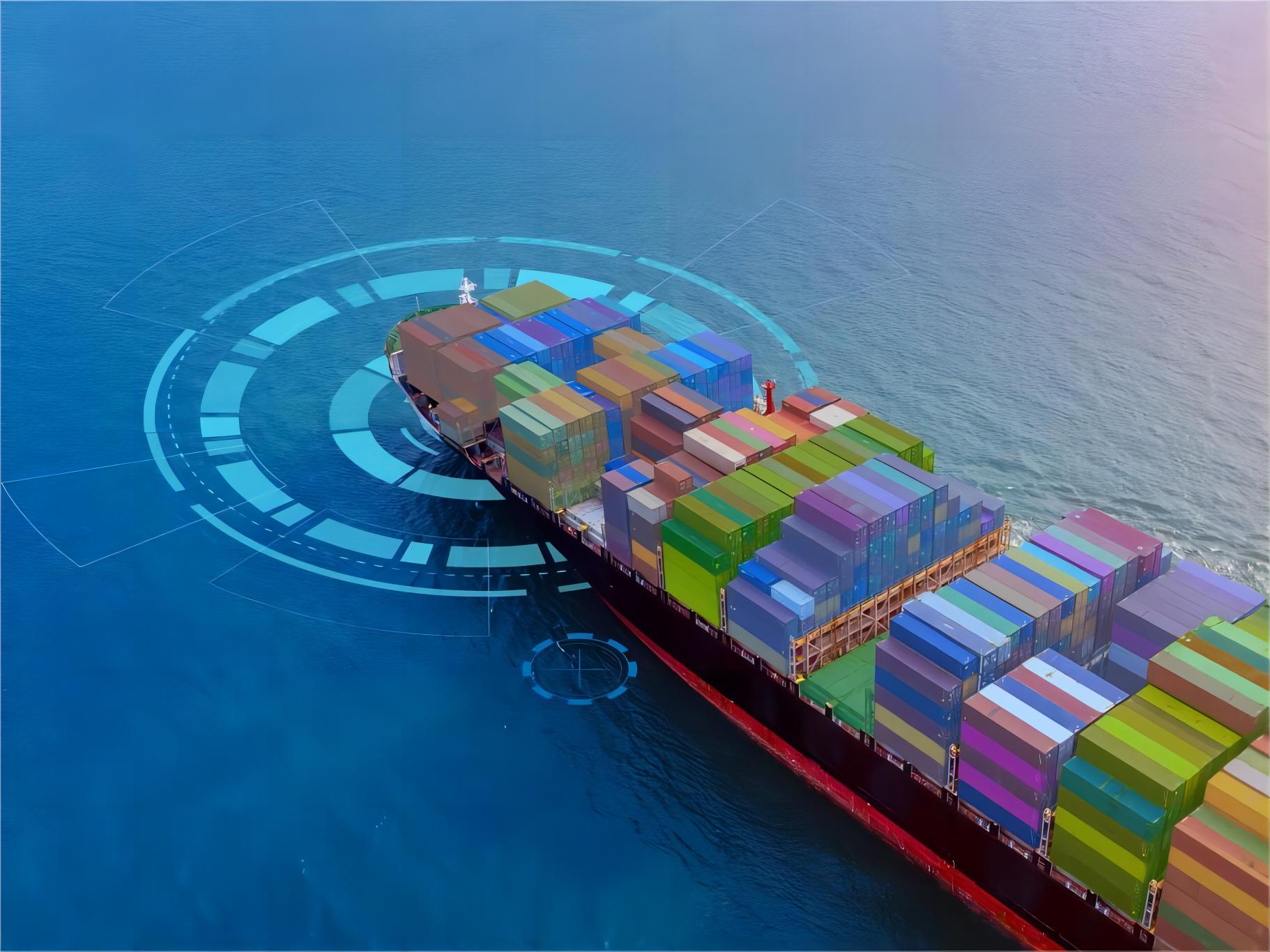
The transit time for FCL shipping solar panels from China to UK typically ranges from 30 to 38 days. This duration encompasses the journey from the port of loading in China to the port of discharge in the UK.
Direct routes, while potentially more expensive, offer the fastest transit. Conversely, transshipment routes, involving an intermediate stop and transfer, may extend the journey by several days but can sometimes offer lower rates.
Furthermore, external factors like port congestion, adverse weather conditions, and unforeseen customs delays can impact the estimated delivery schedule. Therefore, it is wise to factor in a buffer period for critical solar panel projects.
| Port of Loading (China) | Port of Discharge (UK) | Typical Transit Time |
|---|---|---|
| Shanghai | Felixstowe | 32-36 days |
| Ningbo | Southampton | 30-35 days |
| Shenzhen | London Gateway | 33-38 days |
| Qingdao | Liverpool | 35-40 days |
Navigating Customs and Documentation for UK Solar Panel Imports
Proper customs brokerage and documentation are paramount for smooth UK import of solar panels. Key documents include the Bill of Lading, commercial invoice, packing list, and often a certificate of origin.
Importers must also account for UK import duties and VAT. Solar panels generally fall under specific Harmonized System (HS) codes, which determine the applicable duty rates. An EORI number is mandatory for all businesses importing goods into the UK.
Consequently, engaging an experienced customs broker is highly recommended to ensure compliance and avoid costly delays. They can expertly handle declarations, duty calculations, and navigate complex regulations for your FCL shipping for solar panels from China to UK.
How Does FCL Shipping Compare to Other Shipping Options?
**Which Option Should You Choose?**
Budget priority: If cost-effectiveness is your primary concern for FCL shipping solar panels from China to UK, FCL sea freight is undoubtedly the most economical choice. It offers significant savings for bulk orders.
Speed priority: For urgent projects or time-sensitive deliveries, air freight or rail freight offers considerably faster transit times. However, these come at a much higher premium, especially for bulky items like solar panels.
Cargo type considerations: Fragile or high-value solar panels benefit from the dedicated space and reduced handling of FCL. For smaller, less time-critical consignments, LCL might be considered, though FCL often provides better protection and predictability for this cargo.
Volume thresholds for switching methods: Typically, if your shipment exceeds 15-20 CBM, FCL becomes more economical than LCL. For anything above a few pallets, FCL is almost always the superior choice for solar panels.
| Shipping Method | Cost Range (40HQ) | Transit Time (China-UK) | Best For | Limitations |
|---|---|---|---|---|
| FCL Sea Freight | $3,500-4,500 | 30-38 days | Large volume, cost-sensitive | Slowest transit time |
| LCL Sea Freight | $50-80/CBM | 35-45 days | Small to medium volume | More handling, longer transit |
| Air Freight | $15,000-25,000 | 5-7 days | Urgent, high-value, small volume | Very high cost, volume/weight limits |
| Rail Freight | $8,000-12,000 | 18-22 days | Time-sensitive, medium-large volume | Limited routes, higher than sea freight |
Streamlining Your Supply Chain: Door-to-Door FCL Solutions
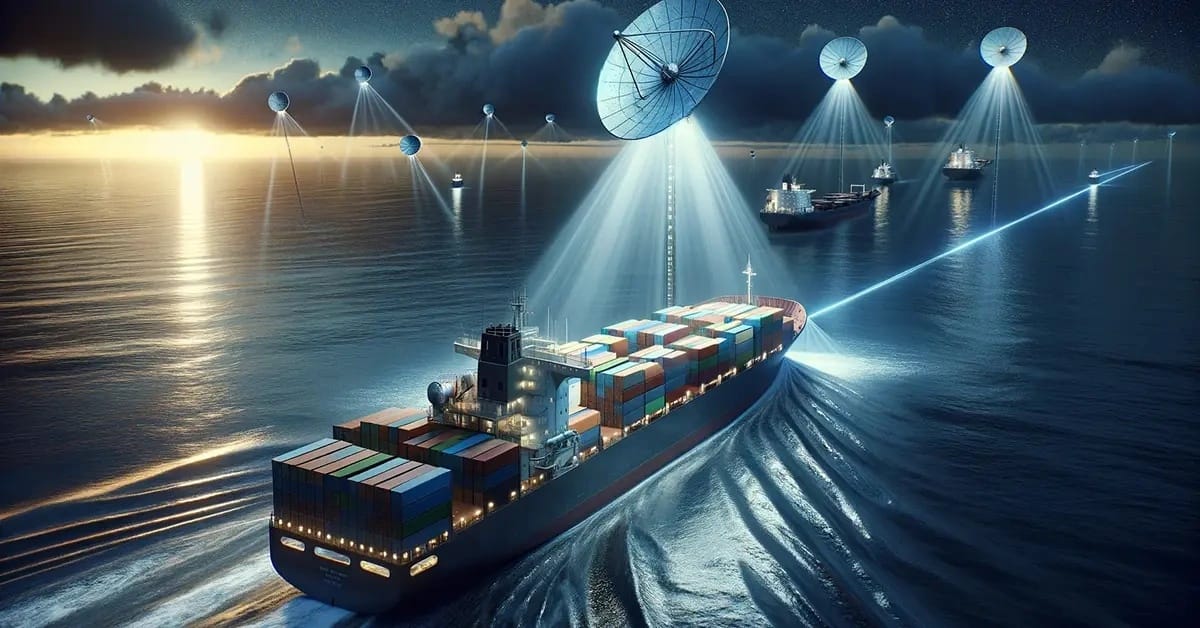
Opting for a door-to-door service offers unparalleled convenience for FCL shipping for solar panels from China to UK. This comprehensive solution manages the entire logistics chain from your supplier’s factory to your final UK destination.
A single point of contact simplifies communication and coordination, reducing administrative burdens. This integrated approach covers everything from inland trucking in China, ocean freight, customs clearance, and final delivery to your warehouse.
Consequently, door-to-door services minimize potential delays and complexities often associated with managing multiple vendors. It provides a seamless, efficient, and stress-free experience for importing large quantities of solar panels.
Real-World Scenarios: FCL Shipping Solar Panels
Examining practical examples helps illustrate the nuances of FCL shipping for solar panels from China to UK. These case studies highlight typical challenges and successful strategies.
Based on Q3 2024 market rates, these scenarios provide realistic insights into costs and timelines.
Case Study 1: Large-Scale Solar Farm Project
This project successfully leveraged FCL’s cost advantages for bulk cargo. Strategic planning minimized overall logistics expenses, proving ideal for large-scale renewable energy installations.
| Detail | Description |
|---|---|
| Route | Shanghai, China -> Felixstowe, UK |
| Cargo | 2000 monocrystalline solar panels, 120 CBM, 40,000 kg |
| Container | Three 40HQ containers |
| Shipping Details | Carrier: MSC, Port of Loading: Shanghai, Port of Discharge: Felixstowe, Route Type: Direct |
| Cost Breakdown | Ocean Freight: $10,500, Origin Charges: $900, Destination Charges: $1,200, Customs & Duties (estimated): $7,500, Total Landed Cost: $20,100 |
| Timeline | Booking to Loading: 7 days, Sea Transit: 34 days, Customs Clearance: 3 days, Total Door-to-Door: 45 days |
| Key Insight | Early booking secured competitive rates, avoiding peak season surcharges. Efficient documentation prevented customs delays. |
Case Study 2: Mid-Size Distributor Replenishment
This scenario demonstrates how FCL provides a stable and efficient solution for ongoing supply chain needs. Regular shipments help maintain optimal inventory without excessive costs.
| Detail | Description |
|---|---|
| Route | Ningbo, China -> Southampton, UK |
| Cargo | 600 bifacial solar panels, 45 CBM, 15,000 kg |
| Container | One 40GP container |
| Shipping Details | Carrier: COSCO, Port of Loading: Ningbo, Port of Discharge: Southampton, Route Type: Direct |
| Cost Breakdown | Ocean Freight: $3,800, Origin Charges: $350, Destination Charges: $450, Customs & Duties (estimated): $2,800, Total Landed Cost: $7,400 |
| Timeline | Booking to Loading: 5 days, Sea Transit: 32 days, Customs Clearance: 2 days, Total Door-to-Door: 40 days |
| Key Insight | Consistent carrier relationship ensured reliable scheduling and preferential rates. Automated customs pre-filing sped up clearance. |
Case Study 3: Urgent Small-Batch for a Specialized Project
This case highlights the flexibility of FCL even for smaller, critical shipments where cargo protection is paramount. Direct routes effectively minimize overall transit duration. Note: Freight rates are subject to change based on fuel costs, carrier capacity, and seasonal demand. Contact us for a current quote tailored to your specific shipment.
| Detail | Description |
|---|---|
| Route | Shenzhen, China -> London Gateway, UK |
| Cargo | 150 flexible solar panels, 10 CBM, 1,500 kg |
| Container | One 20GP container |
| Shipping Details | Carrier: Maersk, Port of Loading: Shenzhen, Port of Discharge: London Gateway, Route Type: Direct |
| Cost Breakdown | Ocean Freight: $2,500, Origin Charges: $300, Destination Charges: $400, Customs & Duties (estimated): $900, Total Landed Cost: $4,100 |
| Timeline | Booking to Loading: 4 days, Sea Transit: 33 days, Customs Clearance: 2 days, Total Door-to-Door: 39 days |
| Key Insight | Prioritizing a direct service and a major carrier ensured the fastest possible FCL sea transit. Despite smaller volume, FCL was chosen for cargo integrity. |
Optimizing Your FCL Shipments: Expert Tips and Market Insights
To further optimize your FCL shipping for solar panels from China to UK, consider several strategic approaches. Booking your containers well in advance, especially during peak seasons, can help secure better rates and ensure space availability.
Furthermore, always ensure comprehensive cargo insurance for your valuable solar panel shipments. This protects against unforeseen damages or losses during transit, providing peace of mind.
Working with an experienced freight forwarder is also crucial. They possess the expertise to navigate complex logistics, manage documentation, and offer insights into current shipping market trends.
As of Q1 2025, freight rates from China to Europe have largely stabilized after the 2024 Red Sea disruptions, although minor fluctuations persist. Industry experts suggest booking early for Q3 and Q4 due to anticipated seasonal demand increases. Typical rates as of early 2025 indicate a stable but competitive market. Market data suggests that capacity remains robust, but port efficiency varies. Moreover, robust communication with your forwarder ensures transparency and proactive problem-solving. This ultimately contributes to a smoother and more efficient supply chain for your solar energy projects.
Conclusion
In conclusion, successful FCL shipping for solar panels from China to UK demands careful planning and execution. By understanding the costs, transit times, and regulatory landscape, you can ensure your renewable energy products reach their destination efficiently.
Partnering with a reliable logistics provider ultimately simplifies this complex process. This strategic approach helps manage risks and optimize your import operations, supporting your business goals effectively.
Get Your Shipping Quote Today
Ready to optimize your FCL shipping for solar panels from China to UK? Contact us today for a personalized quote and expert guidance tailored to your specific needs. Our team ensures a smooth, efficient, and cost-effective supply chain solution for your valuable cargo.
Request Quote