

Mastering 20GP FCL Booking for Electronics: China to Long Beach
Shipping electronics from China to Long Beach requires careful planning and execution. Understanding the 20GP FCL booking process for electronics from China to Long Beach is crucial for importers aiming for efficiency and cost-effectiveness. This comprehensive guide, brought to you by Top China Forwarder, will demystify each step, ensuring your valuable cargo arrives safely.

Why Choose 20GP FCL for Your Electronics Imports?
Choosing the right shipping method is paramount for importing electronics. A 20-foot Full Container Load (FCL) offers significant advantages for certain cargo volumes. Moreover, it provides dedicated space, reducing the risk of damage or contamination compared to shared containers.
For electronics, security and dedicated space are often top priorities. A 20GP container, typically holding around 33 CBM, is ideal for medium-sized shipments that don’t quite fill a 40-foot container. Furthermore, it ensures your goods are not mixed with other consignments.
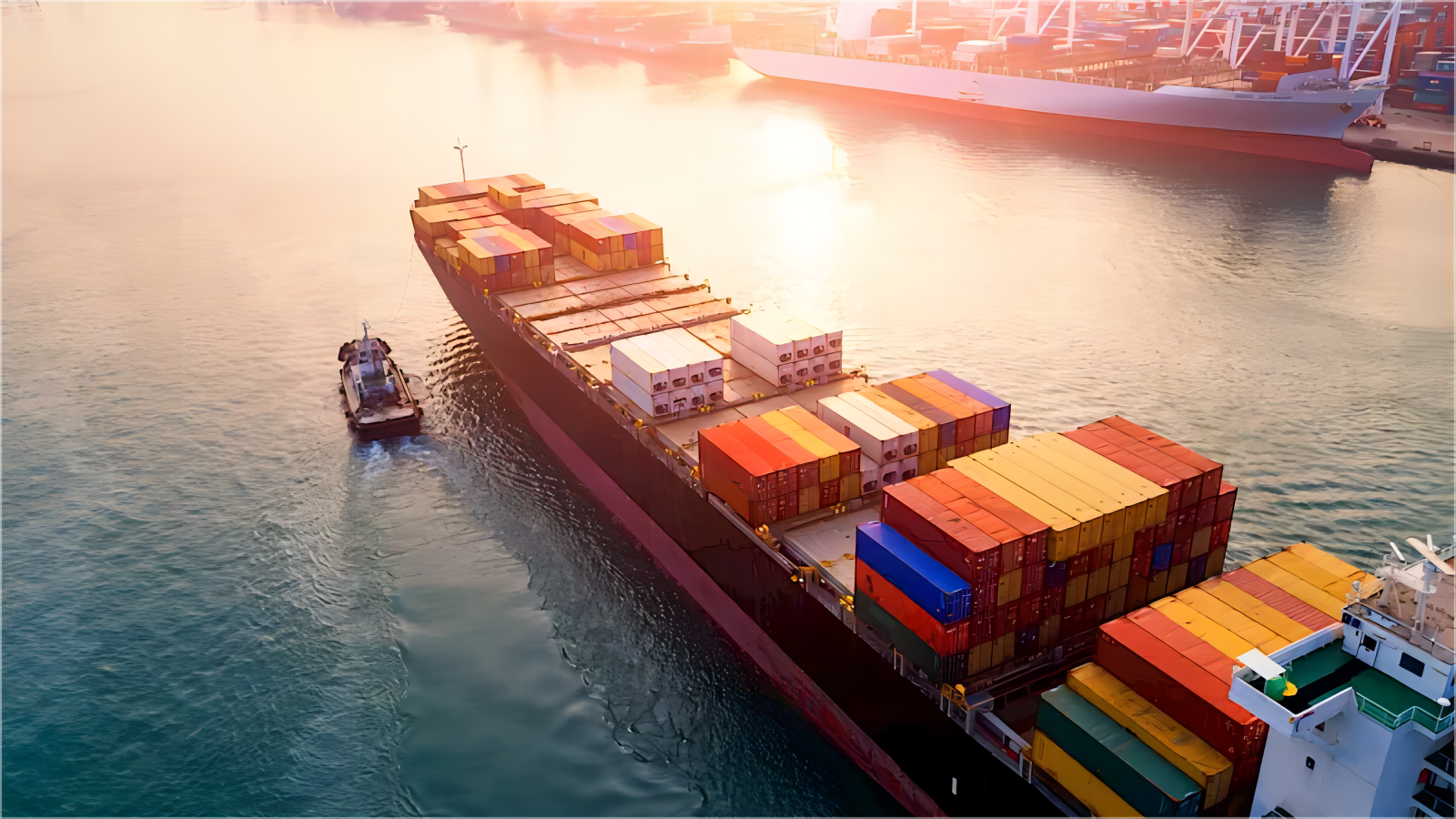
This method is particularly suitable when you have enough volume to justify the container cost. Consequently, it often results in lower per-unit shipping costs than Less than Container Load (LCL) for substantial quantities. Therefore, many businesses opt for FCL to optimize their supply chain management.
What are the Key Steps in the 20GP FCL Booking Process for Electronics?
The 20GP FCL booking process for electronics from China to Long Beach involves several critical stages. Navigating these steps effectively ensures a smooth import experience. Consequently, a clear understanding of each phase is essential for successful logistics.
Initially, you need to identify a reliable freight forwarder experienced in electronics shipping. This partner will guide you through documentation, carrier selection, and customs procedures. Furthermore, they can offer valuable insights into optimizing your transit time and freight rates.
Step 1: Requesting a Quote and Booking
Begin by requesting a detailed quote from your chosen freight forwarder. Provide accurate information regarding your cargo, including dimensions, weight, and commodity type (electronics). This ensures a precise estimate for your shipping costs.
Once you approve the quote, the forwarder will proceed with booking the 20GP container space with a suitable carrier. This involves securing a vessel schedule and confirming the loading date. Indeed, timely booking is crucial, especially during peak seasons.
Step 2: Cargo Preparation and Loading
Proper cargo preparation is vital for electronics. Ensure all items are securely packed, labeled, and ready for export. This minimizes the risk of damage during transit and adheres to international shipping standards.
Following preparation, the container will be transported to the supplier’s factory or a designated warehouse for loading. The loading process must be supervised to maximize space utilization and prevent damage. Subsequently, a packing list and commercial invoice are prepared.
Step 3: Documentation and Export Customs
Accurate and complete documentation is indispensable for international shipping. Key documents include the Commercial Invoice, Packing List, Bill of Lading (BOL), and potentially a Certificate of Origin. In addition, specific permits may be required for certain electronics.
Next, your freight forwarder will handle the export customs clearance in China. This involves submitting all necessary documents to Chinese customs authorities. A successful clearance ensures your cargo can depart as scheduled, avoiding costly delays.
How to Navigate Customs Clearance for Electronics from China to Long Beach
Customs clearance upon arrival in Long Beach is a complex but critical stage for importing electronics. Proper preparation of documents and understanding U.S. regulations are paramount. Therefore, working with an experienced customs brokerage is highly recommended.
The Importer Security Filing (ISF) must be filed at least 24 hours before the vessel departs China. Failure to do so can result in significant penalties. Moreover, accurate Harmonized Tariff Schedule (HTS) codes are essential for correct duty calculation.
| Document | Purpose | Key Details |
|---|---|---|
| Commercial Invoice | Details of goods and value | Seller/Buyer info, description, quantity, price, Incoterms |
| Packing List | Contents of each package | Marks, numbers, weight, dimensions, total packages |
| Bill of Lading (BOL) | Contract of carriage/receipt of goods | Shipper, consignee, notify party, vessel, port |
| Certificate of Origin | Proves country of manufacture | Required for preferential tariff treatment (if applicable) |
| ISF Filing | Security filing for US imports | 10 data elements, filed 24 hours pre-departure |
| FCC Declaration | Compliance for electronic devices | Required for products emitting radio frequency |
Duties, Taxes, and Compliance
Importers must be aware of applicable duties and taxes for electronics entering the USA. These are determined by the HTS codes and the declared value of the goods. Consequently, accurate classification is vital to avoid overpaying or underpaying duties.
Compliance with U.S. regulations, such as those from the FCC or FDA for specific electronics, is non-negotiable. Non-compliance can lead to severe penalties, delays, or even cargo seizure. Therefore, thorough research and expert guidance are indispensable.
What is the Typical Transit Time for Electronics from China to Long Beach?
The sea transit time for a 20GP FCL from major Chinese ports to Long Beach typically ranges from 14 to 18 days. This duration can fluctuate based on the specific port of loading, carrier, and chosen service route. Furthermore, port congestion at Long Beach can significantly impact arrival schedules.
Once the vessel arrives, additional time is needed for unloading, customs clearance, and drayage to a warehouse or final destination. This entire process can add another 3-7 days to the total delivery schedule. Therefore, planning for potential delays is always prudent.
Tracking Your Shipment
Modern logistics platforms offer robust tracking capabilities for your 20GP FCL shipment. You can monitor your cargo’s journey from port to port, providing peace of mind. Regular updates on vessel location and estimated arrival times are usually available.
Your freight forwarder will also provide regular updates and proactive communication regarding any changes to the schedule. This transparency is crucial for effective supply chain management. Moreover, it allows you to prepare for the cargo’s arrival.
Final Delivery and Drayage
Upon customs clearance, your container will be picked up from the port for drayage to its final destination. This final leg of the journey is critical for timely delivery. Coordinating with your consignee for receipt is essential.
Many importers opt for a comprehensive door-to-door service to streamline this entire process. This minimizes your involvement in logistics, allowing you to focus on your core business. Indeed, it simplifies the entire import process.
How Does 20GP FCL Compare to Other Shipping Options for Electronics?
Understanding alternative shipping methods is vital for making informed logistics decisions for electronics imports. While 20GP FCL is often efficient, other options might suit different needs or cargo volumes. Evaluating these alternatives helps optimize your freight rates and delivery schedule.
The choice between Full Container Load (FCL), Less than Container Load (LCL), and air freight hinges on factors like urgency, volume, and budget. Each method presents unique trade-offs in terms of cost, speed, and flexibility. Therefore, a comprehensive comparison is beneficial.
| Shipping Method | Cost Range (20GP Equivalent) | Transit Time | Best For |
|---|---|---|---|
| 20GP FCL Sea Freight | $1,500 – $2,200 | 14-18 days (port-to-port) | Medium to large volumes (15-30 CBM), cost-effective |
| LCL Sea Freight | $80-150/CBM (higher per CBM) | 20-30 days (port-to-port) | Small volumes (under 15 CBM), flexible |
| Air Freight | $3,000 – $6,000 (per 100kg) | 3-7 days (airport-to-airport) | Urgent, high-value, small shipments |
| Express Service | $500 – $1,500 (per 100kg) | 2-5 days (door-to-door) | Samples, prototypes, extremely urgent small packages |
Which Option Should You Choose?
If your primary concern is cost-effectiveness for medium-to-large electronics shipments (15-30 CBM), 20GP FCL sea freight is generally the most economical choice. It balances capacity and price efficiently, making it suitable for regular inventory replenishment.
Conversely, for smaller volumes of electronics (under 15 CBM) where you don’t need a full container, LCL sea freight offers a viable solution. While transit time is longer and per-CBM costs might be higher, it avoids paying for unused container space.
When speed is paramount, and budget is less restrictive, air freight or express service becomes the preferred option. This is ideal for high-value electronics, new product launches, or urgent stock replenishment. Consider the trade-off between speed and significantly higher shipping costs.
Understanding 20GP FCL Shipping Costs and Market Trends
The total shipping costs for your 20GP FCL booking process for electronics from China to Long Beach comprise several components. These include ocean freight, origin charges, destination charges, and customs duties. Understanding each element is crucial for budgeting.
Ocean freight rates, in particular, are highly dynamic and influenced by various market factors. These include fuel prices, carrier capacity, global demand, and geopolitical events. Therefore, obtaining up-to-date quotes is always recommended.
Key Cost Components
Ocean Freight: This is the primary cost for transporting your 20GP container from the port of loading to the port of discharge. Rates fluctuate based on seasonality, carrier, and available space.
Origin Charges: These include Terminal Handling Charges (THC) in China, documentation fees, and any local trucking to the port. These fees cover the handling of your cargo before it leaves the origin country.
Destination Charges: Upon arrival in Long Beach, you will incur THC, drayage (trucking from port to warehouse), and potentially demurrage or detention fees if the container is not picked up promptly.
Customs Duties and Taxes: These are levied by U.S. Customs and Border Protection based on the HTS code and value of your electronics. They are a significant part of the total landed cost.
Market Trends and Pricing Disclaimer
As of Q1 2025, freight rates from China to the USA West Coast have shown some stabilization after previous volatility. However, potential disruptions, such as port congestion or capacity shortages, can still impact pricing. Always factor in these logistics trends.
Rates typically increase 15-25% during the August-October peak season leading up to holidays. Planning your electronics imports outside these periods can offer cost savings. Industry benchmarks suggest proactive booking is key.
Note: Freight rates are subject to change based on fuel costs, carrier capacity, and seasonal demand. Contact us for a current quote tailored to your specific shipment.
Real-World Case Studies: 20GP FCL Electronics Imports to Long Beach
Examining real-world scenarios provides practical insights into the complexities and successes of shipping electronics. These examples highlight how effective planning and execution can optimize the 20GP FCL booking process for electronics from China to Long Beach. They also showcase common challenges and solutions.
Case Study 1: High-Volume Consumer Gadgets
This case involved a growing e-commerce business importing consumer electronics. The client required a balance of cost-efficiency and reliable transit for their consistent inventory needs. The 20GP FCL solution proved ideal for their weekly replenishment strategy.
| Field | Detail |
|---|---|
| Route | Shenzhen, China -> Long Beach, USA |
| Cargo | Smartwatches & Accessories, 28 CBM, 9,500 kg |
| Container | 20GP FCL |
| Shipping Details | Carrier: COSCO, Port of Loading: Yantian, Port of Discharge: Long Beach, Route Type: Direct |
| Cost Breakdown | Ocean Freight: $2,100, Origin Charges: $350, Destination Charges: $400, Customs & Duties (estimated): $1,200, Total Landed Cost: $4,050 |
| Timeline | Booking to Loading: 5 days, Sea Transit: 16 days, Customs Clearance: 3 days, Total Door-to-Door: 24 days |
| Key Insight | Proactive booking during Q3 avoided peak season surcharges, ensuring stable supply chain. |
Case Study 2: Sensitive Industrial Electronics
A manufacturer needed to import sensitive industrial electronics components for their production line. Secure handling and minimal transshipment were critical to prevent damage. The direct 20GP FCL route offered the necessary protection.
| Field | Detail |
|---|---|
| Route | Shanghai, China -> Long Beach, USA |
| Cargo | Industrial Control Boards, 22 CBM, 7,800 kg |
| Container | 20GP FCL |
| Shipping Details | Carrier: MSC, Port of Loading: Shanghai, Port of Discharge: Long Beach, Route Type: Direct |
| Cost Breakdown | Ocean Freight: $2,050, Origin Charges: $320, Destination Charges: $380, Customs & Duties (estimated): $1,500, Total Landed Cost: $4,250 |
| Timeline | Booking to Loading: 7 days, Sea Transit: 18 days, Customs Clearance: 4 days, Total Door-to-Door: 29 days |
| Key Insight | Specialized packing and a direct route minimized handling risks for fragile cargo. Higher duty due to specific component classification. |
Case Study 3: Seasonal Electronics Launch
An electronics startup was launching a new product for the holiday season, requiring timely arrival. They opted for a 20GP FCL to manage costs while ensuring sufficient stock. Careful scheduling was paramount due to the critical delivery window.
| Field | Detail |
|---|---|
| Route | Ningbo, China -> Long Beach, USA |
| Cargo | Smart Home Devices, 30 CBM, 10,000 kg |
| Container | 20GP FCL |
| Shipping Details | Carrier: OOCL, Port of Loading: Ningbo, Port of Discharge: Long Beach, Route Type: Direct |
| Cost Breakdown | Ocean Freight: $2,200, Origin Charges: $360, Destination Charges: $410, Customs & Duties (estimated): $1,350, Total Landed Cost: $4,320 |
| Timeline | Booking to Loading: 6 days, Sea Transit: 17 days, Customs Clearance: 3 days, Total Door-to-Door: 26 days |
| Key Insight | Early booking in July helped secure space and avoided August-October peak season rate hikes, crucial for a seasonal launch. |
Choosing the Right Partner for Your 20GP FCL Electronics Shipments
Selecting an experienced freight forwarder is perhaps the most critical decision in the entire sea freight process. A knowledgeable partner understands the nuances of international regulations, carrier networks, and potential logistical challenges. Therefore, thorough vetting is essential.
A professional freight forwarder, like Top China Forwarder, offers comprehensive solutions, from initial booking to final delivery. They streamline the 20GP FCL booking process for electronics from China to Long Beach, providing peace of mind and optimizing your supply chain. Moreover, their expertise saves you time and reduces risks.
Conclusion: Mastering Your Electronics Imports
Navigating the 20GP FCL booking process for electronics from China to Long Beach can seem daunting. However, with a clear understanding of each step and the right logistics partner, it becomes a manageable and efficient operation. Proactive planning and attention to detail are paramount for successful imports.
By focusing on accurate documentation, understanding customs regulations, and choosing appropriate shipping methods, you can optimize your supply chain. Ultimately, this ensures your electronics arrive safely, on time, and within budget. We encourage you to reach out for tailored solutions.
Need a tailored shipping solution?
Ready to streamline your 20GP FCL booking process for electronics from China to Long Beach? Contact us today for a personalized quote and expert guidance. Our team is prepared to help you navigate the complexities of international shipping, ensuring a smooth and efficient import experience for your valuable electronics.