

20GP FCL Shipping Cost for Medical Equipment from China to Spain
Navigating the complexities of international shipping for medical equipment demands precision and cost-effectiveness. For businesses importing vital healthcare devices from China to Spain, understanding the 20GP FCL shipping cost is paramount. This guide provides comprehensive insights to streamline your logistics and ensure compliant, timely delivery. For expert assistance, visit Top China Forwarder.
Understanding 20GP FCL Shipping for Medical Equipment
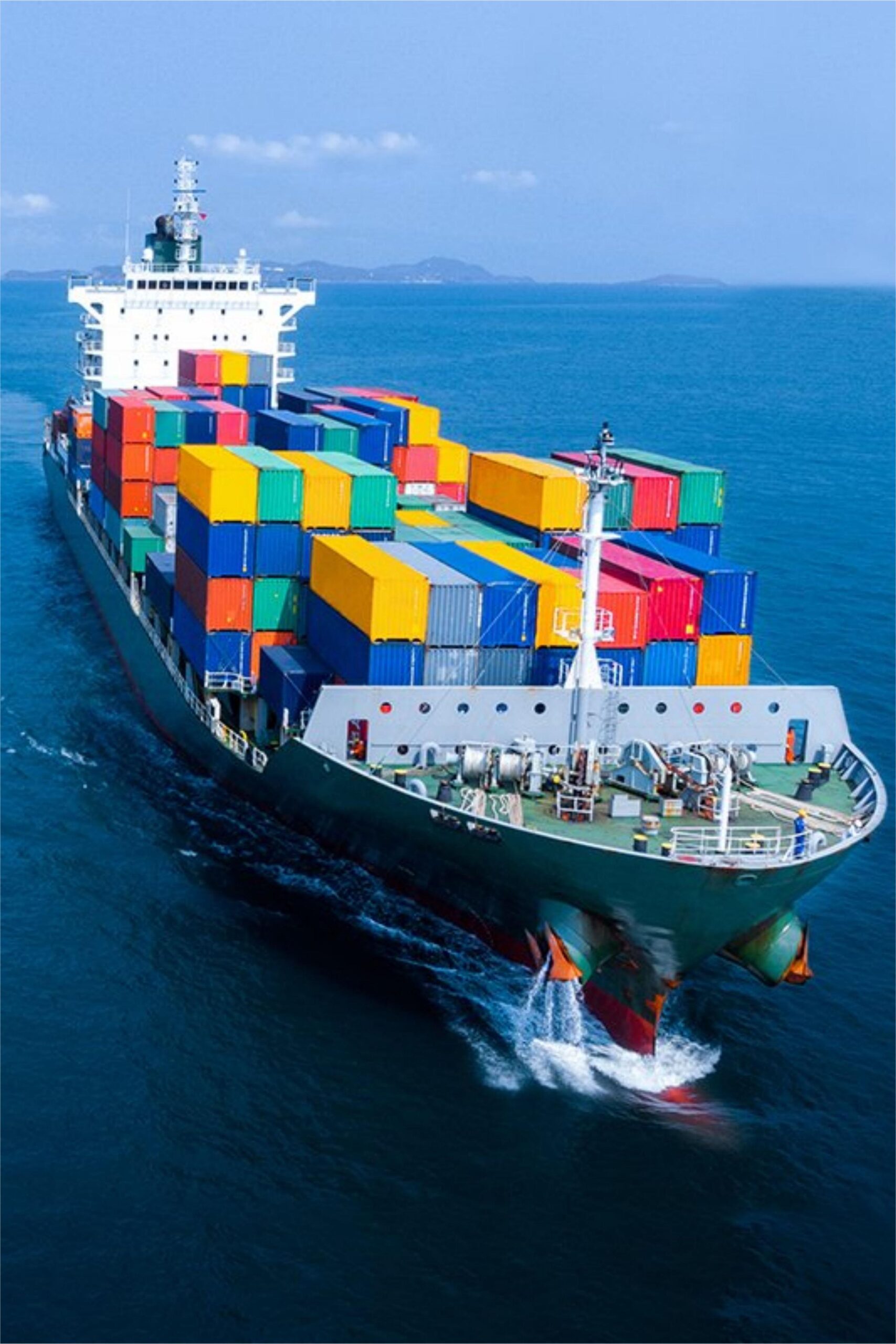
Shipping medical equipment from China to Spain using a 20-foot General Purpose Full Container Load (20GP FCL) offers a dedicated and secure transport solution. This method is ideal for larger volumes or sensitive medical devices that require an isolated environment. Indeed, it ensures your cargo remains untouched from origin to destination, minimizing handling risks.
A 20GP container typically measures 20 feet long, 8 feet wide, and 8.6 feet high. It provides approximately 33 cubic meters (CBM) of space, capable of holding around 28,000 kg (61,700 lbs) of gross weight. Consequently, this capacity makes it suitable for various medical supplies, hospital furniture, or diagnostic machinery. Moreover, it is a preferred choice for maintaining product integrity.
What Factors Influence 20GP FCL Shipping Costs?
Determining the exact 20GP FCL shipping cost for medical equipment from China to Spain involves several variables. These factors collectively contribute to the overall freight rate and logistics expenses. Therefore, a clear understanding of each component is essential for accurate budgeting. For instance, market fluctuations significantly impact pricing.
Based on current market rates as of early 2025, a 20GP FCL from major Chinese ports to Spain can range from approximately $1,800 to $2,500 for ocean freight alone. However, this is just one piece of the puzzle. Additional charges and surcharges must also be considered. Seasonality, such as the pre-Chinese New Year rush or peak holiday seasons in Europe, can increase rates by 15-25%.
| Cost Component | Description | Typical Range (USD) | Impact on Total |
|---|---|---|---|
| Ocean Freight | Base cost for container transport by sea. | $1,800 – $2,500 | High |
| Origin Charges (THC) | Terminal Handling Charges, documentation, customs declaration fees at loading port. | $200 – $400 | Medium |
| Destination Charges (DDC) | Destination Delivery Charges, terminal handling, port security fees at arrival port. | $300 – $600 | Medium |
| Customs Brokerage | Fees for customs clearance in China and Spain. | $150 – $350 per country | Medium |
| Insurance | Cargo insurance against loss or damage. | 0.3% – 0.5% of cargo value | Low |
| Duties & Taxes | Import duties and VAT in Spain (based on HS code and value). | Variable | High (can be 0-20%) |
| Inland Transport | Trucking from factory to port in China and from port to final destination in Spain. | $300 – $800+ | Medium |
How Do Transit Times Impact Your Medical Supply Chain?
Transit time is a critical factor for medical equipment, especially for time-sensitive or high-demand products. The journey from China to Spain typically involves a sea transit of 28 to 35 days for direct routes. However, this duration can extend due to various logistical factors. Consider the entire door-to-door timeline for better planning.
Port congestion, adverse weather conditions, and unforeseen customs delays can add several days to the estimated schedule. Moreover, transshipment routes, while sometimes offering lower costs, usually add 5-10 days to the overall transit. Therefore, choosing a reliable carrier and a direct service is often beneficial for medical device logistics. Learn more about efficient shipping solutions at sea freight services.
Navigating Customs and Compliance for Medical Devices
Importing medical equipment into Spain requires strict adherence to EU regulations and specific customs procedures. Medical devices are subject to stringent quality, safety, and documentation requirements. Consequently, incorrect classification or missing paperwork can lead to significant delays and penalties. An experienced customs broker is invaluable here.
Key documents typically include commercial invoice, packing list, bill of lading, certificate of origin, and relevant medical device certifications (e.g., CE marking, FDA if applicable). Furthermore, Harmonized System (HS) codes must be accurate to determine correct duties and taxes. Working with a dedicated partner for customs brokerage ensures a smoother process. Indeed, proactive preparation is key to avoiding disruptions in the healthcare supply chain.
How Does 20GP FCL Compare to Other Shipping Options?
Selecting the optimal shipping method for medical equipment depends on a balance of cost, speed, and cargo characteristics. While 20GP FCL offers cost-efficiency for larger volumes, other options might be more suitable for different scenarios. Understanding these alternatives helps in making informed decisions for your specific needs. Each method presents unique advantages and limitations.
For instance, air freight provides unparalleled speed but at a significantly higher cost. Conversely, Less than Container Load (LCL) sea freight is economical for smaller shipments that do not fill an entire 20GP container. Rail freight, while not directly applicable for China-Spain sea routes, offers an alternative for landlocked European destinations from China. Exploring hybrid solutions can also provide flexibility. Explore various options, including air freight services.
| Shipping Method | Cost Range (China-Spain) | Transit Time | Best For | Limitations |
|---|---|---|---|---|
| 20GP FCL Sea Freight | $1,800 – $2,500 (ocean freight) | 28-35 days | Large volumes, sensitive cargo, cost-efficiency | Slower, requires full container |
| LCL Sea Freight | $50 – $80 per CBM | 35-45 days | Small to medium volumes (<15 CBM), budget-conscious | Longer transit, more handling, potential delays |
| Air Freight | $5 – $10 per kg | 3-7 days | Urgent, high-value, small volume, cold chain | Very high cost, volume/weight restrictions |
| Rail Freight (to Europe) | $8,000 – $12,000 (40′ container) | 18-25 days (to Central Europe) | Time-sensitive but not urgent, landlocked regions | Not direct to Spain by rail, higher than sea, less capacity |
Which Option Should You Choose for Your Medical Equipment?
Deciding on the best shipping method involves evaluating your priorities. Several factors will guide your choice between 20GP FCL, LCL, or air freight. A strategic approach ensures both cost-effectiveness and timely delivery for your medical supplies. Consider your specific needs carefully.
If budget is your primary concern and you have sufficient volume to fill a 20GP, FCL sea freight is usually the most economical. Conversely, for urgent shipments like life-saving drugs or emergency diagnostic kits, air freight is indispensable, despite the higher cost. For smaller, non-urgent medical device components, LCL offers a balanced solution. Furthermore, cargo type, such as hazardous materials or items requiring strict temperature control, might necessitate specialized services. Therefore, always assess these elements before committing to a shipping method.
Case Studies: Real-World 20GP FCL Shipments to Spain
Examining real-world scenarios provides practical insights into the 20GP FCL shipping cost for medical equipment from China to Spain. These examples highlight typical challenges and successful strategies. They demonstrate how various factors influence the overall logistics process. Based on Q3 2024 market rates, these cases offer a realistic perspective.
Case Study 1: Diagnostic Kits to Valencia Hospital
This shipment involved essential diagnostic kits for a hospital network in Valencia. The client prioritized cost-efficiency while ensuring cargo integrity. A direct FCL service was chosen to minimize handling and transit time. This approach proved successful in meeting both budgetary and delivery requirements.
| Detail | Description |
|---|---|
| Route | Shanghai, China -> Valencia, Spain |
| Cargo | Diagnostic Kits, 30 CBM, 15,000 kg |
| Container | 20GP FCL |
| Shipping Details | Carrier: COSCO, Port of Loading: Shanghai, Port of Discharge: Valencia, Route Type: Direct |
| Cost Breakdown | Ocean Freight: $2,100, Origin Charges: $350, Destination Charges: $450, Customs & Duties (estimated): $0 (duty-free), Total Landed Cost: $2,900 (excluding inland Spain) |
| Timeline | Booking to Loading: 5 days, Sea Transit: 30 days, Customs Clearance: 2 days, Total Door-to-Port: 37 days |
| Key Insight | Direct FCL service ensured minimal handling and predictable transit for sensitive medical cargo. |
Case Study 2: Hospital Furniture to Barcelona Clinic
A medical clinic in Barcelona needed a large consignment of hospital beds and examination tables. Due to the volume and non-urgent nature, 20GP FCL offered the best value. Careful planning for inland transport in Spain was crucial given the bulky nature of the cargo. This shipment demonstrated effective management of oversized medical equipment.
| Detail | Description |
|---|---|
| Route | Ningbo, China -> Barcelona, Spain |
| Cargo | Hospital Beds & Examination Tables, 32 CBM, 18,000 kg |
| Container | 20GP FCL |
| Shipping Details | Carrier: Maersk, Port of Loading: Ningbo, Port of Discharge: Barcelona, Route Type: Transshipment via Singapore |
| Cost Breakdown | Ocean Freight: $1,950, Origin Charges: $320, Destination Charges: $480, Customs & Duties (estimated): $150 (small duty), Total Landed Cost: $2,900 (excluding inland Spain) |
| Timeline | Booking to Loading: 7 days, Sea Transit: 38 days, Customs Clearance: 3 days, Total Door-to-Port: 48 days |
| Key Insight | Transshipment saved on ocean freight but added 8 days to transit. Effective for non-urgent, bulky items. |
Optimizing Your Shipping Strategy: Tips for Cost Savings
Reducing your 20GP FCL shipping cost for medical equipment involves strategic planning and leveraging expert services. Several approaches can help minimize expenses without compromising safety or compliance. Implementing these tips can significantly impact your bottom line. Moreover, long-term partnerships with freight forwarders can yield consistent savings.
Firstly, consolidate shipments whenever possible to fully utilize the 20GP container’s capacity. This reduces per-unit shipping costs substantially. Secondly, plan well in advance to avoid peak season surcharges and last-minute expedited fees. Booking early can secure better rates. Thirdly, consider a door-to-door service, which often provides a single, transparent quote covering all logistics. This simplifies budgeting and coordination. Finally, engaging a freight forwarder with strong relationships with carriers can unlock better rates and reliable service. They can also advise on optimal routes and customs procedures.
Why Choose a Specialized Freight Forwarder for Medical Equipment?
Shipping medical equipment demands more than just moving cargo; it requires specialized knowledge and meticulous attention to detail. A freight forwarder experienced in healthcare logistics understands the unique challenges involved. This includes regulatory compliance, temperature control, and secure handling. Choosing the right partner is crucial for peace of mind.
A specialized forwarder can navigate the complex customs requirements for medical devices in both China and Spain. They can also ensure proper documentation and classification, preventing costly delays. Furthermore, they offer solutions for sensitive cargo, such as cold chain logistics if needed. Their expertise minimizes risks and optimizes your supply chain efficiency. Consequently, this allows you to focus on your core business. Consider exploring comprehensive express service options for urgent needs.
Streamlining Your Medical Equipment Shipments to Spain
The 20GP FCL shipping cost for medical equipment from China to Spain is a multifaceted calculation, influenced by ocean freight, surcharges, customs, and inland transport. Understanding these components is vital for effective supply chain management. By carefully considering transit times, compliance, and alternative shipping methods, businesses can make informed decisions. Furthermore, partnering with an experienced freight forwarder is crucial for navigating the complexities of international medical device logistics.
Optimizing your shipping strategy ensures not only cost savings but also the safe and timely delivery of essential healthcare products. Ultimately, this supports the critical needs of the medical sector in Spain. Always remember: Freight rates are subject to change based on fuel costs, carrier capacity, and seasonal demand. Contact us for a current quote tailored to your specific shipment.
Ready to streamline your logistics?
Ready to optimize your 20GP FCL shipping cost for medical equipment from China to Spain? Contact our experts today for a tailored quote and seamless logistics solutions. We are committed to providing reliable and efficient service for your valuable cargo.
Request Quote