

20GP FCL Booking: Machinery China to Netherlands
Shipping heavy machinery from China to the Netherlands can seem daunting, yet understanding the 20GP FCL booking process is crucial for success. Businesses often face challenges with complex logistics, unexpected costs, and lengthy transit times. Fortunately, navigating these international freight complexities is simpler with expert guidance from Top China Forwarder. This guide will demystify the entire process, ensuring your valuable equipment arrives safely and on schedule.
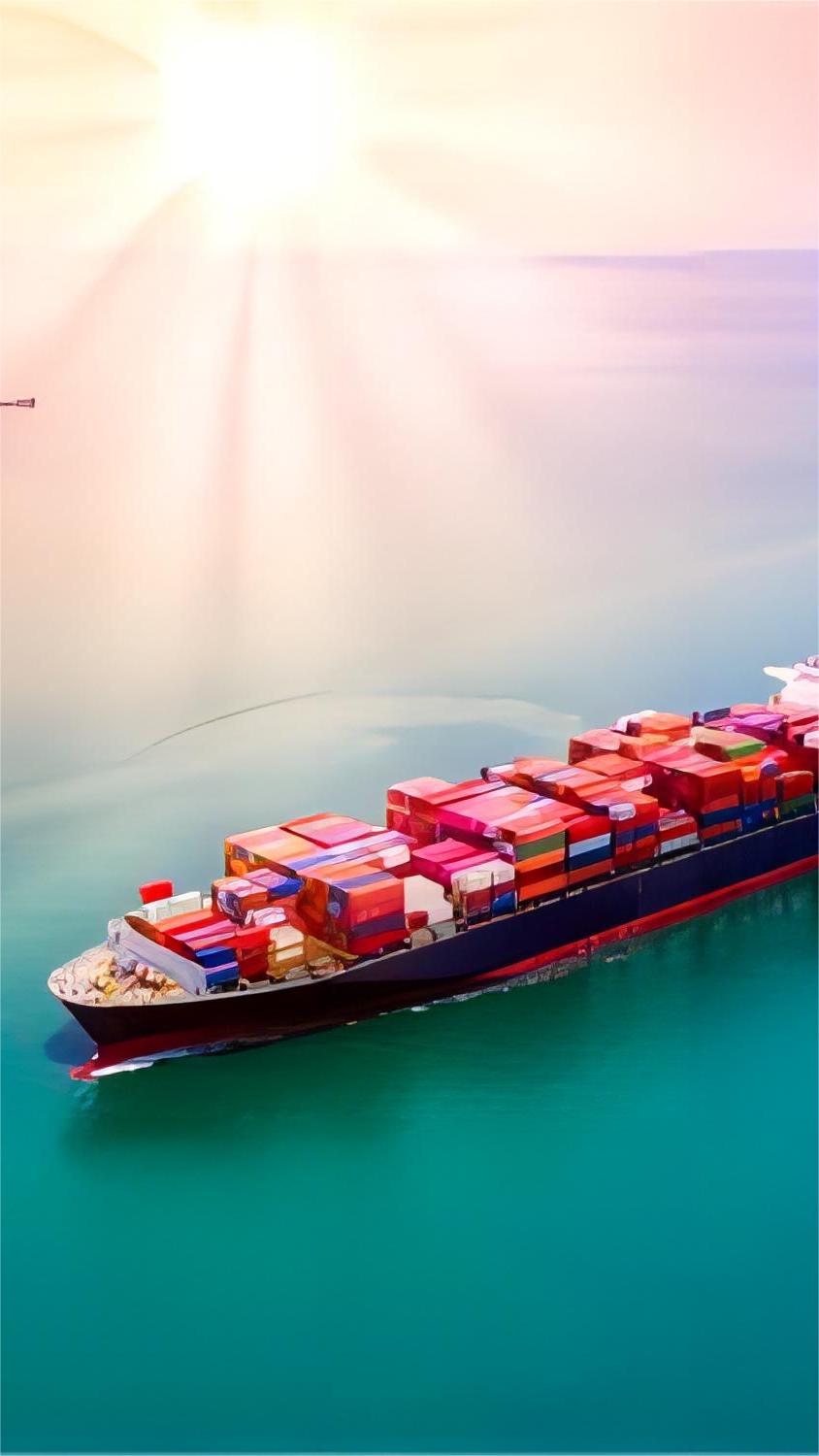
What is 20GP FCL Shipping for Machinery?
A 20GP (General Purpose) Full Container Load (FCL) refers to using an entire 20-foot shipping container exclusively for your cargo. This method is particularly suitable for machinery, offering dedicated space and enhanced security. Consequently, your goods are not consolidated with other shippers’ cargo, minimizing handling risks.
Furthermore, choosing FCL means your machinery remains sealed from origin to destination, which significantly reduces the potential for damage or loss. This option provides a more predictable transit schedule and greater control over the shipping process, making it ideal for high-value or sensitive industrial equipment.
How to Book Your 20GP FCL Shipment from China to Netherlands?
Booking a 20GP FCL shipment requires careful planning and execution to ensure a smooth journey for your machinery. Firstly, obtaining an accurate quote is essential, considering cargo details, origin, destination, and required services. Subsequently, you will confirm the booking with your chosen freight forwarder, initiating the logistical arrangements.
Next, prepare your machinery for shipment, ensuring proper packaging and labeling according to international standards. Following this, the container will be transported to the loading point, where your machinery is expertly loaded and secured. Finally, once the container is sealed, it begins its journey to the port of loading, a critical step in the sea freight process.
What Documentation is Required for Machinery Imports to the Netherlands?
Accurate and complete documentation is paramount for successful customs clearance when shipping machinery from China to the Netherlands. Initially, you will need a Commercial Invoice detailing the goods’ value, quantity, and description, alongside a comprehensive Packing List. Moreover, the Bill of Lading (B/L) serves as the contract of carriage and title to the goods, crucial for release at the destination port.
Additionally, depending on the type of machinery, various certificates may be necessary, such as CE marking for conformity with EU health, safety, and environmental protection standards. Therefore, engaging an experienced provider for customs brokerage ensures all regulatory requirements are met, preventing costly delays and penalties upon arrival.
What are the Costs and Transit Times for 20GP FCL to the Netherlands?
Understanding the financial implications and timeframes is vital for planning your machinery import from China to the Netherlands. Shipping costs for a 20GP FCL typically include ocean freight, origin charges (e.g., terminal handling, documentation), and destination charges (e.g., port fees, drayage). Furthermore, import duties and VAT in the Netherlands will significantly impact the total landed cost.
Typically, the sea transit time for a 20GP FCL from major Chinese ports like Shanghai or Ningbo to Rotterdam ranges from 28 to 35 days. However, factors such as port congestion, carrier schedules, and seasonal demand can influence these timings. Thus, obtaining a detailed quote that outlines all potential expenses and provides an estimated delivery schedule is always recommended.
Disclaimer: Freight rates are subject to change based on fuel costs, carrier capacity, and seasonal demand. Contact us for a current quote tailored to your specific shipment.
| Cost Component | Estimated Range (USD) | Description |
|---|---|---|
| Ocean Freight | $1,800 – $2,500 | Base cost for container transport |
| Origin Charges | $300 – $500 | Terminal handling, documentation, customs declaration in China |
| Destination Charges | $400 – $600 | Terminal handling, port security, delivery order fee in Netherlands |
| Customs Duties & VAT | Variable | Based on HS code, value, and Dutch import regulations |
| Inland Haulage (NL) | $200 – $500 | Transport from Rotterdam port to final delivery point |
How Does 20GP FCL Compare to Other Shipping Options?
While 20GP FCL is a strong contender for machinery, evaluating alternative shipping methods is crucial for optimizing your supply chain. For instance, Less than Container Load (LCL) might be suitable for smaller machinery volumes, consolidating cargo with others. Conversely, air freight offers unparalleled speed for urgent or high-value, lightweight equipment, significantly reducing air freight transit times.
Moreover, rail freight presents a viable middle ground, offering faster transit than sea freight and lower costs than air freight for shipments to inland Europe. However, rail services may have limitations regarding cargo dimensions and specific origin/destination points. Therefore, selecting the optimal method depends heavily on your budget, urgency, and cargo specifications.
| Shipping Method | Cost Range (20GP Equivalent) | Transit Time (Days) | Key Considerations |
|---|---|---|---|
| 20GP FCL Sea Freight | $1,800 – $2,500 | 28 – 35 | Large, heavy machinery; cost-effective for volume and security |
| LCL Sea Freight | $80 – $150 per CBM | 30 – 40 | Smaller machinery (under 15 CBM); flexible volume, more handling |
| Rail Freight | $6,000 – $9,000 | 18 – 25 | Medium-sized machinery; faster than sea, cheaper than air, limited terminals |
| Air Freight | $12,000 – $25,000 | 3 – 7 | Urgent, high-value, smaller machinery; fastest option, highest cost |
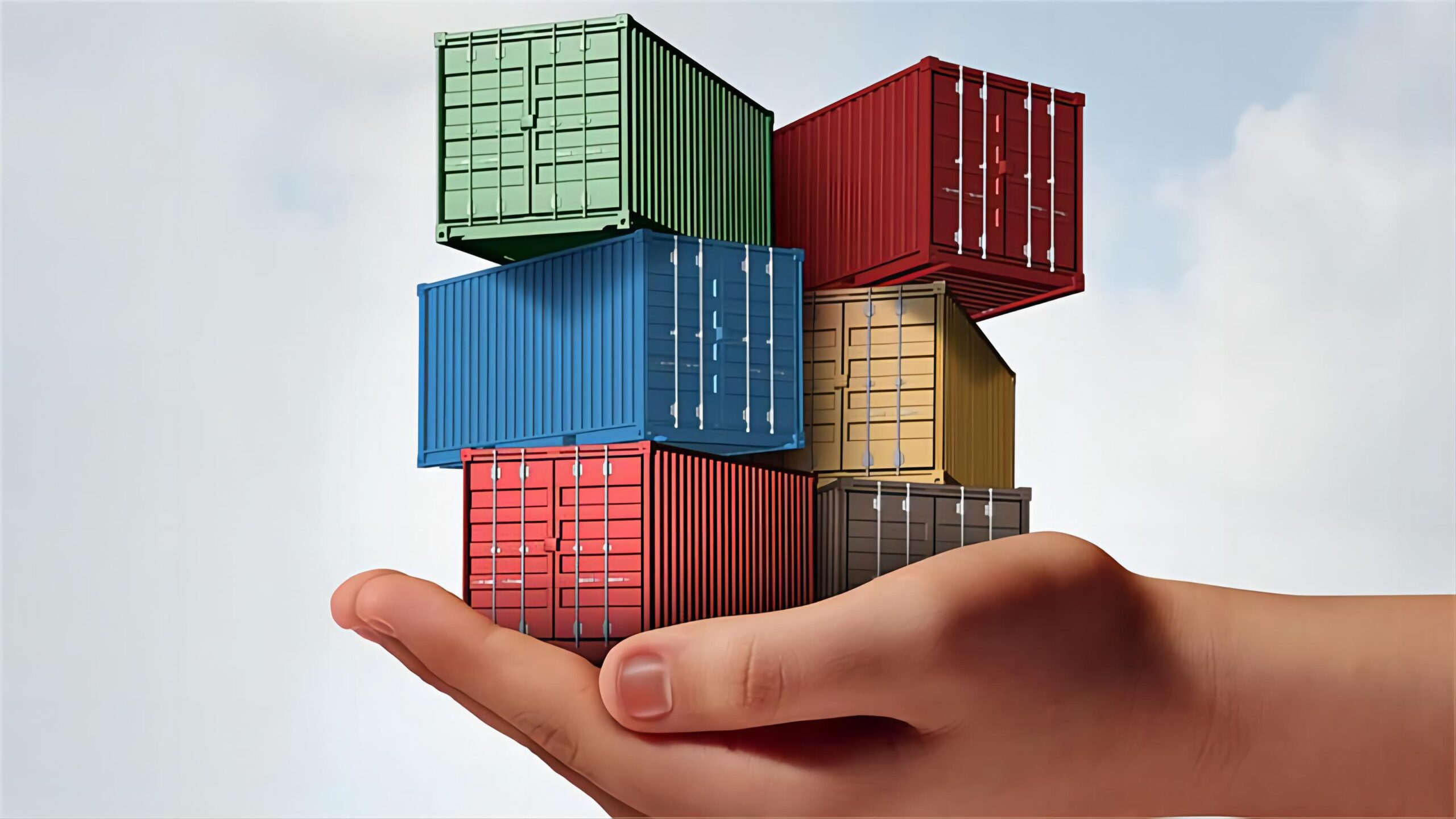
Optimizing Your Machinery Shipments: Alternative Strategies
Beyond selecting a primary shipping method, several strategies can further optimize your machinery imports from China. For example, considering door-to-door services can streamline the entire logistics chain, minimizing your involvement in complex handovers. This comprehensive approach covers everything from factory pickup to final delivery, simplifying the international logistics process.
Furthermore, exploring transshipment options through major hubs can sometimes offer cost savings, although it might add a few days to the transit time. Hybrid solutions, such as sea-air combinations, are also emerging for specific routes and urgency levels. These provide a balance between speed and cost, effectively bridging the gap between traditional sea and air freight.
Making the Right Choice: A Decision Framework for Your Shipment
Deciding on the best shipping method for your machinery to the Netherlands involves weighing various critical factors. If budget is your primary concern and time allows, 20GP FCL sea freight typically offers the most economical solution for larger volumes. However, for urgent deliveries where speed is paramount, air freight becomes the clear choice, despite its higher cost.
Conversely, if your machinery is not time-sensitive but too small for a full container, LCL sea freight provides a flexible, cost-effective alternative. For those seeking a balance between speed and cost, especially for inland European destinations, rail freight presents a robust option. Ultimately, the best choice aligns with your specific cargo characteristics, timeline, and financial constraints.
Successful Machinery Shipments from China to the Netherlands
Examining real-world scenarios provides valuable insights into the practicalities of shipping machinery. These case studies highlight how different approaches address specific logistical challenges and contribute to successful import operations. Understanding these examples can help you anticipate potential issues and plan more effectively for your own shipments.
Case Study 1: Large Industrial Press to Rotterdam
This case involved a heavy industrial press, critical for a manufacturing plant’s expansion. The client prioritized cost-effectiveness and security for their valuable equipment, making 20GP FCL the ideal choice. Based on Q3 2024 market rates, the shipment proceeded smoothly.
| Detail | Description |
|---|---|
| Route | Shanghai, China -> Rotterdam, Netherlands |
| Cargo | Industrial Hydraulic Press, 25 CBM, 18,000 kg |
| Container | 1 x 20GP FCL |
| Shipping Details | Carrier: COSCO, Port of Loading: Shanghai, Port of Discharge: Rotterdam, Route Type: Direct |
| Cost Breakdown | Ocean Freight: $2,100; Origin Charges: $450; Destination Charges: $550; Customs & Duties (estimated): $1,200; Total Landed Cost: $4,300 |
| Timeline | Booking to Loading: 5 days; Sea Transit: 30 days; Customs Clearance: 3 days; Total Door-to-Door: 38 days |
| Key Insight | Direct FCL service ensured minimal handling and predictable delivery for critical equipment. |
Case Study 2: Precision CNC Machine to Amsterdam
A manufacturer needed to import a precision CNC machine with strict delivery deadlines. While air freight was considered, the volume pushed it towards FCL sea freight with careful timing. Typical rates as of early 2025 were managed effectively.
| Detail | Description |
|---|---|
| Route | Ningbo, China -> Amsterdam, Netherlands (via Rotterdam) |
| Cargo | Precision CNC Machining Center, 20 CBM, 12,000 kg |
| Container | 1 x 20GP FCL |
| Shipping Details | Carrier: Maersk, Port of Loading: Ningbo, Port of Discharge: Rotterdam, Route Type: Transshipment (minor) |
| Cost Breakdown | Ocean Freight: $1,950; Origin Charges: $420; Destination Charges: $500; Customs & Duties (estimated): $950; Total Landed Cost: $3,820 |
| Timeline | Booking to Loading: 6 days; Sea Transit: 32 days; Customs Clearance: 4 days; Total Door-to-Door: 42 days |
| Key Insight | Careful coordination of inland transport from Rotterdam to Amsterdam was key for timely delivery. |
Case Study 3: Multiple Small Production Units to Utrecht
This scenario involved shipping several smaller, yet heavy, production units for a new assembly line. Consolidating them into a single 20GP FCL proved more cost-effective than multiple LCL shipments, especially considering the need for coordinated delivery. Market data suggests this approach is often optimal for similar cargo.
| Detail | Description |
|---|---|
| Route | Qingdao, China -> Utrecht, Netherlands (via Rotterdam) |
| Cargo | 3 Production Line Modules, 22 CBM, 15,000 kg |
| Container | 1 x 20GP FCL |
| Shipping Details | Carrier: MSC, Port of Loading: Qingdao, Port of Discharge: Rotterdam, Route Type: Direct |
| Cost Breakdown | Ocean Freight: $2,050; Origin Charges: $480; Destination Charges: $580; Customs & Duties (estimated): $1,100; Total Landed Cost: $4,210 |
| Timeline | Booking to Loading: 7 days; Sea Transit: 33 days; Customs Clearance: 3 days; Total Door-to-Door: 43 days |
| Key Insight | Consolidating multiple units into one FCL saved costs compared to LCL, despite requiring careful internal loading plans. |
Current Market Insights for China-Netherlands Shipping
The global logistics landscape is dynamic, with various factors influencing freight rates and transit times for the China-Netherlands route. As of Q1 2025, freight rates from China to Europe have generally stabilized after the volatility caused by the 2024 Red Sea disruptions. However, capacity management by carriers remains a key factor, potentially leading to minor fluctuations.
Furthermore, seasonal patterns, such as the pre-Chinese New Year rush and the August-October peak season, typically see rates increase by 15-25%. Therefore, planning shipments outside these periods or booking well in advance can lead to significant cost savings. Industry benchmarks indicate that proactive planning and flexible scheduling are crucial for managing supply chain costs effectively.
Disclaimer: Freight rates are subject to change based on fuel costs, carrier capacity, and seasonal demand. Contact us for a current quote tailored to your specific shipment.
Conclusion
Navigating the 20GP FCL booking process for machinery from China to the Netherlands demands expertise and meticulous planning. By understanding the critical steps, documentation, costs, and available alternatives, you can ensure efficient and secure delivery of your valuable equipment. Partnering with a reliable freight forwarder ultimately simplifies these complexities, guaranteeing a smooth import experience.
Ready to streamline your logistics?
Ready to streamline your machinery imports from China to the Netherlands? Our team of experts is prepared to guide you through every step of the 20GP FCL booking process for machinery. Contact us today for a personalized quote and discover how hassle-free international shipping can be.
Request Quote