

Best FCL Shipping From Shenzhen to Italy: Your Ultimate Guide
Navigating international logistics can be complex, especially when seeking the best FCL shipping from Shenzhen to Italy. Businesses constantly search for reliable and cost-effective solutions to move their full container loads across continents. This comprehensive guide, brought to you by Top China Forwarder, will demystify the process, offering insights into optimizing your cargo journey from China to Italy.
Why Choose FCL Shipping for Your Shenzhen to Italy Route?
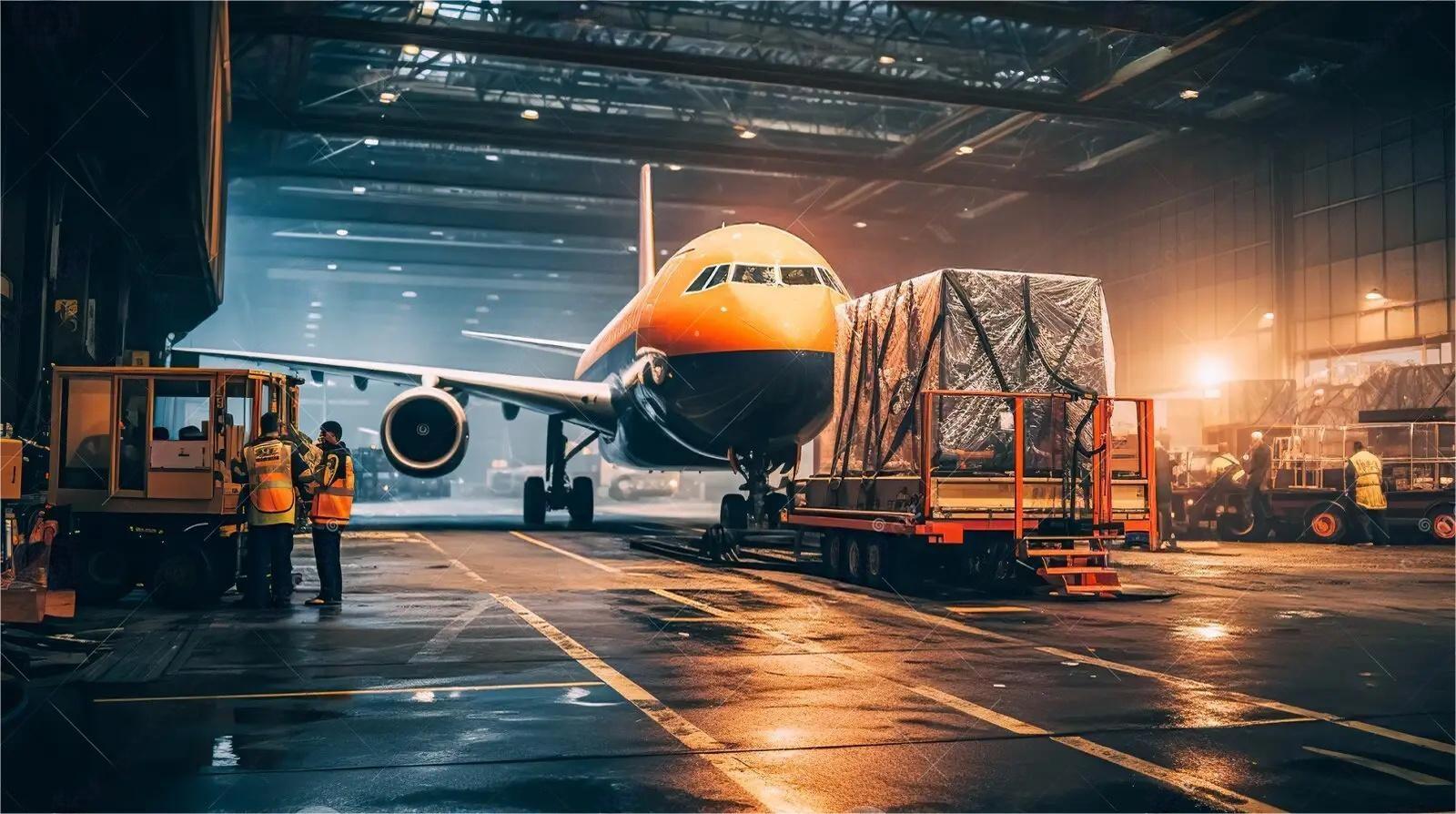
FCL (Full Container Load) offers significant advantages for businesses shipping substantial volumes. Indeed, it provides dedicated container space, reducing handling and potential damage to your cargo. Furthermore, opting for FCL often translates to faster transit times and more predictable delivery schedules compared to Less than Container Load (LCL) shipments.
This method is particularly ideal for large consignments, ensuring your goods remain secure and untouched from origin to destination. Ultimately, businesses seeking efficiency and security for their full container load shipping costs often prioritize FCL. Therefore, for considerable cargo, FCL remains the most reliable option.
Key Factors Influencing FCL Shipping Costs from Shenzhen to Italy
Several variables determine the overall FCL ocean freight China to Italy cost. Firstly, the type and size of the container (20GP, 40GP, 40HQ) directly impact the base freight rate. Moreover, fluctuating fuel surcharges, known as Bunker Adjustment Factor (BAF), and currency exchange rates play a significant role.
Additionally, port charges at both Shenzhen and Italian ports, along with customs duties and VAT, contribute to the total landed cost. Therefore, understanding these components is crucial for accurate budget planning and optimizing your freight rates Shenzhen to Europe. Market data suggests these factors can cause price variations.
How Does FCL Shipping Compare to Other Options?
When considering shipping large volumes to Italy, FCL is a primary choice, but other methods offer distinct advantages depending on your priorities. For example, air freight provides unparalleled speed, while LCL is suitable for smaller consignments. Consequently, a comprehensive comparison is essential.
Here is a breakdown of common shipping methods for your cargo from China to Italy. This table helps illustrate the trade-offs between cost, speed, and suitability for various logistics solutions China to Italy.
| Shipping Method | Cost Range (40HQ) | Transit Time | Best For | Limitations |
|---|---|---|---|---|
| FCL Sea Freight | $3,000-4,200 | 28-35 days | Large volumes, cost-efficiency, non-urgent | Slower, port congestion risk |
| LCL Sea Freight | $50-80/CBM | 35-45 days | Smaller volumes (under 15 CBM), cost-efficient | Slower, more handling, less predictable |
| Air Freight | $15,000-25,000 | 5-7 days | Urgent, high-value, perishable goods | Very expensive, volume/weight restrictions |
| Rail Freight | $8,000-12,000 | 18-22 days | Urgent but less critical than air, heavier goods | Limited routes, less capacity than sea |
Navigating Transit Times and Routes from Shenzhen to Italy
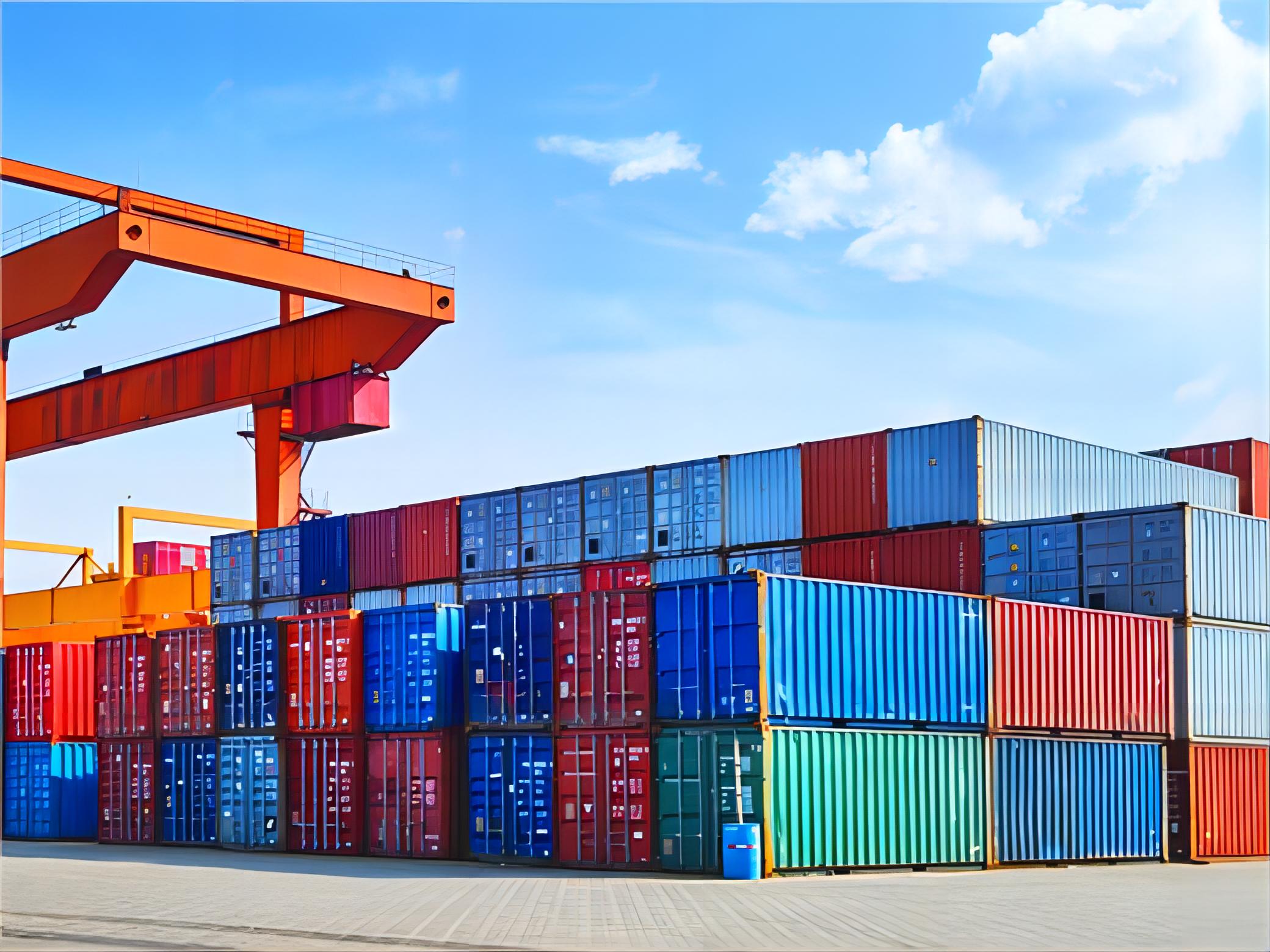
The typical transit time for FCL shipping from Shenzhen to Italy via direct sea routes ranges from 28 to 35 days. However, this can be influenced by factors such as carrier schedule integrity, weather conditions, and port congestion at key hubs like Genoa, Livorno, or La Spezia. Transshipment routes, though sometimes cheaper, can add 5-7 days to the journey.
Major shipping lines like Maersk, MSC, and COSCO offer regular services, ensuring frequent departures. Understanding the specific vessel schedule and potential delays is critical for effective supply chain management. Moreover, choosing a direct service often minimizes risks associated with additional handling, which is vital for your delivery schedule.
Essential Documentation and Customs Clearance for Italy Imports
Successfully importing goods into Italy requires meticulous attention to documentation. Indeed, a commercial invoice, packing list, bill of lading (B/L), and certificate of origin are standard requirements. Furthermore, depending on the cargo type, additional permits or licenses may be necessary.
Italian customs authorities enforce strict regulations, making accurate declarations paramount. Engaging a professional for customs brokerage expertise can prevent costly delays and penalties. Consequently, understanding Incoterms (International Commercial Terms) is vital for defining responsibilities between buyer and seller, ensuring smooth import/export processes.
Optimizing Your FCL Supply Chain for Efficiency and Cost Savings
To truly achieve the best FCL shipping from Shenzhen to Italy, optimizing your supply chain is key. Consolidating orders to fill containers effectively reduces per-unit shipping costs. Moreover, strategic planning around peak seasons can help avoid inflated rates and severe delays.
Consider utilizing sea freight services for non-urgent, high-volume goods. Furthermore, exploring long-term contracts with reliable freight forwarders can secure stable rates. Implementing robust cargo insurance FCL policies also protects against unforeseen losses, enhancing overall supply chain resilience.
Cost-Saving Strategies
To minimize expenses, always compare quotes from multiple carriers and freight forwarders. Booking well in advance, particularly outside peak shipping seasons, can yield better rates. Furthermore, optimizing container loading to maximize space utilization directly reduces unit costs.
Consider flexible delivery schedules if possible, as fixed-day departures might incur premium pricing. Additionally, understanding all surcharges upfront prevents unexpected costs upon arrival, contributing to better budget management.
Risk Management and Cargo Security
Mitigating risks is essential for secure cargo transport. Implement thorough quality control at the origin to prevent shipping defective goods. Proper packaging and labeling are crucial for safe transit.
Furthermore, choose freight forwarders with a strong track record and comprehensive insurance options. Staying informed about potential port congestion or geopolitical issues can help proactive planning and rerouting, ensuring your cargo handling is smooth.
Case Studies: Successful FCL Shipments from Shenzhen to Italy
Examining real-world scenarios provides valuable insights into successful FCL operations. These examples highlight typical challenges and effective strategies for secure cargo transport Italy. Based on Q3 2024 market rates, these cases illustrate common outcomes.
These cases demonstrate how strategic carrier selection and route planning impact both cost and delivery schedule. Note: Freight rates are subject to change based on fuel costs, carrier capacity, and seasonal demand. Contact us for a current quote tailored to your specific shipment.
Case Study 1: Automotive Parts to Turin
This case involved a manufacturer of automotive components requiring regular, reliable shipments to Italy. The client prioritized consistent transit times and cargo safety.
| Detail | Description |
|---|---|
| Route | Shenzhen, China -> Turin, Italy |
| Cargo | Automotive parts (engine components), 55 CBM, 18,000 kg |
| Container | 40HQ |
| Shipping Details | Carrier: MSC, Port of Loading: Shenzhen, Port of Discharge: Genoa, Route Type: Direct |
| Cost Breakdown | Ocean Freight: $3,500, Origin Charges: $450, Destination Charges: $550, Customs & Duties (est.): $800, Total Landed Cost: $5,300 |
| Timeline | Booking to Loading: 5 days, Sea Transit: 30 days, Customs Clearance: 2 days, Total Door-to-Door: 38 days |
| Key Insight | Consistent booking with a single carrier secured competitive rates and prioritized container space during peak season. |
Case Study 2: Consumer Electronics to Milan
A distributor of consumer electronics needed a fast, yet economical, FCL solution for their new product launch. Balancing speed with cost was crucial for this shipment.
| Detail | Description |
|---|---|
| Route | Shenzhen, China -> Milan, Italy |
| Cargo | Consumer electronics (smart devices), 60 CBM, 15,000 kg |
| Container | 40HQ |
| Shipping Details | Carrier: COSCO, Port of Loading: Yantian (Shenzhen), Port of Discharge: La Spezia, Route Type: Transshipment via Singapore |
| Cost Breakdown | Ocean Freight: $3,200, Origin Charges: $400, Destination Charges: $500, Customs & Duties (est.): $750, Total Landed Cost: $4,850 |
| Timeline | Booking to Loading: 7 days, Sea Transit: 35 days, Customs Clearance: 3 days, Total Door-to-Door: 45 days |
| Key Insight | Opting for a transshipment route offered a lower freight rate, but added 5 days to the overall transit time. Typical rates as of early 2025. |
Which FCL Option Should You Choose for Your Italy-bound Cargo?
Selecting the optimal FCL shipping strategy depends heavily on your specific business priorities. Indeed, balancing cost, speed, and reliability is paramount for optimizing supply chain China Europe. Market data suggests careful planning is essential.
Consider these factors to make an informed decision for your Shenzhen to Genoa shipping.
Budget Priority
If cost-effectiveness is your primary concern, standard FCL sea freight is the clear choice. Furthermore, booking during off-peak seasons and consolidating shipments can further reduce expenses. However, be prepared for longer transit times.
This approach allows for significant savings on shipping costs, especially for non-urgent deliveries.
Speed Priority
For urgent shipments, while air freight is fastest, rail freight offers a viable compromise between speed and cost for shipping to Europe. Direct sea services also shave off days compared to transshipment routes.
Choosing direct routes or premium sea services can significantly impact your delivery schedule, albeit at a slightly higher cost.
Cargo Type Considerations
Fragile or high-value goods benefit from FCL’s direct loading and minimal handling. Perishable items, conversely, often require specialized reefer containers and faster transit, sometimes necessitating air freight. For standard dry goods, FCL remains the most versatile option.
Specialized cargo handling ensures the integrity of your products throughout the journey.
Volume Thresholds
Generally, if your cargo exceeds 15-20 CBM, FCL becomes more economical than LCL. Moreover, filling a 20GP or 40HQ container maximizes cost efficiency per cubic meter. For smaller volumes, LCL remains a viable alternative.
Understanding these thresholds helps in making informed decisions about container utilization and overall freight rates.
Why Partner with a Reliable Freight Forwarder for FCL Shipping?
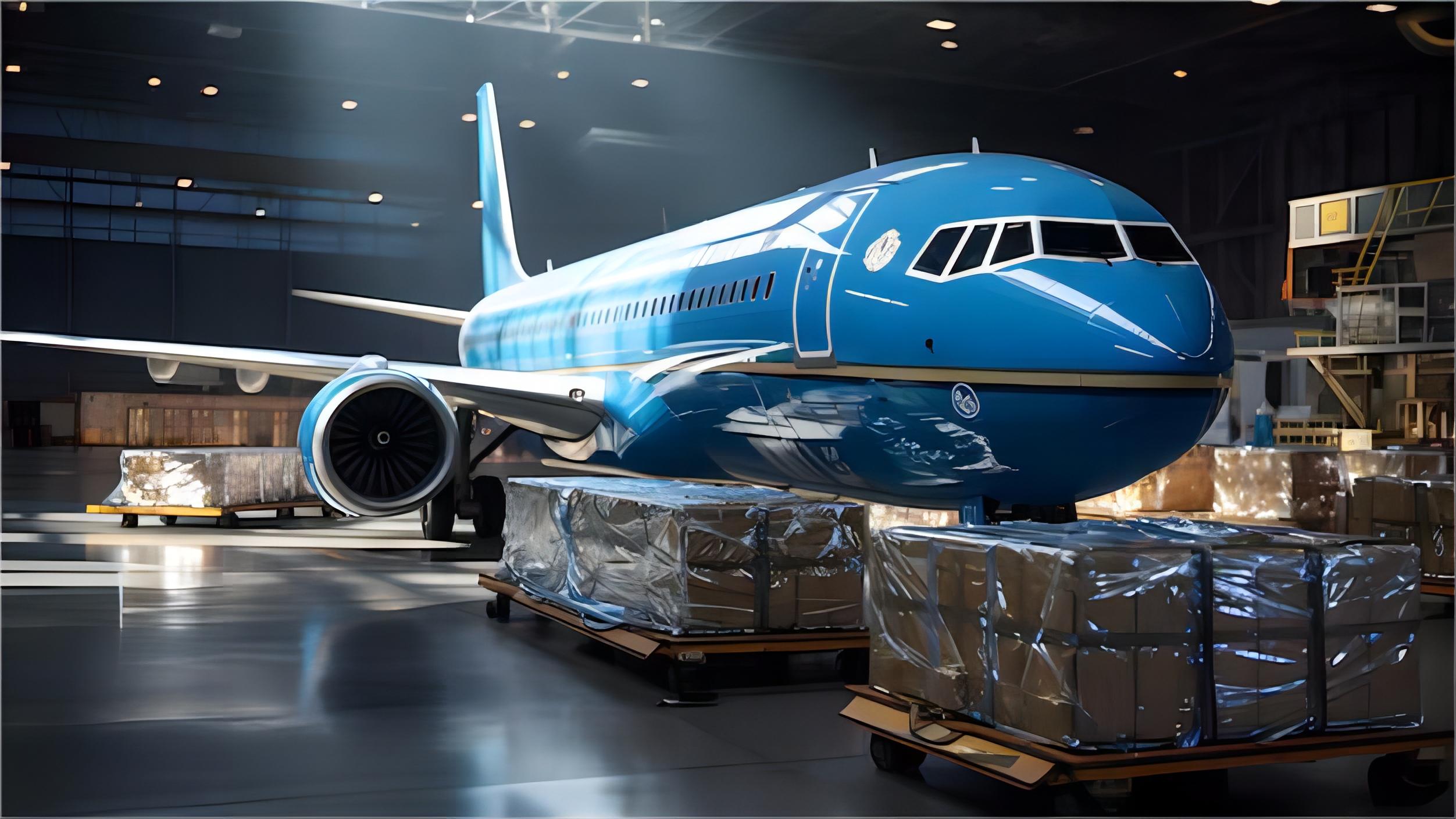
A proficient freight forwarder is indispensable for seamless international shipping. They navigate complex regulations, negotiate rates, and manage all logistics from origin to destination. Indeed, a good forwarder provides crucial insights into logistics trends and potential delays.
Furthermore, they offer comprehensive services, including customs clearance and door-to-door delivery, streamlining your operations. For instance, a reliable partner ensures your delivery schedule is met with minimal disruption, providing peace of mind for your import/export needs.
Conclusion
In conclusion, securing the best FCL shipping from Shenzhen to Italy requires careful consideration of costs, transit times, and service reliability. By understanding the various factors at play and strategically planning your shipments, businesses can achieve significant efficiencies.
Partnering with an experienced freight forwarder is crucial for navigating the complexities and ensuring a smooth, cost-effective journey for your full container loads. This strategic approach ultimately contributes to a robust and predictable supply chain.
Start Your Shipment
Ready to optimize your best FCL shipping from Shenzhen to Italy? Contact our experts today for a personalized quote and tailored logistics solutions. We are committed to providing efficient and reliable full container load services to meet your specific business needs.
Request Quote