

Cheap LCL Shipping from Shenzhen to Belgium: Your Cost-Effective Guide
“Navigating international logistics can be complex, especially when seeking cost-effective solutions for smaller shipments. For businesses looking to optimize their supply chain, finding cheap LCL shipping from Shenzhen to Belgium is a critical step. This comprehensive guide will help you understand the process, costs, and best practices to ensure your cargo arrives safely and affordably. Learn more about our services at Top China Forwarder.”

Understanding LCL Shipping for Your Belgium-Bound Cargo
❖Less than Container Load (LCL) shipping presents an excellent option for businesses with smaller volumes of goods. Instead of paying for an entire container, your cargo shares space with other shipments. This method is particularly beneficial for those who do not have enough goods to fill a full container (FCL).
Indeed, LCL consolidation allows multiple consignments to be grouped together. This aggregation happens at a consolidation warehouse in Shenzhen. Consequently, the combined cargo then travels as a single unit to a destination port in Belgium, such as Antwerp or Zeebrugge.
What is LCL Shipping?
LCL shipping, by definition, involves transporting cargo that occupies only a portion of a standard shipping container. Your goods are loaded alongside other shippers’ freight. This strategy significantly reduces individual shipping costs, making it a popular choice for small and medium-sized enterprises (SMEs).
Moreover, the freight forwarder handles the consolidation and deconsolidation processes. They manage all the logistics involved in grouping disparate shipments. This includes proper packaging and labeling to ensure cargo integrity throughout the journey to Belgium.
Benefits of Choosing LCL for Cost-Effective Shipping
Opting for LCL offers several distinct advantages, especially when seeking cheap LCL shipping from Shenzhen to Belgium. Primarily, it provides significant cost savings compared to FCL for smaller volumes. You only pay for the space your cargo occupies.
Furthermore, LCL offers greater flexibility for businesses. It allows for more frequent shipments of smaller quantities, which can improve inventory management. This approach helps reduce warehousing costs and allows for quicker market response times in Belgium.
Additionally, LCL shipping can be a more sustainable option. By maximizing container space, it reduces the overall carbon footprint per shipment. This aligns with modern environmental considerations in global logistics.
Key Factors Influencing Cheap LCL Shipping Costs from Shenzhen to Belgium
❖Many elements contribute to the overall cost of LCL shipping from Shenzhen to Belgium. Understanding these factors is crucial for securing the most competitive rates. Proper planning and attention to detail can lead to substantial savings on your freight.
Therefore, businesses must consider all components of the shipping quote. This includes not just the ocean freight but also various surcharges and local fees. Being informed empowers you to negotiate better terms and anticipate expenses.
Freight Rates: Volume, Weight, and Commodity
LCL freight rates are primarily calculated based on the chargeable weight or volume of your cargo, whichever is greater. Typically, 1 cubic meter (CBM) is equivalent to 1000 kg for calculation purposes. Knowing your cargo’s exact dimensions and weight is essential for accurate quotes.
Moreover, the type of commodity also impacts pricing. Dangerous goods, oversized items, or cargo requiring special handling may incur additional surcharges. Always declare your goods accurately to avoid delays and unexpected costs. This transparency helps freight forwarders provide precise LCL freight rates Shenzhen to Antwerp or other Belgian ports.
Origin and Destination Charges
Beyond the basic ocean freight, several charges apply at both the origin (Shenzhen) and destination (Belgium). Origin charges often include terminal handling charges (THC), documentation fees, and local trucking from your factory to the consolidation warehouse. These are standard costs in the supply chain.
Conversely, destination charges in Belgium encompass port handling, customs clearance fees, and potentially last-mile delivery. These can vary significantly depending on the port and the local service providers. For instance, Zeebrugge might have different local charges than Antwerp. These charges are integral to the overall cost-effective shipping solutions to Belgium.
Customs Duties, Taxes, and Compliance
Importing goods into Belgium from China necessitates payment of customs duties and VAT. These charges are based on the Harmonized System (HS) code of your product and its declared value. Accurate classification is vital to avoid penalties and ensure smooth customs processing.
Furthermore, compliance with Belgian and EU import regulations is paramount. This includes product safety standards, labeling requirements, and any necessary certifications. A reliable freight forwarder can assist with customs brokerage to streamline this complex process. Consider our customs brokerage services for expert assistance.
Seasonal Variations and Market Trends
Shipping costs are not static; they fluctuate due to various market dynamics and seasonal peaks. For example, rates typically increase before major holidays in China (e.g., Chinese New Year) and during the peak shipping season (August to October). Planning ahead can mitigate these impacts.
Additionally, global events, fuel prices, and port congestion can influence freight rates. As of Q1 2025, freight rates from China to Europe have stabilized after the 2024 Red Sea disruptions, but vigilance is still required. Staying informed about logistics trends helps in securing cheap LCL shipping from Shenzhen to Belgium.
How Does LCL Shipping Compare to Other Shipping Options?
❖Choosing the right shipping method is crucial for balancing cost, speed, and cargo volume. While LCL is ideal for smaller shipments, it is important to understand its position relative to other transportation modes. Each method offers unique advantages and disadvantages for your supply chain.
Therefore, a comprehensive comparison helps in making an informed decision. This section objectively analyzes the viable alternatives for shipping from Shenzhen to Belgium. We will explore scenarios where each method shines, as well as their inherent limitations.
| Shipping Method | Cost Range (per CBM/kg) | Transit Time (Shenzhen to Belgium) | Best For | Limitations |
|---|---|---|---|---|
| LCL Sea Freight | $50-100/CBM | 30-40 days | Small, non-urgent shipments (1-15 CBM) | Longer transit, potential delays in consolidation/deconsolidation |
| FCL Sea Freight | $3,000-4,200/40HQ | 28-35 days | Large volume, full container loads (15+ CBM) | High minimum cost, potential for wasted space |
| Air Freight | $5-10/kg | 5-8 days | Urgent, high-value, small/light shipments | Very expensive, weight/volume restrictions, fuel surcharges |
| Rail Freight | $2-4/kg | 18-25 days | Medium urgency, cost-sensitive, specific routes | Limited routes to Belgium, less flexible than sea/air, transshipment required |
Optimizing Your Cheap LCL Shipping from Shenzhen to Belgium
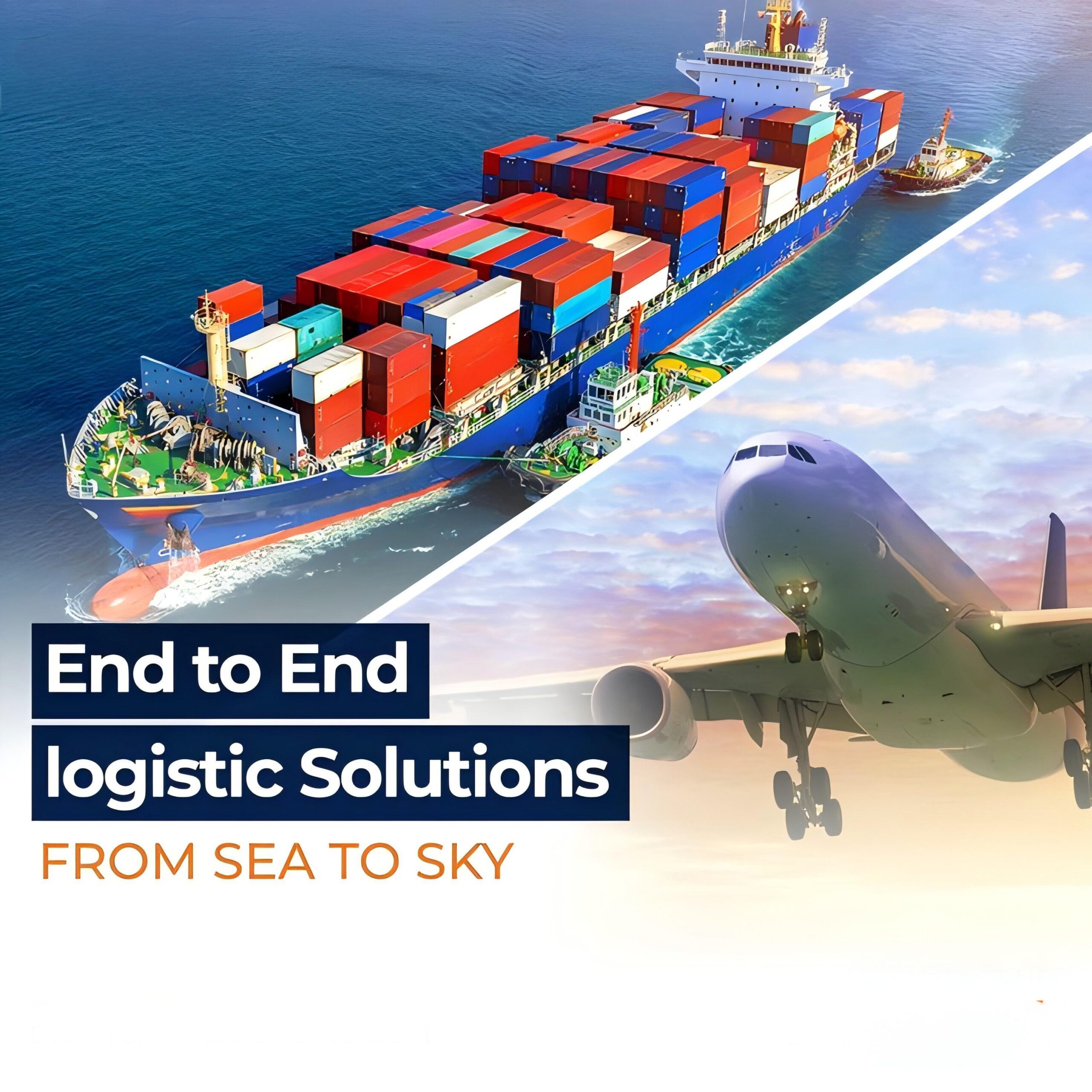
❖Achieving truly cheap LCL shipping from Shenzhen to Belgium requires strategic planning and execution. Several key practices can help minimize costs and enhance efficiency. These strategies focus on preparation, documentation, and choosing the right logistics partner.
Consequently, businesses can significantly reduce their overall shipping expenses. This allows for better budget allocation and improved profitability. Adopting these best practices ensures a smoother and more economical shipping experience.
Consolidation Strategies for Cost Savings
Maximizing consolidation is fundamental to reducing LCL costs. If you have multiple suppliers in different Chinese cities, consider consolidating their goods at a central warehouse in Shenzhen. This creates a single, larger LCL shipment, often leading to better per-CBM rates.
Furthermore, timing your orders to align with regular LCL departures can also prevent urgent, higher-cost shipments. Planning your small volume cargo shipping China Europe effectively reduces overall expenses. Our sea freight services are designed to optimize such consolidations.
Accurate Documentation and Packaging
Errors in documentation can lead to costly delays and fines at customs. Ensure all paperwork, including commercial invoices, packing lists, and bills of lading, is accurate and complete. This attention to detail prevents customs clearance issues in Belgium.
Moreover, proper packaging protects your goods and can optimize space within the container. Durable, compact packaging reduces the risk of damage and can lower your chargeable volume. This directly contributes to securing cheap LCL shipping from Shenzhen to Belgium.
Choosing the Right Freight Forwarder
The choice of freight forwarder significantly impacts your LCL shipping experience and costs. Look for a forwarder with extensive experience on the Shenzhen to Belgium route. A reputable partner offers competitive rates, reliable service, and transparent communication.
Indeed, a good freight forwarder should provide end-to-end solutions, including customs support and last-mile delivery. They can also offer valuable insights into reducing shipping costs China to Europe. Our team is dedicated to finding the best solutions for your needs.
Navigating Customs and Regulations for Imports to Belgium
❖Successfully importing goods into Belgium requires a thorough understanding of customs procedures and regulations. Non-compliance can lead to significant delays, fines, and even seizure of goods. Therefore, meticulous preparation is essential for every shipment.
Moreover, Belgium, as part of the European Union, adheres to strict import guidelines. Businesses must ensure their goods meet all EU standards and documentation requirements. This proactive approach ensures a smooth entry into the European market.
Required Documents for Belgian Customs
To clear customs in Belgium, you will need several key documents. These typically include a commercial invoice, packing list, bill of lading (for sea freight), and potentially a certificate of origin. The accuracy of these documents is paramount for the customs clearance process for LCL shipments.
Additionally, depending on the product, you might need specific licenses, permits, or conformity certificates (e.g., CE marking). Always verify the exact requirements for your specific commodity well in advance of shipment. This helps prevent unforeseen complications and delays at the port of entry.
The Customs Clearance Process
Upon arrival in Belgium, your LCL cargo will undergo customs clearance. This involves submitting all required documentation to Belgian customs authorities. They will then assess duties, VAT, and verify compliance with import regulations.
Furthermore, a professional customs broker can significantly expedite this process. They possess the expertise to handle declarations, resolve queries, and ensure all legal obligations are met efficiently. This expertise is invaluable for smooth logistics for e-commerce China Belgium.
Duties, VAT, and Compliance
Import duties and VAT (Value Added Tax) are standard charges for goods entering Belgium from outside the EU. Duties vary by product category and origin, while the standard VAT rate in Belgium is 21%. These costs must be factored into your total landed cost.
Consequently, understanding these financial obligations upfront helps in accurate pricing and budgeting. Compliance with all regulatory frameworks, including REACH for chemicals or WEEE for electronics, is also crucial. Our customs brokerage team can guide you through these complexities.
Real-World Scenarios: Cheap LCL Shipping Success Stories
❖Exploring practical examples can illuminate how businesses achieve cheap LCL shipping from Shenzhen to Belgium. These case studies highlight various challenges and successful strategies. They demonstrate the tangible benefits of informed logistics decisions.
Therefore, we present a few scenarios based on typical rates as of early 2025. These examples offer realistic insights into costs, transit times, and key outcomes. They showcase effective methods for reducing shipping costs China to Europe.
Case Study 1: E-commerce Retailer’s Small Batch Import
An online fashion retailer in Brussels needed to import a small batch of new clothing accessories from multiple suppliers in Shenzhen. Their priority was cost-effectiveness for small orders to Belgium, without excessive urgency. They chose LCL sea freight to manage their inventory efficiently.
Key Insight: By consolidating goods from three different factories into one LCL shipment, the retailer significantly reduced per-unit shipping costs compared to individual air freight shipments or small parcel services. The focus was on optimizing volume and minimizing handling fees.
| Detail | Value |
|---|---|
| Route | Shenzhen, China Brussels, Belgium |
| Cargo | Fashion accessories, 4 CBM, 800 kg |
| Container | LCL 4 CBM |
| Shipping Details | |
| – Carrier/Service | Major carrier (e.g., COSCO via freight forwarder) |
| – Port of Loading | Shenzhen |
| – Port of Discharge | Antwerp |
| – Route Type | Direct (via main hubs) |
| Cost Breakdown | |
| – Ocean Freight | $320 |
| – Origin Charges (THC, documentation) | $150 |
| – Destination Charges | $200 |
| – Customs & Duties (estimated) | $450 |
| – Total Landed Cost | $1,120 |
| Timeline | |
| – Booking to Loading | 5 days |
| – Sea Transit | 32 days |
| – Customs Clearance | 3 days |
| – Total Door-to-Door | 40 days |
Case Study 2: Industrial Parts for Manufacturing
A Belgian manufacturing company regularly imports specialized machine parts from a supplier in Dongguan (near Shenzhen). These parts are not urgent but are essential for ongoing production. They sought a reliable and affordable method for consistent supply.
Key Insight: The company established a regular LCL shipping schedule, allowing them to manage their inventory just-in-time. This avoided expensive air freight and minimized warehousing needs. Their consistent volume helped secure favorable LCL freight rates Shenzhen to Antwerp.
| Detail | Value |
|---|---|
| Route | Shenzhen, China Ghent, Belgium |
| Cargo | Machine components, 8 CBM, 2500 kg |
| Container | LCL 8 CBM |
| Shipping Details | |
| – Carrier/Service | Major carrier (e.g., Maersk via freight forwarder) |
| – Port of Loading | Shenzhen |
| – Port of Discharge | Zeebrugge |
| – Route Type | Transshipment via Singapore |
| Cost Breakdown | |
| – Ocean Freight | $600 |
| – Origin Charges (THC, documentation) | $180 |
| – Destination Charges | $250 |
| – Customs & Duties (estimated) | $900 |
| – Total Landed Cost | $1,930 |
| Timeline | |
| – Booking to Loading | 7 days |
| – Sea Transit | 38 days |
| – Customs Clearance | 4 days |
| – Total Door-to-Door | 49 days |
Case Study 3: Seasonal Merchandise for a Boutique
A small boutique in Antwerp needed to import seasonal decorative items from a single supplier in Shenzhen. The shipment was time-sensitive to catch the holiday shopping season but still required a cost-effective solution. They opted for a slightly faster LCL service.
Key Insight: By booking well in advance and utilizing a forwarder known for faster consolidation, the boutique balanced cost with a reasonable transit time for seasonal goods. This prevented last-minute, expensive air freight. Q4 peak season rates were 15% higher than off-peak, which was factored into the budget.
| Detail | Value |
|---|---|
| Route | Shenzhen, China Antwerp, Belgium |
| Cargo | Decorative items, 2.5 CBM, 300 kg |
| Container | LCL 2.5 CBM |
| Shipping Details | |
| – Carrier/Service | Major carrier (e.g., MSC via freight forwarder) |
| – Port of Loading | Shenzhen |
| – Port of Discharge | Antwerp |
| – Route Type | Direct |
| Cost Breakdown | |
| – Ocean Freight | $225 |
| – Origin Charges (THC, documentation) | $140 |
| – Destination Charges | $180 |
| – Customs & Duties (estimated) | $300 |
| – Total Landed Cost | $845 |
| Timeline | |
| – Booking to Loading | 4 days |
| – Sea Transit | 30 days |
| – Customs Clearance | 2 days |
| – Total Door-to-Door | 36 days |
Transit Times and Delivery Schedules for Shenzhen to Belgium LCL
❖Understanding the expected transit time is vital for effective supply chain management. While LCL sea freight is generally slower than air, it offers a predictable schedule. Planning around these durations helps in managing inventory and customer expectations.
Therefore, businesses must factor in all stages of the shipping process. This includes not just the ocean voyage but also pre-shipment preparations and post-arrival logistics. Accurate estimates for transit times LCL Shenzhen to Zeebrugge or Antwerp are crucial for operational efficiency.
Typical Transit Durations
For LCL shipments from Shenzhen to Belgium, the average sea transit time ranges from 30 to 40 days. This duration covers the journey from the port of loading to the port of discharge. However, this does not include the time required for consolidation, customs clearance, or final delivery.
Consequently, the total door-to-door transit time can extend to 35-50 days. This comprehensive timeline accounts for all logistical steps. It is important to communicate these realistic delivery schedules to your customers in Belgium.
Factors Affecting Speed
Several factors can influence the overall transit time. Port congestion at either Shenzhen or Belgian ports can cause delays. Weather conditions, especially during certain seasons, may also impact vessel schedules. These are common challenges in global shipping.
Moreover, the efficiency of consolidation and deconsolidation processes plays a significant role. Choosing a freight forwarder with established networks and efficient cargo handling can minimize these delays. This contributes to a smoother delivery schedule.
Door-to-Door Delivery Considerations
For many businesses, a complete door-to-door solution is highly desirable. This service encompasses pickup from your supplier in Shenzhen and final delivery to your warehouse or customer in Belgium. It simplifies the entire logistics chain.
Furthermore, door-to-door LCL services Belgium often include customs clearance, making the process seamless. While it may appear slightly more expensive upfront, it eliminates the need for you to manage multiple service providers. Our door to door service offers this convenience.

Which Option Should You Choose for Your Shenzhen to Belgium Shipments?
❖Selecting the optimal shipping method depends on your specific priorities and cargo characteristics. There is no single ‘best’ option; instead, the ideal choice aligns with your business objectives. Carefully assess your needs against the available solutions.
Therefore, we provide a decision framework to guide your selection process. This framework considers budget, speed, and cargo type. It helps you identify the most suitable strategy for your imports from China to Europe.
Budget-Driven Shipments
If cost savings are your primary concern, LCL sea freight is almost always the most economical choice for shipments under 15 CBM. It offers the lowest per-unit cost for non-urgent goods. This is the cornerstone of cheap LCL shipping from Shenzhen to Belgium.
Furthermore, consider consolidating multiple small orders. This strategy maximizes container space utilization. It directly contributes to reducing overall freight expenses, making your supply chain more efficient. This is particularly effective for businesses with regular, small-volume imports.
Time-Sensitive Cargo
For urgent shipments where speed is paramount, air freight is the undisputed choice. While significantly more expensive, it offers transit times of 5-8 days. This option is suitable for high-value goods, samples, or to prevent production stoppages.
Alternatively, for moderately time-sensitive but cost-conscious shipments, rail freight presents a viable middle ground. It is faster than sea freight and more affordable than air freight, with transit times around 18-25 days to Europe. Explore our rail freight options.
Specific Cargo Type Considerations
The nature of your cargo also influences the best shipping method. Perishable goods or those with a short shelf life typically require air freight due to its speed. Fragile items might benefit from dedicated FCL containers to minimize handling.
Moreover, hazardous materials have specific transport regulations regardless of the method. Always declare these accurately to ensure compliance and safe transport. For general merchandise and durable goods, LCL remains a strong contender for its balance of cost and reliability. For express needs, consider our express service.
Your Partner for Cheap LCL Shipping from Shenzhen to Belgium
In conclusion, securing cheap LCL shipping from Shenzhen to Belgium is achievable with careful planning and the right logistics partner. Understanding the cost drivers, comparing shipping methods, and optimizing your processes are key to success. This strategy empowers businesses to maintain competitive pricing and efficient inventory management.
By leveraging LCL sea freight, businesses can access the European market without the burden of full container costs. We are committed to providing reliable, cost-effective shipping solutions tailored to your unique requirements. Partner with us to streamline your supply chain and achieve your import goals.
Ready to streamline your logistics?
Ready to optimize your shipping strategy and secure cheap LCL shipping from Shenzhen to Belgium? Contact our expert team today for a personalized quote. We provide tailored solutions to meet your specific logistics needs and help you navigate the complexities of international freight. Get your custom quote now!
Request Quote