

Professional Sea Freight from Shenzhen to France: Your Ultimate Guide
Navigating international logistics can be complex, especially when importing goods from Asia to Europe. Businesses frequently seek efficient and cost-effective solutions for their supply chain needs. This comprehensive guide details everything you need to know about professional sea freight from Shenzhen to France, ensuring a smooth and successful shipping experience. We will explore transit times, costs, regulations, and best practices.
Why Choose Sea Freight for Shipments to France?
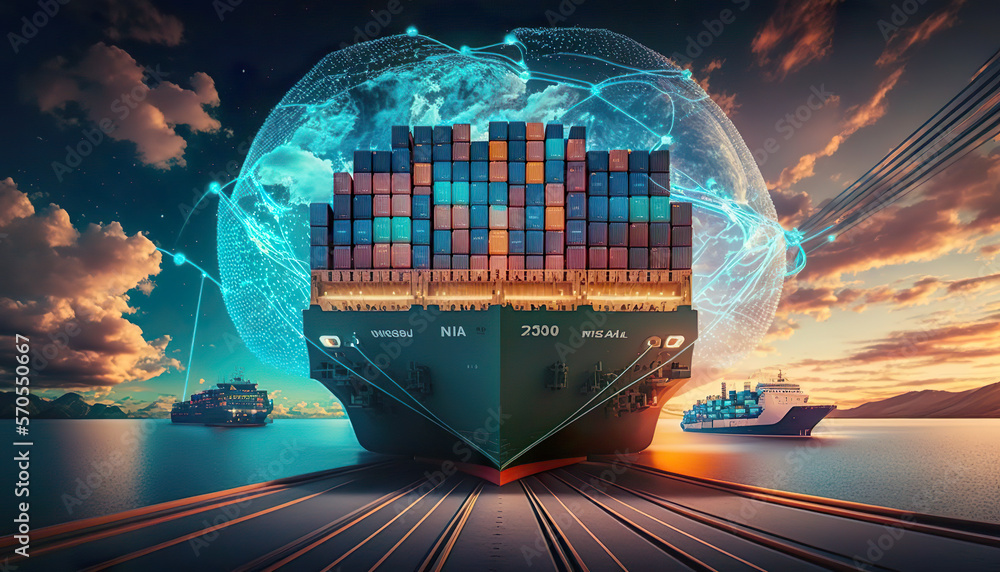
Sea freight stands as the most economical option for transporting large volumes of goods across continents. It offers significant cost savings compared to air freight, making it ideal for non-urgent, heavy, or bulky cargo. Moreover, its lower carbon footprint aligns with growing sustainability goals for many businesses.
For businesses importing from China to Europe, particularly from a major manufacturing hub like Shenzhen to France, sea shipping provides unparalleled capacity. Therefore, it is the preferred choice for a wide range of products, from raw materials to finished consumer goods. This method supports robust supply chains efficiently.
Understanding the Sea Freight Process from Shenzhen to France
The journey begins with cargo preparation at the origin, Shenzhen. This includes proper packaging, labeling, and documentation. Subsequently, goods are transported to the port of loading, usually Yantian Port or Shekou Port, which are key gateways for international trade.
Once at the port, cargo undergoes inspection and loading onto vessels. This involves careful coordination between the shipper, freight forwarder, and carrier. Furthermore, choosing between Full Container Load (FCL) and Less than Container Load (LCL) depends on your shipment’s volume and urgency.
| Feature | Full Container Load (FCL) | Less than Container Load (LCL) |
|---|---|---|
| Volume | High (15+ CBM) | Low to Medium (1-15 CBM) |
| Cost | Fixed per container | Per CBM/weight |
| Transit Time | Generally faster | Potentially longer |
| Handling | Less handling, lower risk | More handling, higher risk |
| Flexibility | Less flexible for small volumes | Highly flexible for small volumes |
FCL vs. LCL: Which is Right for You?
FCL shipping involves leasing an entire container, typically 20-foot or 40-foot, exclusively for your goods. This option usually offers faster transit times and reduced handling risks. Consequently, it is best suited for larger shipments, often exceeding 15-20 CBM.
Conversely, LCL shipping allows multiple shippers to share space within a single container. This is a cost-effective solution for smaller shipments that do not fill an entire container. However, it may involve longer transit times due to consolidation and deconsolidation processes at various hubs.
Key Ports and Routes for Shenzhen to France Sea Freight
Shenzhen boasts several world-class ports, with Yantian Port and Shekou Port being the most prominent. These ports offer extensive connections to major global shipping lanes. From these hubs, vessels embark on direct or transshipment routes towards Europe.
Major destination ports in France include Le Havre, Marseille, and Dunkirk. Le Havre is France’s largest container port, serving the Paris region and Northern France. Marseille, located on the Mediterranean, is crucial for Southern France and beyond.
Direct routes typically offer the fastest transit times but can sometimes be more expensive. On the other hand, transshipment routes, often via major hubs like Singapore, Colombo, or Port Klang, might offer more competitive rates but extend the overall delivery schedule.
Transit Times and Factors Affecting Delivery
Typical transit times for professional sea freight from Shenzhen to France range from 28 to 35 days for direct services. This duration covers the port-to-port journey. However, several factors can influence the final delivery schedule.
Vessel speed, specific shipping line schedules, and the route chosen all play a significant role. For instance, direct services are inherently quicker than routes involving transshipment. Moreover, port congestion at either end can cause unforeseen delays, especially during peak seasons.
Seasonal demand, particularly leading up to major holidays like Chinese New Year or the Western holiday season, can impact vessel availability and lead to longer waiting times. Furthermore, adverse weather conditions, such as typhoons, can also disrupt shipping schedules.
Understanding Shipping Costs and Freight Rates
Sea freight costs from Shenzhen to France are influenced by numerous variables. These include the volume and weight of your cargo, whether it’s FCL or LCL, the chosen carrier, and current market conditions. Fuel surcharges (BAF) and currency adjustment factors (CAF) are also significant components.
Origin charges in Shenzhen typically include terminal handling charges (THC), documentation fees, and local trucking if applicable. Destination charges in France cover similar aspects, along with customs clearance fees and potential demurrage or detention if containers are not cleared promptly.
| Container Type | Ocean Freight (USD) | Origin Charges (USD) | Destination Charges (USD) | Estimated Total (USD) |
|---|---|---|---|---|
| 20GP FCL | $1,800 – $2,500 | $350 – $500 | $400 – $600 | $2,550 – $3,600 |
| 40GP FCL | $2,800 – $3,800 | $500 – $700 | $600 – $800 | $3,900 – $5,300 |
| 40HQ FCL | $3,000 – $4,200 | $550 – $750 | $650 – $850 | $4,200 – $5,800 |
| LCL (per CBM) | $50 – $80 | $30 – $50 | $40 – $70 | $120 – $200 |
Customs Clearance and Documentation for France Imports
Successfully navigating customs is a critical step for any international shipment to France. Proper documentation is paramount to avoid delays and penalties. Furthermore, understanding French import regulations is essential for smooth entry.
Key documents typically required include the commercial invoice, packing list, bill of lading (B/L), and certificate of origin. Depending on the product, additional permits, licenses, or compliance certificates might be necessary. Engaging a professional customs brokerage service can significantly streamline this process.
Import duties and VAT are levied on goods entering France from non-EU countries. The applicable rates depend on the Harmonized System (HS) code of your product. Therefore, accurate classification is crucial for calculating the correct tax liability and avoiding discrepancies.
How Does Sea Freight Compare to Other Shipping Options?
When considering shipping from Shenzhen to France, sea freight is often the default for cost-effectiveness. However, businesses have other options depending on their specific needs. These alternatives offer varying balances of speed, cost, and capacity.
Air freight provides significantly faster transit times, typically 3-7 days, making it suitable for urgent, high-value, or perishable goods. However, its cost per kilogram is substantially higher, often 5-10 times that of sea freight. Consequently, it is usually reserved for smaller, time-sensitive shipments.
Rail freight, while not directly applicable for China-France without crossing numerous borders and significant logistical hurdles, offers a middle ground for Europe-bound cargo from other parts of China. Nonetheless, for Shenzhen to France, sea or air remain the primary viable options.
| Shipping Method | Cost Range (40HQ est.) | Transit Time | Best For | Limitations |
|---|---|---|---|---|
| Sea Freight (FCL) | $3,000 – $5,000 | 28-35 days | Large, heavy, non-urgent goods | Slower transit time |
| Sea Freight (LCL) | $120 – $200 per CBM | 35-45 days | Small to medium volumes, cost-sensitive | Slower, more handling |
| Air Freight | $15,000 – $25,000 | 3-7 days | Urgent, high-value, perishable goods | Very high cost, limited volume |
Alternative Shipping Strategies and Hybrid Solutions
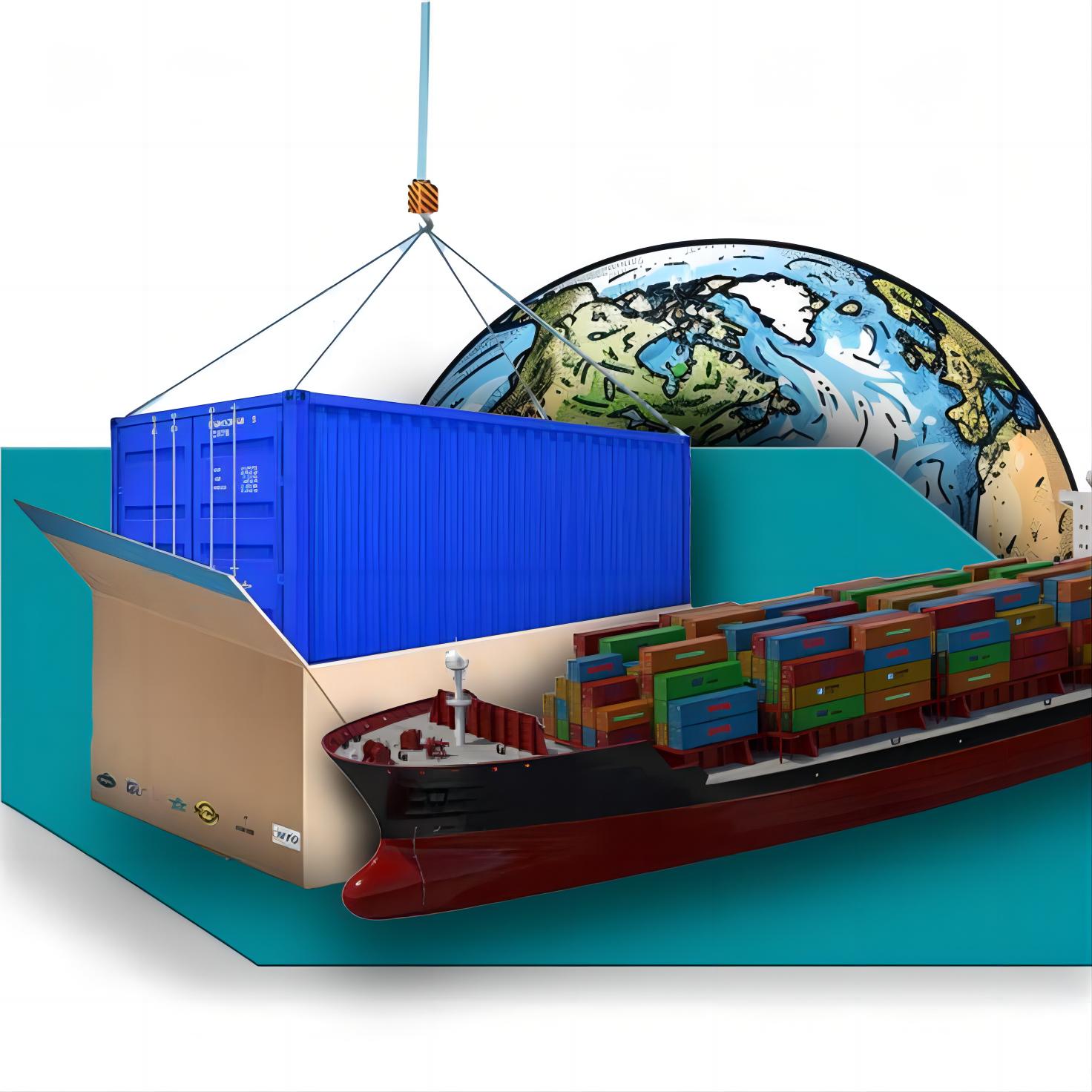
For diverse supply chain needs, considering alternative and hybrid shipping solutions can optimize logistics. For instance, combining sea freight with express services can offer a balanced approach. This strategy can be particularly useful for managing inventory levels effectively.
If speed is critical but air freight is too expensive for the entire journey, a “sea-air” combination might be considered, though less common for China-Europe directly. This involves shipping by sea to a hub (e.g., Dubai), then by air to the final destination. However, the direct sea route to Europe is often more streamlined.
Another strategy involves using door-to-door services. This comprehensive solution handles all aspects from the factory in Shenzhen to your warehouse in France. It simplifies the process by consolidating multiple vendors and managing all transport legs, customs, and final delivery. This reduces administrative burden significantly.
Which Option Should You Choose?
**Budget Priority**: If minimizing costs is your primary concern, LCL sea freight is typically the most economical choice for smaller shipments, and FCL for larger ones. These options provide the best value for money over longer distances.
**Speed Priority**: For urgent deliveries, air freight is the undisputed winner, despite its higher cost. It ensures rapid transit for time-sensitive products.
**Cargo Type Considerations**: Heavy, bulky, or low-value items are best suited for sea freight due to its cost-effectiveness and capacity. Conversely, fragile, high-value, or perishable goods might benefit from air freight’s speed and reduced handling.
**Volume Thresholds**: For shipments under 15 CBM, LCL is often more economical. However, once your cargo exceeds 15-20 CBM, FCL becomes highly competitive and usually offers better transit times and less risk of damage.
Real-World Case Studies: Shenzhen to France
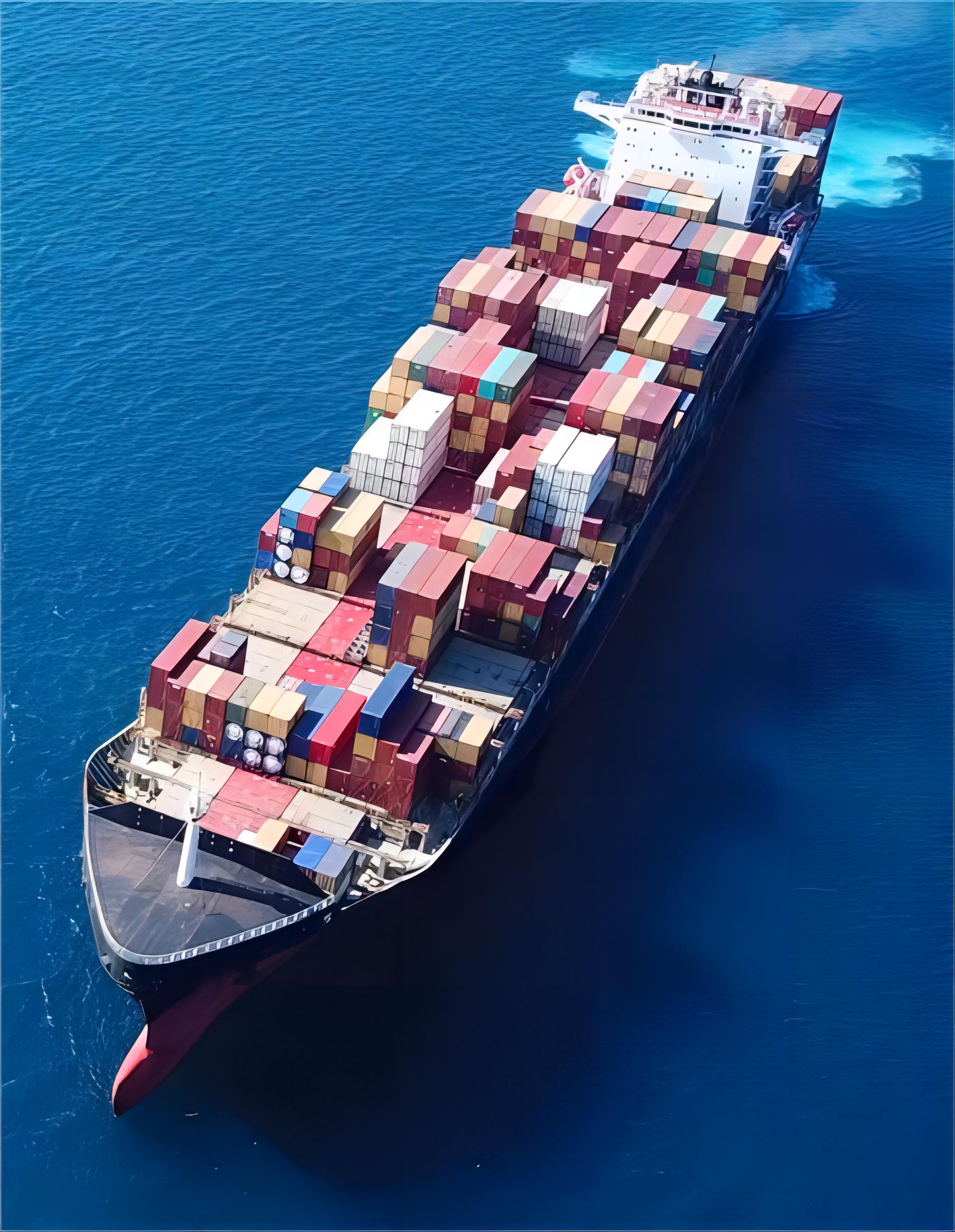
Examining real-world scenarios provides practical insights into the complexities and successes of international shipping. These case studies highlight various approaches and outcomes for businesses moving goods from Shenzhen to France. They demonstrate effective logistics planning.
Case Study 1: Large Volume, Cost-Effective Furniture Import
Route: Shenzhen, China -> Paris, France
Cargo: Flat-pack furniture, 60 CBM, 12,000 kg
Container: 40HQ FCL
| Detail | Value |
|---|---|
| Carrier/Service | Major carrier (e.g., CMA CGM) |
| Port of Loading | Yantian Port, Shenzhen |
| Port of Discharge | Le Havre, France |
| Route Type | Direct service |
| Ocean Freight (Q3 2024) | $4,100 |
| Origin Charges | $700 |
| Destination Charges | $850 |
| Customs & Duties (est.) | $1,500 |
| Total Landed Cost | $7,150 |
| Booking to Loading | 5 days |
| Sea Transit | 30 days |
| Customs Clearance | 3 days |
| Total Door-to-Door | 38 days |
| Key Insight | Choosing a direct FCL service optimized for cost and efficiency for a large, non-urgent shipment, resulting in predictable delivery. |
Case Study 2: Small Batch, Time-Sensitive Electronics Component
Route: Shenzhen, China -> Lyon, France
Cargo: Electronic components, 3 CBM, 500 kg
Container: LCL
| Detail | Value |
|---|---|
| Carrier/Service | Consolidated LCL service |
| Port of Loading | Shekou Port, Shenzhen |
| Port of Discharge | Marseille, France |
| Route Type | Transshipment via Singapore |
| Ocean Freight (early 2025) | $240 (3 CBM x $80/CBM) |
| Origin Charges | $150 |
| Destination Charges | $210 |
| Customs & Duties (est.) | $200 |
| Total Landed Cost | $800 |
| Booking to Loading | 7 days |
| Sea Transit | 38 days |
| Customs Clearance | 4 days |
| Total Door-to-Door | 49 days |
| Key Insight | LCL provided a cost-effective solution for a smaller volume, though with a slightly extended transit time due to consolidation and transshipment. Careful planning for lead times was essential. |
Case Study 3: Urgent Spare Parts for Industrial Machinery
Route: Shenzhen, China -> Toulouse, France
Cargo: Critical spare parts, 0.5 CBM, 150 kg
Container: Air Freight (for comparison)
| Detail | Value |
|---|---|
| Carrier/Service | Express Air Cargo |
| Origin Airport | Shenzhen Bao’an International Airport (SZX) |
| Destination Airport | Toulouse-Blagnac Airport (TLS) |
| Route Type | Direct flight with express handling |
| Air Freight (Q4 2024 peak) | $1,800 |
| Origin Charges | $150 |
| Destination Charges | $120 |
| Customs & Duties (est.) | $100 |
| Total Landed Cost | $2,170 |
| Booking to Departure | 2 days |
| Air Transit | 2 days |
| Customs Clearance | 1 day |
| Total Door-to-Door | 5 days |
| Key Insight | Despite the higher cost, air freight was the only viable option for urgent, mission-critical spare parts, minimizing downtime for industrial operations. |
Partnering for Success: Your Logistics Provider
For reliable and efficient professional sea freight from Shenzhen to France, partnering with an experienced logistics provider is crucial. Top China Forwarder offers comprehensive solutions tailored to your specific shipping needs. We ensure your cargo reaches its destination safely and on schedule.
Our expertise in navigating complex customs regulations and optimizing shipping routes ensures a seamless experience. We provide transparent pricing and dedicated customer support, offering peace of mind throughout the entire shipping process.
Conclusion
In conclusion, navigating <a href=”https://topchinaforwarder.com/services/sea-freight/”>professional sea freight from Shenzhen to France</a> requires careful planning and a thorough understanding of logistics. By considering factors like cargo volume, urgency, costs, and customs regulations, businesses can make informed decisions. Partnering with a reliable freight forwarder ensures a smooth, cost-effective, and efficient shipping process for your goods.
Get Your Shipping Quote Today
Ready to optimize your supply chain with professional sea freight from Shenzhen to France? Contact us today for a personalized quote and expert consultation. Let Top China Forwarder simplify your international shipping needs and ensure your cargo arrives efficiently.
Request Quote