

Trusted LCL Shipping from Shenzhen to UK: Your Ultimate Guide
Shipping goods internationally can be a complex and often costly endeavor, particularly for smaller volumes. Consequently, businesses seeking efficient and affordable solutions for their cargo often look towards Less than Container Load (LCL) services. This comprehensive guide explores why trusted LCL shipping from Shenzhen to UK is an optimal choice for many importers, offering a blend of cost-effectiveness and reliability. You can learn more about our services at Top China Forwarder.

Why Choose LCL Shipping from Shenzhen to UK?
LCL shipping stands as a highly practical solution for businesses and individuals moving smaller freight volumes. Instead of paying for an entire container, you only pay for the space your cargo occupies. This significantly reduces overall shipping costs for many importers.
Moreover, it offers unparalleled flexibility, allowing you to ship goods without waiting to fill a full container. This method is particularly beneficial for startups, e-commerce businesses, and those with irregular shipping needs. It ensures efficient utilization of resources and capital.
Furthermore, opting for consolidated shipping from China to UK helps manage inventory levels more effectively. You can ship smaller, more frequent batches, thereby minimizing warehousing costs and improving cash flow. This strategy supports agile supply chain management and reduces overhead.
Ultimately, LCL provides an accessible entry point into international trade for businesses that might otherwise find FCL (Full Container Load) too expensive or unnecessary. It democratizes global commerce by making it feasible for diverse cargo sizes. Therefore, it is a cornerstone of modern logistics.
Understanding the LCL Shipping Process: Shenzhen to UK
The LCL shipping process from Shenzhen to UK involves several critical stages, each ensuring your cargo reaches its destination safely and efficiently. Initially, your goods are collected from your supplier in Shenzhen and transported to a designated consolidation warehouse. Here, they are carefully prepared for international transit.
Subsequently, your cargo is consolidated with other shipments destined for the UK, optimizing container space and maximizing cost-efficiency. These consolidated goods are then meticulously loaded onto a vessel for ocean transit, a core component of sea freight operations. This careful planning maximizes efficiency and cost savings for all parties.
Upon arrival at a UK port, the container undergoes a crucial deconsolidation process, where your goods are separated from other shipments. Following this, your cargo proceeds through rigorous customs clearance, a vital step we will discuss further. Finally, it is dispatched for local delivery to your specified address, completing the journey.
Key Factors Influencing LCL Shipping Costs & Transit Times
Several variables profoundly impact LCL freight rates from Shenzhen to UK, making accurate cost estimation a detailed process. Foremost among these are the volume and weight of your cargo, as pricing is typically based on whichever is greater, known as chargeable weight/volume. Understanding these metrics is crucial for budgeting.
Additionally, origin and destination charges, such as terminal handling fees (THC), documentation costs, and local trucking, contribute significantly to the total expense. Seasonal demand and global logistics trends, like those influenced by geopolitical events or peak shipping periods, can also cause fluctuations. Therefore, obtaining a current, detailed quote is always advisable.
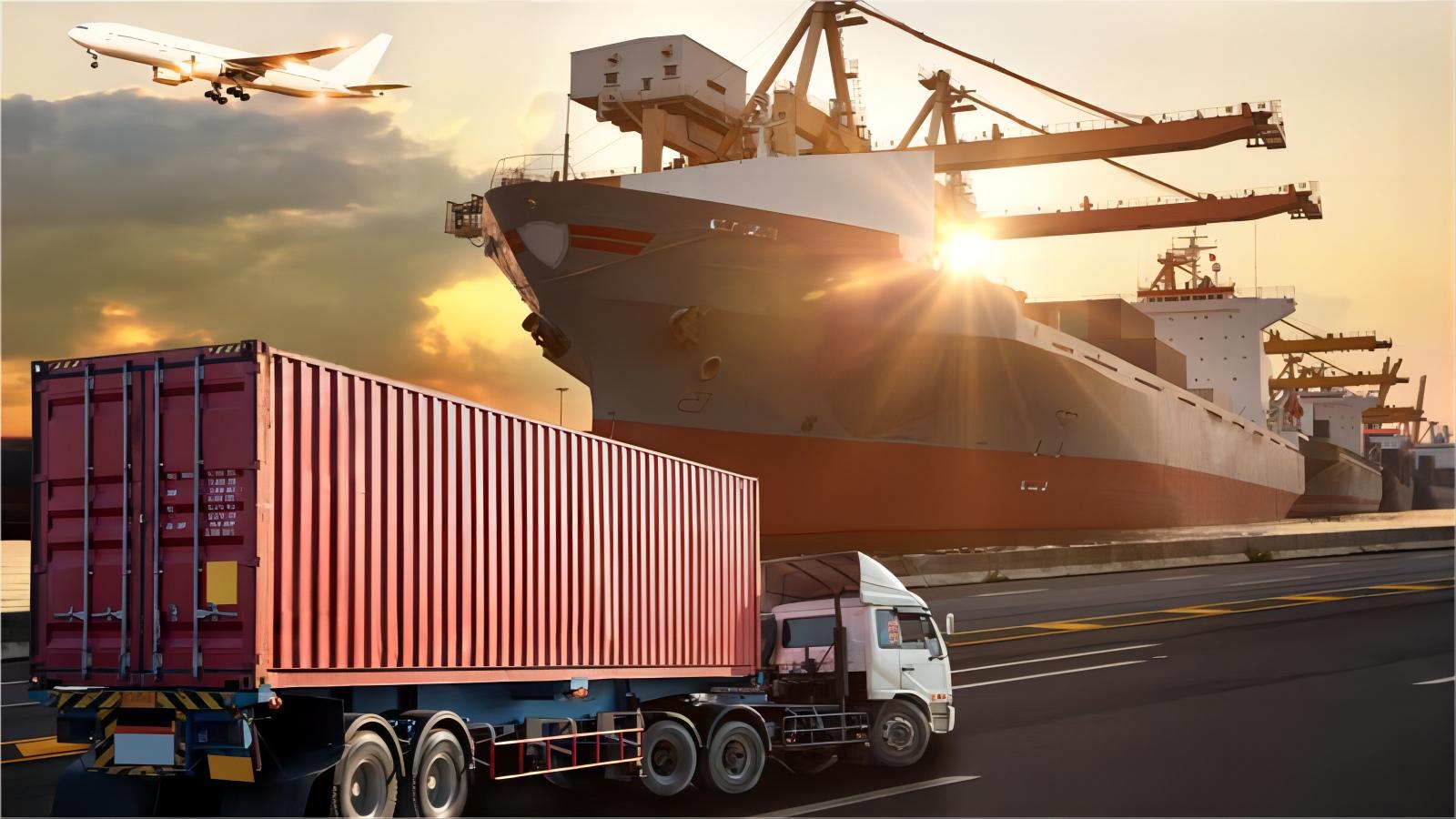
Transit times for LCL shipments from Shenzhen to UK generally range from 30 to 38 days for port-to-port travel, depending on the specific carrier, chosen route, and potential port congestion. Direct services typically offer faster transit, whereas transshipment routes via intermediate ports might take longer. Planning ahead is absolutely essential to meet your delivery schedule and manage expectations.
| Factor | Impact on Cost | Impact on Transit Time | Notes |
|---|---|---|---|
| Cargo Volume/Weight | Primary determinant, higher = more cost | Minor | Charged per CBM or 1000kg, whichever yields higher cost. |
| Origin/Destination Charges | Significant | Minor | Terminal Handling, Documentation, Customs clearance fees. |
| Fuel Surcharges (BAF) | Variable | Minor | Fluctuates with global oil prices and carrier policies. |
| Peak Seasons | 15-25% increase | Potential delays | August-October, Chinese New Year, pre-holiday periods often see higher demand. |
| Route (Direct/Transshipment) | Direct usually higher | Direct usually faster | Transshipment via intermediate ports can add 5-10 days. |
How Does LCL Shipping Compare to Other Shipping Options?
When considering shipping from Shenzhen to UK, LCL is just one of several viable options available to importers. Each method presents distinct advantages and disadvantages concerning cost, speed, and suitability for various cargo types. A thorough comparison helps in making an informed and strategic decision for your supply chain.
For example, Full Container Load (FCL) shipping is the preferred choice for larger volumes, typically 15 CBM or more. It offers significantly better per-unit costs and often faster transit times because the container is dedicated solely to your goods. This method minimizes handling and potential delays, offering greater control.
However, FCL requires you to fill an entire container, which might not be feasible or cost-effective for businesses with smaller, intermittent shipping needs. The upfront cost for an FCL container is considerably higher, demanding a larger inventory commitment. Therefore, careful volume assessment is crucial before committing to FCL.
Conversely, air freight provides remarkably faster transit times, often delivering goods within 5-7 days from Shenzhen to UK. This speed is indispensable for urgent, high-value, or time-sensitive perishable goods. Air freight drastically reduces lead times, boosting responsiveness to market demands.
Nevertheless, air freight comes at a substantially higher cost per kilogram compared to sea freight, making it less economical for bulkier or less time-critical shipments. For instance, while sea freight might cost $50-100/CBM, air freight for similar volume could be many times more expensive. Consequently, it’s reserved for specific scenarios.
For very small, extremely urgent packages or documents, express service offers unparalleled door-to-door delivery, often within 2-5 days. However, its cost per kilogram is the highest among all options, making it primarily suited for samples or critical components rather than large commercial cargo. Indeed, it is the fastest but most premium option.
| Shipping Method | Cost Range (per CBM/kg) | Transit Time (approx.) | Best For | Limitations |
|---|---|---|---|---|
| LCL Sea Freight | $50-100/CBM + fees | 30-38 days | Small to medium volumes (1-15 CBM), cost-sensitive. | Slower, potential for minor delays, more handling. |
| FCL Sea Freight | $2,000-4,500/container | 30-38 days | Large volumes (15+ CBM), dedicated container. | Requires full container, higher upfront cost. |
| Air Freight | $4-8/kg | 5-7 days | Urgent, high-value, perishable goods. | Very high cost, volume/weight restrictions. |
| Express Service | $8-15/kg | 2-5 days | Documents, samples, very small urgent parcels. | Extremely high cost, strict size/weight limits. |
Alternative Shipping Strategies and Hybrid Solutions
Businesses can employ various strategies to optimize their shipping from Shenzhen to UK, moving beyond a single method. For instance, if your volume consistently approaches 15 CBM, it’s prudent to compare LCL rates against FCL rates closely. Often, an FCL might become more economical per unit beyond this threshold, offering better value and potentially fewer handling points.
Consider a strategic split shipment approach for diverse inventory needs. Sending critical, high-demand components via air freight for speed, while less urgent, bulkier items go via LCL sea freight, can balance speed and cost effectively. This hybrid solution mitigates risks and optimizes overall supply chain efficiency by leveraging each method’s strengths.
Furthermore, exploring different ports of discharge in the UK, such as Felixstowe, Southampton, or London Gateway, can sometimes offer slight variations in transit times or local delivery costs due to differing port efficiencies or inland transport networks. Always discuss these options with your freight forwarder to identify potential savings or logistical advantages specific to your final delivery point.
Which Option Should You Choose? A Decision Framework
Choosing the right shipping method ultimately hinges on your specific business priorities and the unique characteristics of your cargo. If budget minimization is your primary concern, and you are shipping non-urgent goods under 15 CBM, LCL sea freight is typically the most cost-effective solution. It provides significant savings over faster air options.
Conversely, if speed is paramount, perhaps for highly seasonal products, urgent restocking, or time-sensitive project deadlines, air freight is the clear choice despite its higher price point. For very small, time-critical samples or emergency parts, express service remains unrivaled in swiftness and door-to-door convenience.
For cargo type considerations, extremely fragile or exceptionally high-value items might benefit from the reduced handling associated with FCL or direct air freight. However, with professional packaging and a reliable forwarder, LCL can still be a secure option. Volume thresholds also dictate choice; beyond approximately 15-20 CBM, switching to FCL often yields better value and greater control over your shipment.
Navigating Customs Clearance for UK Imports
Successful LCL shipping from Shenzhen to UK necessitates meticulous attention to customs clearance procedures. The UK, post-Brexit, has specific import regulations, tariffs, and VAT requirements that must be strictly adhered to. Errors or omissions can lead to significant delays, hefty fines, and additional storage costs.
Crucially, you will need to provide accurate and complete documentation, including a commercial invoice, detailed packing list, and the bill of lading. Furthermore, understanding commodity codes (HS codes) and applying the correct duties and import VAT rates is essential for compliance. This helps avoid potential penalties and ensures smooth entry.
Engaging a professional customs brokerage service is highly recommended for all importers. They possess the specialized expertise to navigate complex regulations, prepare necessary declarations, and ensure smooth entry of your goods into the UK. Their guidance is invaluable for seamless import/export operations and mitigating risks.
| Document | Purpose | Notes |
|---|---|---|
| Commercial Invoice | Value and description of goods | Must be accurate for duty/VAT calculation and customs valuation. |
| Packing List | Details contents of each package | Helps customs verify cargo and manage inventory. |
| Bill of Lading (B/L) | Contract of carriage, title to goods | Issued by carrier, serves as proof of shipment and receipt. |
| EORI Number | Economic Operator Registration and Identification | Mandatory for all UK businesses importing/exporting goods. |
| Certificate of Origin | Proves goods’ country of manufacture | May be required for preferential tariffs or specific regulations. |
| Import Licenses/Permits | For restricted or controlled goods | Check specific product requirements, e.g., for certain chemicals or electronics. |
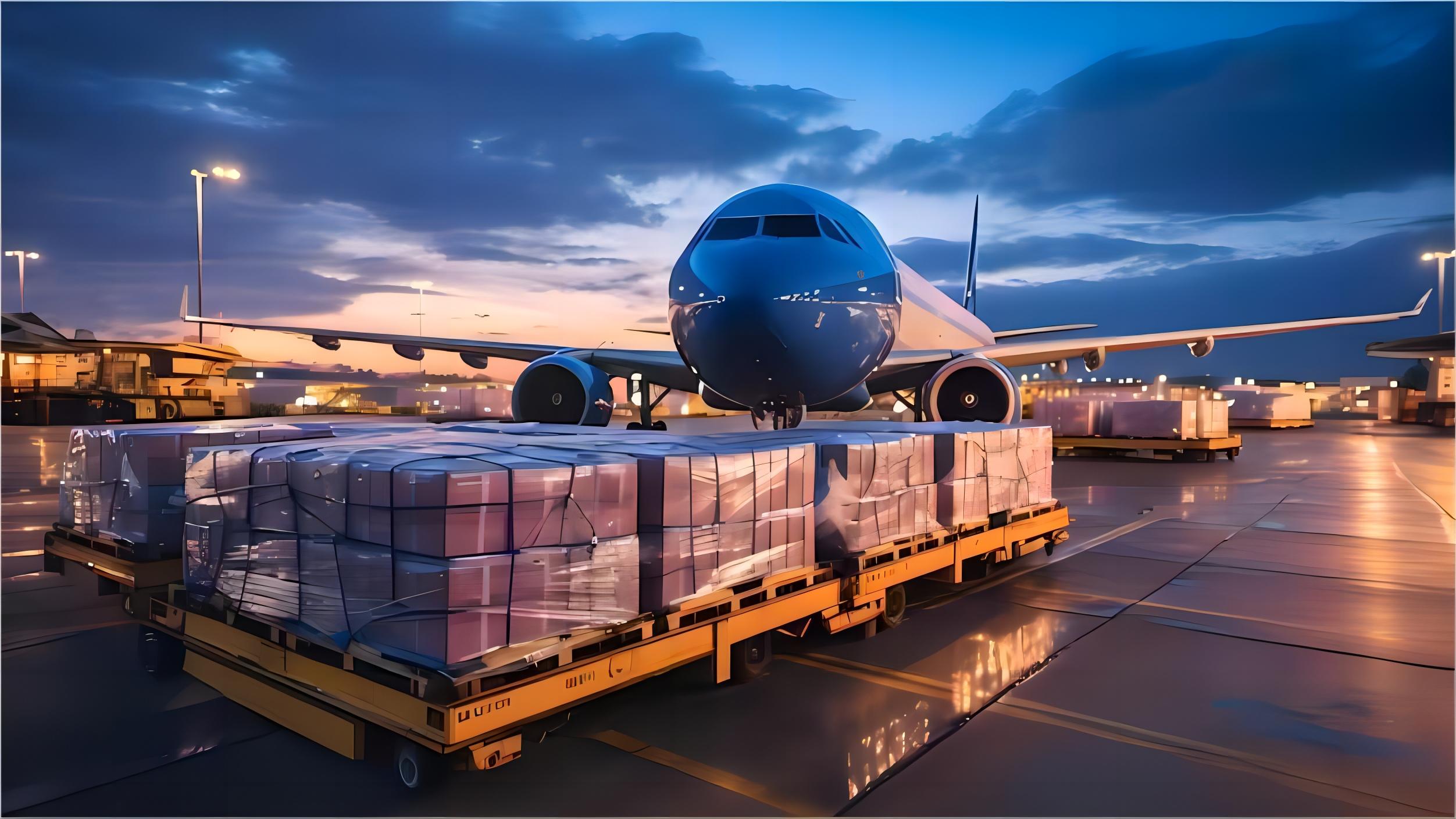
Real-World Success: LCL Shipments from Shenzhen to UK
Understanding the theory behind LCL shipping is one thing, but observing its application in real-world scenarios provides invaluable insight into its practical benefits and considerations. Here, we present several case studies illustrating the effectiveness and common challenges of LCL shipments from Shenzhen to UK. These examples highlight practical solutions and typical outcomes.
Market context: As of Q1 2025, freight rates from China to Europe have largely stabilized after the significant Red Sea disruptions of 2024, with LCL rates seeing minor adjustments but remaining competitive. However, port congestion can still cause localized delays, influencing transit times.
Case Study 1: E-commerce Retailer’s Seasonal Stock
A small e-commerce retailer based in Manchester needed to replenish their stock of seasonal apparel from a supplier in Shenzhen. They had a modest order volume that did not justify a full container, yet speed was important for market trends, but cost-efficiency was paramount. LCL proved to be the ideal balance.
| Field | Value |
|---|---|
| Route | Shenzhen, China -> Manchester, UK |
| Cargo | Seasonal apparel, 6 CBM, 1200 kg |
| Container | LCL 6 CBM |
| Shipping Details | |
| – Carrier/Service | Major carrier (e.g., COSCO) |
| – Port of Loading | Shenzhen |
| – Port of Discharge | Felixstowe |
| – Route Type | Direct |
| Cost Breakdown (Based on Q1 2025 market rates) | |
| – Ocean Freight | $420 ($70/CBM) |
| – Origin Charges (THC, documentation) | $180 |
| – Destination Charges | $250 |
| – Customs & Duties (estimated) | $350 |
| – Total Landed Cost | $1200 |
| Timeline | |
| – Booking to Loading | 4 days |
| – Sea Transit | 32 days |
| – Customs Clearance | 3 days |
| – Total Door-to-Door | 39 days |
| Key Insight | LCL provided a cost-effective solution for mid-sized, non-urgent inventory, allowing for flexible stock replenishment without committing to FCL, crucial for seasonal goods. |
Case Study 2: Startup Importing Electronics Components
A tech startup in London required a consistent supply of specialized electronic components from a factory in Shenzhen for their prototype development. The shipments were frequent but small, typically less than 2 CBM per order. Reliability and consistent delivery were critical for their production schedule, making LCL an excellent fit.
| Field | Value |
|---|---|
| Route | Shenzhen, China -> London, UK |
| Cargo | Electronic components, 1.5 CBM, 300 kg |
| Container | LCL 1.5 CBM |
| Shipping Details | |
| – Carrier/Service | Major carrier (e.g., MSC) |
| – Port of Loading | Shenzhen |
| – Port of Discharge | London Gateway |
| – Route Type | Direct |
| Cost Breakdown (Typical rates as of early 2025) | |
| – Ocean Freight | $120 ($80/CBM) |
| – Origin Charges (THC, documentation) | $160 |
| – Destination Charges | $220 |
| – Customs & Duties (estimated) | $180 |
| – Total Landed Cost | $680 |
| Timeline | |
| – Booking to Loading | 3 days |
| – Sea Transit | 35 days |
| – Customs Clearance | 4 days |
| – Total Door-to-Door | 42 days |
| Key Insight | Regular LCL shipments allowed the startup to maintain a lean inventory and respond quickly to production needs without incurring high air freight costs, supporting their development cycle. |
Case Study 3: Furniture Wholesaler’s Sample Order
A furniture wholesaler in Birmingham needed to import a sample set of new designs from a factory in Shenzhen for quality inspection and showroom display. The shipment was bulky but lightweight, requiring careful handling. The primary goal was to assess product quality before placing a larger FCL order, making LCL a strategic first step.
| Field | Value |
|---|---|
| Route | Shenzhen, China -> Birmingham, UK |
| Cargo | Furniture samples, 8 CBM, 800 kg |
| Container | LCL 8 CBM |
| Shipping Details | |
| – Carrier/Service | Major carrier (e.g., Maersk) |
| – Port of Loading | Shenzhen |
| – Port of Discharge | Southampton |
| – Route Type | Transshipment via Singapore |
| Cost Breakdown (Based on Q4 2024 market rates, pre-peak season) | |
| – Ocean Freight | $560 ($70/CBM) |
| – Origin Charges (THC, documentation) | $190 |
| – Destination Charges | $280 |
| – Customs & Duties (estimated) | $400 |
| – Total Landed Cost | $1430 |
| Timeline | |
| – Booking to Loading | 5 days |
| – Sea Transit | 38 days |
| – Customs Clearance | 3 days |
| – Total Door-to-Door | 46 days |
| Key Insight | Despite a longer transit due to transshipment, LCL proved ideal for a pre-production sample, minimizing risk and allowing for thorough quality control before a larger investment in FCL. |
Choosing a Trusted LCL Freight Forwarder
Selecting the right freight forwarder is paramount for a successful and trusted LCL shipping from Shenzhen to UK experience. Look for a partner with extensive experience in the China-UK corridor and a proven track record of reliability. Their expertise directly impacts your supply chain’s efficiency and peace of mind.
A reputable forwarder offers transparent pricing, clear communication channels, and robust cargo handling procedures. Furthermore, they should provide comprehensive services, including expert consolidation, efficient customs clearance, and reliable door-to-door delivery. This ensures a seamless process from origin to final destination, reducing your administrative burden.
Consider their global network and established partnerships. A strong network translates to better rates, reliable space allocation on vessels, and efficient problem resolution should any issues arise. Ultimately, a trusted forwarder acts as an extension of your business, safeguarding your interests and ensuring timely delivery.
Optimizing Your LCL Shipments: Tips for Importers
Maximizing the efficiency and cost-effectiveness of your LCL shipments requires proactive planning and meticulous attention to detail at every stage. Firstly, ensure your goods are impeccably packaged and clearly labeled according to international standards. Robust, export-standard packaging is essential to protect against potential damage during transit and the multiple handling points inherent in LCL consolidation.
Secondly, always provide accurate dimensions (length, width, height) and weight for your cargo to your freight forwarder. Misdeclarations can lead to unforeseen discrepancies, potential surcharges at the port, and significant delays in customs clearance. Precise information facilitates smooth logistics planning and accurate billing, preventing costly surprises.
Additionally, seriously consider purchasing comprehensive cargo insurance for your shipments. While LCL shipping is generally secure, unforeseen events such as accidents, theft, or natural disasters can occur during the long transit. Insurance offers crucial financial protection against loss or damage, representing a small investment for significant peace of mind and effective risk mitigation.
Finally, plan your shipments well in advance, especially around peak seasons or major holidays like Chinese New Year, which can cause significant delays. Early booking can often secure better rates and guaranteed space, mitigating risks associated with fluctuating logistics trends and potential port congestion. Effective and open communication with your forwarder is also key to a seamless process.
Your Trusted Partner for LCL Shipping from Shenzhen to UK
In conclusion, navigating the complexities of international logistics requires a strategic approach, and trusted LCL shipping from Shenzhen to UK offers an excellent solution for businesses with smaller cargo volumes. This method effectively balances cost-efficiency with reliable transit, supported by expert freight forwarding services.
Partnering with a knowledgeable and experienced provider ensures a smooth, compliant, and timely delivery experience, ultimately optimizing your supply chain and enabling your business to thrive in the global marketplace. Make an informed choice for your next shipment.
Need a tailored shipping solution?
Ready to streamline your imports? For trusted LCL shipping from Shenzhen to UK, contact us today for a personalized quote and expert guidance. Let us handle the complexities of international freight, ensuring your cargo arrives safely and on time.