

Reliable LCL Shipping from Shenzhen to UK: Your Expert Guide
“For businesses importing goods, finding reliable LCL shipping from Shenzhen to UK is absolutely crucial. This guide explores how to navigate the complexities of international logistics, ensuring your less-than-container-load shipments arrive safely and efficiently. We understand the challenges faced by importers, therefore we aim to simplify the process and offer clear solutions through Top China Forwarder.”
Understanding LCL Shipping from Shenzhen to UK
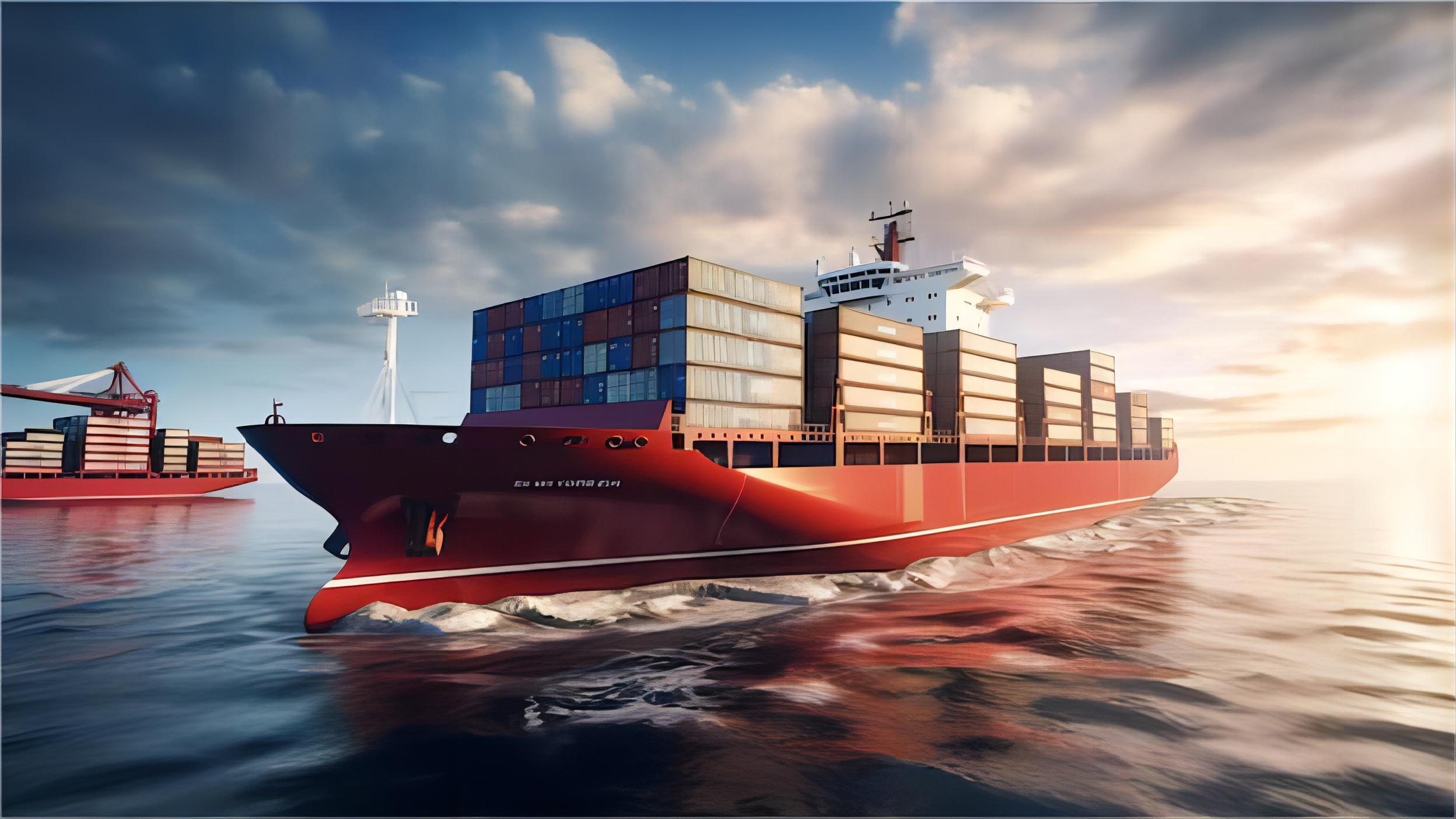
❖Less than Container Load (LCL) shipping offers an economical solution for businesses that do not have enough cargo to fill an entire shipping container. Essentially, your goods are consolidated with other shipments heading to the same destination, thereby sharing the container space and the associated sea freight costs. This method is ideal for small to medium-sized businesses and those testing new products in the UK market.
Shenzhen, a prominent manufacturing hub in China, serves as a crucial gateway for global trade. Its strategic location and extensive port facilities make it an ideal origin for shipments bound for the United Kingdom. Consequently, countless businesses rely on Shenzhen’s robust infrastructure for their export needs, particularly for consolidated cargo services.

The United Kingdom, on the other hand, represents a significant import market with high demand across various sectors. Efficient LCL shipping to the UK ensures that goods reach consumers and businesses without unnecessary delays or excessive costs. Therefore, understanding the nuances of this route is vital for optimizing your supply chain from China to the UK.
Key Factors Affecting LCL Shipping Costs and Transit Times
❖Several variables influence the overall cost and transit time for reliable LCL shipping from Shenzhen to UK. Primarily, the volume and weight of your cargo are paramount, as LCL freight rates are typically calculated per cubic meter (CBM) or per 100 kg, whichever yields a higher charge. Therefore, precise measurements are essential for accurate quotes.
Furthermore, the chosen shipping route and carrier play a significant role. Direct routes often offer faster transit times but might come at a slightly higher premium. Conversely, routes involving transshipment through intermediate ports could extend the delivery schedule but potentially reduce costs. It is always wise to compare options.
Seasonal demand also heavily impacts freight rates and vessel availability. For instance, peak seasons like the months leading up to Christmas or Chinese New Year typically see increased shipping costs and longer lead times. As a result, planning your shipments well in advance during these periods can lead to substantial savings. Moreover, fuel surcharges and port congestion can introduce additional, unpredictable costs and delays, necessitating a flexible approach to your logistics planning.
| Cost Component | Description | Impact on Total Cost |
|---|---|---|
| Ocean Freight | Cost for sea transport from port to port, based on CBM/weight. | Major cost, varies by market rates. |
| Origin Charges | Includes terminal handling, documentation, customs clearance at origin. | Fixed fees per shipment, plus CBM/weight charges. |
| Destination Charges | Includes terminal handling, documentation, customs clearance at destination. | Similar to origin charges, applied at UK port. |
| Customs Duty & VAT | Taxes levied by UK customs, based on cargo value and type. | Can be significant, requires accurate classification. |
| Local Delivery | Transport from UK port to final recipient’s door. | Varies by distance and delivery service. |
The LCL Shipping Process: Step-by-Step Guide
❖Navigating the LCL shipping process from Shenzhen to UK involves several critical stages, each requiring meticulous attention to detail. Initially, the process begins with booking your shipment through a reputable freight forwarder. During this phase, you provide cargo details, preferred transit times, and delivery requirements.
Subsequently, your cargo is transported from your supplier’s factory or warehouse in Shenzhen to a consolidation warehouse. Here, it is carefully inspected, measured, and packed alongside other compatible shipments destined for the UK. This consolidation phase is vital for maximizing container space and optimizing efficiency.
Once consolidated, the container is loaded onto a vessel at a major port like Yantian or Shekou, commencing its ocean transit to the UK. Upon arrival at a UK port such as Felixstowe or Southampton, the container is unloaded, and the LCL shipments are deconsolidated. Following this, each individual shipment undergoes customs brokerage and clearance, a crucial step to ensure compliance with all UK import regulations from China. Finally, after successful clearance, your goods are dispatched for final delivery to your specified address in the UK.
How Does LCL Compare to Other Shipping Options?
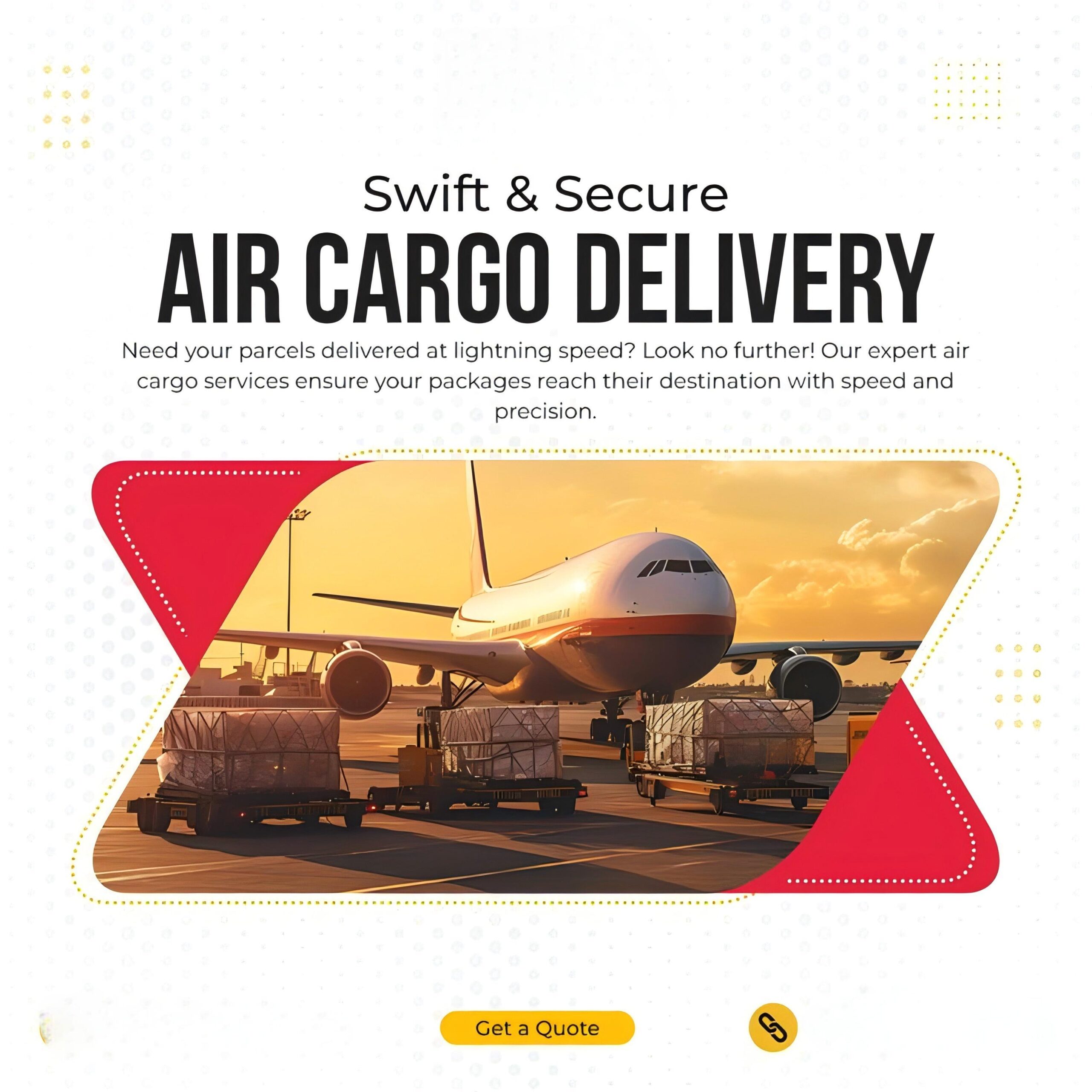
❖When considering shipping from Shenzhen to UK, businesses often weigh LCL against other popular methods like Full Container Load (FCL) and air freight. Each option presents distinct advantages and disadvantages, making the choice dependent on your specific cargo, budget, and urgency requirements. Understanding these differences is key to making an informed logistics decision.
For instance, sea freight LCL is significantly more cost-effective for smaller volumes compared to air freight. However, it naturally involves longer transit times. On the other hand, FCL offers dedicated container space, which can be more economical for larger shipments (typically over 15-20 CBM) and often provides slightly faster transit times than LCL due to less handling. Furthermore, FCL reduces the risk of damage or loss that can sometimes occur during consolidation and deconsolidation processes.
In contrast, air freight is unparalleled in speed, delivering goods in days rather than weeks. This makes it the preferred choice for urgent, high-value, or time-sensitive cargo, despite its considerably higher cost. Therefore, while LCL offers a balance of cost and efficiency for many, assessing your priorities against these alternatives is crucial for optimizing your supply chain.
| Shipping Method | Cost Range (per CBM/kg) | Transit Time (Shenzhen-UK) | Best For | Limitations |
|---|---|---|---|---|
| LCL Sea Freight | $150-$250/CBM | 30-45 days | Small to medium volumes, non-urgent, cost-sensitive | Longer transit, more handling points |
| FCL Sea Freight | $2,000-$4,500/container | 28-38 days | Large volumes (15+ CBM), dedicated container | Requires full container, higher upfront cost |
| Air Freight | $5-$10/kg | 3-7 days | Urgent, high-value, time-sensitive cargo | Significantly higher cost, weight/volume restrictions |
Which Option Should You Choose?
Your decision hinges on several factors. If budget is your primary concern and you have flexible delivery schedules, LCL sea freight is often the most suitable. It provides a cost-effective solution for smaller consignments, allowing you to manage inventory without committing to large orders.
Conversely, if speed is paramount, especially for high-value goods or critical components, air freight is the undeniable choice. While more expensive, it minimizes downtime and responds quickly to market demands. Moreover, for very large volumes exceeding 15-20 CBM, FCL becomes more economical than multiple LCL shipments, offering better cargo security and often slightly quicker port-to-port transit.
Consider hybrid solutions for specific needs. For example, some businesses use LCL for bulk inventory replenishment and air freight or express service for urgent, smaller top-ups. This balanced approach helps maintain optimal inventory levels while controlling overall shipping costs, thereby aligning with diverse supply chain strategies.
Optimizing Your LCL Shipments: Tips for Importers
❖To ensure a smooth and reliable LCL shipping from Shenzhen to UK, importers should adopt several best practices. First and foremost, accurate and complete documentation is critical. Any discrepancies in commercial invoices, packing lists, or certificates of origin can lead to significant customs delays and potential penalties, thus impacting your delivery schedule.
Secondly, proper packaging and labeling are indispensable. Since LCL cargo is handled multiple times and consolidated with various other goods, robust packaging protects your items from damage during transit. Clearly labeling each carton with destination details and handling instructions further reduces the risk of misplacement or loss, enhancing cargo handling efficiency.
Furthermore, securing adequate cargo insurance is a wise investment. While freight forwarders take precautions, unforeseen events can occur. Insurance provides financial protection against damage, theft, or loss, giving you peace of mind throughout the shipping journey. Lastly, consider utilizing door-to-door services, as these comprehensive solutions manage the entire logistics chain from supplier to your warehouse, simplifying the process and reducing your administrative burden.
Real-World LCL Shipping Case Studies
❖These case studies illustrate practical applications and outcomes of reliable LCL shipping from Shenzhen to UK, based on Q3 2024 to Q1 2025 market rates and conditions. They highlight how different cargo types and logistical choices impact the overall shipping experience and cost-effectiveness for various businesses.
Case Study 1: Small Electronics Components
This scenario involved a UK-based e-commerce business importing specialized electronic components for their assembly line. They required a cost-effective solution for regular, smaller volume replenishment.
Route: Shenzhen, China -> Manchester, UK
Cargo: Electronic Components, 3 CBM, 450 kg
Container: LCL 3 CBM
Shipping Details:
– Carrier/Service: Major ocean alliance (e.g., Ocean Alliance)
– Port of Loading: Yantian, Shenzhen
– Port of Discharge: Felixstowe, UK
– Route Type: Direct
Cost Breakdown (Estimated Q4 2024):
– Ocean Freight: $600 ($200/CBM)
– Origin Charges (THC, documentation): $250
– Destination Charges: $350
– Customs & Duties (estimated): $150
– Total Landed Cost: $1,350
Timeline:
– Booking to Loading: 5 days
– Sea Transit: 35 days
– Customs Clearance: 3 days
– Total Door-to-Door: 47 days
Key Insight: LCL provided an excellent balance of cost-efficiency for consistent, small-batch imports, supporting their lean inventory strategy. Early booking during peak season helped mitigate potential delays.
Case Study 2: Fashion Apparel Batch
A fast-fashion retailer in London needed to import a seasonal collection of apparel. They prioritized timely delivery within a reasonable budget to meet market trends.
Route: Shenzhen, China -> London, UK
Cargo: Fashion Apparel, 8 CBM, 1200 kg
Container: LCL 8 CBM
Shipping Details:
– Carrier/Service: COSCO
– Port of Loading: Shekou, Shenzhen
– Port of Discharge: Southampton, UK
– Route Type: Direct
Cost Breakdown (Estimated Q1 2025):
– Ocean Freight: $1,440 ($180/CBM)
– Origin Charges (THC, documentation): $300
– Destination Charges: $400
– Customs & Duties (estimated): $200
– Total Landed Cost: $2,340
Timeline:
– Booking to Loading: 7 days
– Sea Transit: 38 days
– Customs Clearance: 4 days
– Total Door-to-Door: 52 days
Key Insight: Despite a slightly longer transit, LCL proved cost-effective for a medium-sized fashion order. Proactive communication with the forwarder helped manage expectations regarding a minor port delay at Southampton.
Case Study 3: Machinery Parts for Repair
An industrial firm in Birmingham required replacement machinery parts. While not extremely urgent, they needed a reliable solution that was more economical than air freight.
Route: Shenzhen, China -> Birmingham, UK
Cargo: Machinery Parts, 5 CBM, 800 kg
Container: LCL 5 CBM
Shipping Details:
– Carrier/Service: Maersk
– Port of Loading: Yantian, Shenzhen
– Port of Discharge: Felixstowe, UK
– Route Type: Transshipment via Singapore
Cost Breakdown (Estimated Q1 2025):
– Ocean Freight: $950 ($190/CBM)
– Origin Charges (THC, documentation): $280
– Destination Charges: $380
– Customs & Duties (estimated): $180
– Total Landed Cost: $1,790
Timeline:
– Booking to Loading: 6 days
– Sea Transit: 40 days (incl. transshipment)
– Customs Clearance: 3 days
– Total Door-to-Door: 54 days
Key Insight: Choosing a transshipment route offered a slightly lower ocean freight rate, balancing the extended transit time against budget constraints. The forwarder’s expertise in managing transshipment logistics was crucial for smooth execution.
Note: Freight rates are subject to change based on fuel costs, carrier capacity, and seasonal demand. Contact us for a current quote tailored to your specific shipment.
Choosing the Right LCL Partner for Your UK Imports
❖Selecting an experienced and reliable freight forwarder is perhaps the most critical decision for successful LCL shipping from Shenzhen to UK. A proficient partner offers more than just transportation; they provide invaluable expertise in navigating complex customs regulations, optimizing routes, and managing potential disruptions. This expertise directly translates into smoother operations and reduced stress for your business.
A reputable forwarder will possess a robust network of agents and partners both in China and the UK. This extensive network ensures seamless coordination from the point of origin to the final destination, facilitating efficient cargo handling and timely delivery. Furthermore, access to advanced tracking systems allows you to monitor your shipment’s progress in real-time, providing transparency and control over your supply chain.
Consider a forwarder like Top China Forwarder, which prioritizes clear communication and proactive problem-solving. We pride ourselves on offering tailored solutions designed to meet your specific logistical needs, ensuring that your LCL shipments are managed with utmost care and efficiency. Our commitment to reliable service helps you avoid common pitfalls and ensures your goods reach the UK market effectively.
Your Partner for Seamless UK Imports from Shenzhen
In conclusion, mastering reliable LCL shipping from Shenzhen to UK is fundamental for businesses seeking to optimize their supply chain and control costs. By understanding the process, leveraging cost-saving strategies, and partnering with an experienced freight forwarder, you can ensure your goods reach the UK market efficiently and predictably.
The journey from Shenzhen to UK, while complex, can be made straightforward with the right support. Ultimately, choosing a partner committed to transparency, efficiency, and customer satisfaction will be your greatest asset in achieving consistent and reliable LCL shipping outcomes.
Ready to streamline your logistics?
Ready to streamline your imports? For reliable LCL shipping from Shenzhen to UK, contact us today for a personalized consultation and a competitive quote. Our team is prepared to offer expert guidance and seamless logistics solutions tailored to your business needs.
Request Quote