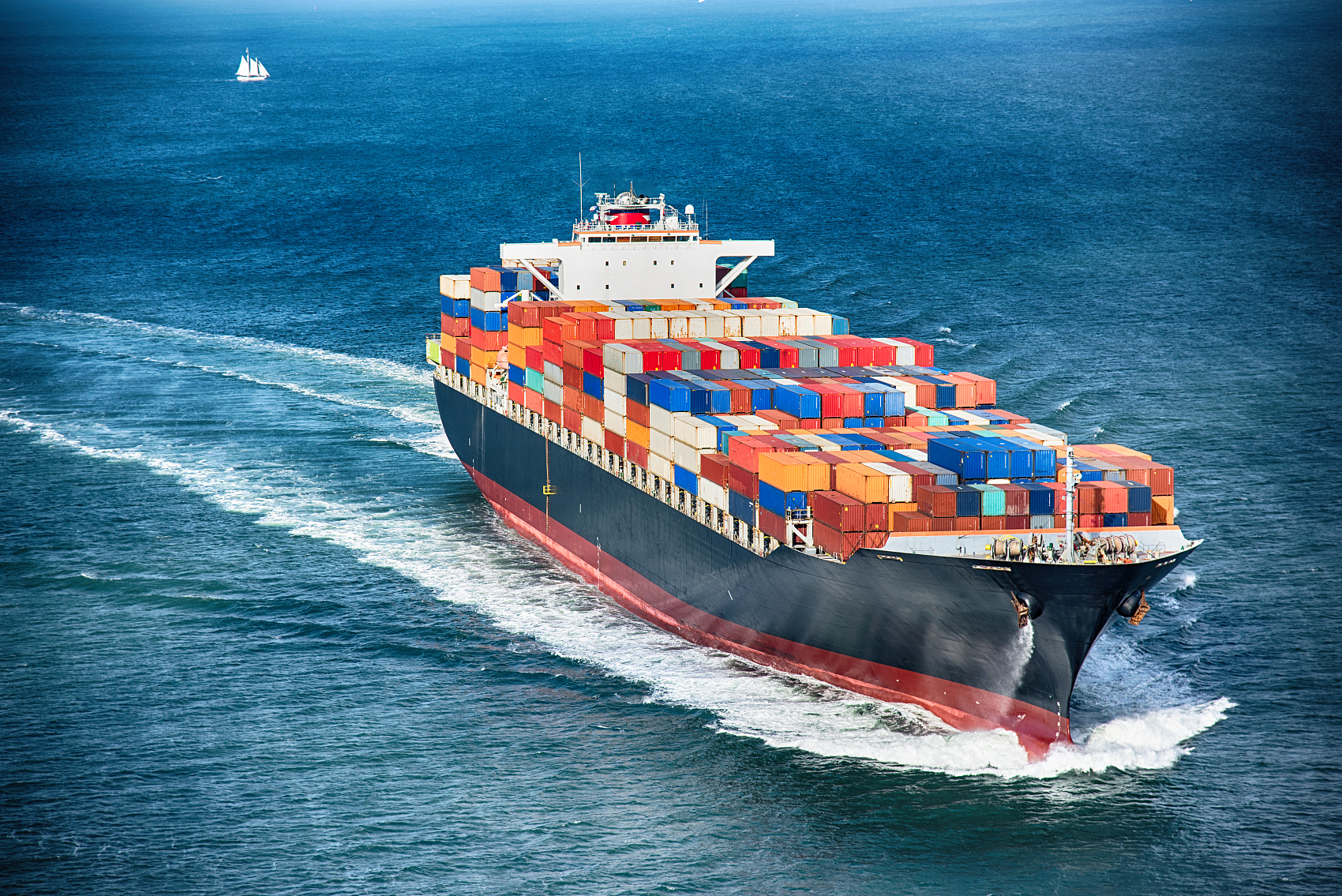
Fast Sea Freight from Shenzhen to Netherlands: Your Ultimate Guide
Navigating international logistics can be complex, especially when seeking efficient and cost-effective solutions for your supply chain. When you need to transport goods from the bustling manufacturing hub of Shenzhen to the economic gateways of the Netherlands, optimizing your shipping strategy is paramount. This guide will explore how to achieve fast sea freight from Shenzhen to Netherlands, ensuring your cargo arrives promptly and within budget. For comprehensive logistics solutions, visit Top China Forwarder.
✦
Understanding Fast Sea Freight from Shenzhen to Netherlands
International trade relies heavily on efficient shipping, and the route from Shenzhen to the Netherlands is a critical artery for many businesses. Fast sea freight, therefore, refers to optimizing this journey to minimize transit times without compromising cost-effectiveness. It involves strategic planning, carrier selection, and efficient port operations.
Indeed, achieving speed in ocean shipping involves more than just selecting the fastest vessel. It encompasses streamlined documentation, quick customs clearance, and reliable inland transportation at both ends. Consequently, understanding these interconnected elements is vital for successful supply chain management.
Moreover, the demand for expedited ocean services continues to grow as businesses strive for lean inventories and quicker market access. Therefore, selecting a knowledgeable freight forwarder becomes indispensable for navigating the complexities of this specific trade lane.
What Defines “Fast” Sea Freight?
Generally, “fast” sea freight means reducing the typical transit time, which usually ranges from 28 to 35 days for direct routes. This acceleration often comes from utilizing services with fewer transshipment points or priority loading. However, it’s a balance between speed and budget.
Specifically, express ocean services or premium carrier options can shave several days off standard transit times. These services prioritize faster vessels and direct routes to major European ports like Rotterdam. Furthermore, effective scheduling and avoiding peak season delays contribute significantly to speed.
Why Choose Sea Freight for Netherlands-Bound Cargo?
Primarily, sea freight remains the most cost-effective method for shipping large volumes of goods from Shenzhen to the Netherlands. It offers unparalleled capacity, making it ideal for bulk commodities, heavy machinery, or consumer goods. Thus, businesses can maintain lower shipping costs per unit.
Additionally, sea freight is a more environmentally friendly option compared to air transport, producing fewer carbon emissions per ton-mile. Therefore, for companies prioritizing sustainability and significant cargo volumes, ocean shipping stands out as the optimal choice for this route.
Key Benefits of This Route
The Shenzhen-Netherlands route benefits from well-established shipping lanes and high vessel frequency, especially to the Port of Rotterdam. This ensures a consistent flow of goods and various service options. Consequently, businesses enjoy greater flexibility in their delivery schedules.
Furthermore, the Netherlands serves as a crucial distribution hub for the entire European market. Therefore, efficient sea freight to Rotterdam or Amsterdam allows for rapid onward distribution across the continent. This strategic advantage significantly enhances supply chain efficiency for European importers.
Navigating Key Ports and Efficient Routes
Successful sea freight from Shenzhen to Netherlands hinges on understanding the major ports and optimizing the shipping routes. Both regions boast world-class port infrastructure crucial for global trade. Consequently, selecting the right port and route can significantly impact transit times and overall efficiency.
Indeed, the sheer volume of cargo moving through these gateways necessitates robust logistics planning. Therefore, a thorough understanding of port capabilities and common routes is essential for any importer or exporter. This knowledge helps in avoiding potential bottlenecks and delays.
Shenzhen’s Gateway Ports: Yantian and Shekou
Shenzhen is home to two of China’s busiest container ports: Yantian and Shekou. Yantian Port, specifically, is a major deep-water container terminal with extensive international routes, particularly to Europe. Many major carriers operate direct services from Yantian.
Shekou Port, on the other hand, also handles substantial international cargo and is well-connected to the Pearl River Delta region. Both ports offer advanced facilities for cargo handling and efficient customs processing. Accordingly, choosing between them often depends on the specific carrier and service schedule.
Netherlands’ Major Receiving Ports: Rotterdam and Amsterdam
The Port of Rotterdam is Europe’s largest and most important port, serving as a primary gateway for goods entering the continent. Its vast capacity, advanced infrastructure, and excellent inland connections make it the preferred destination for most cargo from China. Without a doubt, its efficiency is unmatched.
Meanwhile, the Port of Amsterdam also handles significant cargo, though less container traffic than Rotterdam. It specializes more in bulk and breakbulk cargo. Therefore, for containerized fast sea freight from Shenzhen to Netherlands, Rotterdam typically offers more frequent and direct services.
Optimizing Your Shipping Route
Most fast sea freight services from Shenzhen to the Netherlands follow direct routes, minimizing transshipment. These direct services generally offer the shortest transit times. However, they can sometimes be slightly more expensive than routes involving one or more transshipment points.
Alternatively, some routes might involve transshipment via major hubs like Singapore or Port Klang. While these can offer lower rates, they typically add 5-7 days to the transit time due to additional handling. Consequently, balancing speed with cost is a crucial decision for shippers.
Factors Influencing Transit Times and Shipping Costs
Numerous variables impact both the speed and expense of fast sea freight from Shenzhen to Netherlands. Understanding these factors allows businesses to make informed decisions and optimize their logistics budget. Therefore, careful consideration of each element is essential for effective planning.
Indeed, market conditions, cargo specifics, and carrier choices all play significant roles in the final transit time and shipping costs. Consequently, staying updated on these dynamics can lead to considerable savings and improved delivery schedules. This proactive approach benefits the entire supply chain.
FCL vs. LCL: Which is Right for You?
Full Container Load (FCL) shipping involves booking an entire container, typically 20GP, 40GP, or 40HQ. This option is generally faster and more cost-effective for larger volumes, as your cargo is not consolidated with others. Furthermore, it reduces handling and potential damage.
Conversely, Less than Container Load (LCL) shipping is suitable for smaller shipments that don’t fill an entire container. Your cargo is consolidated with other shippers’ goods, which can save on costs but might add a few days to transit due to consolidation and deconsolidation processes. Therefore, for smaller volumes, LCL offers flexibility.
| Aspect | FCL (Full Container Load) | LCL (Less than Container Load) |
|---|---|---|
| Volume | 15 CBM+ | Under 15 CBM |
| Cost Efficiency | Lower per unit for large volumes | Higher per unit for small volumes |
| Transit Time | Faster, direct loading/unloading | Slightly slower due to consolidation |
| Handling | Less handling, reduced risk | More handling, slightly higher risk |
| Flexibility | Less flexible for small shipments | Highly flexible for small shipments |
Carrier Selection and Service Levels
The choice of shipping carrier significantly influences both speed and cost. Premium carriers often offer faster transit times through direct services and fewer port calls. However, these expedited services typically come at a higher price point.
Alternatively, standard services from various carriers provide a more economical option, albeit with slightly longer transit times. Consequently, evaluating different carriers’ schedules, reliability, and pricing is crucial for finding the right balance for your fast sea freight from Shenzhen to Netherlands. Based on Q3 2024 market rates, premium carriers might be 10-15% more expensive.
Seasonal Demand and Market Fluctuations
Freight rates and vessel availability are highly susceptible to seasonal demand and global market conditions. For instance, rates typically increase 15-25% during the August-October peak season leading up to holidays. Furthermore, events like Chinese New Year or major global disruptions can cause significant fluctuations.
As of Q1 2025, freight rates from China to Europe have stabilized after the 2024 Red Sea disruptions, but vigilance is still required. Therefore, booking in advance and working with a forwarder who can anticipate these changes is vital. This proactive approach helps manage potential delays and cost spikes.
Essential Documentation and Customs Clearance
Seamless customs clearance is a cornerstone of fast sea freight from Shenzhen to Netherlands. Proper documentation prevents delays, fines, and storage costs, ensuring your cargo moves efficiently through international borders. Therefore, meticulous preparation is non-negotiable.
Moreover, adhering to both Chinese export regulations and Dutch import requirements is imperative. Consequently, working with experienced professionals who understand these intricate processes can significantly streamline your shipping operation. This expertise is invaluable for avoiding common pitfalls.
Key Documents for China-Netherlands Shipments
A comprehensive set of documents is required for international sea freight. These typically include the Commercial Invoice, Packing List, Bill of Lading (B/L), and Certificate of Origin. Each document serves a specific purpose in the import/export process.
Additionally, depending on the type of goods, specific licenses, permits, or conformity certificates (e.g., CE marking for electronics) may be necessary. Ensuring all documents are accurate and complete is the first step towards smooth customs processing. Learn more about customs brokerage services.
Streamlining Customs Procedures
Utilizing a professional customs broker can expedite the clearance process significantly. They possess the expertise to correctly classify goods, calculate duties and taxes, and submit declarations accurately. This prevents costly errors and delays at the port of entry.
Furthermore, pre-filing customs declarations where possible can shave days off the clearance time. Therefore, engaging a forwarder with strong customs capabilities in both China and the Netherlands is a strategic advantage. This ensures compliance and efficiency.
Potential Challenges and Solutions
Common customs challenges include incorrect documentation, misclassification of goods, or unexpected inspections. These issues can lead to cargo holding and demurrage charges. However, proactive communication with your forwarder can mitigate many such risks.
Moreover, understanding the specific import duties and VAT applicable in the Netherlands is crucial for accurate landed cost calculations. Consequently, a good freight partner will provide transparent information and guidance. This helps in avoiding unforeseen expenses.
How Does Sea Freight Compare to Other Shipping Options?
Choosing the right shipping method for your cargo from Shenzhen to the Netherlands is a critical decision. While fast sea freight offers a balance of cost and efficiency, it’s important to consider alternatives based on your specific needs. Each method presents distinct advantages and limitations.
Therefore, a comparative analysis helps in determining the most suitable transport solution for your business. Understanding these trade-offs is key to optimizing your overall logistics strategy. This section provides insights into various options available.
| Shipping Method | Cost Range (Shenzhen-Netherlands) | Transit Time (Shenzhen-Netherlands) | Best For | Limitations |
|---|---|---|---|---|
| Sea Freight (Standard FCL/LCL) | $2,800-$4,200 (40HQ), $50-$80/CBM (LCL) | 28-35 days | Large volumes, heavy goods, cost-sensitive | Longer transit times, potential port delays |
| Sea Freight (Premium/Express Ocean) | $3,500-$5,000 (40HQ) | 22-28 days | Large volumes, faster ocean, slightly time-sensitive | Higher cost than standard sea, still slower than air |
| Air Freight | $5-$10/kg (general cargo) | 3-7 days | Urgent, high-value, perishable, small/medium volume | Very high cost, limited by cargo size/weight |
| Rail Freight | $0.8-$1.5/kg | 18-25 days (to EU hubs) | Medium-large volume, moderate speed, specific EU destinations | Less direct to Netherlands, potential for transshipment/drayage |
| Express Courier | $10-$20/kg | 2-5 days | Small parcels, samples, extremely urgent documents | Extremely high cost, limited by size/weight |
Sea Freight vs. Air Freight
Sea freight is significantly more economical for large, heavy, or bulky shipments, with costs typically 5-10 times lower than air freight. However, air freight offers substantially faster transit times, often delivering in 3-7 days compared to sea freight’s 28-35 days.
For example, while sea freight costs $3,000-4,200 for a 40HQ container, air freight services for the same volume could cost $15,000-25,000. Therefore, air freight is ideal for urgent, high-value, or perishable goods where speed is paramount, whereas sea freight suits less time-sensitive, high-volume cargo.
Sea Freight vs. Rail Freight
While rail freight is a viable option for shipping from China to certain parts of Europe, direct rail connections to the Netherlands are less common than sea routes. Rail typically offers a middle ground in terms of speed (18-25 days) and cost, falling between sea and air.
However, for destinations like the Netherlands, the extensive port infrastructure and frequent sea services often make ocean freight more direct and competitive. Moreover, rail freight might involve transshipment or additional drayage from inland European rail hubs. Consequently, for direct Shenzhen to Netherlands, sea freight is generally more straightforward.
Sea Freight vs. Express Services
Express services, such as DHL, FedEx, or UPS, provide the fastest door-to-door delivery, often within 2-5 days. They are, however, the most expensive option, best suited for small parcels, samples, or extremely urgent documents. The cost per kilogram is significantly higher.
In contrast, fast sea freight from Shenzhen to Netherlands is designed for commercial quantities and provides a much lower cost per unit. Therefore, for most business-to-business (B2B) shipments of substantial size, sea freight offers a far more economical solution despite longer transit times.
Which Option Should You Choose? A Decision Framework
Choosing the ideal shipping method depends on your priorities. If budget is your primary concern and you have large volumes, fast sea freight is undoubtedly the most economical. Meanwhile, for urgent deliveries of high-value or time-sensitive goods, air freight is the superior choice.
Furthermore, cargo type considerations also play a role; hazardous materials or oversized items often have specific transport requirements. For example, a 20GP container of electronics might prioritize speed over minimal cost, potentially opting for premium sea services or even air freight. Conversely, a 40HQ of textiles would almost always go by sea for cost efficiency. Ultimately, balancing these factors is key.
Strategies for Optimizing Your Sea Freight Logistics
Optimizing your fast sea freight from Shenzhen to Netherlands involves more than just selecting a carrier; it requires strategic logistics planning. By implementing smart practices, businesses can further enhance efficiency, reduce costs, and improve delivery reliability. Therefore, a holistic approach is beneficial.
Indeed, leveraging expert knowledge and advanced tools can transform your shipping operations. Consequently, focusing on these optimization strategies will yield significant competitive advantages. This section explores actionable steps for improvement.
Selecting a Reputable Freight Forwarder
Partnering with an experienced and reliable freight forwarder is perhaps the most crucial step. A good forwarder possesses extensive network connections, strong relationships with carriers, and in-depth knowledge of international shipping regulations. This expertise ensures smooth operations.
Moreover, they can negotiate competitive rates, manage complex documentation, and provide end-to-end visibility for your cargo. Therefore, choosing a forwarder with proven experience in sea freight to Europe is paramount. Look for transparent communication and robust customer support.
Consolidation and Cargo Management
For businesses with multiple smaller shipments, consolidating cargo into LCL shipments or even combining with other shippers to form an FCL can be highly cost-effective. This strategy reduces overall shipping expenses by maximizing container utilization. Additionally, it streamlines logistics.
Furthermore, effective cargo management includes proper packaging and labeling to prevent damage and ensure compliance with international standards. Consequently, a well-managed consolidation process can significantly improve efficiency and reduce transit risks. This is especially true for companies importing diverse products.
Leveraging Technology for Visibility and Tracking
Modern logistics platforms offer real-time tracking and visibility, allowing you to monitor your shipment’s progress from Shenzhen to the Netherlands. This technology provides proactive alerts for potential delays, enabling quick decision-making. Indeed, transparency is key.
Moreover, digital tools can help with demand forecasting, inventory management, and optimizing delivery schedules. Therefore, utilizing advanced logistics software provided by your forwarder can significantly enhance supply chain control and efficiency. This leads to better planning and customer satisfaction for shipping to Europe.
Real-World Success Stories: Shenzhen to Netherlands
Examining real-world case studies provides tangible insights into the complexities and successes of fast sea freight from Shenzhen to Netherlands. These examples highlight how strategic planning, carrier selection, and expert forwarding can overcome challenges. They demonstrate practical applications of the discussed strategies.
Indeed, each scenario presents unique requirements, from cargo type to urgency and budget. Consequently, these case studies illustrate the adaptability and effectiveness of tailored logistics solutions. They offer valuable lessons for businesses looking to optimize their own shipping processes.
Case Study 1: High-Volume Consumer Goods
A Dutch retailer needed to import a large quantity of seasonal consumer goods from multiple suppliers in Shenzhen. The key was cost-efficiency combined with a reasonable transit time to meet peak season demand without excessive inventory holding costs.
| Detail | Description |
|---|---|
| Route | Shenzhen, China -> Rotterdam, Netherlands |
| Cargo | Assorted consumer electronics, 38 CBM, 12,000 kg |
| Container | 40HQ (Full Container Load) |
| Shipping Details | Major carrier (e.g., COSCO), Port of Loading: Yantian, Port of Discharge: Rotterdam, Route Type: Direct service |
| Cost Breakdown | Ocean Freight: $3,850, Origin Charges: $450, Destination Charges: $550, Customs & Duties (estimated): $1,200, Total Landed Cost: $6,050 (Based on Q3 2024 market rates) |
| Timeline | Booking to Loading: 5 days, Sea Transit: 29 days, Customs Clearance: 3 days, Total Door-to-Door: 37 days (including door-to-door shipping) |
| Key Insight | Direct FCL service ensured optimal cost per unit and predictable transit, crucial for seasonal inventory planning. |
Case Study 2: Time-Sensitive Electronics Components
A Netherlands-based tech company required a batch of electronic components from a Shenzhen factory. While not air freight urgent, a faster-than-standard sea transit was necessary to prevent production line delays. LCL was chosen due to the smaller volume.
| Detail | Description |
|---|---|
| Route | Shenzhen, China -> Amsterdam, Netherlands |
| Cargo | Electronic components, 8 CBM, 2,500 kg |
| Container | LCL 8 CBM (Consolidated) |
| Shipping Details | Premium LCL service, Port of Loading: Shekou, Port of Discharge: Rotterdam (onward to Amsterdam), Route Type: Consolidated via direct service |
| Cost Breakdown | Ocean Freight: $560 (at $70/CBM), Origin Charges: $280, Destination Charges: $350, Customs & Duties (estimated): $500, Total Landed Cost: $1,690 (Typical rates as of early 2025) |
| Timeline | Booking to Loading: 7 days, Sea Transit: 26 days, Customs Clearance: 4 days, Total Door-to-Door: 40 days |
| Key Insight | Utilizing a premium LCL service balanced cost-effectiveness for smaller volume with expedited sea transit, avoiding expensive air freight. |
Case Study 3: Project Cargo for Industrial Equipment
An industrial client in the Netherlands needed to import specialized manufacturing equipment from a supplier near Shenzhen. The cargo was oversized but not containerizable, requiring careful handling and specific vessel arrangements. Precision and reliability were paramount.
| Detail | Description |
|---|---|
| Route | Shenzhen, China -> Rotterdam, Netherlands |
| Cargo | Industrial machinery parts, 25 CBM (oversized), 8,000 kg |
| Container | Breakbulk/Flat Rack (Special Equipment) |
| Shipping Details | Specialized carrier, Port of Loading: Yantian, Port of Discharge: Rotterdam, Route Type: Direct service with specialized handling |
| Cost Breakdown | Ocean Freight: $5,500, Origin Charges: $700, Destination Charges: $900, Customs & Duties (estimated): $1,800, Total Landed Cost: $8,900 (Based on Q1 2025 market rates) |
| Timeline | Booking to Loading: 10 days (due to special equipment), Sea Transit: 30 days, Customs Clearance: 5 days, Total Door-to-Door: 48 days |
| Key Insight | Expert coordination for oversized cargo, including pre-planning and specialized vessel booking, ensured safe and timely delivery despite complexity. Note: Freight rates are subject to change based on fuel costs, carrier capacity, and seasonal demand. Contact us for a current quote tailored to your specific shipment. |
Achieving Efficient and Fast Sea Freight to the Netherlands
In conclusion, mastering fast sea freight from Shenzhen to Netherlands requires a nuanced understanding of routes, costs, and regulatory frameworks. By prioritizing efficient port operations, strategic carrier selection, and robust documentation, businesses can significantly enhance their logistics performance. This comprehensive approach ensures timely and cost-effective delivery.
Indeed, whether opting for FCL or LCL, or balancing speed with budget, the right freight forwarder is your most valuable asset. Therefore, investing in expert logistics services will ultimately lead to a more resilient and competitive supply chain. Partner with a specialist to navigate these complexities successfully.