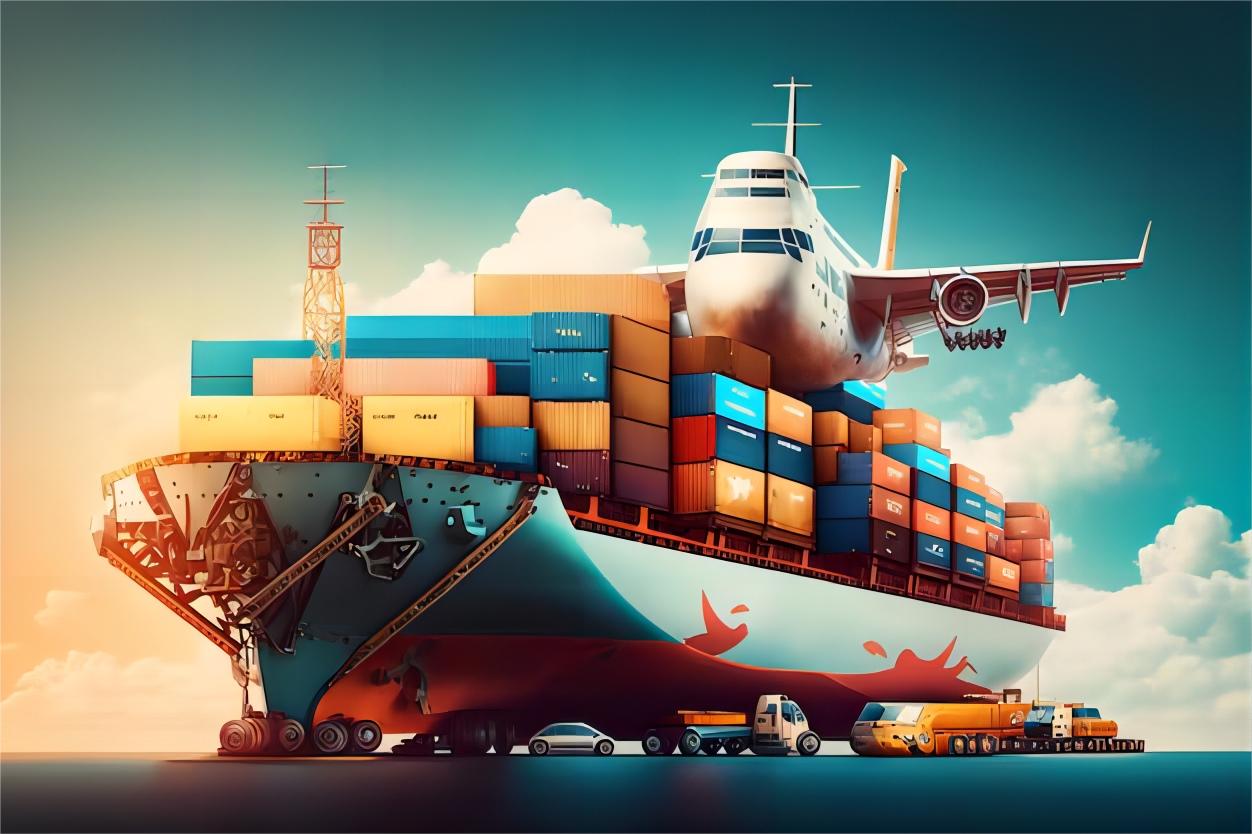
Reliable Door to Door Delivery from Shenzhen to Germany
Navigating international shipping from Shenzhen to Germany can be complex, especially when seeking a truly reliable door to door delivery service. Businesses often face challenges with customs, transit times, and coordinating multiple logistics providers. Top China Forwarder offers integrated solutions to streamline your entire supply chain, ensuring your goods arrive safely and on schedule.
✦
Why Choose Reliable Door to Door Delivery from Shenzhen to Germany?
Opting for a comprehensive door to door solution significantly simplifies the entire shipping process. This service manages every step, from pickup at your supplier’s factory in Shenzhen to final delivery at your warehouse or customer’s location in Germany. Consequently, you avoid the administrative burden of coordinating multiple handlers.
Moreover, a single point of contact enhances accountability and reduces potential communication gaps. This integrated approach minimizes risks, including delays and damage, which can arise when cargo changes hands frequently. Ultimately, it provides peace of mind and allows businesses to focus on their core operations, not complex logistics.
Understanding Your Primary Shipping Options to Germany
When transporting goods from Shenzhen to Germany, businesses have several distinct shipping methods available, each with unique advantages and trade-offs. The choice depends largely on your priorities regarding speed, cost, and cargo type. Therefore, understanding these options is crucial for effective logistics planning.
Furthermore, current market conditions, including freight rates and transit times, constantly evolve due to global events. As of early 2025, after some stabilization post-Red Sea disruptions, rates from China to Europe remain dynamic. Thus, staying informed about these factors is essential for optimal decision-making.
| Shipping Method | Cost Range (per kg/CBM) | Transit Time (Shenzhen-Germany) | Best For | Limitations |
|---|---|---|---|---|
| Sea Freight (LCL) | $50-80/CBM | 28-35 days | Large volume, heavy, non-urgent goods | Slow, susceptible to weather/port congestion |
| Sea Freight (FCL) | $3,000-4,200 (40HQ) | 28-35 days | Large volume, bulk cargo, lowest cost | Slow, fixed container size |
| Air Freight | $5-10/kg | 3-7 days | Urgent, high-value, perishable goods | High cost, weight/size restrictions |
| Rail Freight | $150-250/CBM or $8,000-12,000 (40HQ) | 18-25 days | Medium urgency, balanced cost/speed | Border delays, less flexibility than sea/air |
Sea Freight: The Cost-Effective Choice
Sea freight remains the most economical option for large volumes and heavy cargo. Shipments typically depart from major ports like Shenzhen, Shanghai, or Ningbo, arriving at European ports such as Hamburg, Bremerhaven, or Rotterdam. Transit times usually range from 28 to 35 days for direct services to Germany.
Businesses can choose between Full Container Load (FCL) for exclusive container use or Less than Container Load (LCL) for smaller shipments. LCL consolidates multiple shipments into one container, offering a cost-effective solution for cargo under 15 CBM. Consider sea freight for non-urgent, bulk goods.
However, sea freight is susceptible to port congestion and weather delays, impacting overall delivery schedules. Planning ahead and building in buffer time is therefore highly recommended, especially during peak seasons like Q3 and Q4.
Air Freight: When Speed is Paramount
For urgent or high-value goods, air freight offers unparalleled speed. Cargo typically flies from Shenzhen Bao’an International Airport (SZX) to major German airports like Frankfurt (FRA) or Munich (MUC). Transit times are significantly shorter, usually ranging from 3 to 7 days, including customs clearance.
While air freight is considerably more expensive than sea or rail, its speed can be critical for time-sensitive products, just-in-time inventory, or perishable items. This method ensures rapid market entry and reduces inventory holding costs. Explore air freight services for critical deliveries.
Nevertheless, air cargo capacity can fluctuate, especially during peak demand periods or holidays, affecting rates and availability. Additionally, cargo restrictions on size and weight are more stringent compared to sea freight. Therefore, careful planning is necessary.
Rail Freight: A Balanced Approach
The New Silk Road rail links provide a compelling alternative, balancing speed and cost between sea and air freight. Trains depart from Chinese hubs near Shenzhen, traveling across Central Asia to various European destinations, including Germany. Transit times typically range from 18 to 25 days, offering a good compromise.
Rail freight is particularly suitable for medium-priority shipments that are too urgent for sea freight but not critical enough for air cargo. It also offers lower carbon emissions compared to air transport, appealing to environmentally conscious businesses. Learn more about rail freight for balanced solutions.
Although rail offers advantages, it can be impacted by border crossing procedures and potential delays at transshipment points. Furthermore, certain types of hazardous materials or oversized cargo might have restrictions. It provides a reliable option for many types of goods.
How Does a Reliable Door to Door Service Handle Customs and Documentation?
Customs clearance is a critical, often complex, component of international shipping. A reliable door to door service includes expert customs brokerage, ensuring all necessary documentation is accurately prepared and submitted. This proactive approach prevents costly delays and potential penalties at both origin and destination.
Moreover, understanding German import regulations, tariffs, and VAT requirements is paramount. Your freight forwarder will manage commercial invoices, packing lists, bills of lading, and certificates of origin, among other documents. This diligent handling ensures compliance with all local and international trade laws, facilitating smooth market entry for your products.
Furthermore, a professional service proactively addresses any potential customs issues, such as product classification or valuation discrepancies. They act as your liaison with customs authorities, resolving queries swiftly and efficiently. This expertise is invaluable for businesses navigating the intricacies of shipping from China to Europe.
Optimizing Your Supply Chain: Alternative Strategies and Hybrid Solutions
Beyond standard shipping methods, businesses can implement various strategies to optimize their supply chain for shipments from Shenzhen to Germany. These alternatives focus on balancing cost, speed, and reliability based on specific product needs and market demands. Therefore, a flexible approach is often beneficial.
For instance, combining different transport modes or strategically consolidating shipments can yield significant advantages. Exploring these options with an experienced freight forwarder can unlock efficiencies and reduce overall logistics costs. This proactive planning is key to a resilient supply chain.
Cost-Saving Approaches
For shipments under 15 CBM, LCL sea freight is usually more economical than a full container, costing around $50-80/CBM. Consolidating multiple smaller orders into a single LCL shipment can further reduce per-unit costs. Planning shipments well in advance also helps secure better rates, avoiding premium charges for last-minute bookings.
Consider utilizing bonded warehousing services in Shenzhen if you have multiple suppliers. This allows for consolidation into a single FCL shipment, streamlining customs procedures and reducing origin charges. Negotiating annual contracts with freight forwarders can also lock in favorable freight rates, especially for consistent volume.
Speed-Focused Strategies
When speed is paramount, direct air freight services offer the fastest transit. For slightly less urgent but still time-sensitive cargo, using an express service can provide a good balance. These services often include expedited customs clearance.
Another strategy involves pre-clearing customs documentation while the goods are in transit. This allows for immediate release upon arrival at the destination port or airport, shaving off valuable days. Prioritizing reliable carriers with proven on-time performance also contributes to faster deliveries.
Hybrid Solutions: Combining Modes
Hybrid solutions combine the best aspects of different transport modes. For example, ‘Sea-Air’ involves shipping goods by sea from Shenzhen to a transit hub (e.g., Dubai), then by air to Germany. This can be 30-40% faster than pure sea freight and 30-50% cheaper than pure air freight, with a total transit time of 15-20 days.
Similarly, ‘Rail-Air’ can be used for even faster delivery than pure rail, transporting goods by rail to a central European hub, then by air to the final German destination. This method is particularly useful for reducing the longest leg of the journey by rail while still achieving quicker overall transit compared to sea-air. These strategies offer flexibility and optimized delivery schedules.
Real-World Success Stories: Reliable Door to Door Delivery
These case studies illustrate how effective planning and execution ensure reliable door to door delivery from Shenzhen to Germany for various cargo types and business needs. Each scenario highlights practical solutions to common logistics challenges.
Based on Q3 2024 market rates, these examples reflect typical costs and transit times. However, freight rates are subject to change based on fuel costs, carrier capacity, and seasonal demand. Always contact us for a current quote tailored to your specific shipment.
Case Study 1: E-commerce Retailer’s Seasonal Stock
| Detail | Value |
|---|---|
| Route | Shenzhen, China -> Cologne, Germany |
| Cargo | Fashion accessories, 8 CBM, 1,200 kg |
| Container | LCL 8 CBM |
| Shipping Details | |
| Carrier/Service | Major LCL consolidator |
| Port of Loading | Yantian, Shenzhen |
| Port of Discharge | Hamburg, Germany |
| Route Type | Transshipment via Singapore |
| Cost Breakdown | |
| Ocean Freight | $480 |
| Origin Charges (THC, documentation) | $150 |
| Destination Charges (CFS, D/O) | $220 |
| Customs & Duties (estimated) | $350 |
| Total Landed Cost | $1,200 |
| Timeline | |
| Booking to Loading | 5 days |
| Sea Transit | 32 days |
| Customs Clearance | 3 days |
| Total Door-to-Door | 40 days |
| Key Insight | Cost-effective LCL solution for seasonal inventory. Transshipment added 5 days but offered better rate. |
Case Study 2: Industrial Parts for Manufacturing Plant
| Detail | Value |
|---|---|
| Route | Shenzhen, China -> Stuttgart, Germany |
| Cargo | Automotive components, 25 CBM, 15,000 kg |
| Container | 20GP FCL |
| Shipping Details | |
| Carrier/Service | COSCO |
| Port of Loading | Shekou, Shenzhen |
| Port of Discharge | Bremerhaven, Germany |
| Route Type | Direct service |
| Cost Breakdown | |
| Ocean Freight | $1,900 |
| Origin Charges (THC, documentation) | $300 |
| Destination Charges (THC, D/O) | $400 |
| Customs & Duties (estimated) | $800 |
| Total Landed Cost | $3,400 |
| Timeline | |
| Booking to Loading | 7 days |
| Sea Transit | 28 days |
| Customs Clearance | 2 days |
| Total Door-to-Door | 37 days |
| Key Insight | Direct FCL minimized transit time and ensured dedicated space for sensitive components. Rates were stable as of early 2025. |
Case Study 3: Urgent Electronics Delivery
| Detail | Value |
|---|---|
| Route | Shenzhen, China -> Berlin, Germany |
| Cargo | High-value electronics, 1.5 CBM, 250 kg |
| Container | Air Cargo (Standard) |
| Shipping Details | |
| Carrier/Service | Lufthansa Cargo |
| Airport of Loading | Shenzhen (SZX) |
| Airport of Discharge | Frankfurt (FRA) |
| Route Type | Direct Air Freight |
| Cost Breakdown | |
| Air Freight | $1,500 ($6/kg) |
| Origin Charges (Handling, documentation) | $180 |
| Destination Charges (Handling, D/O) | $250 |
| Customs & Duties (estimated) | $400 |
| Total Landed Cost | $2,330 |
| Timeline | |
| Booking to Loading | 2 days |
| Air Transit | 1 day |
| Customs Clearance | 1 day |
| Total Door-to-Door | 5 days |
| Key Insight | Air freight provided rapid delivery for urgent, high-value goods, essential for meeting tight project deadlines. |
Which Option Should You Choose? A Decision Framework
Selecting the optimal shipping method for your goods from Shenzhen to Germany requires careful consideration of several factors. A strategic decision framework helps align your logistics choices with your business objectives. Therefore, evaluate these priorities before making a commitment.
Consider your budget, the urgency of your shipment, the nature of your cargo, and its total volume. Each factor plays a crucial role in determining the most efficient and cost-effective reliable door to door delivery solution. Partnering with an experienced forwarder is invaluable here.
Budget Priority
If cost savings are your primary concern, sea freight (FCL or LCL) is almost always the most economical choice. For shipments over 15 CBM, FCL offers the best per-unit cost. For smaller volumes, LCL sea freight minimizes expenses. This option requires longer lead times, however.
Speed Priority
When time is of the essence, air freight is indispensable, ensuring goods reach Germany within days. For a balance of speed and cost, rail freight offers a quicker alternative to sea, especially for medium-priority cargo. Express services provide expedited handling for critical small packages.
Cargo Type Considerations
Perishable goods, high-value electronics, or delicate items often benefit from the faster, more controlled environment of air freight. Bulk commodities, raw materials, or durable consumer goods are well-suited for sea freight. Rail freight is excellent for general cargo that needs a faster transit than ocean but is not urgent enough for air.
Volume Thresholds for Switching Methods
For shipments below 2 CBM, express courier services might be surprisingly competitive. Between 2-15 CBM, LCL sea freight or air freight become viable, depending on urgency. Over 15 CBM, FCL sea freight typically offers the best value. However, rail freight for volumes above 5 CBM can also be an attractive intermediate option. Always get a specific quote for your volume.
Conclusion: Your Partner for Seamless Shenzhen to Germany Deliveries
Securing reliable door to door delivery from Shenzhen to Germany is fundamental for businesses engaged in international trade. By understanding the various shipping methods, leveraging expert customs brokerage, and exploring alternative strategies, you can optimize your supply chain for efficiency and cost-effectiveness.
Ultimately, partnering with an experienced freight forwarder simplifies complex logistics, mitigates risks, and ensures your cargo reaches its destination safely and on time. Let us help you navigate the global shipping landscape with confidence and achieve your business goals. We are committed to your success.