

Reliable FCL Shipping from Shenzhen to Italy: Your Ultimate Guide
Navigating international logistics can be complex, especially when sourcing goods from Asia. Securing reliable FCL shipping from Shenzhen to Italy is crucial for businesses aiming for efficiency and cost-effectiveness. This comprehensive guide explores everything you need to know about Full Container Load (FCL) shipments from China’s bustling tech hub to key Italian ports, ensuring your cargo arrives safely and on schedule.
What is FCL Shipping and Why is it Preferred for China-Italy Routes?
Full Container Load (FCL) shipping involves reserving an entire container exclusively for your goods. This method is highly favored for larger shipments, offering significant advantages over Less than Container Load (LCL) options.
Crucially, FCL provides enhanced security and faster transit times because your cargo isn’t consolidated with other shippers’ goods. Consequently, there are fewer handling points, reducing the risk of damage or delays during the journey from Shenzhen to Italy.
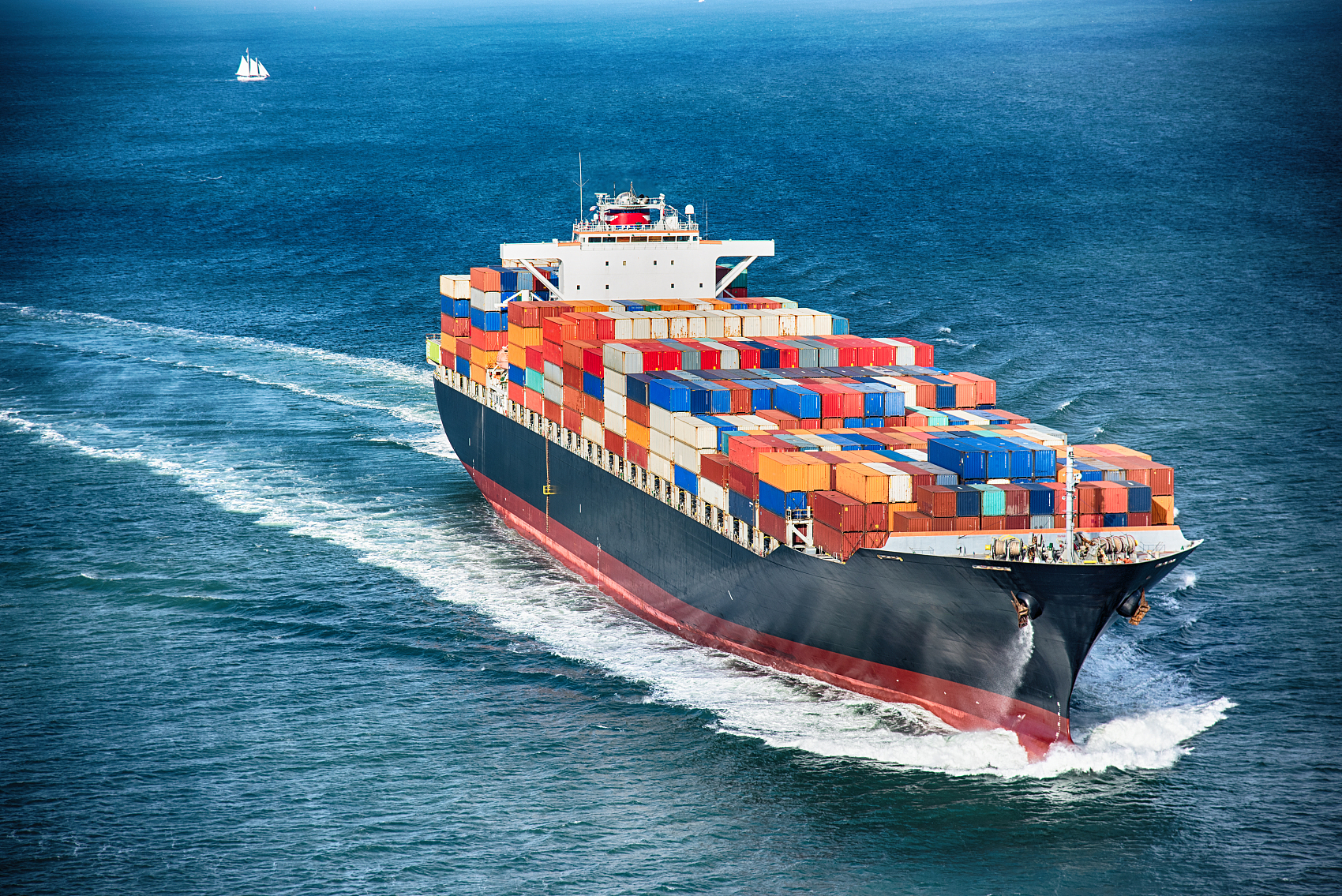
Why Shenzhen is a Strategic Hub for Exports to Italy
Shenzhen, a prominent city in China’s Guangdong province, boasts one of the world’s busiest container ports. Its strategic location offers unparalleled access to manufacturing centers across Southern China, making it an ideal origin for international shipments.
Furthermore, the port of Shenzhen is well-connected with major shipping lines that operate direct routes to Europe. This robust infrastructure supports efficient and sea freight services, streamlining the export process for Italian importers.
Key Italian Ports for Receiving FCL Shipments
Italy’s extensive coastline features several key ports capable of handling large volumes of FCL cargo from China. Genoa, La Spezia, and Livorno are among the most important gateways, particularly for goods destined for Northern and Central Italy.
Additionally, ports like Venice and Trieste serve as crucial entry points for Eastern European markets, while Naples and Salerno cater to Southern Italy. Selecting the right port of discharge depends on your final delivery destination and internal logistics network.
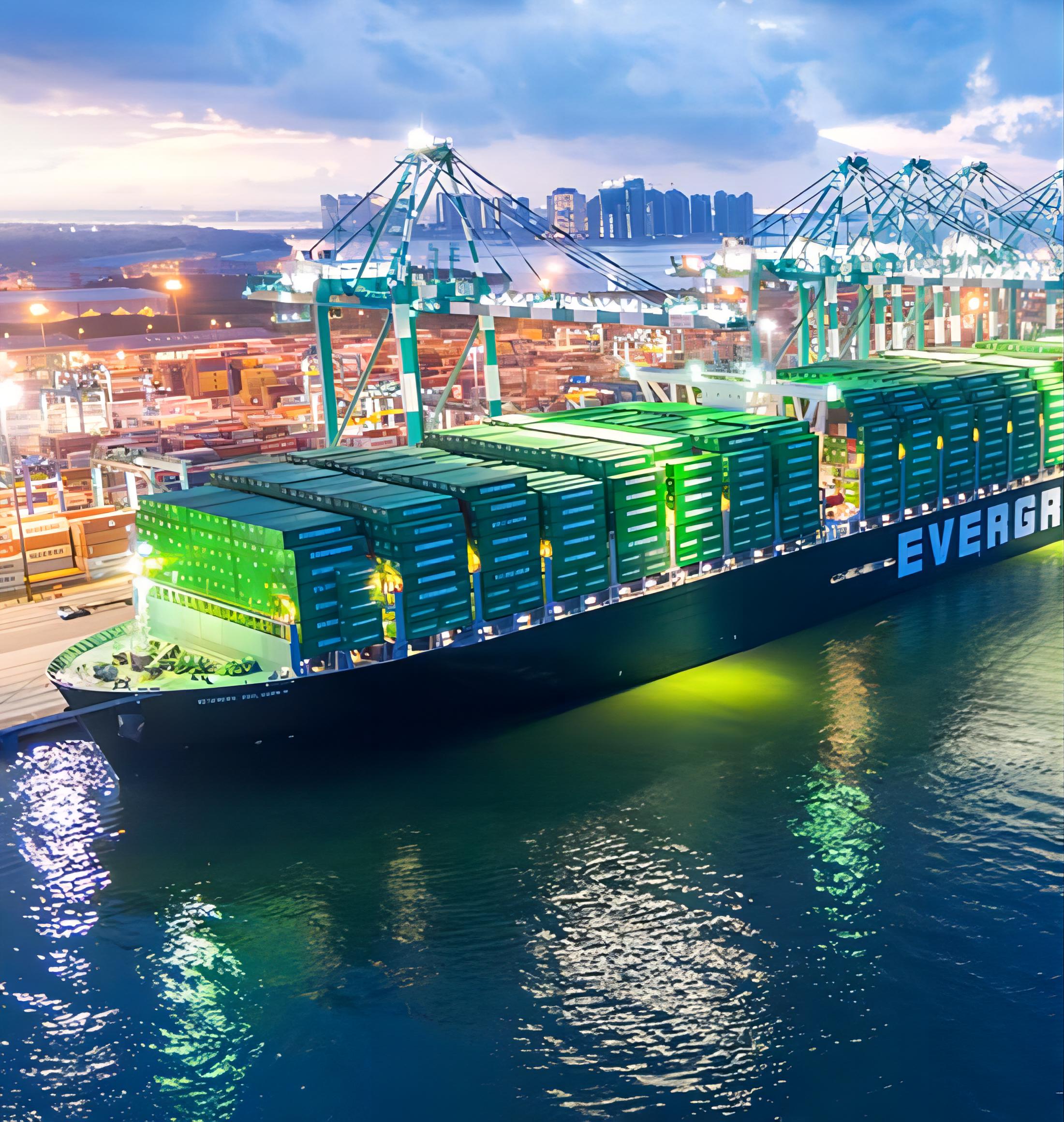
Benefits of Opting for Reliable FCL Shipping from Shenzhen to Italy
Choosing FCL for your Shenzhen to Italy route offers numerous benefits, especially concerning cost-efficiency and cargo safety. For instance, when your shipment volume is substantial, FCL often becomes more economical per unit than LCL, providing better value for money.
Moreover, FCL significantly reduces the risk of damage or loss as your goods are not handled multiple times or exposed to other cargo. This method also provides predictable transit times, which is vital for effective supply chain management and meeting delivery schedules.
How Does FCL Shipping Compare to Other Options?
When planning your import strategy from China to Europe, understanding the alternatives to FCL is essential. Each shipping method presents distinct advantages and disadvantages concerning cost, speed, and suitability for different cargo types.
Therefore, evaluating these options against your specific business needs, budget, and timeline is critical for making an informed decision. Let’s delve into a comparison of FCL with other prevalent shipping methods.
| Shipping Method | Cost Range (40HQ) | Transit Time (Shenzhen-Italy) | Best For | Limitations |
|---|---|---|---|---|
| FCL Sea Freight | $3,000-4,200 | 30-38 days | Large volumes, cost-efficiency, secure cargo | Slower transit, port congestion risks |
| LCL Sea Freight | $50-80/CBM (under 15 CBM) | 35-45 days | Smaller shipments, budget-conscious | More handling, longer transit, higher per-unit cost for larger volumes |
| Air Freight | $15,000-25,000 (equivalent volume) | 5-7 days | Urgent, high-value, perishable goods | Air freight is significantly more expensive, volume/weight restrictions |
| Rail Freight | $8,000-12,000 (40HQ) | 18-25 days | Mid-sized, time-sensitive but not urgent | Limited routes, capacity constraints, not always door-to-door |
Which Shipping Option Should You Choose for Your Imports?
Deciding on the optimal shipping method involves a careful assessment of several factors. Budget priority, speed requirements, and the nature of your cargo all play a significant role in determining the most suitable solution for your imports.
For instance, if your primary concern is minimizing shipping costs for large, non-urgent orders, FCL sea freight is almost always the best choice. Conversely, when speed is paramount, and budget is less restrictive, air freight becomes indispensable.
Budget Priority: FCL Sea Freight
If your budget is a key consideration and you have sufficient volume (typically over 15 CBM), FCL sea freight offers the most cost-effective solution. The per-unit cost decreases substantially with larger shipments, optimizing your overall freight expenses.
This method is ideal for businesses importing bulk goods, raw materials, or products with longer lead times. It provides a stable and predictable shipping cost, which assists in accurate financial planning for your supply chain.
Speed Priority: Air Freight or Express Services
For urgent shipments, high-value items, or products with a short shelf life, air freight is the undisputed champion. It drastically cuts down transit times, ensuring rapid delivery from Shenzhen to Italy.
However, be prepared for significantly higher shipping costs. For very small, urgent packages, an express service might be an even faster, albeit pricier, option, delivering directly to your doorstep within days.
Cargo Type and Volume Considerations
The type of cargo directly influences the best shipping method. Fragile goods or those requiring specific temperature controls might benefit from dedicated FCL containers or specialized air freight services.
For volumes between 2-15 CBM, LCL might seem appealing, but often the extra handling and longer transit times make FCL a better value if you can consolidate. For anything above 15 CBM, FCL is almost always more efficient and safer.
Hybrid Solutions for Balanced Needs
Sometimes, a hybrid approach offers the best of both worlds. For example, a sea-air combination involves shipping by sea to a hub like Dubai, then by air to Italy. This balances cost and speed, reducing overall transit time compared to pure sea freight.
This strategy is particularly useful for products that require faster delivery than sea freight but are too large or costly for direct air freight. It provides flexibility, allowing businesses to adapt to fluctuating market demands and unforeseen supply chain disruptions.
Understanding the FCL Shipping Process: Step-by-Step
Successfully managing an FCL shipment from Shenzhen to Italy requires a clear understanding of each stage. From booking to final delivery, a structured approach ensures smooth operations and minimizes potential issues.
Therefore, working with an experienced freight forwarder is paramount. They can guide you through the complexities, ensuring all documentation is accurate and processes are followed meticulously for seamless international trade.
Booking and Documentation
The process begins with booking your container and providing accurate shipment details to your freight forwarder. Essential documents include the commercial invoice, packing list, and bill of lading (B/L).
Accuracy in these documents is critical for customs clearance in both China and Italy. Any discrepancies can lead to significant delays and additional costs, impacting your overall delivery schedule.
Cargo Loading and Port Operations
Once your container is booked, your goods are loaded at the factory or warehouse in Shenzhen. The container is then transported to the port of loading, where it undergoes inspection and is prepared for vessel departure.
Efficient port operations are vital for maintaining scheduled transit times. Factors like port congestion or weather conditions can occasionally affect departure, highlighting the importance of real-time tracking and communication.
Ocean Transit and Customs Clearance in Italy
The container then embarks on its ocean voyage across the Europe. Upon arrival at the Italian port of discharge, the crucial customs clearance process begins.
This involves submitting all required import declarations and paying applicable duties and taxes. Engaging a reliable customs brokerage service is highly recommended to navigate Italian regulations efficiently and avoid delays.
Final Delivery and Door-to-Door Service
After successful customs clearance, the container is transported from the port to your final destination in Italy. Many importers opt for door-to-door service for maximum convenience.
This comprehensive service manages the entire logistics chain, from your supplier’s factory in Shenzhen to your warehouse in Italy. It simplifies the process considerably, allowing you to focus on your core business operations.
Navigating Costs and Transit Times for Shenzhen to Italy FCL
Understanding the financial and temporal aspects of FCL shipping is fundamental for effective budgeting and supply chain planning. Freight rates and transit times are influenced by a multitude of dynamic factors, requiring careful consideration.
As of Q1 2025, freight rates from China to Europe have seen some stabilization following the Red Sea disruptions of 2024, although volatility remains a factor. Shippers should anticipate potential fluctuations due to ongoing geopolitical events and global demand shifts.
Factors Influencing FCL Shipping Costs
The total cost of FCL shipping from Shenzhen to Italy encompasses various components. These include ocean freight rates, which fluctuate based on carrier capacity, fuel surcharges (Bunker Adjustment Factor – BAF), and peak season demand.
Additionally, origin charges (e.g., terminal handling, documentation fees), destination charges (e.g., port congestion fees, drayage), and customs duties/taxes significantly contribute to the overall landed cost. Always request an all-inclusive quote to avoid surprises.

Typical FCL Transit Times and Market Trends
Standard FCL transit times from Shenzhen to major Italian ports like Genoa or La Spezia typically range from 30 to 38 days. This duration can vary based on the specific shipping line, vessel speed, and route taken (direct vs. transshipment).
Market data suggests that rates typically increase by 15-25% during the August-October peak season leading up to holidays. Planning ahead and booking early during these periods can help mitigate higher costs and secure vessel space.
| Container Type | Ocean Freight Range (Q1 2025) | Typical Transit Time |
|---|---|---|
| 20GP (General Purpose) | $2,000 – $2,800 | 30-38 days |
| 40GP (General Purpose) | $3,200 – $4,200 | 30-38 days |
| 40HQ (High Cube) | $3,500 – $4,500 | 30-38 days |
Real-World Success: Case Studies for FCL Shipments to Italy
Examining real-world scenarios provides valuable insights into the practical application of FCL shipping from Shenzhen to Italy. These case studies highlight diverse cargo types, routes, and cost considerations, demonstrating effective logistics solutions.
They underscore the importance of meticulous planning and a reliable freight partner in achieving successful import operations. These examples are based on typical rates and operations as of early 2025.
Case Study 1: Electronics from Shenzhen to Milan
| Detail | Value |
|---|---|
| Route | Shenzhen, China -> Milan, Italy (via Genoa) |
| Cargo | Consumer electronics, 60 CBM, 12,000 kg |
| Container | 1 x 40HQ |
| Shipping Details | |
| Carrier/Service | COSCO |
| Port of Loading | Shenzhen |
| Port of Discharge | Genoa |
| Route Type | Direct |
| Cost Breakdown | |
| Ocean Freight | $3,850 |
| Origin Charges (THC, documentation) | $350 |
| Destination Charges (Drayage, Port fees) | $600 |
| Customs & Duties (estimated) | $1,200 |
| Total Landed Cost | $6,000 |
| Timeline | |
| Booking to Loading | 5 days |
| Sea Transit | 32 days |
| Customs Clearance | 3 days |
| Total Door-to-Door | 40 days |
| Key Insight | Efficient customs brokerage at Genoa was critical for quick onward delivery to Milan. The direct route saved 3-5 days. |
Case Study 2: Apparel from Dongguan (via Shenzhen) to Florence
| Detail | Value |
|---|---|
| Route | Dongguan, China -> Florence, Italy (via La Spezia) |
| Cargo | Fashion apparel, 55 CBM, 9,500 kg |
| Container | 1 x 40HQ |
| Shipping Details | |
| Carrier/Service | MSC |
| Port of Loading | Shenzhen |
| Port of Discharge | La Spezia |
| Route Type | Direct |
| Cost Breakdown | |
| Ocean Freight | $3,980 |
| Origin Charges (THC, documentation) | $380 |
| Destination Charges (Drayage, Port fees) | $650 |
| Customs & Duties (estimated) | $1,500 |
| Total Landed Cost | $6,510 |
| Timeline | |
| Booking to Loading | 7 days |
| Sea Transit | 34 days |
| Customs Clearance | 4 days |
| Total Door-to-Door | 45 days |
| Key Insight | Pre-clearing customs documents before arrival minimized port dwell time, crucial for fast-moving fashion goods. Proactive communication with the forwarder avoided potential delays. |
Choosing Your Reliable Freight Forwarder for China-Italy Route
The success of your FCL shipments largely depends on the expertise of your chosen freight forwarder. A proficient partner offers more than just transportation; they provide comprehensive logistics solutions, ensuring peace of mind.
Look for a forwarder with extensive experience in the China-Europe corridor, a strong network of carriers, and transparent communication. They should be able to handle all aspects, from origin pick-up to destination delivery, including intricate customs procedures.
Secure Your Supply Chain with Reliable FCL Shipping from Shenzhen to Italy
In summary, opting for reliable FCL shipping from Shenzhen to Italy is a strategic decision for businesses seeking efficiency, security, and cost-effectiveness. Understanding the nuances of FCL, comparing it with other modes, and navigating the process are all vital for successful imports.
By partnering with an experienced freight forwarder, you can overcome logistical challenges and ensure your goods reach Italy seamlessly. Invest in a robust supply chain to support your business growth and maintain a competitive edge in the market.
Ready to streamline your logistics?
Ready to streamline your imports from Shenzhen to Italy with confidence? Discover how our expertise in FCL shipping can benefit your business. Contact us today for a personalized quote and ensure your cargo arrives reliably and efficiently.
Request Quote