

Streamlining Your 40GP FCL Booking Process for Solar Panels China to Illinois
Importing solar panels from China to Illinois requires a robust and efficient logistics strategy. Managing the complexities of international shipping, especially for valuable and delicate cargo like solar panels, demands careful planning. This comprehensive guide details the 40GP FCL booking process, offering insights to ensure a smooth and cost-effective journey for your solar energy components. Discover how Top China Forwarder can simplify your import operations.
Understanding 40GP FCL Shipping for Solar Panels
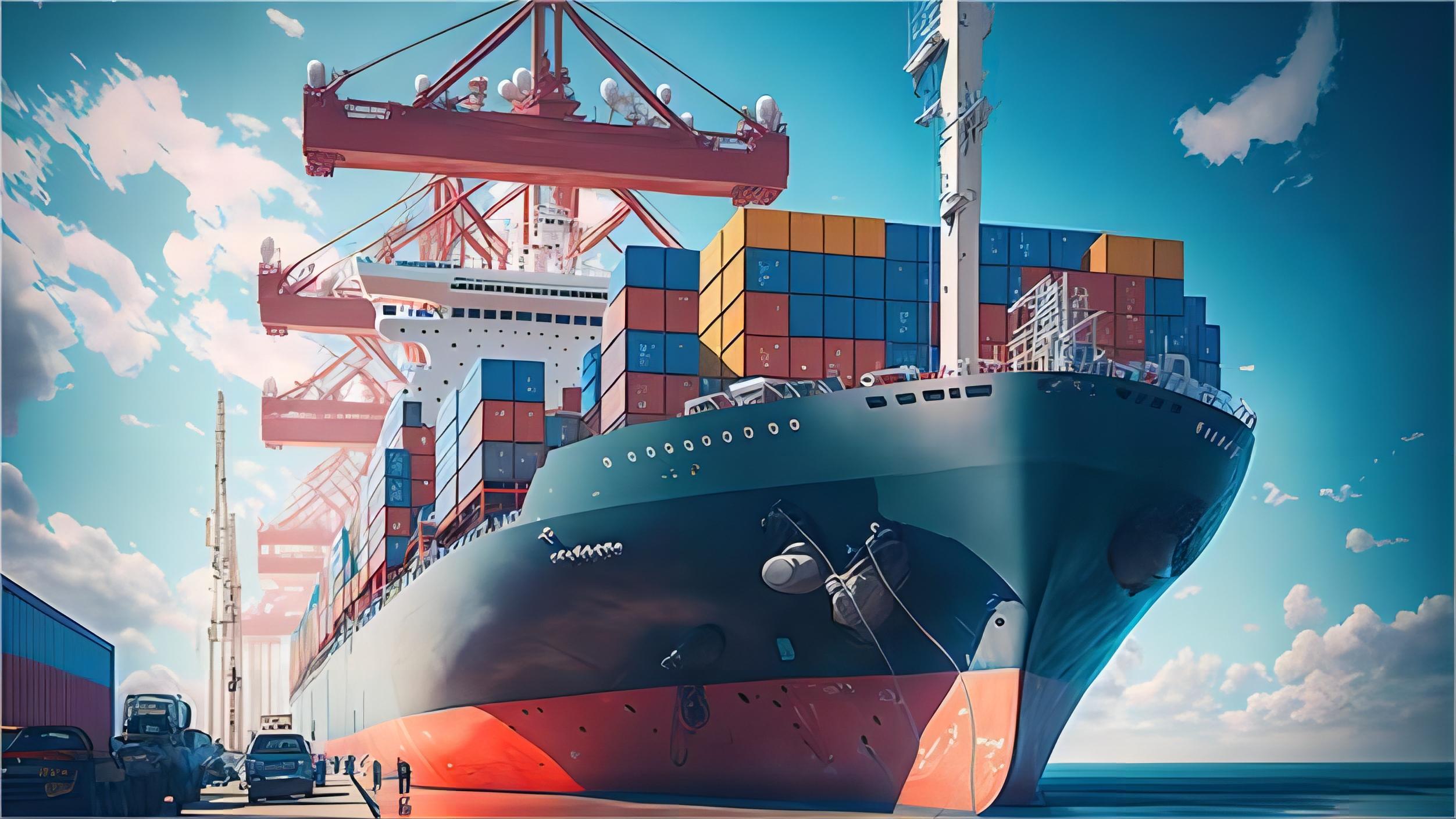
Shipping solar panels from China to Illinois demands a reliable and secure method. A 40GP (40-foot General Purpose) FCL (Full Container Load) container is often the most suitable choice for such cargo.
This container type offers substantial capacity, ensuring that your entire shipment of solar panels remains isolated within a single unit. Consequently, this minimizes handling risks and potential damage during transit.
Opting for FCL shipping provides exclusive use of the container. Therefore, you avoid sharing space with other shippers’ goods, which can lead to fewer delays and enhanced security. This method is particularly beneficial for large volume imports of sensitive products like solar panels.

Choosing a 40GP container specifically addresses the dimensions and volume typical of solar panel shipments. Moreover, it optimizes space utilization, thereby reducing per-unit shipping costs for importing solar panels to Illinois.
The Step-by-Step 40GP FCL Booking Process
Navigating the 40GP FCL booking process for solar panels from China to Illinois involves several critical stages. Each step requires meticulous attention to detail and coordination with your freight forwarder.
Initially, securing a competitive quotation is paramount. You need to provide shipment details such as cargo volume, weight, dimensions, origin, and destination ports. This information allows forwarders to offer accurate FCL shipping rates China to Midwest.
Upon agreement, a booking confirmation follows. This crucial document outlines the vessel schedule, container pick-up details, and cut-off times. Furthermore, it initiates the necessary logistics arrangements for your solar panel shipment.
Pre-shipment logistics in China involve transporting your solar panels from the factory to the designated port of loading. This stage includes cargo inspection, proper loading into the 40GP container, and sealing. Proper loading techniques are essential to prevent damage to photovoltaic modules.
Once loaded, the container is moved to the port and loaded onto the vessel. Ocean transit then begins, with real-time tracking available through your forwarder. Monitoring your shipment’s progress is vital for managing solar panel imports effectively.
Upon arrival at a US port, the container undergoes customs clearance. This involves submitting all required documentation and paying applicable duties and taxes. A skilled customs broker simplifies this complex process, ensuring compliance.
Finally, inland transportation moves your container from the US port to its final destination in Illinois. This leg typically involves rail or truck freight, completing the door-to-door delivery of your solar panels.
Key Factors Influencing Shipping Costs and Transit Times
Several variables significantly impact the cost to ship 40GP container China to US and the overall transit time China to Chicago. Understanding these factors helps in budgeting and planning your logistics.
Ocean freight rates are the primary component, fluctuating based on supply and demand, fuel prices, and carrier capacity. Additionally, various surcharges, such as Bunker Adjustment Factor (BAF) and Peak Season Surcharge (PSS), can add to the total cost.
Port congestion at both origin and destination ports can cause delays, extending transit times. Seasonal variations, particularly during Chinese New Year and the Q3 peak shipping season, often lead to higher rates and longer waits. Planning ahead is crucial to mitigate these impacts.

Customs duties and taxes, determined by the HTS codes of your solar panels, are a significant expense. These vary based on trade agreements and specific product classifications. Accurate classification is essential for proper calculation.
Insurance protects your investment against loss or damage during transit. Local charges at both origin (THC, documentation fees) and destination (drayage, chassis fees, port congestion fees) also contribute to the total landed cost.
For example, a typical 40GP FCL from China to USA East Coast ports can range from $4,000-5,500 for ocean freight alone, as of early 2025. This rate does not include surcharges, origin, destination, or inland costs. The transit time from China to Chicago via West Coast ports (e.g., Los Angeles) and then rail is approximately 20-25 days, while an East Coast route might be 30-35 days.
Note: Freight rates are subject to change based on fuel costs, carrier capacity, and seasonal demand. Contact us for a current quote tailored to your specific shipment.
| Cost Component | Typical Range (USD) | Description |
|---|---|---|
| Ocean Freight | $4,000 – $6,000 | Base cost for container transport (China port to US port) |
| Surcharges (BAF, PSS, etc.) | $300 – $800 | Additional fees for fuel, peak season, etc. |
| Origin Charges (THC, Documentation) | $200 – $400 | Handling and paperwork at the China port |
| Destination Charges (DDC, Chassis) | $800 – $1,500 | Port-related fees and equipment rental in the US |
| Customs Brokerage Fee | $150 – $300 | Service for customs clearance |
| Customs Duties & Taxes | Varies (0-25% of value) | Government levies based on HTS code and origin |
| Inland Freight (Port to Illinois) | $1,500 – $3,000 | Rail or truck transport from US port to Illinois |
| Cargo Insurance | 0.3% – 0.5% of cargo value | Protection against loss or damage |
Navigating Customs and Compliance for Solar Panel Imports
Successful importing solar panels to Illinois hinges on meticulous customs compliance. Incorrect documentation or classification can lead to significant delays and penalties.
Firstly, you will need a Commercial Invoice, Packing List, and the Original Bill of Lading. Furthermore, a Certificate of Origin is often required to determine preferential tariff treatment. All documents must be accurate and consistent.
Understanding US import regulations for solar panels is crucial. This includes correctly identifying the Harmonized Tariff Schedule (HTS) codes for your specific photovoltaic modules. Tariffs and duties are calculated based on these codes.
The role of a professional customs brokerage cannot be overstated. They ensure all declarations are accurate, duties are correctly paid, and your shipment complies with all US Customs and Border Protection (CBP) requirements. This expertise is vital for avoiding costly errors and expediting clearance.
Maintaining updated knowledge of trade policies and any anti-dumping or countervailing duties on solar products from China is also important. These policies can directly impact your final landed cost and overall import strategy.
How Does 40GP FCL Compare to Other Shipping Options?
While 40GP FCL is often ideal for solar panels, understanding alternative shipping methods is crucial for optimizing your supply chain. Different options cater to varying priorities in terms of cost, speed, and cargo volume.
Considering sea freight as a whole, FCL (Full Container Load) is compared against LCL (Less than Container Load). For shipments under 15 CBM, LCL at $50-80/CBM may be more economical than a full container. However, LCL often involves more handling and longer transit times due to consolidation.
For urgent needs, air freight offers unparalleled speed. While significantly more expensive, it can reduce transit time China to Chicago from weeks to days. Air freight for the same volume as a 40GP would cost $15,000-25,000, arriving in 5-7 days instead of 30-40 days for sea freight.
Rail freight from China, while not direct to Illinois, can be part of a multimodal solution, especially for Europe. However, for China to the US, the primary intermodal solution involves sea freight to a West Coast port (e.g., Los Angeles) followed by rail to Chicago. This hybrid approach balances speed and cost.
Direct routes for sea freight cost 10-15% more but save 5-7 days compared to transshipment via major hubs. This trade-off between cost and transit time is a key consideration for managing solar panel imports. As of Q1 2025, freight rates from China to USA have remained relatively stable, though specific route surcharges can fluctuate.
| Shipping Method | Cost Range (40GP equivalent) | Transit Time (China to Illinois) | Best For | Limitations |
|---|---|---|---|---|
| 40GP FCL Sea Freight | $6,000 – $10,000 | 30 – 40 days | Large volume, cost-sensitive, non-urgent | Slowest, potential for port delays |
| LCL Sea Freight | $50 – $80 per CBM | 35 – 45 days | Small to medium volume, cost-effective | More handling, longer transit, less control |
| Air Freight | $15,000 – $25,000 | 5 – 7 days | Urgent, high-value, small volume | Very high cost, limited by cargo size/weight |
| Sea-Rail Intermodal (via West Coast) | $8,000 – $12,000 | 20 – 25 days | Balanced speed and cost, large volume | Additional transfers, potential for rail delays |
Which Option Should You Choose?
Your choice of shipping method depends on your specific business priorities and cargo characteristics.
If budget is your primary concern, 40GP FCL sea freight is almost always the most cost-effective option for solar panels. It offers the lowest per-unit cost for large volumes.
When speed is critical, perhaps for a time-sensitive project, air freight is the recommended choice. Be prepared for significantly higher costs, however.
For cargo types that are less time-sensitive but still require good cost efficiency, a sea-rail intermodal solution to Illinois can be a balanced approach. This leverages the cost-effectiveness of sea transport with the speed of domestic rail.
Consider volume thresholds carefully. If your shipment consistently fills a 40GP container, FCL is economical. However, for smaller, intermittent shipments, LCL or even air freight for very small, urgent components might be more suitable.
Real-World Scenarios: 40GP FCL Solar Panel Shipments to Illinois
Examining real-world scenarios provides practical insights into the 40GP FCL booking process for solar panels from China to Illinois. These examples highlight typical challenges and solutions in international logistics for renewables.
Case Study 1: Large-Scale Solar Farm Project
This case involved a developer needing a consistent supply of solar panels for a new utility-scale solar farm in central Illinois. The priority was cost-effectiveness and reliable delivery schedule.
| Detail | Value |
|---|---|
| Route | Shanghai, China -> Chicago, USA (via Los Angeles) |
| Cargo | Photovoltaic Modules (400W), 65 CBM, 22,000 kg |
| Container | One 40GP |
| Shipping Details | Carrier: COSCO, Port of Loading: Shanghai, Port of Discharge: Los Angeles, Route Type: Transshipment via rail to Chicago |
| Cost Breakdown | Ocean Freight: $5,200, Origin Charges: $350, Destination Charges: $1,100, Customs & Duties (estimated): $2,500, Total Landed Cost: $9,150 |
| Timeline | Booking to Loading: 7 days, Sea Transit: 16 days, Rail Transit: 6 days, Customs Clearance: 3 days, Total Door-to-Door: 32 days |
| Key Insight | Leveraging a West Coast port with efficient rail intermodal service provided a good balance of cost and speed for the Midwest destination. Based on Q3 2024 market rates. |
Case Study 2: Commercial Rooftop Installation
A commercial installer in Chicago required a specific type of solar panel for a time-sensitive rooftop project. While not express, predictable delivery was crucial to meet installation deadlines.
| Detail | Value |
|---|---|
| Route | Ningbo, China -> Chicago, USA (via Savannah) |
| Cargo | High-efficiency Solar Panels (450W), 60 CBM, 20,000 kg |
| Container | One 40GP |
| Shipping Details | Carrier: Evergreen, Port of Loading: Ningbo, Port of Discharge: Savannah, Route Type: Direct ocean to Savannah, then truck to Chicago |
| Cost Breakdown | Ocean Freight: $5,800, Origin Charges: $320, Destination Charges: $1,250, Customs & Duties (estimated): $2,700, Total Landed Cost: $10,070 |
| Timeline | Booking to Loading: 5 days, Sea Transit: 28 days, Truck Transit: 4 days, Customs Clearance: 2 days, Total Door-to-Door: 39 days |
| Key Insight | Using an East Coast port with direct ocean service reduced transshipment risks, despite a longer sea transit. Consistent communication with the freight forwarder ensured smooth coordination. Typical rates as of early 2025. |
Case Study 3: Distributor Stock Replenishment
An Illinois-based solar panel distributor needed to replenish their inventory efficiently. Their main concern was minimizing shipping costs and ensuring consistent supply to avoid stockouts.
| Detail | Value |
|---|---|
| Route | Qingdao, China -> Chicago, USA (via Long Beach) |
| Cargo | Standard Solar Panels (380W), 68 CBM, 24,000 kg |
| Container | One 40GP |
| Shipping Details | Carrier: MSC, Port of Loading: Qingdao, Port of Discharge: Long Beach, Route Type: Transshipment via rail to Chicago |
| Cost Breakdown | Ocean Freight: $4,900, Origin Charges: $300, Destination Charges: $1,050, Customs & Duties (estimated): $2,300, Total Landed Cost: $8,550 |
| Timeline | Booking to Loading: 6 days, Sea Transit: 18 days, Rail Transit: 5 days, Customs Clearance: 3 days, Total Door-to-Door: 32 days |
| Key Insight | Early booking and flexible port selection allowed for more competitive ocean freight rates. Strategic use of intermodal rail from the West Coast optimized transit time for a cost-effective solution. Market data suggests these rates are common in Q1 2025. |
Optimizing Your Supply Chain: Tips for Efficient Solar Panel Logistics
Beyond the basic 40GP FCL booking process for solar panels from China to Illinois, several strategies can further optimize your supply chain. These tips focus on efficiency, cost reduction, and risk mitigation.
Selecting the right freight forwarder is paramount. A reputable forwarder with experience in solar panel logistics understands the nuances of cargo handling, documentation, and customs for this specialized product. They can provide valuable insights into managing solar panel imports.
Effective communication with your supplier, forwarder, and customs broker is crucial. Clear and timely information exchange prevents misunderstandings and expedites processes. This proactive approach is key to smooth international logistics for renewables.
Leveraging door-to-door services simplifies the entire shipping process. This comprehensive service handles all aspects from origin pick-up to final delivery in Illinois, reducing your administrative burden and ensuring seamless transitions between different transport modes.
Implementing robust risk management strategies, including comprehensive cargo insurance, protects your investment against unforeseen events. Given the value and fragility of solar panels, adequate insurance is a non-negotiable aspect of your import plan. Industry average for this route suggests careful planning saves significant costs.
Top China Forwarder specializes in navigating the complexities of shipping from China to North America. We provide tailored solutions for your solar panel imports, ensuring efficiency and cost-effectiveness. Our expertise in the 40GP FCL booking process and customs compliance makes us a trusted partner for your supply chain.
Conclusion
Mastering the 40GP FCL booking process for solar panels from China to Illinois is essential for the success of your solar energy projects. From understanding container types and navigating complex customs regulations to optimizing transit times and managing costs, each step requires careful consideration. By partnering with an experienced freight forwarder, you can ensure a smooth, efficient, and cost-effective import operation. Ultimately, a well-managed supply chain for solar panels contributes significantly to your project’s success and profitability.
Ready to streamline your logistics?
Ready to streamline your 40GP FCL booking process for solar panels from China to Illinois? Contact our expert team today for a personalized quote and discover how our comprehensive logistics solutions can benefit your business. Send Inquiry to ensure efficient and reliable delivery.
Request Quote