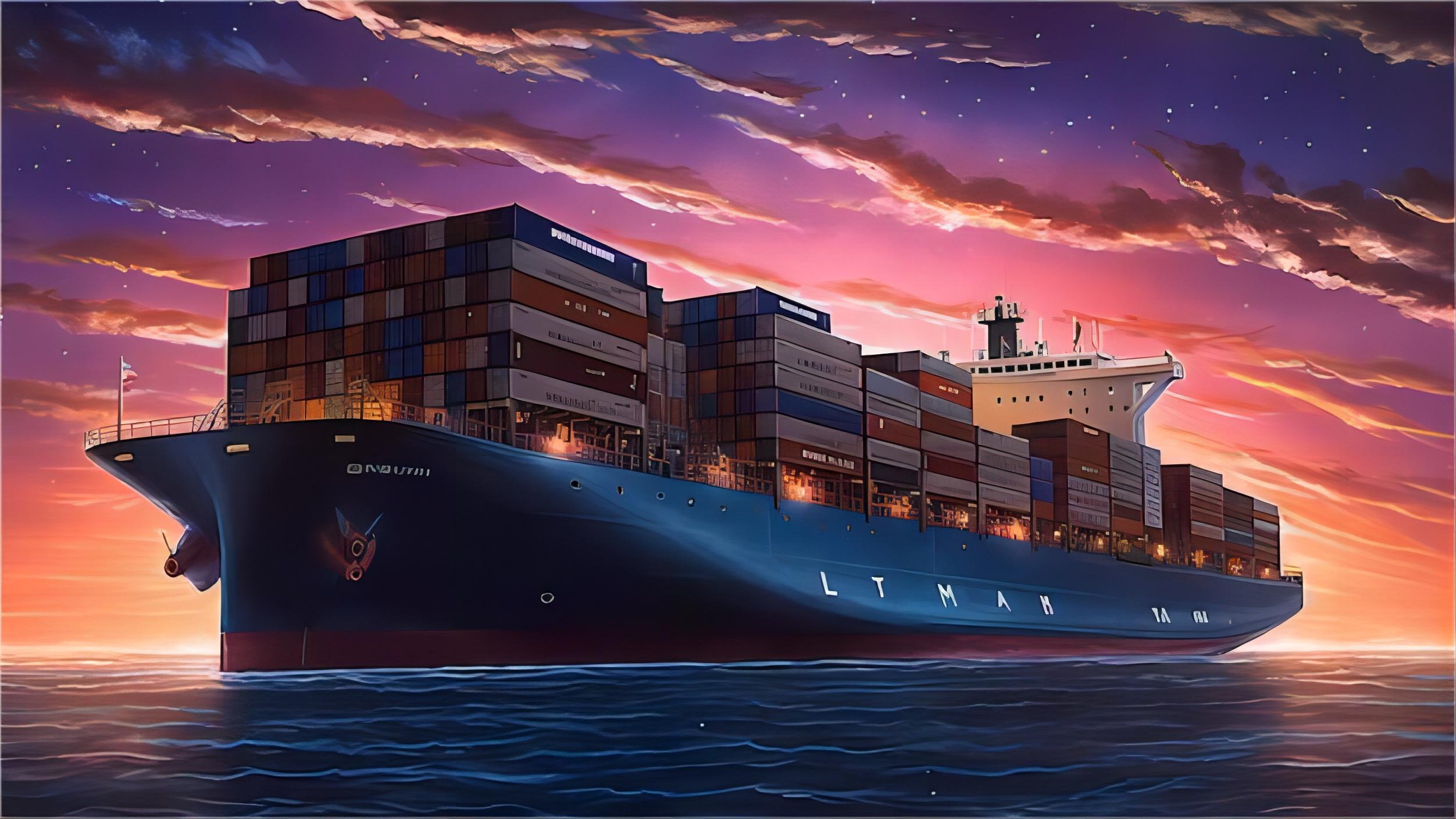
Professional Sea Freight from Shenzhen to Netherlands
Navigating international logistics can be complex, especially when shipping from a major manufacturing hub like Shenzhen to the European markets of the Netherlands. Businesses constantly seek efficient and reliable solutions for transporting goods across continents. This guide will meticulously outline the processes and benefits of choosing Top China Forwarder for your cargo needs.
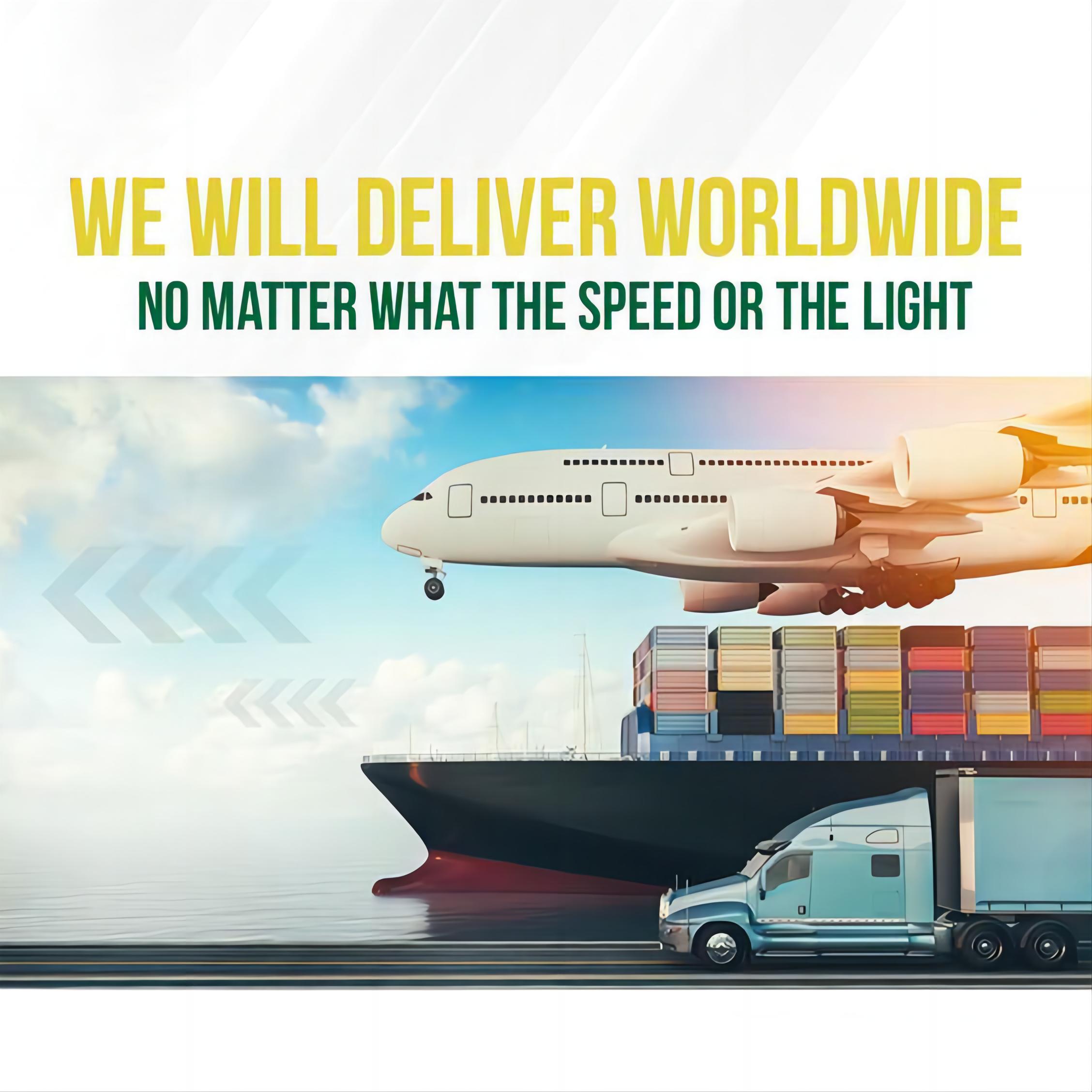
✦
Why Choose Professional Sea Freight from Shenzhen to Netherlands?
Shipping goods from Shenzhen, China, to the Netherlands requires careful consideration of various factors, including cost, transit time, and cargo volume. Sea freight consistently emerges as the most economical option for large, bulky, or non-urgent shipments.
Opting for sea freight provides unparalleled cost-effectiveness compared to air or express services. This method significantly reduces per-unit shipping costs, thereby improving overall profit margins for importers. Therefore, many businesses prioritize this solution for their extensive supply chain needs.
What are the Primary Sea Freight Options Available?
When planning your shipment, understanding the two main types of ocean freight is crucial: Full Container Load (FCL) and Less than Container Load (LCL). Each option caters to different cargo volumes and budgetary requirements, providing flexibility for various business scales.
FCL involves leasing an entire container, typically 20-foot or 40-foot, exclusively for your goods. This option offers faster transit times and reduced handling risks. Conversely, LCL allows you to share container space with other shippers, making it ideal for smaller shipments that do not fill an entire container. Consequently, LCL is often more economical for lower volumes, albeit with slightly longer transit times due to consolidation.
| Shipping Method | Best For | Cost Efficiency | Transit Time |
|---|---|---|---|
| FCL (Full Container Load) | Large, bulky shipments | High (per unit) | Faster, direct |
| LCL (Less than Container Load) | Smaller, less urgent cargo | Moderate (shared) | Slightly longer |
Understanding Transit Times for Sea Freight to the Netherlands
The transit time for professional sea freight from Shenzhen to Netherlands typically ranges between 28 and 35 days. This duration can vary based on the specific carrier, chosen route, and potential transshipment points. Moreover, factors like port congestion and customs clearance procedures also influence the total delivery schedule.
Direct routes to major Dutch ports like Rotterdam generally offer the fastest transit. However, some services may involve transshipment through other European hubs, adding a few days to the journey. Therefore, planning ahead and selecting a reliable forwarder are essential for meeting your delivery expectations.
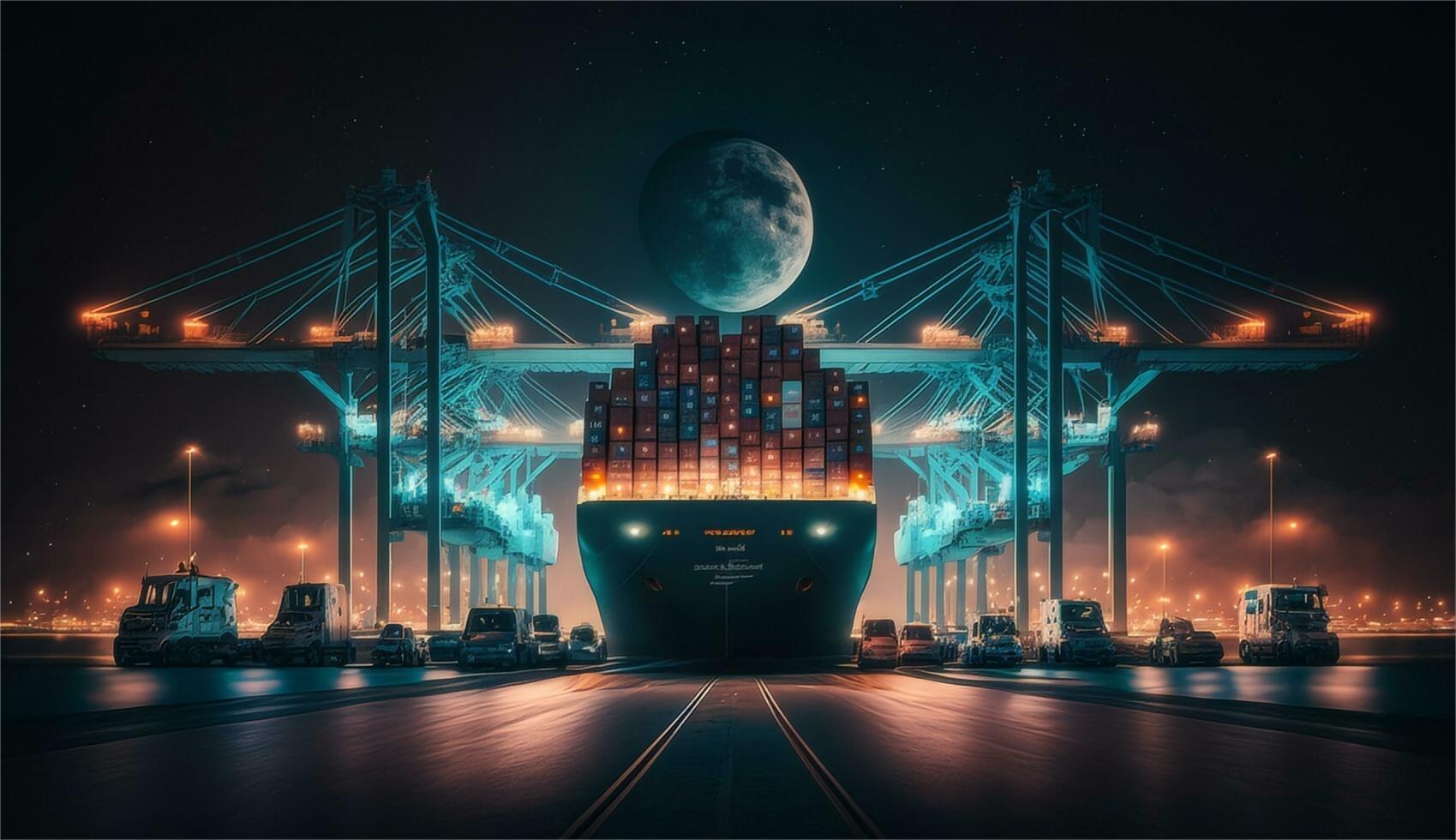
How Does Sea Freight Compare to Other Shipping Options?
When considering shipping from China to Europe, especially to the Netherlands, businesses evaluate several transportation methods. Each option presents distinct advantages and disadvantages concerning cost, speed, and suitability for different cargo types. Consequently, choosing the right method significantly impacts your supply chain efficiency and profitability.
While sea freight offers the most economical solution for bulk cargo, alternative methods like air freight and rail freight cater to different priorities. Understanding these trade-offs is paramount for making informed logistics decisions. For instance, urgent shipments might justify the higher cost of air transport.
| Shipping Method | Cost Range (40HQ equivalent) | Transit Time | Best For | Limitations |
|---|---|---|---|---|
| Sea Freight (FCL) | $3,000-4,200 | 28-35 days | Large volume, heavy, non-urgent | Slowest transit |
| Air Freight | $15,000-25,000 | 5-7 days | Urgent, high-value, perishable | High cost, volume/weight limits |
| Rail Freight | $8,000-12,000 | 18-22 days | Mid-range urgency, specific routes | Route limitations, less flexible |
Which Option Should You Choose for Your Shipments?
Selecting the optimal shipping method depends heavily on your specific business priorities and cargo characteristics. A comprehensive decision framework helps streamline this process, ensuring you balance cost, speed, and reliability effectively.
Consider your budget first. If cost-saving is your primary goal, professional sea freight from Shenzhen to Netherlands is generally the most economical choice. However, if speed is paramount for time-sensitive products, air freight becomes the preferred option despite its higher cost. For a balance between speed and cost, rail freight offers a viable middle ground for destinations accessible by rail networks.
Budget Priority
If minimizing shipping costs is your top concern, especially for large volumes, sea freight (FCL or LCL) is the clear winner. For example, a 40HQ container from Shenzhen to Rotterdam typically costs $3,000-4,200, offering significant savings compared to other modes. This is ideal for goods with long lead times.
Speed Priority
For urgent deliveries or high-value, time-critical goods, air freight is indispensable. Although substantially more expensive, with costs for a similar volume ranging from $15,000-25,000, it reduces transit time to just 5-7 days. This ensures rapid market entry or replenishment.
Cargo Type and Volume Considerations
The nature of your cargo also dictates the best shipping method. Heavy machinery, raw materials, or bulk commodities are best suited for sea freight due to its capacity and cost structure. Conversely, small, light, and high-value items might be better handled by express service or air freight.
For shipments under 15 CBM, LCL sea freight at $50-80/CBM offers a cost-effective solution without requiring a full container. Conversely, if your volume exceeds 15 CBM, an FCL container often becomes more economical. Hybrid solutions, like sea-air combinations, can also be explored for specific scenarios, offering a balance of speed and cost.
Navigating Customs Clearance and Documentation
Effective customs brokerage is a critical component of successful international shipping. Importing goods into the Netherlands from China involves specific documentation and adherence to EU regulations. Therefore, proper preparation prevents delays and ensures smooth cargo handling.
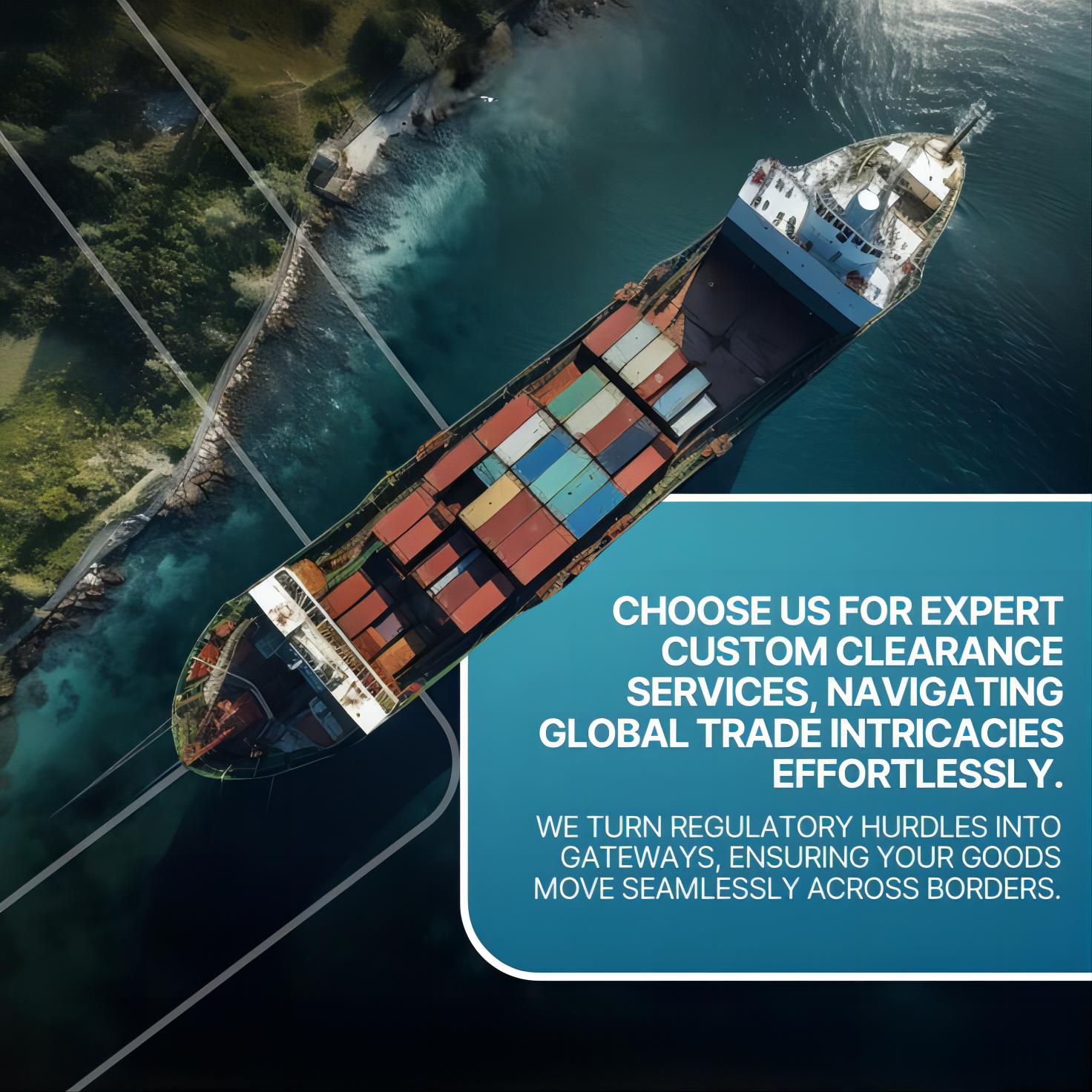
Key documents include the commercial invoice, packing list, bill of lading, and certificate of origin. Furthermore, understanding Incoterms (International Commercial Terms) is vital for defining responsibilities between buyer and seller. A professional freight forwarder can manage these complexities, ensuring compliance and efficiency.
Market Insights and Current Trends for China-Netherlands Shipping
As of Q1 2025, freight rates from China to Europe, including the Netherlands, have stabilized after the Red Sea disruptions of 2024. However, market data suggests that rates can still fluctuate based on fuel costs, carrier capacity, and seasonal demand. For instance, rates typically increase 15-25% during the August-October peak season.
Industry benchmarks indicate that port congestion, particularly at major European hubs like Rotterdam, can still cause occasional delays. Consequently, choosing a forwarder with robust relationships with carriers and port authorities is beneficial. Always obtain a current quote tailored to your specific shipment for the most accurate pricing.
Real-World Case Studies: Professional Sea Freight from Shenzhen to Netherlands
These case studies illustrate practical applications of professional sea freight, highlighting various scenarios and outcomes for businesses importing from China to the Netherlands. They demonstrate how careful planning and expert logistics management lead to successful deliveries.
Case Study 1: Large Volume Furniture Shipment
| Detail | Description |
|---|---|
| Route | Shenzhen, China to Rotterdam, Netherlands |
| Cargo | Flat-pack furniture, 60 CBM, 9,000 kg |
| Container | 2 x 40HQ |
| Shipping Details | Carrier: COSCO, Port of Loading: Yantian, Port of Discharge: Rotterdam, Route Type: Direct |
| Cost Breakdown | Ocean Freight: $7,800, Origin Charges: $650, Destination Charges: $800, Customs & Duties (estimated): $1,200, Total Landed Cost: $10,450 |
| Timeline | Booking to Loading: 5 days, Sea Transit: 30 days, Customs Clearance: 3 days, Total Door-to-Door: 38 days |
| Key Insight | Cost-effective for high volume. Timely delivery despite peak season booking (Q3 2024 rates). |
Case Study 2: LCL Shipment of Electronics Components
| Detail | Description |
|---|---|
| Route | Shenzhen, China to Amsterdam, Netherlands |
| Cargo | Electronics components, 8 CBM, 1,500 kg |
| Container | LCL 8 CBM |
| Shipping Details | Carrier: Maersk (consolidated), Port of Loading: Shekou, Port of Discharge: Rotterdam, Route Type: Transshipment via Singapore |
| Cost Breakdown | Ocean Freight: $720, Origin Charges: $180, Destination Charges: $250, Customs & Duties (estimated): $300, Total Landed Cost: $1,450 |
| Timeline | Booking to Loading: 7 days, Sea Transit: 35 days, Customs Clearance: 4 days, Total Door-to-Door: 46 days |
| Key Insight | Ideal for smaller shipments, but transshipment added a few extra days to transit time. Typical rates as of early 2025. |
Case Study 3: Door-to-Door Delivery of Apparel
| Detail | Description |
|---|---|
| Route | Shenzhen, China to Utrecht, Netherlands |
| Cargo | Apparel, 25 CBM, 3,500 kg |
| Container | 1 x 20GP |
| Shipping Details | Carrier: MSC, Port of Loading: Yantian, Port of Discharge: Rotterdam, Route Type: Direct, Door-to-Door services included |
| Cost Breakdown | Ocean Freight: $2,500, Origin Charges: $400, Destination Charges: $550, Customs & Duties (estimated): $700, Inland Delivery: $350, Total Landed Cost: $4,500 |
| Timeline | Booking to Loading: 4 days, Sea Transit: 29 days, Customs Clearance: 2 days, Total Door-to-Door: 37 days |
| Key Insight | Seamless logistics with door-to-door service, minimizing client effort. Based on Q4 2024 market rates, avoiding Red Sea surcharges. |
Seamless Sea Freight Solutions from Shenzhen to Netherlands
In conclusion, choosing professional sea freight from Shenzhen to Netherlands offers a balanced approach to cost-efficiency, reliability, and capacity for various cargo types. Understanding the nuances of FCL vs. LCL, transit times, and customs procedures is vital for a smooth shipping experience.
By partnering with an experienced freight forwarder, businesses can navigate the complexities of international logistics with confidence. This ensures their supply chain remains robust and competitive. Ultimately, strategic planning in freight forwarding leads to significant operational advantages.
Ready to streamline your logistics and ensure reliable delivery of your goods? Contact us today for a personalized quote on professional sea freight from Shenzhen to Netherlands. Our experts are prepared to assist you with comprehensive shipping solutions.
Request Quote