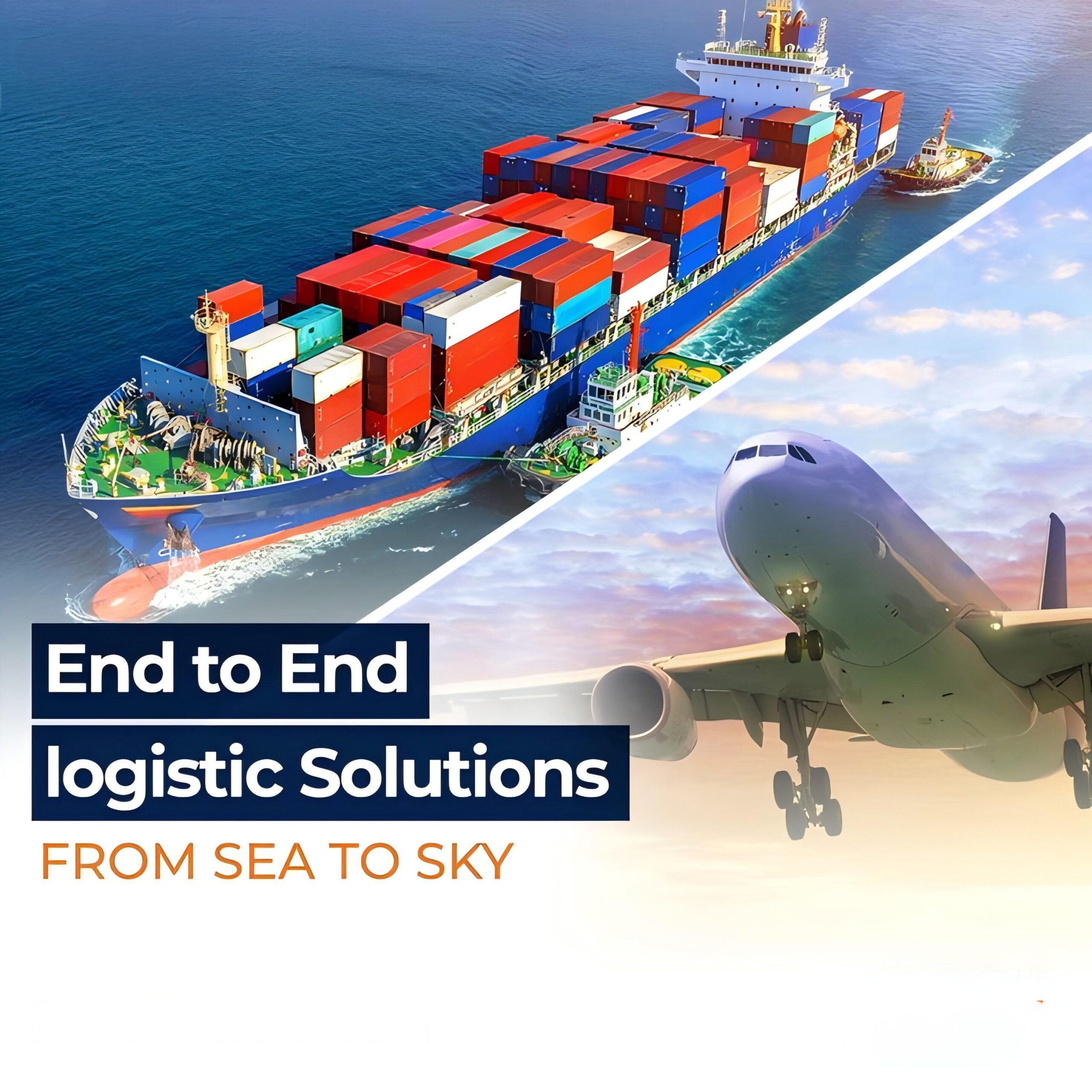
20GP FCL Tracking for Auto Parts from China to Seattle
Importing auto parts from China to Seattle demands precision and visibility. Managing a 20GP FCL shipment requires meticulous planning, from origin to final destination. Therefore, understanding the tracking process is paramount for a smooth supply chain. For comprehensive logistics solutions, trust Top China Forwarder.

What is 20GP FCL Shipping for Auto Parts?
A 20GP, or 20-foot General Purpose container, is a standard size for international shipping. It measures approximately 20 feet long, 8 feet wide, and 8.5 feet high. This container type is ideal for businesses with moderate volumes of goods.
FCL stands for Full Container Load. This means your auto parts shipment occupies the entire container. Consequently, it offers dedicated space, reduced handling, and enhanced security. This method is often preferred for valuable or fragile automotive components.
When shipping auto parts from China to Seattle, FCL ensures your cargo remains undisturbed. It minimizes the risk of damage or contamination from other goods. Furthermore, it provides greater control over scheduling and transit times.
| Container Type | Dimensions (LxWxH) | Capacity (CBM) | Max Payload |
|---|---|---|---|
| 20GP Standard | 20′ x 8′ x 8.5′ | 33 CBM | 28,000 kg |
| 40GP Standard | 40′ x 8′ x 8.5′ | 67 CBM | 29,000 kg |
| 40HQ High Cube | 40′ x 8′ x 9.5′ | 76 CBM | 29,000 kg |
Why is Tracking Your 20GP FCL Auto Parts Crucial?
Real-time tracking provides invaluable visibility into your supply chain. It allows you to monitor the exact location and status of your auto parts at any given moment. Therefore, businesses can proactively manage inventory and delivery schedules.
Indeed, effective tracking helps in mitigating potential delays. If a shipment encounters unforeseen issues, you can quickly identify the problem. This enables faster decision-making and minimizes disruptions to your operations.
Moreover, knowing where your cargo is enhances security and accountability. It provides peace of mind, especially for high-value automotive components. Ultimately, robust sea freight tracking is essential for modern logistics.
How Does 20GP FCL Tracking Work from China to Seattle?
The tracking process typically begins once your container is loaded and departs the port of origin. Each FCL container is assigned a unique booking number and container number. These identifiers are your primary tools for tracking.
Generally, freight forwarders provide online portals or direct communication channels for tracking. You can input your container number to see real-time updates. This includes vessel departure, transit points, and estimated arrival times.
Modern tracking systems often integrate with carrier databases. This provides a consolidated view of your shipment’s journey. Furthermore, advanced platforms offer predictive analytics, which can help forecast potential delays. This enhances real-time cargo visibility significantly.
Key Tracking Milestones
Several critical points mark the journey of your auto parts. These milestones offer crucial updates on your shipment’s progress. Understanding them helps in managing expectations and planning downstream activities.
Initially, you’ll track the ‘Loaded on Vessel’ status. Subsequently, ‘Vessel Departure’ confirms the journey has begun. ‘Transshipment’ updates indicate transfers at intermediate ports, if applicable. Finally, ‘Arrival at Port of Discharge’ signals its arrival in Seattle.
Understanding Transit Times for Auto Parts
Transit times for 20GP FCL from major Chinese ports to Seattle typically range from 14 to 20 days. This duration can vary based on the specific carrier, route, and any port congestion. Direct routes are generally faster than those involving transshipment.
Factors like seasonal demand, weather conditions, and port efficiency can influence the delivery schedule. It’s always advisable to consult your freight forwarder for the most accurate estimates. This helps in optimizing your auto parts supply chain.
Navigating Customs and Documentation for Auto Parts in Seattle
Importing auto parts into the U.S. involves strict customs regulations. Accurate documentation is essential to avoid delays and penalties. Therefore, preparing all necessary paperwork in advance is crucial for a smooth process.
Key documents include the Commercial Invoice, Packing List, Bill of Lading, and Certificate of Origin. Additionally, certain auto parts may require specific certifications or declarations. Partnering with experienced customs brokerage services is highly recommended.
Upon arrival in Seattle, your shipment will undergo customs clearance. U.S. Customs and Border Protection (CBP) will review your documentation and inspect the cargo. Any discrepancies can lead to significant delays and storage fees. Compliance with import regulations for auto parts USA is non-negotiable.
Essential Documentation Checklist
Ensuring you have all required documents is a critical step in the import process. Missing or incorrect paperwork is a common cause of delays. Therefore, meticulous preparation is key to efficient customs clearance.
This checklist covers the primary documents needed for importing auto parts. Always confirm specific requirements with your freight forwarder or customs broker. This proactive approach streamlines the entire import/export process.
| Document | Purpose | Required By |
|---|---|---|
| Commercial Invoice | Details goods, value, terms of sale | Customs, Importer |
| Packing List | Itemizes contents of each package | Customs, Importer |
| Bill of Lading (BOL) | Contract of carriage, title to goods | Carrier, Customs |
| Certificate of Origin | Confirms country of manufacture | Customs (for duties/tariffs) |
| Importer Security Filing (ISF) | Pre-arrival cargo data for CBP | CBP (10+2 Rule) |

How Does 20GP FCL Compare to Other Shipping Options?
Choosing the right shipping method for auto parts depends on several factors. These include urgency, volume, cost constraints, and cargo type. Therefore, understanding the alternatives to 20GP FCL is vital for informed decision-making.
While FCL offers distinct advantages, other options might be more suitable for specific scenarios. Considering your overall logistics trends and freight rates can guide your choice. This comparison helps optimize your international logistics for automotive components.
| Shipping Method | Cost Range (20GP Equivalent) | Transit Time (China to Seattle) | Best For | Limitations |
|---|---|---|---|---|
| 20GP FCL Sea Freight | $1,500 – $2,200 | 14 – 20 days | Large volumes, cost-efficiency, security | Slower than air, port congestion risk |
| LCL Sea Freight | $50 – $80 per CBM | 20 – 30 days | Smaller volumes (under 15 CBM), budget-conscious | More handling, longer transit, potential delays |
| Air Freight | $8,000 – $15,000+ | 3 – 7 days | Urgent, high-value, small/medium size shipments | High cost, volume/weight restrictions, environmental impact |
FCL vs. LCL (Less than Container Load)
For smaller shipments of auto parts, LCL might be a cost-effective alternative. With LCL, your cargo shares container space with other shippers’ goods. This means you only pay for the space your auto parts occupy.
However, LCL typically involves more handling and longer transit times due to consolidation and deconsolidation. FCL, conversely, offers dedicated space and direct transit, usually resulting in faster delivery and less risk of damage. For shipments under 15 CBM, LCL at $50-80/CBM may be more economical than a full container.
Sea Freight vs. Air Freight
Speed is the primary advantage of air freight. If your auto parts are urgently needed, air cargo can deliver them from China to Seattle in 3-7 days. However, this speed comes at a significantly higher cost compared to sea freight.
Sea freight, including 20GP FCL, is the most economical option for bulk shipments. While sea freight costs $1,500-2,200 for a 20GP, air freight for a similar volume (if even possible) would cost $8,000-15,000 but arrives in 5-7 days instead of 14-20 days. Therefore, the choice depends heavily on your budget and urgency.
For very high-value, time-sensitive components, air freight might be justified. Otherwise, sea freight offers a balance of cost and capacity for most auto parts. This comparison highlights the trade-offs between speed and shipping costs.
Optimizing Your Auto Parts Supply Chain to Seattle
Effective supply chain management is crucial for businesses importing auto parts. It involves more than just tracking; it encompasses strategic planning and efficient execution. Consequently, optimizing your processes can lead to significant cost savings and improved delivery schedules.
Consider implementing robust inventory management systems. This helps in forecasting demand accurately and minimizing excess stock. Furthermore, diversifying your supplier base can reduce risks associated with single-source reliance. This is key for optimizing auto parts supply chain.
Moreover, leveraging technology for demand planning and logistics coordination is beneficial. Digital platforms can provide insights into market trends and potential disruptions. This proactive approach ensures a more resilient and efficient flow of automotive components. For end-to-end FCL tracking, advanced tools are indispensable.
Cost-Saving Strategies and Trade-offs
To reduce shipping costs, consider consolidating multiple orders into a single 20GP FCL shipment. This maximizes container utilization and lowers per-unit costs. Furthermore, planning shipments during off-peak seasons can often secure better freight rates.
While slower transit times might save money, they require careful inventory planning to avoid stockouts. A hybrid approach, using sea freight for regular stock and air freight for urgent needs, balances cost and speed. Evaluating these trade-offs is crucial for secure auto parts transport.
Negotiating favorable terms with your freight forwarder can also yield savings. Long-term contracts often come with discounted rates. Additionally, optimizing packaging to reduce volumetric weight can be beneficial, especially for LCL or air freight.
Which Option Should You Choose?
Your decision framework should prioritize your business’s specific needs. If budget is your primary concern and you have consistent, large volumes, 20GP FCL sea freight is typically the best choice. It offers the most economical solution for shipping auto parts to Seattle.
Conversely, if speed is paramount for critical or emergency auto parts, air freight is the recommended option. Though more expensive, it ensures rapid delivery. For moderate volumes that aren’t time-critical, LCL could be a viable compromise.
Cargo type considerations also play a role. Fragile or high-value auto parts benefit from the dedicated space and reduced handling of FCL. For smaller, less sensitive items, LCL can be efficient. Volume thresholds for switching methods are often around 15-20 CBM for LCL to FCL.
Real-World Case Studies: 20GP FCL Auto Parts to Seattle
Examining actual shipments provides practical insights into the complexities and successes of international logistics. These scenarios highlight the importance of planning, tracking, and professional support. They offer a realistic view of shipping auto parts from China to USA.
Based on current market rates as of Q1 2025, these examples illustrate typical costs and timelines. Note that freight rates are subject to change based on fuel costs, carrier capacity, and seasonal demand. Always contact us for a current quote tailored to your specific shipment.
Case Study 1: Standard Auto Component Shipment
This case study involves a regular shipment of engine components. The client prioritized cost-effectiveness and reliable delivery within a standard timeframe. Effective communication and proactive tracking ensured a smooth process from Shanghai to Seattle.
| Detail | Description |
|---|---|
| Route | Shanghai, China Seattle, USA |
| Cargo | Engine components, 28 CBM, 15,000 kg |
| Container | 20GP FCL |
| Shipping Details | Carrier: COSCO, Port of Loading: Shanghai, Port of Discharge: Seattle, Route Type: Direct |
| Cost Breakdown | Ocean Freight: $1,850, Origin Charges: $450, Destination Charges: $550, Customs & Duties (estimated): $700, Total Landed Cost: $3,550 |
| Timeline | Booking to Loading: 5 days, Sea Transit: 16 days, Customs Clearance: 3 days, Total Door-to-Door: 24 days |
| Key Insight | Timely documentation submission by the client prevented any customs delays, ensuring a quick clearance. |
Case Study 2: Urgent Aftermarket Parts Delivery
A client needed aftermarket body panels for an urgent repair project. While 20GP FCL was chosen for cost, the focus was on minimizing delays. Real-time cargo visibility was critical throughout the journey from Ningbo to Seattle.
| Detail | Description |
|---|---|
| Route | Ningbo, China Seattle, USA |
| Cargo | Aftermarket body panels, 30 CBM, 12,000 kg |
| Container | 20GP FCL |
| Shipping Details | Carrier: ONE, Port of Loading: Ningbo, Port of Discharge: Seattle, Route Type: Direct |
| Cost Breakdown | Ocean Freight: $2,100 (peak season rate), Origin Charges: $480, Destination Charges: $600, Customs & Duties (estimated): $850, Total Landed Cost: $4,030 |
| Timeline | Booking to Loading: 7 days, Sea Transit: 18 days, Customs Clearance: 4 days, Total Door-to-Door: 29 days |
| Key Insight | Booking slightly ahead of peak season could have reduced ocean freight costs by an estimated 10-15% based on Q4 2024 market rates. |
Case Study 3: Multiple Supplier Consolidation
This example showcases consolidating auto parts from two different suppliers into one 20GP FCL. The challenge was coordinating pickups and ensuring all cargo was ready for a single container. Efficient cargo handling and a reliable freight forwarder made this possible.
| Detail | Description |
|---|---|
| Route | Shenzhen & Xiamen, China Seattle, USA |
| Cargo | Electrical components (15 CBM) & Interior trim (15 CBM), 29 CBM total, 10,000 kg |
| Container | 20GP FCL |
| Shipping Details | Carrier: MSC, Port of Loading: Shenzhen (consolidation point), Port of Discharge: Seattle, Route Type: Direct |
| Cost Breakdown | Ocean Freight: $1,950, Origin Charges: $520 (includes extra pickup), Destination Charges: $580, Customs & Duties (estimated): $750, Total Landed Cost: $3,800 |
| Timeline | Booking to Loading: 8 days, Sea Transit: 17 days, Customs Clearance: 3 days, Total Door-to-Door: 28 days |
| Key Insight | Consolidating multiple suppliers into one FCL significantly reduced per-unit shipping costs compared to two separate LCL shipments. |
Reliable 20GP FCL Tracking for Your Auto Parts
Ultimately, successful import of auto parts from China to Seattle hinges on robust logistics. Implementing effective 20GP FCL tracking is not just a luxury; it’s a necessity for maintaining an efficient supply chain. From understanding container types to navigating complex customs, every step requires precision.
By leveraging real-time tracking, partnering with experienced freight forwarders, and preparing thoroughly, businesses can ensure timely and secure delivery of their automotive components. This proactive approach minimizes risks and maximizes operational efficiency. For reliable shipping solutions to <a href=”https://topchinaforwarder.com/shipping-from-china-to-north-america/”>North America</a>, expert guidance is invaluable.
Need a tailored shipping solution?
Ready to optimize your auto parts shipping from China to Seattle? Our expert team provides seamless 20GP FCL tracking and comprehensive logistics solutions. Contact us today for a personalized quote and ensure your automotive components arrive on time and within budget.