

Time to Ship Clothing from China to Europe: Your Ultimate Guide
Understanding the time to ship clothing from China to Europe is crucial for any fashion business or retailer. Delays in your supply chain can severely impact inventory, sales, and customer satisfaction. This comprehensive guide, brought to you by Top China Forwarder, will demystify the complexities of international apparel shipping, providing insights into transit times, costs, and optimal strategies to ensure your garments arrive on schedule and within budget.

Understanding Shipping Methods and Their Impact on Transit Time
When considering the time to ship clothing from China to Europe, the chosen shipping method is paramount. Each option offers distinct advantages in terms of speed, cost, and capacity. Therefore, selecting the right mode of transport directly influences your delivery schedule and overall supply chain efficiency.
Furthermore, understanding the nuances of these methods helps businesses make informed decisions. Consequently, this minimizes potential disruptions and meets customer expectations for timely fashion deliveries.
| Shipping Method | Typical Transit Time | Cost Efficiency | Best For |
|---|---|---|---|
| Air Freight | 3-7 days | High | Urgent, High-Value, Small Volume |
| Rail Freight | 18-25 days | Medium | Balanced Speed/Cost, Medium Volume |
| Sea Freight | 28-40 days | Low | Bulk, Non-Urgent, Large Volume |
Air Freight: Speed for Urgent Deliveries
Air freight is undeniably the fastest option for importing clothing from China to Europe. Typically, transit times range from 3 to 7 days, making it ideal for high-value, time-sensitive fashion collections or urgent restocks. However, this speed comes at a higher cost compared to other methods.
For instance, if you need to launch a new collection quickly or respond to sudden market demand, air freight is often the preferred choice. It ensures minimal lead times, although it significantly impacts overall shipping costs for apparel.
Sea Freight: Economical for Bulk Apparel Shipments
Sea freight represents the most cost-effective solution for large volume clothing shipments. The transit time to ship clothing from China to Europe by sea usually spans 28 to 40 days, depending on the specific ports and carrier routes. This method is perfect for seasonal bulk orders or non-urgent inventory replenishment.
Moreover, businesses often utilize sea freight for its capacity to handle large quantities of goods. While slower, it offers substantial savings on freight rates, especially for full container loads (FCL) of textiles.
Rail Freight: A Balanced Option
Rail freight has emerged as a viable middle-ground solution for shipping clothing from China to Europe. With transit times typically between 18 and 25 days, it’s faster than sea freight but more economical than air freight. This makes it an attractive option for many apparel businesses.
Indeed, the New Silk Road railway network provides a reliable and increasingly popular alternative. Rail freight can offer a good balance for managing apparel supply chain delays, particularly for medium-priority shipments.
Factors Influencing the Time to Ship Clothing from China to Europe
Several critical factors can significantly impact the overall time to ship clothing from China to Europe. Understanding these elements allows for better planning and risk mitigation in your logistics strategy. Consequently, proactive management of these variables is key to maintaining a smooth supply chain.
Therefore, businesses must consider each of these aspects when estimating delivery schedules. This helps in setting realistic expectations and avoiding costly delays.
Origin and Destination Logistics
The specific origin city in China and the final destination in Europe play a crucial role. For instance, shipping from a major port city like Shanghai or Shenzhen is generally faster than from an inland factory. Similarly, direct routes to major European hubs like Hamburg or Rotterdam are quicker than routes requiring transshipment or extensive inland transport.
Moreover, the efficiency of local trucking and warehousing at both ends can add several days to the total transit time. Therefore, optimizing these initial and final legs of the journey is essential for overall speed.
Customs Clearance and Documentation
Customs procedures are a significant, yet often underestimated, factor affecting shipping time. Proper documentation, including commercial invoices, packing lists, and certificates of origin, is vital for smooth customs clearance. Any errors or missing paperwork can lead to substantial delays and storage fees.
Indeed, engaging a reliable customs brokerage service can expedite this process. They ensure all import regulations are met, thereby minimizing the risk of your clothing shipment being held up at the border.
Seasonal Demand and Port Congestion
Shipping volumes fluctuate significantly throughout the year, especially during peak seasons like Chinese New Year, Golden Week, and the pre-holiday rush (August to October). During these times, port congestion and carrier capacity issues can extend transit times considerably. Freight rates also tend to increase.
Consequently, planning your shipments to avoid these peak periods, or booking well in advance, can help mitigate delays. Market data suggests rates typically increase 15-25% during August-October peak season, affecting the time to ship clothing from China to Europe.
How Does Each Method Compare for Apparel Shipments?
Choosing the optimal shipping method for your clothing imports from China to Europe involves balancing speed, cost, and reliability. There is no one-size-fits-all solution; instead, the best approach depends on your specific business needs, inventory management strategy, and the urgency of the apparel. Consequently, a detailed comparison is essential.
Therefore, consider the following analysis to determine which shipping option aligns best with your operational requirements. This framework helps in making informed decisions about your logistics partners and delivery schedules.
| Shipping Method | Cost Range (per kg/CBM) | Transit Time (days) | Best For | Limitations |
|---|---|---|---|---|
| Air Freight | $5-10/kg | 3-7 | Small, high-value, urgent fashion | High cost, weight/volume limits |
| Rail Freight | $2-4/kg | 18-25 | Medium urgency, balanced cost/speed | Limited routes, capacity constraints |
| Sea Freight (FCL) | $0.1-0.3/kg (per 40HQ) | 28-40 | Large volume, non-urgent, heavy goods | Slow, port congestion risks |
| Sea Freight (LCL) | $0.5-1.5/kg (per CBM) | 35-45 | Smaller bulk, cost-sensitive | Longer transit, potential for delays due to consolidation |

Decision Framework: Which Option Should You Choose?
**Budget Priority:** If minimizing shipping costs is your main concern, sea freight is almost always the most economical choice for bulk clothing. However, be prepared for longer transit times.
**Speed Priority:** For urgent fashion launches or fast-moving inventory, air freight offers unparalleled speed. While more expensive, it ensures your products hit the market quickly.
**Balanced Approach:** Rail freight provides a compelling middle ground, offering faster delivery than sea freight at a more reasonable cost than air freight. It’s excellent for regular, moderately urgent shipments.
**Cargo Type Considerations:** Small, high-value items might benefit from express service, which includes door-to-door delivery and integrated customs. For bulk fabric rolls or finished garments, FCL sea freight is usually best. LCL sea freight suits smaller, non-urgent bulk orders.
**Volume Thresholds:** For shipments under 15 CBM, LCL sea freight may be more economical than a full container. However, exceeding this volume often makes FCL more cost-effective. Consult with your freight forwarder to determine the optimal threshold for your specific cargo.
Navigating Customs and Compliance for Clothing Imports
Effective customs clearance is a non-negotiable aspect of reducing the time to ship clothing from China to Europe. Proper compliance not only prevents delays but also avoids costly penalties. Therefore, a thorough understanding of import regulations is essential for any apparel business.
Indeed, navigating complex international trade rules requires precision and attention to detail. Consequently, partnering with an experienced logistics provider can significantly streamline this process.
Key Documents Required
To ensure a smooth customs process, several documents are typically required. These include the commercial invoice, packing list, bill of lading (for sea freight) or air waybill (for air freight), and a certificate of origin. Furthermore, textile-specific declarations might be necessary.
Additionally, depending on the type of clothing and materials, specific licenses or certifications related to safety standards or material composition may be requested. Always ensure all documentation is accurate and complete to avoid hold-ups.
Duties, Taxes, and HS Codes
Import duties and taxes are calculated based on the Harmonized System (HS) code of the clothing. Each garment type has a specific HS code, which determines the applicable tariff rates in Europe. Misclassifying products can lead to incorrect duty payments, fines, or delays during customs inspection.
Therefore, accurately assigning HS codes is critical. Moreover, VAT (Value Added Tax) will also be applied upon import into the EU. Understanding these financial aspects is crucial for accurate landed cost calculations and avoiding surprises.
Optimizing Your Supply Chain for Faster Delivery Times
Beyond choosing the right shipping method, several strategies can further optimize your supply chain and reduce the overall time to ship clothing from China to Europe. Proactive planning and strategic partnerships are fundamental. Therefore, continuous improvement in logistics processes is vital for competitive advantage.
Implementing these optimization techniques can lead to significant improvements in delivery speed and cost efficiency. This ensures your apparel reaches its market promptly and reliably.
Consolidation and LCL vs FCL
For smaller shipments that don’t fill an entire container, Less than Container Load (LCL) consolidation can be a cost-effective option. Your goods are combined with others, making sea freight accessible for smaller volumes. However, LCL often adds a few days to transit time due to the consolidation and deconsolidation process.
Conversely, if your order is large enough to fill a Full Container Load (FCL), it typically offers faster transit times and reduced handling. Choosing between LCL and FCL impacts both cost and the time to ship clothing from China to Europe, so assess your volume carefully.
Working with a Reliable Freight Forwarder
Partnering with an experienced freight forwarder is perhaps the most impactful strategy for efficient shipping. A reputable forwarder like Top China Forwarder possesses the expertise to navigate complex logistics, manage documentation, and handle customs clearance seamlessly. They can also offer various services, including door-to-door shipping.
Moreover, a good forwarder provides valuable insights into market conditions, helps optimize routes, and offers contingency plans for potential disruptions. This partnership is invaluable for consistently achieving your desired time to ship clothing from China to Europe.
Real-World Scenarios: Clothing Shipping from China to Europe
Understanding theoretical transit times is one thing; seeing how they play out in real-world scenarios provides invaluable context. These case studies illustrate practical considerations and outcomes for apparel shipments from China to Europe. Consequently, they highlight the importance of strategic planning.
These examples reflect typical rates as of early 2025, although freight rates are subject to change based on fuel costs, carrier capacity, and seasonal demand. Always contact us for a current quote tailored to your specific shipment.
Case Study 1: Urgent Fashion Collection Launch
A fast-fashion brand needed to launch a new collection in Paris urgently to coincide with a marketing campaign. Speed was paramount, justifying a higher shipping cost.
| Detail | Description |
|---|---|
| Route | Guangzhou, China Paris, France |
| Cargo | 1,500 units of dresses, 5 CBM, 800 kg |
| Container | Air Cargo (Consolidated) |
| Shipping Details | Carrier: Major airline, Port of Loading: Guangzhou (CAN), Port of Discharge: Paris (CDG), Route Type: Direct |
| Cost Breakdown | Air Freight: $4,500, Origin Charges: $300, Destination Charges: $250, Customs & Duties (estimated): $700, Total Landed Cost: $5,750 |
| Timeline | Booking to Loading: 2 days, Air Transit: 3 days, Customs Clearance: 1 day, Total Door-to-Door: 6 days |
| Key Insight | Air freight ensured the collection launched on time, capitalizing on market trends despite the higher cost. Crucial for the time to ship clothing from China to Europe for new launches. |
Case Study 2: Bulk Seasonal Apparel Import
A large retailer needed to import a substantial volume of winter coats for the upcoming season, prioritizing cost-efficiency over immediate speed.
| Detail | Description |
|---|---|
| Route | Ningbo, China Hamburg, Germany |
| Cargo | 15,000 units of winter coats, 60 CBM, 12,000 kg |
| Container | 1 x 40HQ FCL |
| Shipping Details | Carrier: COSCO, Port of Loading: Ningbo, Port of Discharge: Hamburg, Route Type: Direct |
| Cost Breakdown | Ocean Freight: $3,800, Origin Charges: $500, Destination Charges: $450, Customs & Duties (estimated): $2,500, Total Landed Cost: $7,250 |
| Timeline | Booking to Loading: 7 days, Sea Transit: 32 days, Customs Clearance: 3 days, Total Door-to-Door: 42 days |
| Key Insight | Sea freight provided the most economical solution for bulk seasonal inventory, aligning with their long-term planning. Typical rates as of Q3 2024. |
Case Study 3: Small E-commerce Order Fulfillment
An online boutique regularly imports smaller batches of unique fashion items, seeking a balance between cost and reasonable delivery time.
| Detail | Description |
|---|---|
| Route | Shanghai, China Milan, Italy |
| Cargo | 500 units of accessories/clothing, 3 CBM, 200 kg |
| Container | LCL Sea Freight |
| Shipping Details | Carrier: Major consolidator, Port of Loading: Shanghai, Port of Discharge: Genoa, Route Type: Transshipment via Singapore |
| Cost Breakdown | Ocean Freight: $550, Origin Charges: $150, Destination Charges: $180, Customs & Duties (estimated): $300, Total Landed Cost: $1,180 |
| Timeline | Booking to Loading: 5 days, Sea Transit: 35 days, Customs Clearance: 4 days, Total Door-to-Door: 48 days |
| Key Insight | LCL was a cost-effective choice for smaller volumes, though it required a slightly longer transit due to consolidation. This is a common approach for managing the time to ship clothing from China to Europe for smaller businesses. |
Market Trends and Future Outlook for China-Europe Shipping
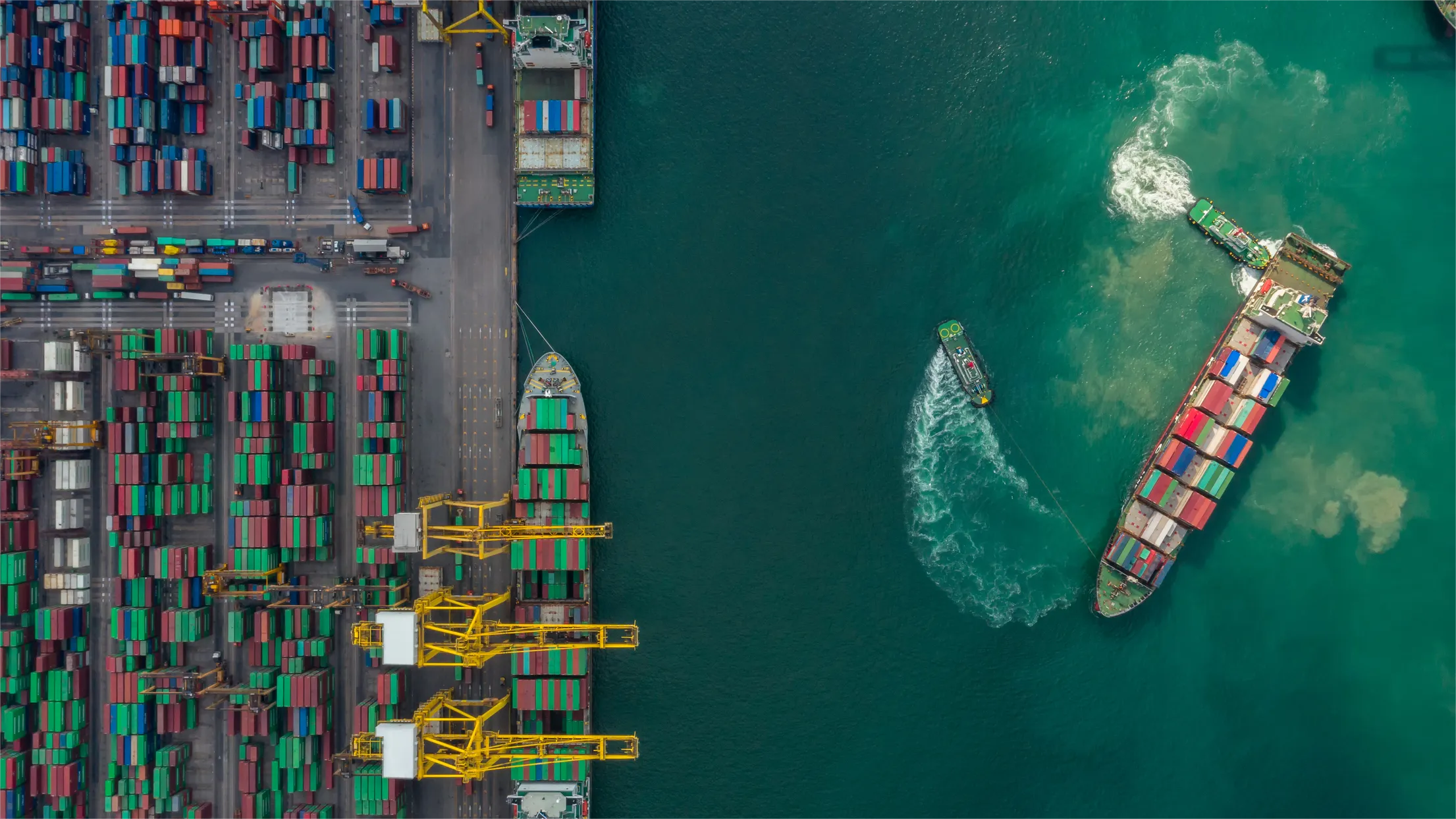
The landscape of China-Europe shipping is constantly evolving, influenced by global events and economic shifts. As of Q1 2025, freight rates from China to Europe have stabilized after the 2024 Red Sea disruptions, but vigilance remains crucial. Therefore, staying informed about market trends is paramount for effective logistics.
Indeed, sustainability is also becoming a key driver, with increasing demand for greener shipping solutions like rail. Furthermore, technological advancements in tracking and supply chain visibility continue to enhance efficiency, further impacting the time to ship clothing from China to Europe.
Conclusion: Master Your Apparel Logistics from China to Europe
In summary, managing the time to ship clothing from China to Europe requires a strategic approach, balancing speed, cost, and reliability. Whether you opt for the rapid delivery of air freight, the cost-efficiency of sea freight, or the balanced approach of rail, each method has its distinct advantages and considerations. Furthermore, factors like customs, seasonal demand, and origin/destination logistics significantly influence overall transit times.
Ultimately, partnering with an experienced freight forwarder like Top China Forwarder is your best bet for navigating these complexities. We ensure your apparel reaches its European destination efficiently and predictably, allowing you to focus on your core business. Contact us to enhance your supply chain today.
Need a tailored shipping solution?
Ready to optimize the time to ship clothing from China to Europe for your business? Contact us today for a personalized consultation and a competitive quote. Our experts are here to streamline your apparel logistics and ensure timely deliveries.