

Shenzhen to Canada: Affordable Rail Freight Solutions
Navigating international shipping can be complex, especially when seeking cost-effective solutions for your supply chain from Shenzhen to Canada. Many businesses face the challenge of balancing transit times with budget constraints for their valuable cargo. This comprehensive guide, brought to you by Top China Forwarder, explores how to achieve cheap rail freight from Shenzhen to Canada, focusing on smart intermodal strategies and optimizing your logistics.

Understanding the China-Canada Shipping Landscape
Shipping goods from Shenzhen, a major manufacturing hub, to Canada requires a clear understanding of available transport modes. Businesses constantly seek ways to reduce shipping costs while maintaining reliable delivery schedules. Therefore, evaluating all options is crucial.
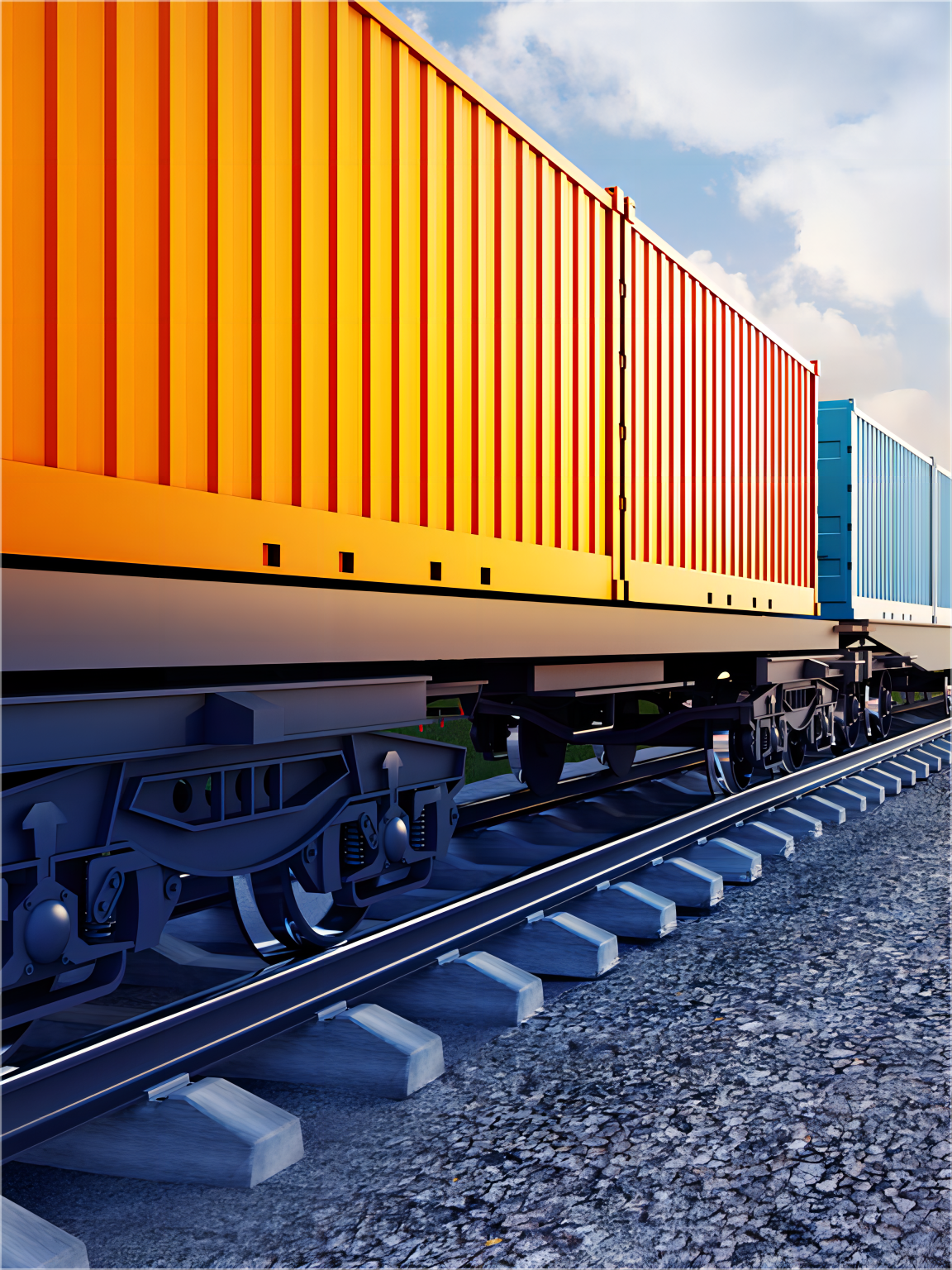
While direct rail freight from China to Canada is not currently available, the concept of ‘cheap rail freight’ often refers to intermodal solutions. This typically involves ocean freight to a major Canadian port, followed by rail transport for inland distribution. Consequently, this combined approach can offer significant cost savings compared to air freight.
Furthermore, understanding the nuances of each shipping method helps in making informed decisions. Factors like cargo volume, urgency, and final destination within Canada all play a role. Indeed, choosing the right logistics partner is paramount for successful international trade.
Moreover, market conditions and global events can significantly impact freight rates and transit times. Staying updated on these trends helps businesses anticipate costs and plan their supply chain effectively. This proactive approach is key to securing affordable freight solutions.
| Shipping Method | Key Benefit | Typical Lead Time | Cost Implication |
|---|---|---|---|
| Ocean Freight | Lowest Cost for Bulk | 25-45 Days | Most Economical |
| Air Freight | Fastest Delivery | 5-10 Days | Highest Cost |
| Sea-Rail Intermodal | Cost-Effective Inland | 30-55 Days (total) | Good Balance |
Why Consider Intermodal Sea-Rail for Shenzhen to Canada?
For many businesses, the journey from Shenzhen to Canada begins with ocean freight. This method remains the most economical for large volumes of goods. Subsequently, once cargo arrives at a Canadian port, rail becomes an invaluable component for onward transport.
Specifically, major Canadian ports like Vancouver and Prince Rupert are strategically linked to extensive rail networks. This allows for efficient distribution across the country, reaching key economic centers such as Toronto, Montreal, and Calgary. As a result, intermodal transport leverages the strengths of both sea and rail.
Compared to solely trucking goods across Canada, domestic rail transport often offers substantial cost savings, especially for long distances. Therefore, combining ocean freight with rail significantly contributes to achieving overall cheap rail freight from Shenzhen to Canada. This strategy also reduces carbon footprint.
Moreover, rail transport within Canada is generally reliable and less susceptible to road traffic delays. This predictability is a major advantage for supply chain planning. Rail freight services can be a robust part of your Canadian logistics strategy. Consequently, businesses can benefit from both cost-efficiency and consistent delivery schedules.
Cost-Saving Strategies for Your Shenzhen-Canada Shipments
Optimizing your shipping costs from Shenzhen to Canada requires a multi-faceted approach. Several strategies can help businesses achieve more affordable freight rates. Understanding these options is essential for managing your budget effectively.
Firstly, consolidating your cargo is a prime method for reducing expenses. Less than Container Load (LCL) services allow multiple shippers to share space in one container. Consequently, this significantly lowers individual shipping costs for smaller volumes.
Secondly, consider the timing of your shipments. Freight rates often fluctuate due to seasonal demand, such as before major holidays or during peak seasons. Shipping during off-peak periods can lead to substantial savings. Therefore, flexible planning is highly beneficial.
Thirdly, engaging a reputable freight forwarder is crucial. They can negotiate better rates with carriers and offer optimized routing options. Their expertise in customs procedures and documentation also prevents costly delays. For instance, customs brokerage services are vital.
Furthermore, exploring different incoterms can impact who bears the cost and risk of transportation. Choosing the right incoterm can help manage your landed cost more effectively. Therefore, a thorough review of your terms of sale is always recommended. This directly affects your overall shipping costs.
Finally, always request detailed quotes that break down all charges, including origin, ocean, and destination fees. This transparency helps in identifying potential hidden costs and negotiating better terms. Without a doubt, clear communication with your logistics partner is key.
Case Studies: Successful Shipments from Shenzhen to Canada
Examining real-world scenarios provides valuable insights into effective shipping strategies from Shenzhen to Canada. These examples highlight how businesses optimize their logistics for cost-efficiency and timely delivery. Each case demonstrates practical application of intermodal solutions and careful planning.
Case Study 1: Electronics via Sea-Rail to Toronto
This case illustrates a common and effective intermodal solution for reaching inland Canadian destinations. By combining ocean and rail, the client achieved significant cost savings compared to an all-trucking option from the port. This approach optimized both budget and transit time for bulk cargo.
| Detail | Description |
|---|---|
| Route | Shenzhen, China -> Toronto, Canada |
| Cargo | Consumer Electronics, 25 CBM, 8,000 kg |
| Container | LCL (Less than Container Load) |
| Shipping Details | Carrier: Major ocean carrier, Port of Loading: Shenzhen, Port of Discharge: Vancouver, Route Type: Ocean to Vancouver, then Rail to Toronto |
| Cost Breakdown | Ocean Freight: $1,850, Origin Charges: $350, Destination Charges (Vancouver): $400, Rail to Toronto: $1,200, Customs & Duties (estimated): $500, Total Landed Cost: $4,300 |
| Timeline | Booking to Loading: 3 days, Sea Transit: 20 days, Rail Transit: 5 days, Customs Clearance: 2 days, Total Door-to-Door: 30 days |
| Key Insight | Intermodal sea-rail proved highly cost-effective for reaching an inland destination, balancing speed with budget. Based on Q4 2024 market rates. |

Case Study 2: Apparel via Direct Sea Freight to Montreal
For destinations closer to major eastern ports, direct ocean freight offers an exceptionally economical choice. This client prioritized cost savings for their high-volume, non-urgent apparel shipment. The strategy focused on maximizing container utilization and efficient port-to-door delivery. Sea freight services remain the backbone of affordable global trade.
| Detail | Description |
|---|---|
| Route | Shenzhen, China -> Montreal, Canada |
| Cargo | Apparel and Textiles, 40HQ |
| Container | 40HQ (Full Container Load) |
| Shipping Details | Carrier: MSC, Port of Loading: Shenzhen, Port of Discharge: Montreal, Route Type: Direct Ocean Freight |
| Cost Breakdown | Ocean Freight: $3,800, Origin Charges: $550, Destination Charges (Montreal): $600, Customs & Duties (estimated): $750, Total Landed Cost: $5,700 |
| Timeline | Booking to Loading: 5 days, Sea Transit: 32 days, Customs Clearance: 3 days, Total Door-to-Door: 40 days |
| Key Insight | Direct FCL sea freight offers the best per-unit cost for large volumes to East Coast Canada. Typical rates as of early 2025. |
How Does Intermodal Sea-Rail Compare to Other Shipping Options?
When planning your supply chain from Shenzhen to Canada, comparing different shipping methods is essential. Each option presents distinct advantages and disadvantages regarding cost, speed, and suitability for various cargo types. Understanding these trade-offs helps in making the most informed decision.
While the idea of ‘cheap rail freight from Shenzhen to Canada’ is appealing, it’s vital to clarify that there isn’t a direct rail link. Instead, rail serves as a powerful component in an intermodal strategy, typically following ocean freight. This combination is often the most cost-effective solution for inland Canadian destinations, significantly cheaper than air freight.
Air freight, conversely, offers unparalleled speed, making it ideal for urgent or high-value shipments. However, this comes at a significantly higher cost. For instance, a small express package might be cost-effective via express service, but larger volumes quickly become prohibitive. Therefore, balancing urgency with budget is critical.
Pure ocean freight, either FCL (Full Container Load) or LCL (Less than Container Load), remains the backbone for most cargo to Canada. It is the most economical choice for bulk goods, albeit with longer transit times. Consequently, careful planning is required to accommodate these longer schedules. Many businesses opt for door to door services to simplify the process.
Shipping Method Comparison: Shenzhen to Canada
This table provides a concise overview of the primary shipping methods and their characteristics for this specific route. It helps in quickly assessing which option aligns best with your business priorities and cargo requirements. Note: Rates are estimated and subject to market fluctuations.
| Shipping Method | Cost Range (per 40HQ/equivalent) | Transit Time (Port-to-Port/Overall) | Best For | Limitations |
|---|---|---|---|---|
| Ocean Freight (FCL) | $2,800 – $5,500 | 25 – 45 days | Large volume, non-urgent, lowest per-unit cost | Slowest, port-to-port only (needs inland) |
| Ocean Freight (LCL) | $50 – $100 per CBM | 30 – 50 days | Smaller volumes, cost-sensitive, flexible | Longer transit than FCL, more handling |
| Sea-Rail Intermodal | $3,500 – $6,500 (incl. rail) | 30 – 55 days | Inland destinations, balance of cost & speed | Requires coordination, potential for delays at transshipment |
| Air Freight | $15,000 – $25,000 | 5 – 10 days | Urgent, high-value, perishable goods | Highest cost, volume/weight restrictions |
| Air-Sea Hybrid (e.g., via US) | $8,000 – $15,000 | 15 – 25 days | Moderate urgency, balance of speed & cost | More complex logistics, potential for additional customs |
Which Option Should You Choose?
Your ideal shipping method depends heavily on your specific business needs and priorities. Therefore, a clear decision framework can guide your choice. Consider these factors carefully before committing to a shipping solution.
If budget is your absolute priority, especially for large volumes, ocean freight (FCL or LCL) is the clear winner. This method offers the lowest per-unit cost, making it suitable for standard inventory replenishment. However, be prepared for longer transit times.
For urgent shipments or high-value, time-sensitive goods, air freight is indispensable. While more expensive, the speed can prevent stockouts or meet critical deadlines. This option minimizes transit time for your precious cargo.
When shipping to inland Canadian destinations like Toronto or Calgary, and seeking a balance between cost and speed, the sea-rail intermodal solution is often superior. It leverages the economy of ocean freight with the efficiency of rail for domestic transport. This hybrid approach optimizes your delivery schedule.
Cargo type also plays a role. Perishables or certain high-tech components might necessitate air freight. Conversely, durable goods, raw materials, or finished products with stable demand are well-suited for sea freight. Always match the method to the cargo’s characteristics.
Navigating Customs and Documentation for Canada Imports
Successful importing into Canada from Shenzhen involves meticulous attention to customs procedures and documentation. Proper preparation prevents costly delays and ensures smooth entry of your goods. Therefore, understanding these requirements is paramount for any importer.
Key documents typically include the commercial invoice, packing list, bill of lading (for sea freight) or air waybill (for air freight), and a certificate of origin. Furthermore, specific goods may require additional permits or licenses. Accurate and complete documentation is non-negotiable.
Canada Border Services Agency (CBSA) enforces strict regulations. Importers must ensure correct classification of goods using the Harmonized System (HS) codes. Incorrect classification can lead to duties, taxes, and penalties. Consequently, professional assistance is often advisable.
Working with an experienced customs broker in Canada is highly recommended. They can streamline the clearance process, handle declarations, and advise on import duties and taxes. This expertise minimizes risks and ensures compliance. Indeed, a good broker saves both time and money.
Market data suggests that incorrect documentation is a leading cause of delays at customs. Therefore, double-checking all paperwork before shipment departure is a critical step. Proactive management of customs requirements ensures a smoother supply chain. This is especially true for shipping from China to North America.
| Document Type | Purpose | Requirement |
|---|---|---|
| Commercial Invoice | Details goods, value, seller/buyer | Mandatory for all imports |
| Packing List | Itemizes contents of each package | Mandatory for all imports |
| Bill of Lading/Air Waybill | Contract of carriage, proof of ownership | Mandatory for sea/air freight respectively |
| Certificate of Origin | Confirms country of manufacture | Required for duty preference programs |
| Import Permits/Licenses | For controlled goods (e.g., food, electronics) | As required by specific product type |
Optimizing Your Supply Chain with a Reliable Partner
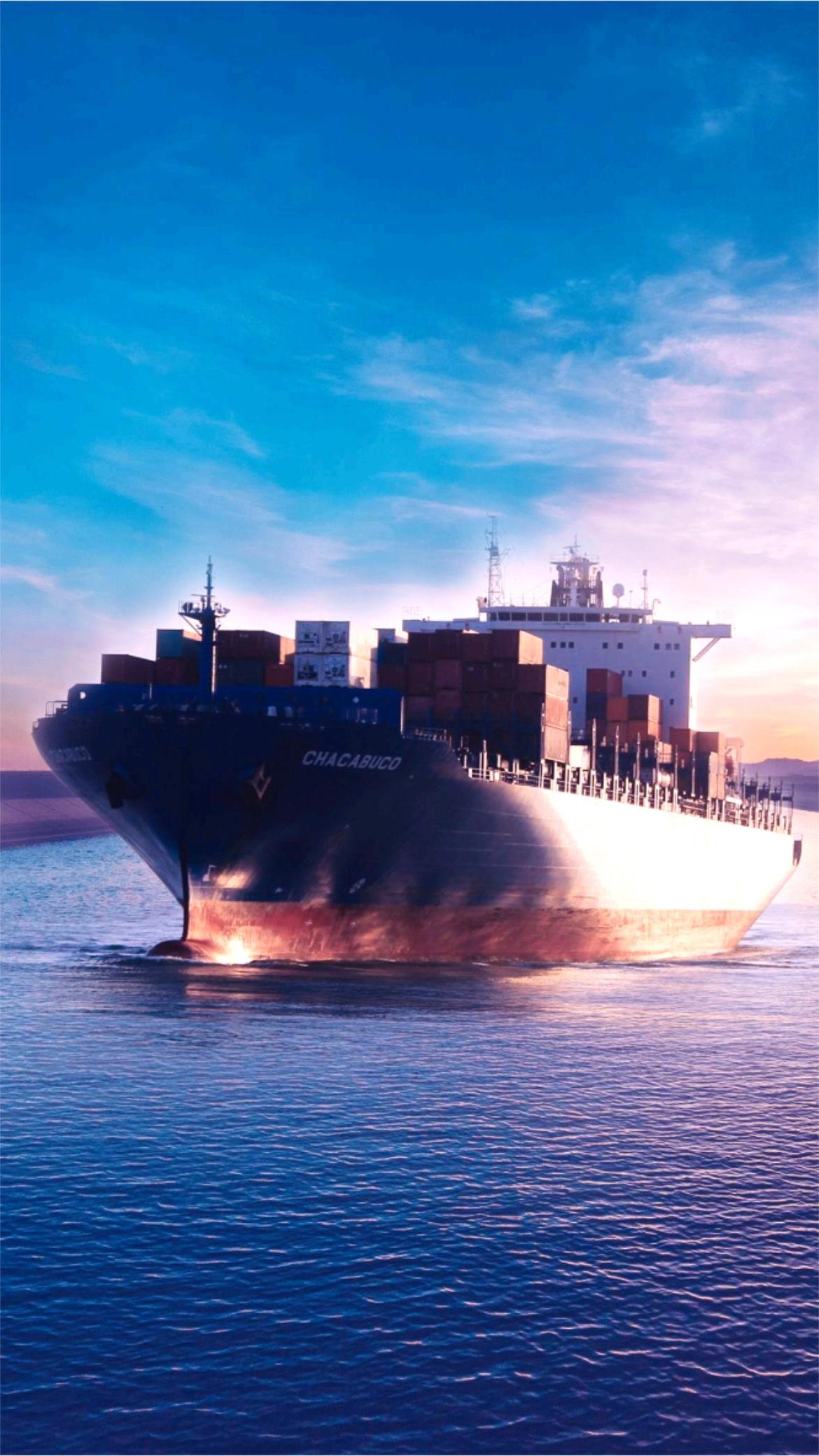
Choosing the right logistics partner significantly impacts the success and cost-efficiency of your Shenzhen to Canada shipments. A seasoned freight forwarder offers invaluable expertise and a network of resources. This partnership can transform complex logistics into a streamlined process.
A professional forwarder like Top China Forwarder can offer tailored solutions, from choosing the most economical shipping method to handling intricate customs procedures. They provide end-to-end support, ensuring your cargo moves smoothly. Consequently, this allows you to focus on your core business.
They also provide real-time tracking and communication, keeping you informed about your shipment’s status. This transparency is crucial for managing expectations and planning your inventory. Without a doubt, reliable communication builds trust.
Moreover, a strong logistics partner can advise on the latest logistics trends and market conditions. This foresight helps in anticipating changes in freight rates and planning accordingly. Therefore, their insights are a valuable asset to your supply chain. For example, understanding current air freight options can be beneficial.
Final Thoughts on Cheap Rail Freight from Shenzhen to Canada
Securing cheap rail freight from Shenzhen to Canada, though not direct, is entirely achievable through strategic intermodal planning. By combining the affordability of ocean freight with the efficiency of Canadian rail networks, businesses can significantly reduce their shipping costs. Furthermore, understanding market dynamics and leveraging expert logistics partners are critical for success.
Ultimately, the goal is to create a robust and cost-effective supply chain that meets your business’s unique needs. Careful consideration of transit times, cargo type, and customs requirements will lead to optimized shipping solutions. Partner with a reliable forwarder to navigate these complexities and ensure your goods arrive in Canada efficiently.
Ready to streamline your logistics?
Ready to explore the most cost-effective and reliable shipping solutions for your goods from Shenzhen to Canada? Contact us today for a personalized quote and expert advice. Let Top China Forwarder optimize your supply chain and help you achieve cheap rail freight from Shenzhen to Canada through smart intermodal strategies.
Request Quote