

FCL Shipping for Machinery from China to Belgium: Your Comprehensive Guide
Importing machinery from China to Belgium demands meticulous planning. Full Container Load (FCL) shipping offers a secure, efficient method for your valuable equipment. At Top China Forwarder, we navigate these complexities. This guide provides a comprehensive overview of FCL shipping for machinery from China to Belgium, aiding your informed logistics decisions.
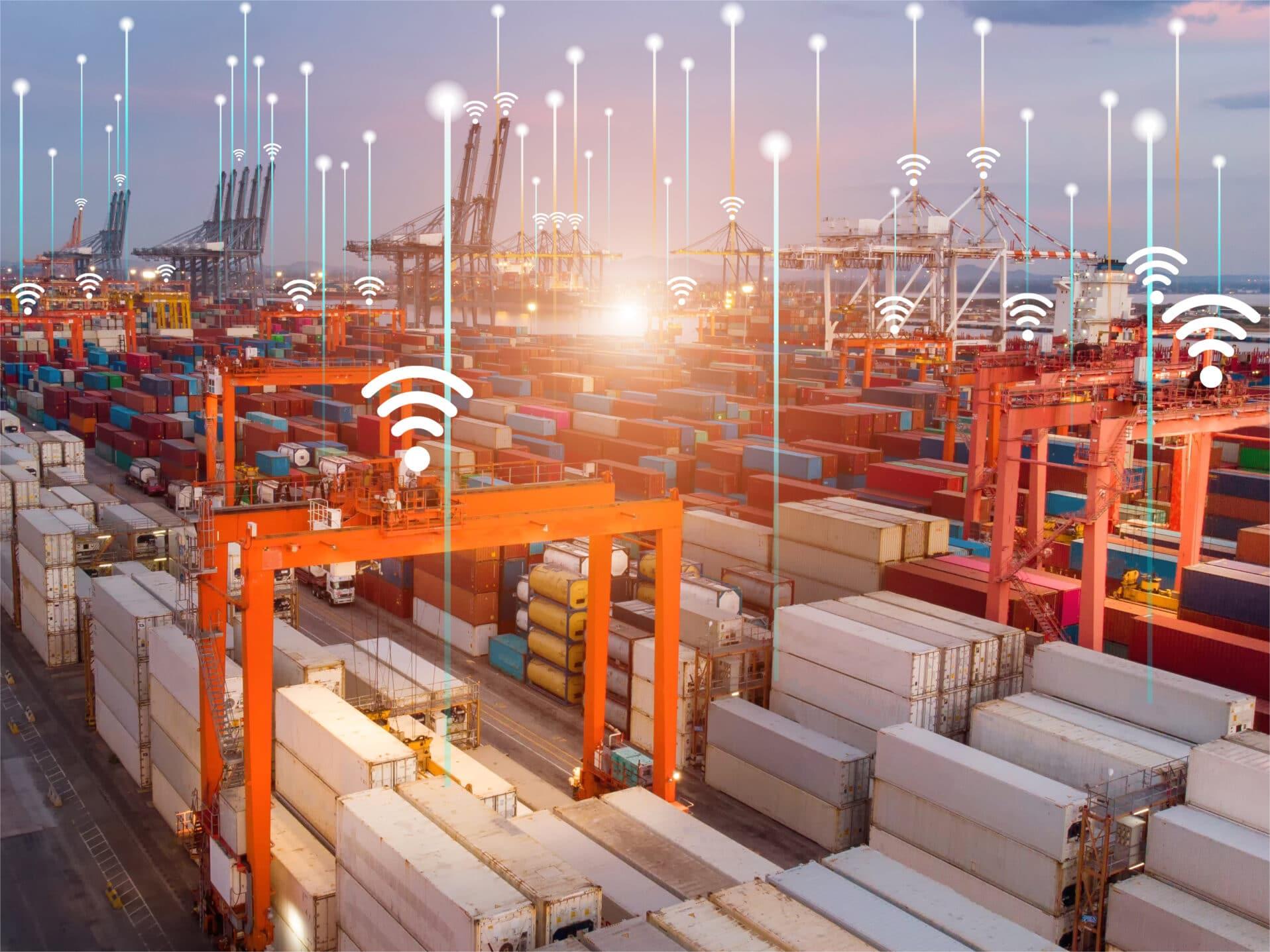
What is FCL Shipping for Machinery from China to Belgium?
FCL, or Full Container Load, means your machinery occupies an entire shipping container. This method suits large volumes or heavy, oversized equipment. Consequently, it offers exclusive use of the container, reducing handling risks.
Choosing FCL shipping ensures your machinery is sealed at origin, untouched until its destination. This security is paramount for sensitive industrial equipment. Furthermore, FCL often provides faster transit times compared to LCL due to fewer consolidation delays.
Why is FCL the Ideal Choice for Machinery?
FCL shipping provides numerous advantages for valuable machinery. Primarily, it offers enhanced security, as your cargo is not consolidated with others. This significantly reduces loss or damage risk during transit.
Additionally, FCL streamlines import/export, often leading to quicker customs clearance. You gain full control over the container, allowing optimized loading and unloading. This benefits irregularly shaped or delicate machinery requiring specific handling.
Moreover, for large or heavy machinery, FCL is generally more cost-effective than LCL or air freight. The per-unit cost decreases significantly with higher volumes. Therefore, businesses importing substantial machinery quantities frequently opt for FCL solutions.
Understanding FCL Shipping Costs: Key Influencers
Several critical factors determine FCL shipping costs for machinery from China to Belgium. Firstly, container type and size (e.g., 20GP, 40HQ) directly impact the base freight rate. Larger containers naturally incur higher costs.
Secondly, specific port pairs (e.g., Shanghai to Antwerp) influence pricing due to varying port charges and carrier routes. Fuel surcharges (BAF) also fluctuate based on global oil prices.
Furthermore, seasonal demand plays a significant role; rates typically increase during peak seasons. Other factors include customs duties, insurance, terminal handling charges (THC), and inland transportation. For precise estimates, always obtain a detailed quote.

The FCL Shipping Process: A Step-by-Step Guide
The FCL shipping process spans from booking to final delivery. Initially, select a reliable freight forwarder, such as Top China Forwarder’s sea freight services. They will assist with container size and comprehensive quotes.
Subsequently, the booking is confirmed, and an empty container is delivered for loading at your supplier’s factory. Proper loading and securing machinery are paramount to prevent damage. The container then moves to the port of loading for customs clearance and vessel departure.
Upon arrival at the Belgian port, import customs procedures are completed. Finally, the container is transported to your facility in Belgium. Opting for door-to-door services simplifies this entire logistics chain.
Navigating Customs and Documentation for Belgian Imports
Efficient customs clearance is vital for avoiding delays and extra costs when importing machinery into Belgium. Firstly, accurate and complete documentation is essential. This includes the commercial invoice, packing list, bill of lading (B/L), and certificate of origin.
Additionally, specific permits, licenses, or conformity certificates (e.g., CE marking) may be required. Verify these requirements well in advance. Working with an experienced customs brokerage service significantly streamlines this complex process.
Moreover, correct Harmonized System (HS) codes must be applied for accurate duty and tax assessment. Misclassification can lead to penalties or delays. Meticulously preparing all necessary paperwork is a key step for successful import.
FCL vs. Other Shipping Methods: A Comprehensive Comparison
When shipping machinery from China to Belgium, various transportation methods exist, each with distinct pros and cons. While FCL sea freight is often preferred for heavy machinery, considering alternatives for specific needs is wise. Understanding these differences helps in informed supply chain decisions.
For instance, air freight offers unparalleled speed but at a significantly higher cost. Conversely, rail freight provides a balance between speed and cost, though its network might not always serve every specific route.
LCL (Less than Container Load) sea freight suits smaller machinery volumes not filling an entire container. However, it often involves more handling and longer transit times due to consolidation. A detailed comparison clarifies the best option for your specific cargo.
| Shipping Method | Cost Range (40HQ equivalent) | Transit Time | Best For | Limitations |
|---|---|---|---|---|
| FCL Sea Freight | $3,000 – $4,200 | 28-35 days | Large, heavy, non-urgent machinery | Slowest transit, port congestion risks |
| LCL Sea Freight | $50 – $80 per CBM (higher per unit) | 35-45 days | Smaller machinery, lower volume | More handling, longer transit, potential damage |
| Rail Freight | $8,000 – $12,000 | 18-25 days | Medium-sized machinery, faster than sea, cheaper than air | Limited routes, less capacity than sea |
| Air Freight | $15,000 – $25,000 | 5-7 days | Urgent, high-value, small/light machinery | Highest cost, size/weight restrictions |
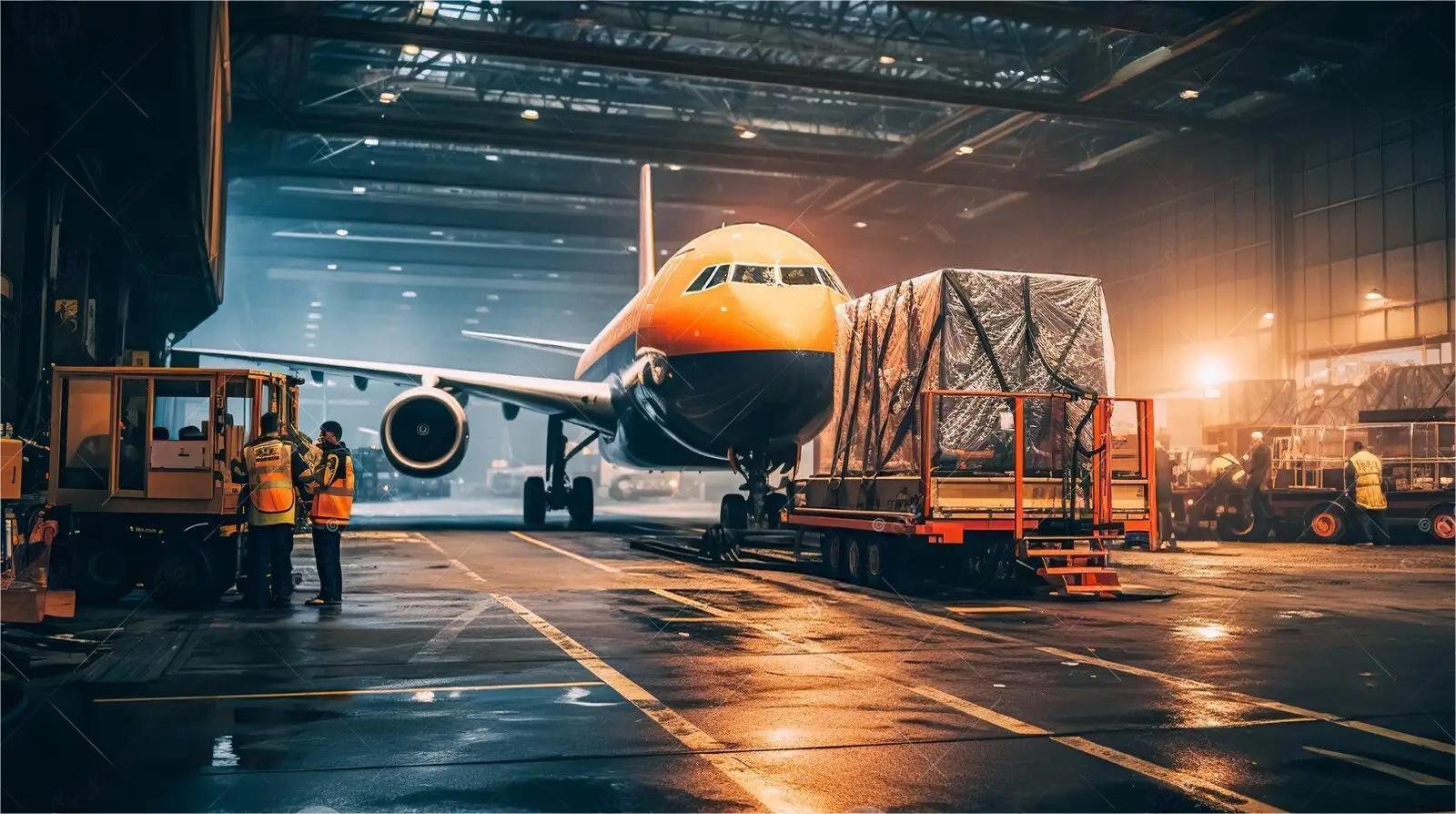
Which Shipping Option is Best for Your Machinery?
Choosing the optimal shipping method depends on budget, urgency, and cargo characteristics. If budget is a top priority and time is not a constraint, FCL sea freight remains the most cost-effective solution for large machinery. This offers excellent value.
Conversely, if speed is paramount, especially for urgent spare parts or high-value components, air freight is the only viable option. This is despite its higher cost. For a balance of speed and cost, particularly on well-served rail routes, rail freight can be an excellent middle-ground.
Ultimately, machinery volume and dimensions are crucial. FCL is ideal for machinery filling a container, ensuring dedicated space and reduced handling. For smaller consignments, LCL might seem attractive, but overall cost-effectiveness and transit time must be carefully weighed against FCL.
Real-World FCL Shipping: Case Studies from China to Belgium
Practical examples illuminate the complexities and successes of FCL shipping for machinery. These case studies demonstrate how various factors impact logistics from China to Belgium. They highlight the importance of planning and selecting appropriate solutions.
Case Study 1: Large Industrial Press from Shanghai to Antwerp
Key Insight: Utilizing an open-top 40HQ container was crucial for loading oversized machinery, requiring specialized port handling. Based on Q3 2024 market rates.
| Detail | Value |
|---|---|
| Route | Shanghai, China Antwerp, Belgium |
| Cargo | Industrial Hydraulic Press, 58 CBM, 25,000 kg |
| Container | 1 x 40HQ (open top for loading) |
| Carrier/Service | COSCO |
| Port of Loading | Shanghai |
| Port of Discharge | Antwerp |
| Route Type | Direct |
| Ocean Freight | $4,000 |
| Origin Charges | $550 |
| Destination Charges | $400 |
| Customs & Duties (estimated) | $1,200 |
| Total Landed Cost | $6,150 |
| Booking to Loading | 7 days |
| Sea Transit | 32 days |
| Customs Clearance | 3 days |
| Total Door-to-Door | 45 days |
Case Study 2: CNC Machine Components from Ningbo to Zeebrugge
Key Insight: Choosing a transshipment route offered a slightly lower freight rate but added about 5-7 days to the total transit time. Typical rates as of early 2025.
| Detail | Value |
|---|---|
| Route | Ningbo, China Zeebrugge, Belgium |
| Cargo | Precision CNC Machine Components (palletized), 45 CBM, 18,000 kg |
| Container | 1 x 40GP |
| Carrier/Service | MSC |
| Port of Loading | Ningbo |
| Port of Discharge | Zeebrugge |
| Route Type | Transshipment via Singapore |
| Ocean Freight | $3,200 |
| Origin Charges | $480 |
| Destination Charges | $350 |
| Customs & Duties (estimated) | $950 |
| Total Landed Cost | $4,980 |
| Booking to Loading | 5 days |
| Sea Transit | 38 days |
| Customs Clearance | 2 days |
| Total Door-to-Door | 50 days |
Case Study 3: Agricultural Equipment from Shenzhen to Ghent
Key Insight: Efficient inland transport from Antwerp to Ghent was critical for final delivery, emphasizing integrated logistics. Based on Q4 2024 market rates.
| Detail | Value |
|---|---|
| Route | Shenzhen, China Ghent, Belgium |
| Cargo | Compact Tractor and Attachments, 60 CBM, 15,000 kg |
| Container | 1 x 40HQ |
| Carrier/Service | Maersk |
| Port of Loading | Shenzhen |
| Port of Discharge | Antwerp (then inland to Ghent) |
| Route Type | Direct |
| Ocean Freight | $3,800 |
| Origin Charges | $520 |
| Destination Charges | $380 |
| Customs & Duties (estimated) | $1,100 |
| Total Landed Cost | $5,800 |
| Booking to Loading | 6 days |
| Sea Transit | 30 days |
| Customs Clearance | 3 days |
| Total Door-to-Door | 42 days |

Optimizing Your FCL Shipments: Expert Tips
To ensure a smooth and cost-effective FCL shipping experience for your machinery, consider several optimization strategies. Firstly, accurate cargo dimensions and weight are crucial for container selection, avoiding unexpected charges. Double-check all measurements before booking.
Secondly, proper packaging and crating of machinery are non-negotiable. This protects your valuable assets from movement and potential damage during long transit. Investing in robust packaging prevents costly repairs later.
Furthermore, always plan shipments well in advance, especially during peak seasons. Early booking can secure better rates and ensure container availability. Finally, partnering with a knowledgeable freight forwarder specializing in machinery transport provides invaluable expertise.
Current Market Trends and Future Outlook
The FCL shipping market from China to Belgium is continually influenced by global events. As of Q1 2025, freight rates from China to Europe have largely stabilized following Red Sea disruptions. However, carrier capacity management remains a key factor.
Industry trends indicate growing demand for sustainable shipping solutions, prompting carriers to invest in greener vessels. Moreover, digitalization of logistics processes improves transparency and efficiency. Businesses should stay informed about these changes.
Furthermore, port congestion, while eased, can still cause occasional delays. Therefore, flexible planning and real-time tracking are increasingly important. Staying updated on these logistics trends helps businesses anticipate challenges and adapt shipping strategies effectively.
Conclusion
In conclusion, FCL shipping for machinery from China to Belgium offers a robust and reliable solution for importing valuable industrial equipment. Understanding the process, managing costs, and navigating customs are all critical components for success. By carefully planning and leveraging expert assistance, businesses can ensure their machinery arrives safely and efficiently. Ultimately, choosing the right logistics partner is paramount for optimizing your supply chain and achieving your import objectives.
Ready to streamline your logistics?
Ready to streamline your FCL shipping for machinery from China to Belgium? Contact Top China Forwarder today for a personalized quote and expert guidance. Our team is dedicated to providing efficient, secure, and cost-effective logistics solutions tailored to your specific machinery import needs. Get started now and experience seamless international freight.
Request Quote