

Container Shortage Solution: FCL Shipping China to Sweden
“The persistent global container shortage has significantly impacted FCL shipping from China to Sweden, creating challenges for businesses reliant on timely imports. Securing full container load (FCL) capacity has become a strategic imperative for maintaining stable supply chains. Fortunately, effective strategies and reliable partners can mitigate these disruptions, ensuring your goods reach Sweden efficiently. At Top China Forwarder, we understand these complexities and offer tailored solutions.”
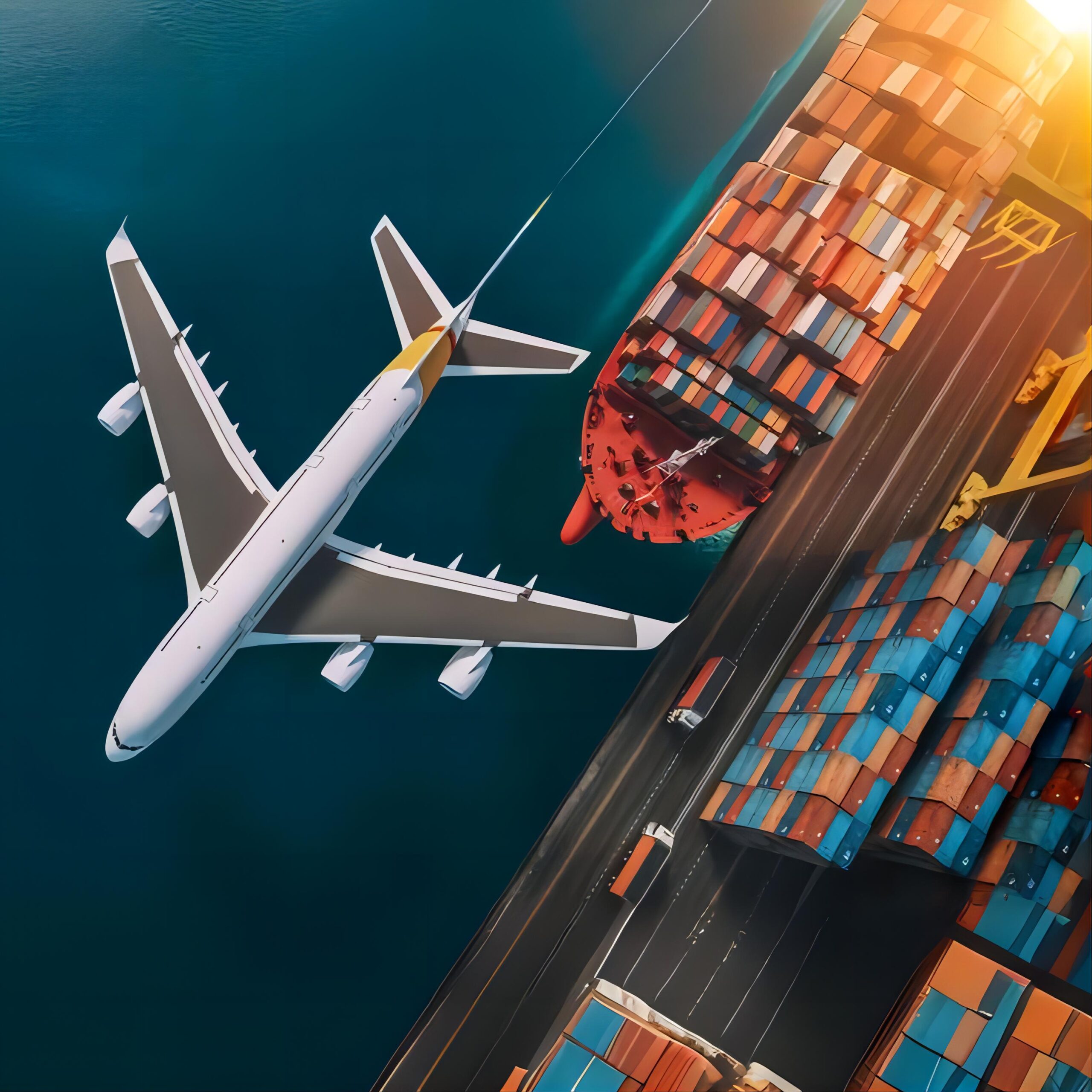
Understanding the FCL Container Shortage from China to Sweden
❖The global supply chain has faced unprecedented strain in recent years, largely due to factors like increased e-commerce demand and port congestion. Consequently, the availability of FCL containers for shipping from China to Sweden has become a critical concern for many importers.
This shortage translates into higher freight rates, extended transit times, and unpredictable delivery schedules. Businesses must proactively address these challenges to avoid significant operational and financial impacts on their sea freight operations.
Several underlying issues contribute to this ongoing problem. For example, container repositioning imbalances mean empty containers are often stuck in locations with low export demand, while export hubs like China face severe deficits. This logistical asymmetry compounds the shortage.
Moreover, peak shipping seasons, such as before major holidays or during new product launches, exacerbate the problem. During these times, competition for available containers intensifies, pushing prices even higher and making securing space more difficult.
Understanding these dynamics is the first step towards developing robust strategies. Businesses need to anticipate these fluctuations and plan their FCL shipments from China to Sweden with greater foresight and flexibility.
Proactive Strategies to Overcome Container Shortages
❖Navigating the current FCL container shortage requires a multi-faceted approach. Implementing proactive measures can significantly improve your chances of securing necessary shipping capacity and maintaining a predictable supply chain.
Early booking is paramount in today’s volatile shipping market. Reserving container space well in advance, sometimes weeks or even months ahead, gives you a significant advantage. This strategy helps mitigate the risk of last-minute price surges and capacity denials.
Furthermore, diversifying your carrier relationships can offer greater flexibility. Relying on a single carrier might limit your options during periods of high demand or specific carrier capacity constraints. Working with multiple providers expands your access to available containers.
Consider flexible shipping terms and routes whenever possible. Sometimes, opting for a slightly longer transit time or an alternative port of discharge can open up more container availability. This flexibility is crucial for adapting to real-time market conditions.
Leveraging technology and data analytics also plays a vital role. Utilizing platforms that provide real-time visibility into container availability and freight rates allows for quicker, more informed decision-making. This helps in identifying optimal booking windows and routes.
Indeed, a strategic partnership with a knowledgeable freight forwarder like Top China Forwarder is invaluable. We possess the market insights and established relationships to help you navigate these complex challenges effectively. We can also assist with customs brokerage to ensure smooth entry into Sweden.
How Does FCL Sea Freight Compare to Other Shipping Options?
❖When facing a container shortage, exploring alternative shipping methods for your goods from China to Sweden becomes essential. FCL sea freight remains the most economical option for large volumes, but other modes offer distinct advantages in terms of speed and flexibility.
Understanding the trade-offs between cost, transit time, and cargo suitability is crucial for making informed decisions. Each method presents unique benefits and limitations that must be weighed against your specific business needs and urgency.
For instance, while sea freight is budget-friendly, its transit times are considerably longer. Conversely, air freight offers speed but at a significantly higher premium. Rail freight provides a middle ground, balancing cost and speed effectively.
This section objectively analyzes the viable alternatives for shipping from China to Sweden. We will compare FCL sea freight with air freight and rail freight, providing insights into when each option might be most suitable for your supply chain requirements.
| Shipping Method | Cost Range (2024-2025) | Transit Time (China to Sweden) | Best For | Limitations |
|---|---|---|---|---|
| FCL Sea Freight | $3,000-4,200 (40HQ) | 28-35 days | Large volumes, heavy/bulky goods, cost-sensitive shipments | Long transit times, susceptible to port congestion |
| Air Freight | $15,000-25,000 (equivalent 40HQ volume) | 5-7 days | Urgent, high-value, perishable goods, small volumes | Very high cost, limited capacity for oversized cargo |
| Rail Freight | $8,000-12,000 (40HQ) | 18-22 days | Time-sensitive but not urgent, high-value goods, landlocked destinations | Limited routes, capacity can be constrained, weather dependent |
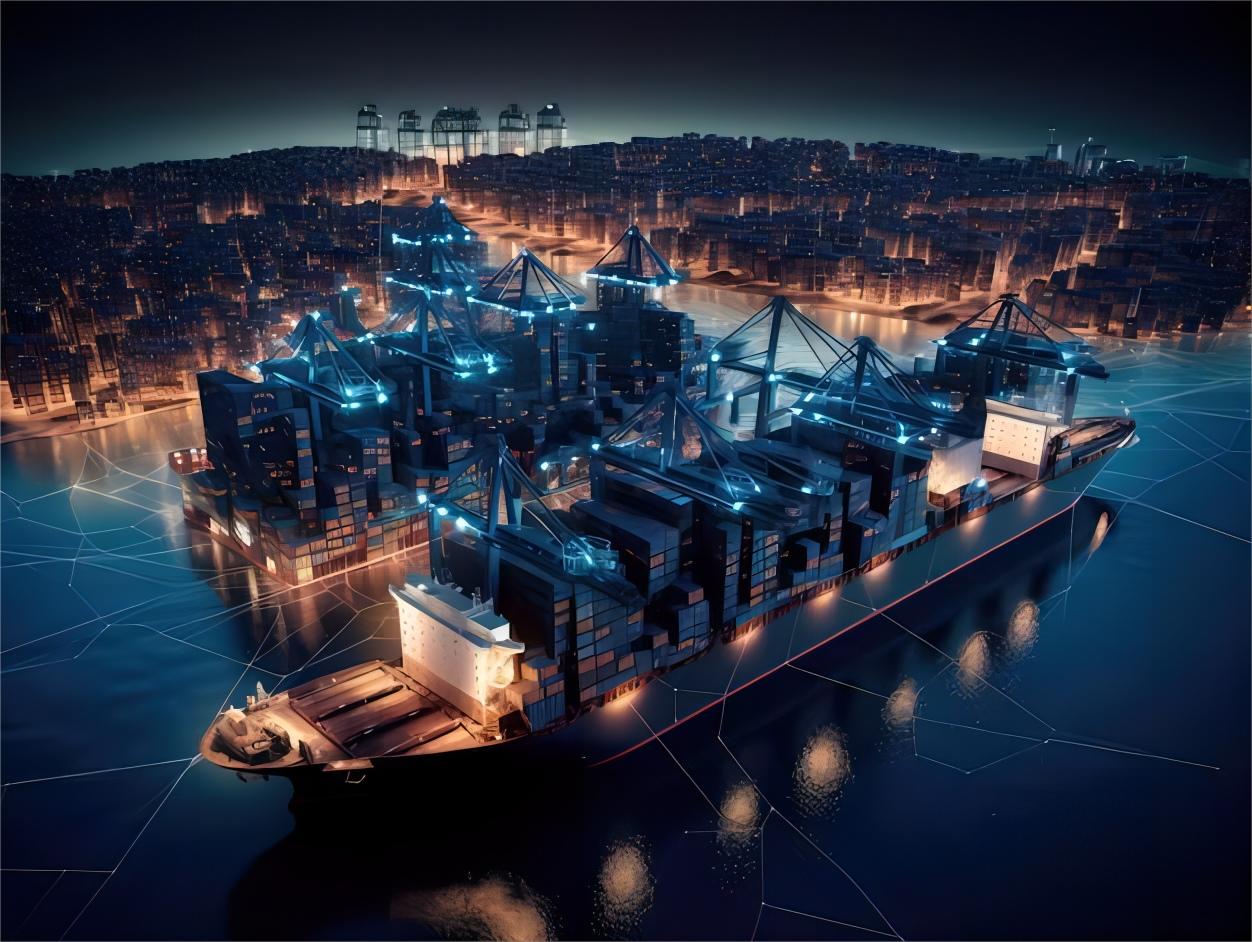
Alternative and Hybrid Shipping Solutions for China to Sweden
❖Even with a container shortage, several alternative and hybrid shipping solutions can help maintain your supply chain integrity. These options are particularly valuable when traditional FCL sea freight is unfeasible or too slow.
For shipments under 15 CBM, Less than Container Load (LCL) shipping can be a more economical and readily available alternative. LCL consolidates multiple shippers’ cargo into one container, making it ideal for smaller volumes that do not require a full container.
However, LCL generally involves more handling and potentially longer transit times due to consolidation and deconsolidation processes. Nevertheless, it offers a viable solution when FCL capacity is scarce, with costs typically ranging from $50-80 per CBM.
Rail freight, connecting China to Europe, presents an excellent balance between speed and cost. This option is significantly faster than sea freight and considerably cheaper than air freight. Services like the China-Europe Express Railway offer reliable transit to destinations like Sweden via central European hubs.
For urgent but not hyper-critical shipments, a sea-air hybrid solution can be considered. Cargo travels by sea from China to a transshipment hub like Dubai or Singapore, then by air to Sweden. This significantly cuts down overall transit time compared to pure sea freight.
Furthermore, utilizing door-to-door services can streamline the entire process, regardless of the chosen shipping method. This ensures seamless coordination from origin to final destination, minimizing your logistical burden.
Another strategy involves optimizing cargo packing and container utilization. Efficient loading practices can maximize the volume within each container, reducing the overall number of containers required. This is particularly important when FCL space is limited.
Real-World Solutions: Case Studies in FCL Shipping from China to Sweden
❖Examining real-world scenarios provides valuable insights into effective strategies for managing FCL container shortages. These case studies highlight how businesses successfully navigated challenges by employing smart logistics planning and leveraging expert partnerships.
The following examples illustrate diverse approaches to securing capacity, optimizing routes, and managing costs during periods of high demand. They underscore the importance of adaptability and strategic decision-making in the dynamic shipping environment.
These scenarios are based on typical rates and market conditions as of early 2025. Freight rates are always subject to change due to fuel costs, carrier capacity, and seasonal demand. Always contact us for a current quote tailored to your specific shipment.
Case Study 1: Expediting High-Value Electronics via Rail
A Swedish electronics distributor needed to quickly replenish stock of high-value components, but FCL sea freight was experiencing severe delays and high rates. Speed was more critical than the lowest possible cost, yet air freight was prohibitively expensive for the volume.
| Detail | Description |
|---|---|
| Route | Chongqing, China -> Malmö, Sweden |
| Cargo | High-value electronic components, 28 CBM, 12,000 kg |
| Container | 1 x 40GP |
| Shipping Details | Carrier: China-Europe Express Railway, Port of Loading: Chongqing, Port of Discharge: Malmö (via Poland/Germany), Route Type: Intermodal Rail |
| Cost Breakdown | Ocean Freight: $0 (Rail instead), Origin Charges: $550, Destination Charges: $700, Customs & Duties (estimated): $1,800, Total Landed Cost: $9,600 |
| Timeline | Booking to Loading: 5 days, Rail Transit: 18 days, Customs Clearance: 2 days, Total Door-to-Door: 25 days |
| Key Insight | Rail freight provided the ideal balance of speed and cost, significantly reducing transit time compared to sea freight without the exorbitant cost of air cargo. This secured timely delivery during a peak season. |
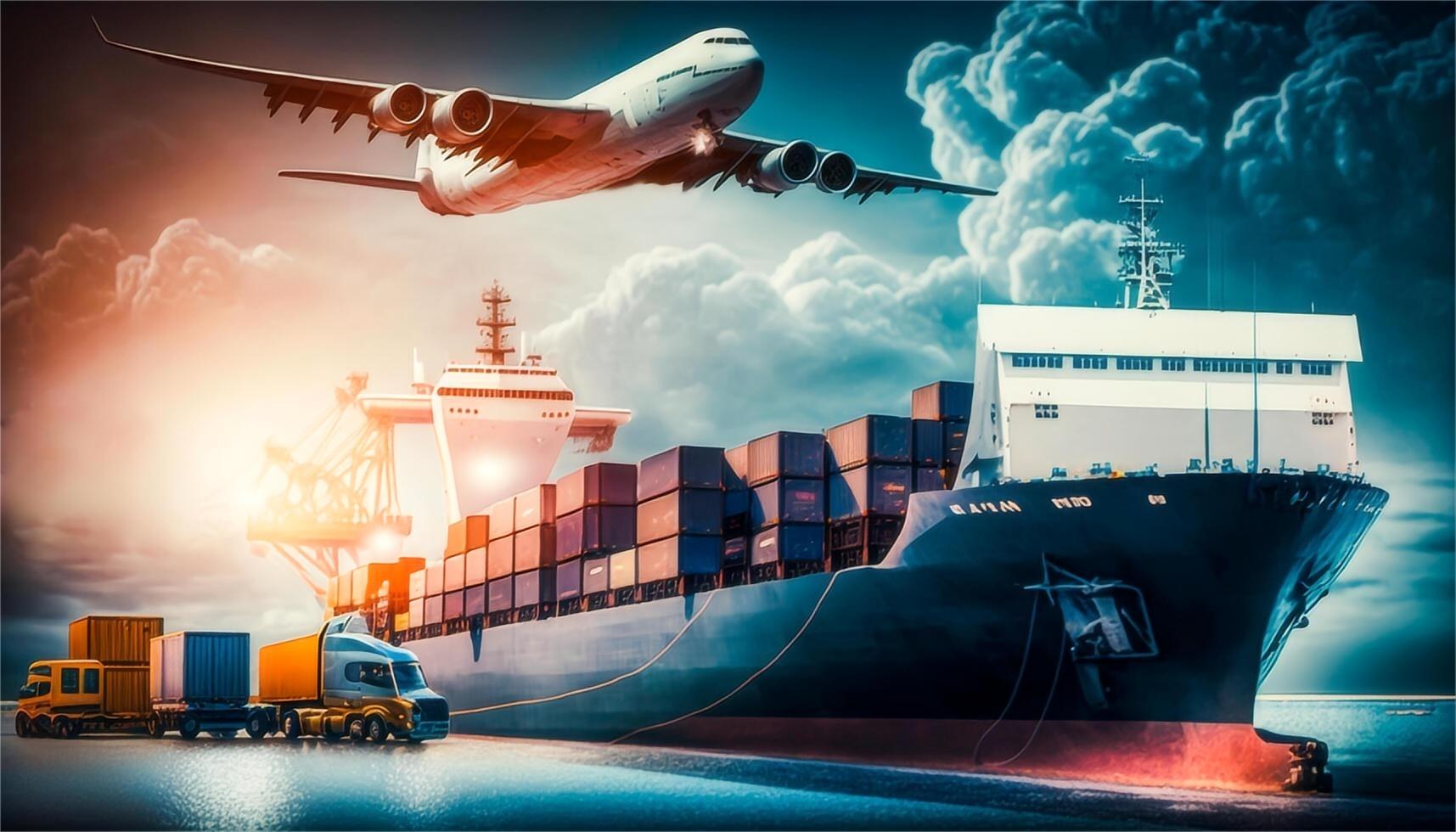
Case Study 2: Securing FCL Capacity for Seasonal Goods
A fashion retailer in Sweden faced challenges securing FCL containers for their autumn collection during Q3, a peak shipping period. Their primary concern was ensuring the entire collection arrived before the retail season commenced, despite the ongoing container shortage.
They opted for early booking and collaborated closely with a freight forwarder who had strong relationships with multiple carriers. This strategy allowed them to secure space on a less common direct route, avoiding major transshipment hubs prone to congestion.
| Detail | Description |
|---|---|
| Route | Shanghai, China -> Gothenburg, Sweden |
| Cargo | Seasonal apparel, 60 CBM, 15,000 kg |
| Container | 2 x 40HQ |
| Shipping Details | Carrier: Major carrier (e.g., COSCO), Port of Loading: Shanghai, Port of Discharge: Gothenburg, Route Type: Direct (Premium Service) |
| Cost Breakdown | Ocean Freight: $8,000 (for 2x40HQ, Q3 peak rates), Origin Charges: $1,200, Destination Charges: $1,400, Customs & Duties (estimated): $3,500, Total Landed Cost: $14,100 |
| Timeline | Booking to Loading: 10 days, Sea Transit: 30 days, Customs Clearance: 3 days, Total Door-to-Door: 45 days |
| Key Insight | Proactive booking with a premium direct service, despite higher costs, ensured guaranteed space and a predictable delivery schedule, crucial for seasonal inventory. This mitigated potential sales losses from stockouts. |
Case Study 3: Optimizing LCL for Smaller, Regular Shipments
A small e-commerce business regularly imported smaller batches of home decor items from Shenzhen. They found FCL increasingly difficult to book and too costly for their fluctuating order volumes. They needed a more flexible and cost-effective approach.
They transitioned from attempting FCL to consistently using LCL services. This allowed them to ship smaller quantities more frequently, adapting to customer demand without committing to full container loads. Their freight forwarder consolidated their cargo efficiently.
| Detail | Description |
|---|---|
| Route | Shenzhen, China -> Stockholm, Sweden |
| Cargo | Home decor items, 10 CBM, 2,500 kg |
| Container | LCL 10 CBM |
| Shipping Details | Carrier: Multiple LCL consolidators, Port of Loading: Shenzhen, Port of Discharge: Stockholm, Route Type: Consolidated LCL |
| Cost Breakdown | Ocean Freight: $700 (10 CBM @ $70/CBM), Origin Charges: $300, Destination Charges: $450, Customs & Duties (estimated): $600, Total Landed Cost: $2,050 |
| Timeline | Booking to Loading: 7 days, Sea Transit: 35 days, Customs Clearance: 4 days, Total Door-to-Door: 50 days |
| Key Insight | Switching to LCL provided significant cost savings and greater flexibility for smaller, regular imports, eliminating the stress of FCL capacity issues. This approach supported their agile e-commerce model. |
Decision Framework: Which FCL Shipping Option Should You Choose?
❖Selecting the optimal shipping method for your FCL cargo from China to Sweden depends on several key factors. A clear decision framework helps you prioritize your needs and choose the most suitable solution amidst container shortages.
Consider your budget, urgency, cargo type, and shipment volume. Each of these elements plays a critical role in determining the most cost-effective and efficient logistics strategy for your business.
This framework will guide you through the considerations, ensuring you make an informed choice that aligns with your operational goals and financial constraints.
Therefore, carefully evaluate your specific requirements before committing to a particular shipping mode.
Budget Priority
If cost-efficiency is your primary concern, FCL sea freight remains the most economical choice for large volumes. Explore options like direct routes versus transshipment, as direct routes might cost 10-15% more but save 5-7 days compared to transshipment via major hubs.
For smaller volumes that don’t fill a container, LCL shipping offers a cost-effective alternative. While it might have slightly longer transit times, the per-unit cost can be significantly lower than FCL when you don’t utilize full capacity.
Speed Priority
When goods are time-sensitive, air freight is unparalleled in speed, delivering in 5-7 days. This is ideal for high-value goods, perishables, or urgent components where delays would incur substantial losses.
Alternatively, rail freight provides a compelling mid-range option, with transit times of 18-22 days. This is considerably faster than sea freight and a good compromise when air freight is too expensive but sea freight is too slow. Consider rail freight for a balanced approach.
Even within sea freight, premium services or direct routes can shave off several days compared to standard services with multiple transshipments. These faster sea options come at a higher price but can be worth it for moderately time-sensitive cargo.
Cargo Type Considerations
For oversized, heavy, or non-stackable cargo, FCL sea freight is usually the only practical solution. Its capacity and ability to handle diverse freight types make it indispensable for certain industries.
However, fragile or high-value items might benefit from air or rail freight due to reduced handling and quicker transit, minimizing exposure to potential damage or theft. Specialized handling for delicate items can also be arranged through express services.
Perishable goods, naturally, require the fastest possible transit, making air freight or temperature-controlled rail containers the preferred choices. This ensures product integrity upon arrival in Sweden.
Volume Thresholds for Switching Methods
Generally, for shipments exceeding 15-20 CBM, FCL sea freight becomes more cost-effective than LCL. Below this threshold, LCL often provides better value, especially when container space is tight.
For very small, urgent parcels, courier services or air freight is typically the go-to. As volume increases, the cost savings of rail and then sea freight become increasingly significant.
Always get a current quote for both FCL and LCL for your specific shipment volume. This allows for a direct comparison based on real-time market conditions and helps identify the most economical threshold.
Leveraging Market Intelligence and Expert Partnership
❖Staying informed about global logistics trends and market conditions is crucial for mitigating risks associated with container shortages. Market intelligence provides the foresight needed to adapt shipping strategies effectively.
As of Q1 2025, freight rates from China to Europe have shown signs of stabilization after the significant volatility caused by the 2024 Red Sea disruptions. However, capacity remains a concern, particularly during peak seasons.
Industry data suggests that rates typically increase by 15-25% during the August-October peak season leading up to holiday shopping. Planning around these seasonal patterns can yield substantial cost savings.
Partnering with an experienced freight forwarder, such as Top China Forwarder, offers unparalleled advantages. We provide not only logistical services but also critical market insights and strategic guidance.
Our expertise allows us to anticipate potential disruptions, identify alternative routes, and negotiate favorable rates on your behalf. This proactive approach is essential for a reliable container shortage solution for FCL shipping from China to Sweden.
Indeed, a strong partnership ensures you have access to a network of carriers and a deep understanding of customs regulations, which can prevent costly delays. This support is vital for smooth import/export operations.
Ensuring Smooth FCL Shipping from China to Sweden Amidst Shortages
The global container shortage presents ongoing challenges for FCL shipping from China to Sweden. However, with strategic planning, diversification of shipping methods, and a strong logistics partner, these hurdles are surmountable. Proactive measures, including early booking and exploring alternative routes like rail or LCL, are vital for maintaining supply chain resilience.
Ultimately, a comprehensive understanding of market dynamics and a robust decision-making framework will empower your business. Partnering with an experienced freight forwarder like Top China Forwarder provides the essential expertise and resources needed to consistently find a reliable container shortage solution for FCL shipping from China to Sweden. We are committed to ensuring your cargo arrives efficiently and cost-effectively.
Ready to streamline your logistics?
Facing FCL shipping challenges from China to Sweden? Don’t let container shortages disrupt your supply chain. Contact Top China Forwarder today for a personalized quote and expert solutions tailored to your specific needs. Let us streamline your logistics.
Request Quote