

Flat Rack FCL Detention Prevention for Solar Panels from China to NJ
Shipping solar panels from China to New Jersey presents unique logistical challenges, especially when utilizing Flat Rack FCL containers. Unexpected detention charges can significantly inflate your shipping costs and disrupt project timelines. Fortunately, strategic planning and expert guidance can help you navigate these complexities and ensure smooth, cost-effective delivery. Discover how to effectively prevent Flat Rack FCL detention by partnering with Top China Forwarder.
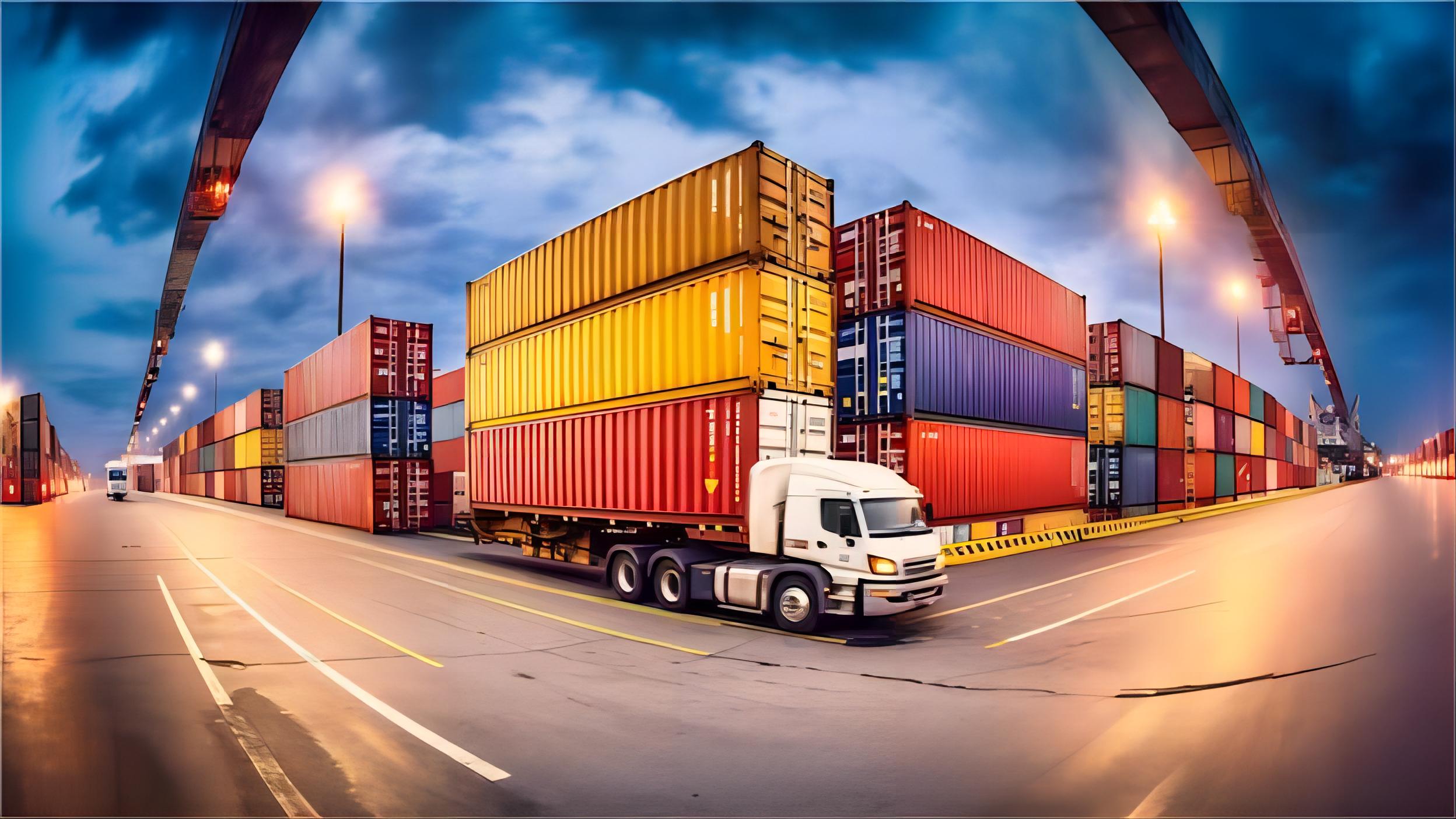
What is Flat Rack FCL and Why is it Essential for Solar Panels?
Flat Rack Full Container Load (FCL) refers to specialized shipping containers designed without fixed side walls and sometimes no roof. This unique design accommodates oversized, oddly shaped, or heavy cargo that cannot fit into standard enclosed containers. For instance, large industrial solar panels often fall into this category due to their dimensions.
Indeed, the robust base and collapsible ends of a Flat Rack container provide the necessary structural integrity and flexibility for securing bulky items. Consequently, this makes it an ideal choice for the safe and efficient transportation of solar panels from manufacturing hubs in China to project sites in New Jersey. Understanding its application is the first step in optimizing your sea freight logistics.
What Causes Flat Rack FCL Detention for Shipments to New Jersey?
Detention charges are penalties levied by shipping lines when a container is held by the consignee beyond the allocated free time. These fees are designed to compensate the carrier for the loss of use of their equipment. Moreover, for Flat Rack FCL shipments of solar panels, these costs can quickly escalate due to the specialized nature of the equipment and potential handling complexities.
Several factors commonly contribute to Flat Rack FCL detention when importing solar panels to New Jersey. Firstly, port congestion at major hubs like the Port of New York and New Jersey can cause delays in offloading. Secondly, inefficient customs clearance processes, often stemming from incomplete or incorrect documentation, can hold up shipments. Furthermore, unexpected drayage issues or a lack of preparedness at the final delivery site also frequently lead to containers being held longer than anticipated.
Additionally, the specialized handling required for oversized solar panels on Flat Rack containers can sometimes slow down operations at both the port and the receiver’s location. Therefore, understanding these potential bottlenecks is crucial for developing proactive prevention strategies. Working with a reliable partner for customs brokerage can mitigate many of these risks.
How Can You Prevent Flat Rack FCL Detention for Solar Panels?
Meticulous Pre-Shipment Planning
Thorough planning is undoubtedly the cornerstone of preventing Flat Rack FCL detention. Firstly, ensure accurate cargo dimensions and weight are provided to the carrier well in advance. This allows for proper equipment allocation and avoids last-minute surprises at the port of loading.
Secondly, consider booking additional free time at the destination port if possible, especially during peak seasons or for complex projects. Moreover, scheduling pre-loading inspections for your solar panels in China can ensure proper securing and minimize transit damage, preventing destination delays.
Streamlined Documentation and Customs Clearance
Accurate and complete documentation is paramount for seamless customs clearance in the USA. Prepare all necessary paperwork, including the commercial invoice, packing list, bill of lading, and any specific permits for solar equipment, long before the vessel arrives. Incorrect Harmonized Tariff Schedule (HTS) codes can trigger inspections and significant delays.
Furthermore, engaging an experienced customs broker is highly recommended for imports of solar panels. They possess the expertise to navigate complex US import regulations and proactively address any potential issues. This significantly reduces the risk of customs-related detention charges upon arrival in New Jersey.
Efficient Destination Logistics and Drayage
The final leg of the journey, known as drayage, often presents the highest risk for detention. Therefore, pre-arranging your drayage services with a reliable trucking company is essential. Confirm the availability of specialized equipment, such as flatbed trucks, and ensure the driver is aware of any specific handling requirements for solar panels.
Additionally, verify that the receiving facility in New Jersey is fully prepared to unload the Flat Rack container immediately upon arrival. This includes having the necessary equipment and personnel available. Consider temporary warehousing options near the port if there are any uncertainties regarding the final delivery site’s readiness. Our door to door services can simplify this entire process.
Flat Rack FCL vs. Other Shipping Methods for Solar Panels
While Flat Rack FCL is often indispensable for oversized solar panels, it is important to understand its position relative to other shipping methods. Each option presents distinct advantages and disadvantages concerning cost, speed, and cargo suitability. Consequently, choosing the right method is crucial for overall supply chain efficiency.
For example, standard FCL containers are more economical for modular solar panels that fit within their dimensions. However, for larger commercial or utility-scale panels, Flat Rack becomes the only viable ocean freight solution. Moreover, air freight offers speed but at a significantly higher cost, typically reserved for urgent or high-value, smaller volume shipments.
| Shipping Method | Cost Range (China-USA East) | Transit Time (China-USA East) | Best For |
|---|---|---|---|
| Flat Rack FCL | $4,500 – $6,000 (40’FR) | 30-35 days | Oversized, heavy, fragile solar panels |
| Standard FCL | $4,000 – $5,500 (40’HQ) | 30-35 days | Standard-sized, high volume solar panels |
| Air Freight | $15,000 – $25,000 (equivalent) | 5-7 days | Urgent, high-value, smaller volume shipments |
| LCL (Less than Container Load) | $150 – $250 / CBM | 35-45 days | Small volume, non-urgent, flexible delivery |

Which Option Should You Choose for Your Solar Panel Shipment?
The optimal shipping method for your solar panels depends heavily on your specific priorities and cargo characteristics. If budget is your primary concern and your panels fit, standard FCL via sea freight is often the most cost-effective. However, for oversized panels, Flat Rack FCL is a necessary investment.
Conversely, if speed is paramount for a time-sensitive project, then air freight, despite its higher cost, might be the preferred choice. Furthermore, cargo type is a decisive factor; fragile or extremely large panels necessitate the specialized handling and securement offered by Flat Rack. Lastly, consider volume thresholds; LCL is rarely suitable for substantial solar panel imports.
Note: Freight rates are subject to change based on fuel costs, carrier capacity, and seasonal demand. Contact us for a current quote tailored to your specific shipment.
Case Studies: Preventing Detention and Optimizing Solar Panel Supply Chains
Case Study 1: Smooth Delivery to a New Jersey Solar Farm
This case highlights successful Flat Rack FCL detention prevention for a critical solar panel import. Through meticulous planning and robust communication, significant cost savings were achieved. The client, a solar farm developer, needed a reliable solution for their ongoing project.
| Detail | Description |
|---|---|
| Route | Shanghai, China -> Newark, USA (New Jersey) |
| Cargo | 200kW monocrystalline solar panels, 60 CBM, 15,000 kg |
| Container | 2 x 40′ Flat Rack |
| Shipping Details | Carrier: Major line, Port of Loading: Shanghai, Port of Discharge: Port of New York and New Jersey, Route Type: Direct |
| Cost Breakdown | Ocean Freight: $9,500, Origin Charges: $800, Destination Charges: $1,200, Customs & Duties (est): $1,500, Total Landed Cost: $13,000 (Based on Q3 2024 market rates) |
| Timeline | Booking to Loading: 7 days, Sea Transit: 32 days, Customs Clearance: 3 days, Total Door-to-Door: 45 days |
| Key Insight | Proactive drayage booking and precise documentation prevented detention. All parties were informed and ready, ensuring efficient cargo handling upon arrival. This minimized time at the port. |

Case Study 2: Navigating Peak Season for Commercial Solar Installations
During a challenging peak season, this case demonstrates how strategic foresight mitigated potential detention fees. A commercial installer needed panels for a tight deadline, making detention unacceptable. Early engagement with a logistics partner proved vital.
| Detail | Description |
|---|---|
| Route | Ningbo, China -> Elizabeth, USA (New Jersey) |
| Cargo | 150kW bifacial solar panels, 50 CBM, 12,000 kg |
| Container | 2 x 40′ Flat Rack |
| Shipping Details | Carrier: Major line, Port of Loading: Ningbo, Port of Discharge: Port of New York and New Jersey, Route Type: Transshipment via Busan |
| Cost Breakdown | Ocean Freight: $11,000 (Q4 peak season rates), Origin Charges: $950, Destination Charges: $1,400, Customs & Duties (est): $1,300, Total Landed Cost: $14,650 (Typical rates as of early 2025) |
| Timeline | Booking to Loading: 10 days, Sea Transit: 38 days, Customs Clearance: 4 days, Total Door-to-Door: 55 days |
| Key Insight | Early booking and flexible delivery schedule mitigated peak season detention risks. The forwarder secured necessary equipment and drayage slots well in advance, avoiding port delays. This foresight was critical for success. |
Current Market Conditions Affecting Flat Rack FCL Shipments to New Jersey
As of Q1 2025, the global shipping market for Flat Rack FCL containers remains dynamic, with various factors influencing freight rates and transit times. While rates from China to North America have largely stabilized compared to the volatility of previous years, peak seasons still introduce significant surcharges and capacity constraints. Therefore, understanding these market nuances is vital for effective planning.
Industry trends indicate a continued strong demand for solar panels in the US, which in turn places pressure on specialized container availability and port infrastructure. Moreover, potential port congestion at major gateways like New Jersey can lead to unforeseen delays and increased detention risks. Consequently, shippers must factor in these variables when forecasting their North America supply chain.
Seasonal patterns, such as the pre-Chinese New Year rush and the Q3-Q4 peak season, typically see rates increase by 15-25% and extended transit times. Furthermore, unforeseen global events can quickly impact shipping lanes and operational efficiency. Therefore, staying informed and maintaining flexibility in your logistics strategy is paramount. For example, considering alternative ports or securing longer free time options can be beneficial.
Note: Freight rates are subject to change based on fuel costs, carrier capacity, and seasonal demand. Contact us for a current quote tailored to your specific shipment.
Conclusion
Effectively preventing Flat Rack FCL detention for solar panels from China to New Jersey is paramount for project success and cost control. By implementing proactive planning, ensuring meticulous documentation, and optimizing destination logistics, you can significantly mitigate risks. Partnering with an experienced freight forwarder who understands the nuances of oversized cargo and US customs regulations is undoubtedly your best strategy. Prioritize these measures to safeguard your investment and maintain a smooth, predictable supply chain.
For expert assistance in managing your solar panel imports and avoiding costly delays, reach out to <a href=”https://topchinaforwarder.com”>Top China Forwarder</a>. Our team is ready to provide comprehensive solutions tailored to your specific needs, ensuring seamless delivery every time.

Get Your Shipping Quote Today
Navigating the complexities of Flat Rack FCL detention prevention for solar panels from China to New Jersey requires specialized expertise. Do not let unexpected costs erode your profits or delay your projects. Contact us today for a tailored logistics solution and a free quote to ensure your solar panel shipments are efficient and cost-effective.
Request Quote