Top 10 Freight Forwarders in China: Your Ultimate Shipping Guide
“Navigating international shipping from China can be complex, often fraught with challenges related to cost, reliability, and transit times. Finding the right logistics partner is crucial for smooth supply chain operations. This comprehensive guide will help you identify the qualities of the top 10 freight forwarders in China, ensuring your goods reach their destination efficiently and affordably. For expert assistance, consider Top China Forwarder.”
Why Choosing the Right Freight Forwarder in China Matters?
❖Selecting an optimal freight forwarder in China is paramount for businesses engaged in global trade. A proficient partner can significantly streamline your operations, minimizing potential delays and unexpected costs. Moreover, they act as a vital bridge, connecting your suppliers to your final customers.
Furthermore, the right forwarder offers invaluable expertise in navigating complex international regulations and customs procedures. Consequently, this ensures compliance and helps avoid costly penalties. Ultimately, their services protect your cargo and optimize your supply chain efficiency.
What Defines a Top Freight Forwarder in China?
❖Identifying the top 10 freight forwarders in China involves looking beyond just price. Truly top-tier companies offer a blend of reliability, comprehensive services, and excellent customer support. Therefore, a careful evaluation of their capabilities is essential.
These forwarders consistently deliver high-quality service, ensuring timely and secure transport of goods. They typically possess extensive networks and advanced technological solutions. This allows for superior tracking and efficient problem resolution, enhancing overall shipping performance.
Experience and Reputation
Leading freight forwarders boast years of industry experience and a solid reputation. They have a proven track record of handling diverse cargo types and complex routes successfully. Indeed, their long-standing presence often indicates reliability and a deep understanding of market dynamics.
Network and Global Reach
An extensive global network is a hallmark of the best freight forwarders. This includes strong relationships with carriers, agents, and customs authorities worldwide. Consequently, they can offer flexible routing options and competitive freight rates across various destinations, including North America and Europe.
Technological Capabilities
Modern freight forwarders leverage advanced technology for real-time tracking, transparent communication, and efficient documentation. Digital platforms enhance visibility into your supply chain, allowing for proactive management. This technological edge provides a significant advantage in today’s fast-paced logistics environment.
Customer Service and Communication
Exceptional customer service and clear communication are non-negotiable. Top forwarders provide dedicated support, keeping clients informed at every stage of the shipping process. Moreover, they offer swift responses to inquiries and proactive solutions to potential issues, ensuring peace of mind.
Key Services Offered by China Freight Forwarders
❖Top freight forwarders offer a wide array of services designed to meet diverse shipping needs. These services span from basic transport to comprehensive logistics solutions. Understanding these offerings helps businesses choose the right partner for their specific requirements.
For instance, many provide specialized services such as warehousing, distribution, and project cargo handling. This integrated approach simplifies the logistics process for importers and exporters alike. Consequently, it contributes to a more efficient and cost-effective supply chain.
Comprehensive Shipping Solutions
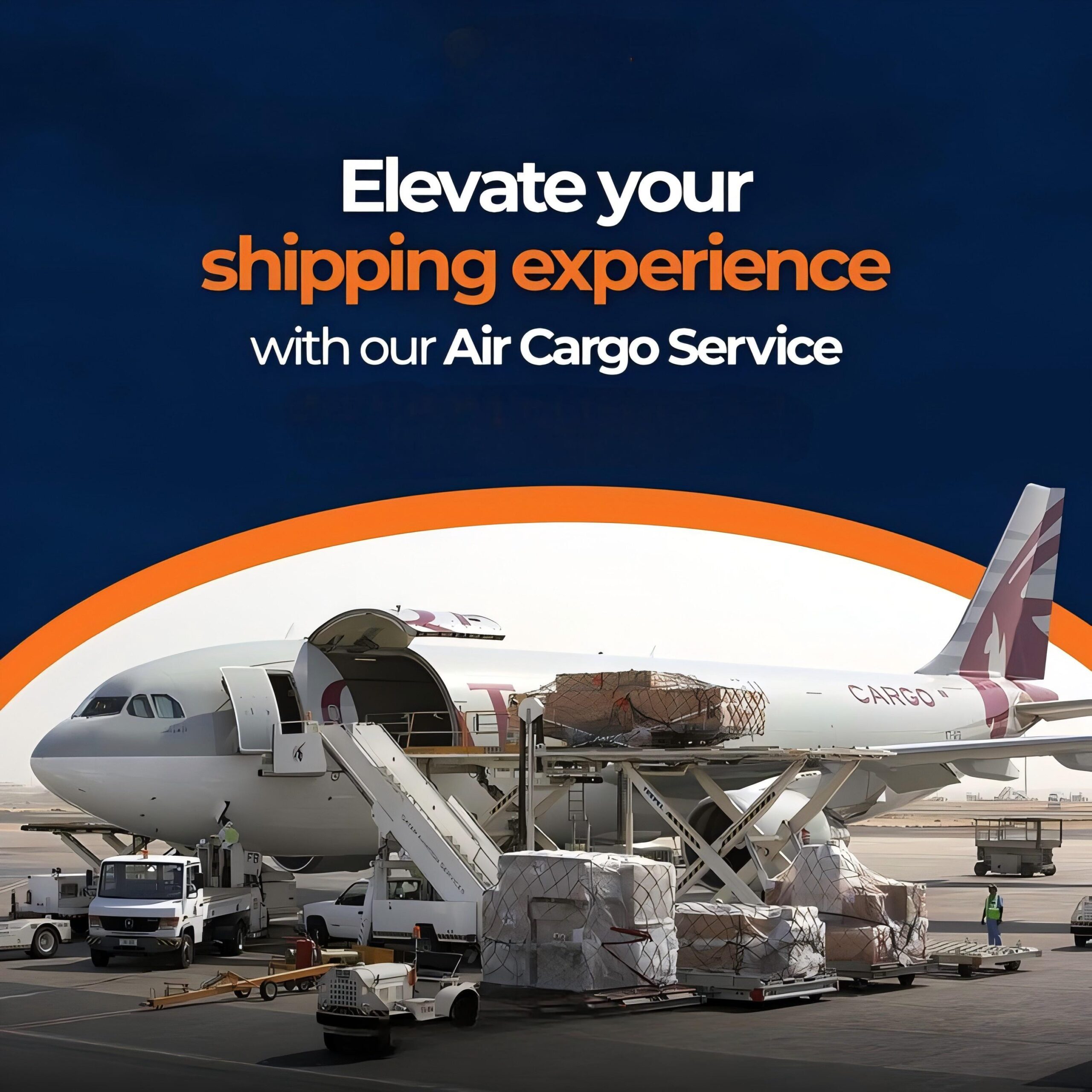
Leading forwarders provide robust options for sea freight, ideal for large volumes and cost-efficiency. They also excel in air freight for time-sensitive shipments, ensuring swift delivery. Furthermore, they manage rail freight for efficient overland routes, especially to Europe.
Additionally, many offer express service for urgent parcels and door-to-door delivery for ultimate convenience. These varied services ensure flexibility, allowing businesses to optimize their delivery schedules and minimize freight rates. Therefore, assessing their full service portfolio is vital.
Customs Brokerage and Compliance
Navigating customs regulations can be daunting for international shippers. A reputable freight forwarder provides expert customs brokerage services, ensuring all documentation is accurate and compliant. This expertise helps to prevent delays and avoids costly penalties at ports of entry.
They stay updated on changing import/export laws, offering guidance on duties, taxes, and restricted goods. Consequently, this minimizes risks and facilitates smoother clearance processes. It is a critical component of stress-free international shipping.
Choosing the Right Shipping Method: A Comparative Analysis
❖Selecting the most suitable shipping method from China is a critical decision, impacting both cost and transit time. Businesses must weigh various factors, including cargo type, urgency, and budget. Each method offers distinct advantages and limitations, which need careful consideration.
Therefore, understanding the nuances of sea, air, and rail freight is essential for making informed logistics choices. Hybrid solutions also provide flexibility, combining the benefits of different transport modes. This strategic choice directly influences your overall supply chain efficiency.
| Shipping Method | Cost Range (per kg/CBM) | Transit Time (China to Europe/NA) | Best For | Limitations |
|---|---|---|---|---|
| Sea Freight (FCL) | $0.05 – $0.15/kg; $50-100/CBM | 28-45 days | Large volumes, heavy goods, non-urgent shipments | Long transit times, port congestion |
| Sea Freight (LCL) | $0.10 – $0.30/kg; $80-150/CBM | 35-55 days | Smaller shipments (1-15 CBM), cost-effective | Longer transit, potential for delays, more handling |
| Air Freight (Standard) | $3.00 – $8.00/kg | 5-10 days | Time-sensitive cargo, high-value goods, smaller packages | High cost, volume/weight restrictions |
| Air Freight (Express) | $8.00 – $15.00/kg | 2-4 days | Urgent documents, samples, very high-value items | Very high cost, strict restrictions |
| Rail Freight | $0.80 – $1.50/kg | 18-25 days | Mid-sized shipments, landlocked destinations in Europe, faster than sea | Limited routes, not suitable for all destinations (e.g., Australia) |
Which Option Should You Choose?
Your decision hinges on a clear understanding of your priorities. If budget is your primary concern, sea freight, particularly FCL for larger volumes, generally offers the lowest freight rates. However, be prepared for longer transit times.
Conversely, if speed is paramount for your delivery schedule, air freight is the undisputed choice, despite its higher cost. For a balance between speed and economy, especially for goods destined for Europe, rail freight presents a viable alternative. Consider cargo type and volume thresholds carefully.
For instance, shipments under 15 CBM might find LCL sea freight more economical than a full container, even with slightly longer transit. Ultimately, the best method aligns with your specific operational needs and financial constraints.
How to Evaluate Freight Forwarders: Essential Criteria
❖When seeking the top 10 freight forwarders in China, a systematic evaluation process is crucial. Beyond basic service offerings, consider factors that ensure long-term partnership success. This rigorous assessment helps in selecting a truly reliable logistics partner.
Consider their communication style, their ability to handle unexpected challenges, and their commitment to transparency. Ultimately, a forwarder should feel like an extension of your own team, dedicated to your supply chain goals.
| Criteria | Description | Why it Matters |
|---|---|---|
| Pricing Structure | Clarity on all-inclusive costs, surcharges, and payment terms. | Avoids hidden fees and budget overruns; ensures predictable shipping costs. |
| Communication | Responsiveness, proactive updates, availability of dedicated contacts. | Crucial for real-time problem-solving and peace of mind during transit. |
| Insurance Options | Availability and types of cargo insurance offered. | Protects against loss or damage, mitigating financial risk. |
| Compliance & Documentation | Expertise in customs regulations, HS codes, and necessary paperwork. | Prevents delays, fines, and ensures smooth import/export processes. |
| Tracking & Visibility | Real-time tracking systems and accessible shipment status updates. | Allows for proactive management, better planning, and informed decision-making. |
| Problem Resolution | Their approach to handling delays, damages, or unforeseen issues. | Indicates reliability and commitment to customer satisfaction during challenging situations. |
Understanding Freight Costs and Transit Times from China
❖Freight costs and transit times from China are dynamic, influenced by numerous factors. These include shipping method, cargo volume, destination, and current market conditions. Therefore, obtaining accurate quotes is paramount for budget planning.
Market data suggests that rates typically fluctuate with peak seasons, such as before major holidays or during Q4. For example, Q4 peak season rates can increase by 15-25%. Additionally, global events, like the 2024 Red Sea disruptions, significantly impact pricing and delivery schedule.
Note: Freight rates are subject to change based on fuel costs, carrier capacity, and seasonal demand. Contact us for a current quote tailored to your specific shipment.
Navigating Customs and Compliance in China Shipping
❖Effective customs clearance is a cornerstone of successful international shipping from China. Incorrect documentation or non-compliance can lead to significant delays, penalties, and even cargo seizure. Therefore, partnering with a knowledgeable forwarder is indispensable.
A proficient freight forwarder understands the intricacies of both Chinese export and destination country import regulations. They manage all necessary declarations, permits, and duties, ensuring a smooth passage for your goods. This expertise is vital for maintaining a consistent supply chain.
For example, ensuring correct HS codes, commercial invoices, and packing lists is fundamental. They also advise on tariffs and trade agreements that might affect your shipping costs. This proactive approach minimizes risks associated with international trade compliance.
Real-World Success: Case Studies from China Shipping
❖Understanding how leading freight forwarders perform in real-world scenarios provides invaluable insight. These case studies highlight their ability to manage diverse cargo, navigate challenges, and deliver successful outcomes. They demonstrate practical application of logistics expertise.
These examples showcase their adaptability in handling various routes and shipping methods. Furthermore, they illustrate how a strategic partnership can optimize shipping costs and improve delivery schedules. Ultimately, these stories reinforce the value of a top-tier logistics provider.
Case Study 1: E-commerce Bulk Import to North America
This case highlights efficient management of a large e-commerce order during peak season. The client required a balance of cost-effectiveness and reasonable transit time for consumer goods. The forwarder optimized the route and utilized consolidated shipping.
| Detail | Description |
|---|---|
| Route | Shanghai, China Los Angeles, USA |
| Cargo | Apparel & Accessories, 35 CBM, 8,500 kg |
| Container | LCL 35 CBM (consolidated) |
| Shipping Details | Major carrier (e.g., COSCO), Port of Loading: Shanghai, Port of Discharge: Los Angeles, Route Type: Direct |
| Cost Breakdown | Ocean Freight: $2,800, Origin Charges: $450, Destination Charges: $600, Customs & Duties (estimated): $1,200, Total Landed Cost: $5,050 (Based on Q3 2024 market rates) |
| Timeline | Booking to Loading: 5 days, Sea Transit: 14 days, Customs Clearance: 3 days, Total Door-to-Door: 22 days |
| Key Insight | Strategic LCL consolidation reduced costs significantly while meeting a tight delivery schedule for a popular product line. |
Case Study 2: Industrial Equipment Project to Europe
This scenario involved shipping oversized industrial machinery requiring specialized handling and precise coordination. The forwarder provided end-to-end project logistics, including pre-carriage and destination delivery. Their expertise minimized risks associated with heavy lift cargo.
| Detail | Description |
|---|---|
| Route | Ningbo, China Hamburg, Germany |
| Cargo | Precision Manufacturing Equipment, 40HQ, 22,000 kg |
| Container | 40HQ |
| Shipping Details | Major carrier (e.g., Maersk), Port of Loading: Ningbo, Port of Discharge: Hamburg, Route Type: Direct |
| Cost Breakdown | Ocean Freight: $3,500, Origin Charges: $550, Destination Charges: $700, Customs & Duties (estimated): $1,800, Total Landed Cost: $6,550 (Typical rates as of early 2025) |
| Timeline | Booking to Loading: 7 days, Sea Transit: 30 days, Customs Clearance: 4 days, Total Door-to-Door: 45 days |
| Key Insight | Careful planning and specialized equipment handling ensured safe and compliant delivery of high-value, oversized cargo, despite port congestion challenges. |
Case Study 3: Time-Sensitive Product Launch to Australia
A client needed rapid delivery of new consumer electronics for a product launch event. Air freight was chosen for its speed, with the forwarder managing expedited customs and last-mile delivery. This ensured the product hit the market on schedule.
| Detail | Description |
|---|---|
| Route | Shenzhen, China Sydney, Australia |
| Cargo | Consumer Electronics, 2 CBM, 450 kg |
| Container | Air Cargo |
| Shipping Details | Major airline (e.g., Cathay Pacific Cargo), Airport of Origin: Shenzhen (SZX), Airport of Destination: Sydney (SYD), Route Type: Direct Air Freight |
| Cost Breakdown | Air Freight: $2,700, Origin Charges: $180, Destination Charges: $250, Customs & Duties (estimated): $400, Total Landed Cost: $3,530 (Based on current market rates, Q1 2025) |
| Timeline | Booking to Loading: 2 days, Air Transit: 3 days, Customs Clearance: 1 day, Total Door-to-Door: 7 days |
| Key Insight | Prioritizing speed with efficient air freight and expedited customs was critical for meeting the strict deadline of a new product launch, proving cost-effectiveness in time-sensitive situations. |
Market Trends Affecting China Freight Forwarding
❖The global logistics landscape is constantly evolving, with several key trends impacting freight forwarders in China. Understanding these trends is vital for businesses planning their import/export strategies. For instance, digitalization continues to transform operations, enhancing efficiency.
As of Q1 2025, freight rates from China to Europe have stabilized after the 2024 Red Sea disruptions, though volatility remains a concern. Moreover, increased demand for sustainable shipping solutions is driving innovation in green logistics. Industry average data suggests a growing preference for eco-friendly practices.
Furthermore, geopolitical factors and trade policies consistently influence shipping routes and costs. Consequently, staying informed about these macro trends helps businesses anticipate changes. This foresight enables better planning and mitigation of potential supply chain disruptions.
Final Thoughts on Partnering with Top China Forwarder Forwarders
Choosing among the top 10 freight forwarders in China requires careful consideration of their services, reliability, and technological capabilities. A truly exceptional partner will not only transport your goods but also optimize your entire supply chain. They provide expertise in customs, offer competitive freight rates, and ensure timely delivery.
Ultimately, investing in a reputable freight forwarder translates into significant long-term benefits for your business. It means peace of mind, reduced shipping costs, and enhanced operational efficiency. Make an informed decision to secure your global logistics success.
Ready to streamline your logistics?
Ready to streamline your shipping from China? Partner with a leading logistics expert to navigate the complexities of international trade. Request a personalized quote today and discover how efficient freight forwarding can transform your supply chain. Ensure your goods arrive safely and on time.
Request Quote