

40HQ FCL Shipping Cost for Auto Parts from China to Ireland: A Comprehensive Guide
Navigating the complexities of international freight can be challenging, especially when dealing with large volumes of goods like auto parts. Understanding the 40HQ FCL shipping cost for auto parts from China to Ireland is crucial for budgeting and efficient supply chain management. This guide provides comprehensive insights into optimizing your logistics strategy. For seamless global shipping solutions, explore what Top China Forwarder offers.
✦
Understanding 40HQ FCL Shipping for Auto Parts
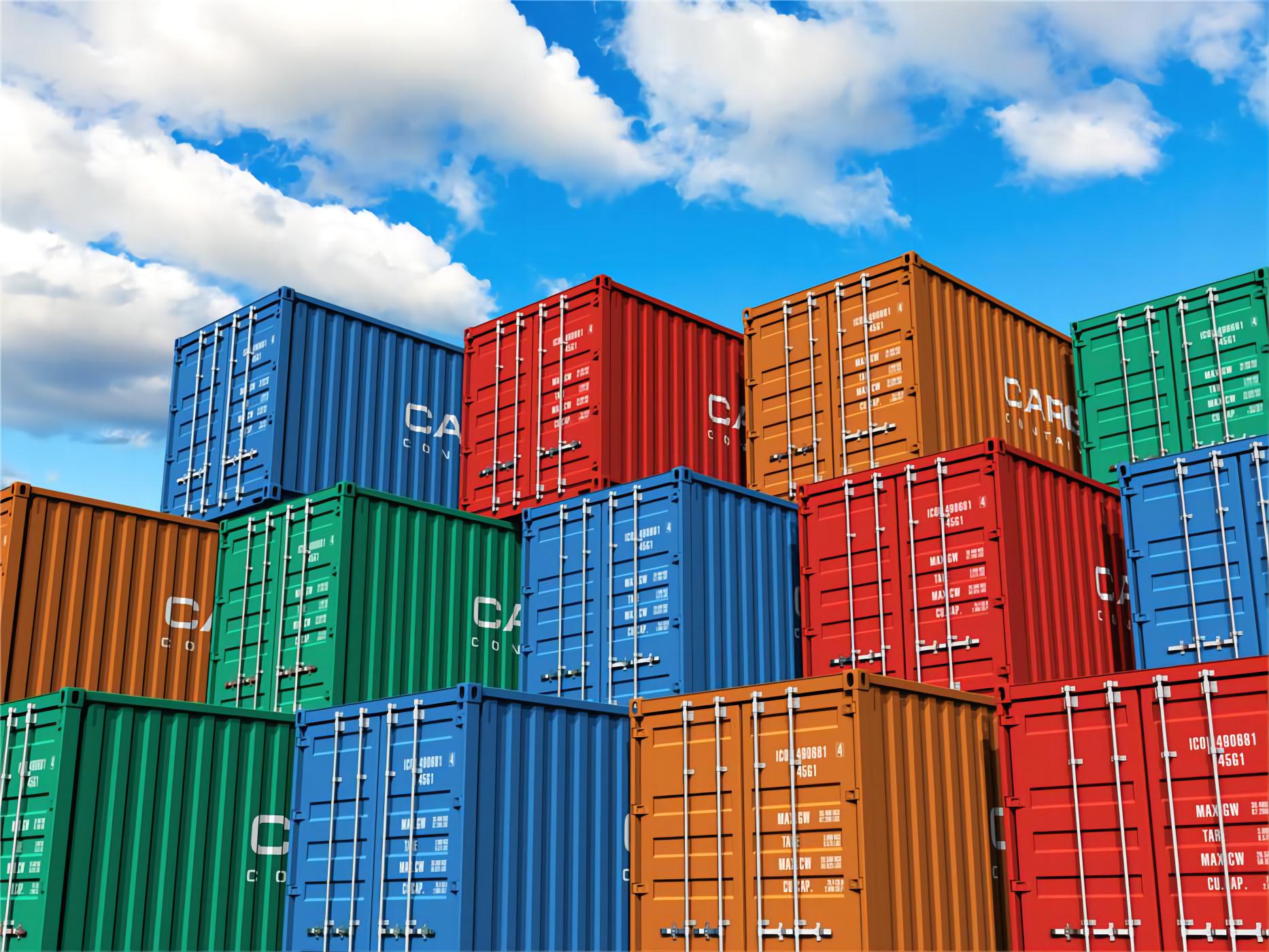
Full Container Load (FCL) shipping, particularly using a 40HQ (40-foot High Cube) container, is often the most economical choice for large volumes of auto parts. This method involves dedicating an entire container to your cargo, ensuring security and direct transit. Consequently, it minimizes handling and potential damage during transit.
A 40HQ container offers significant capacity, typically around 76 CBM, making it ideal for bulk shipments of vehicle components. This includes everything from engine blocks and body panels to smaller accessories. Furthermore, utilizing FCL shipping streamlines the logistics process from origin to destination.
Key Factors Influencing 40HQ FCL Shipping Costs
Determining the exact 40HQ FCL shipping cost for auto parts from China to Ireland involves several variables. These factors collectively contribute to the final freight rates. Understanding each component is essential for accurate budgeting and strategic planning.
Ocean freight rates fluctuate based on global supply and demand, fuel surcharges, and carrier capacity. Moreover, peak seasons, such as before major holidays or during Q3-Q4, often see increased rates. Origin charges in China cover services like terminal handling, documentation, and customs declaration. Similarly, destination charges in Ireland include port fees, chassis usage, and local handling.

Customs duties and Value Added Tax (VAT) are significant costs for importing auto parts into Ireland. These are calculated based on the Harmonized System (HS) code of your specific products and their declared value. Therefore, accurate classification is vital to avoid delays and unexpected expenses. Furthermore, the chosen Incoterms (e.g., FOB, CIF, DDP) dictate which party is responsible for various costs and risks.
| Cost Component | Description | Impact on Total Cost |
|---|---|---|
| Ocean Freight | Base cost for sea transport. | Major variable, fluctuates widely. |
| Surcharges | BAF, CAF, PSS, etc. | Can add 10-30% to ocean freight. |
| Origin Charges | THC, Documentation, Customs Clearance (China). | Fixed per container, few hundred USD. |
| Destination Charges | DDC, THC, Port Security (Ireland). | Fixed per container, few hundred EUR. |
| Customs Duties & VAT | Taxes levied by Irish customs. | Significant, based on cargo value and HS code. |
| Inland Transportation | From factory to port (China) & port to warehouse (Ireland). | Varies by distance and fuel costs. |
How Does 40HQ FCL Compare to Other Shipping Options?
When importing auto parts, evaluating alternative shipping methods against 40HQ FCL is crucial. Each option presents different trade-offs in terms of speed, cost, and suitability for various cargo types. Consequently, choosing the right method depends on your specific business needs and urgency.
Less than Container Load (LCL) shipping, for instance, is viable for smaller volumes that don’t fill an entire 40HQ container. While seemingly cheaper per CBM for small shipments, LCL often incurs higher per-unit costs and longer transit times due to consolidation and deconsolidation processes. Therefore, for significant volumes of auto parts, FCL remains superior.
Air freight offers unparalleled speed, delivering goods in days rather than weeks. However, the cost is substantially higher, making it impractical for most bulk auto parts shipments. It is typically reserved for urgent, high-value, or time-critical components where delays are unacceptable. Consider air freight for expedited delivery.
For shipments to Ireland, rail freight is not a direct option from China, unlike to mainland Europe. Therefore, sea freight or a combination with road transport from European ports are the primary considerations. Understanding these distinctions helps optimize your supply chain logistics. Learn more about sea freight options.
| Shipping Method | Cost Range (40HQ Equivalent) | Transit Time (China-Ireland) | Best For | Limitations |
|---|---|---|---|---|
| 40HQ FCL Sea Freight | $3,000 – $4,500 | 30-38 days | Large volume, cost-effective, non-urgent auto parts | Slower transit, port congestion risks |
| LCL Sea Freight | $80 – $150/CBM | 35-45 days | Smaller volumes (under 15 CBM), flexible inventory | Higher per-unit cost, more handling, longer transit |
| Air Freight | $15,000 – $25,000 | 5-7 days | Urgent, high-value, time-critical components | Extremely high cost, limited by cargo size/weight |
Typical Transit Times from China to Ireland
The transit time for a 40HQ FCL shipment of auto parts from China to Ireland typically ranges from 30 to 38 days. This duration primarily accounts for the sea voyage itself. However, total door-to-door delivery can extend to 45-55 days once origin handling, customs clearance, and inland transportation are factored in. This is a critical aspect of managing your delivery schedule.
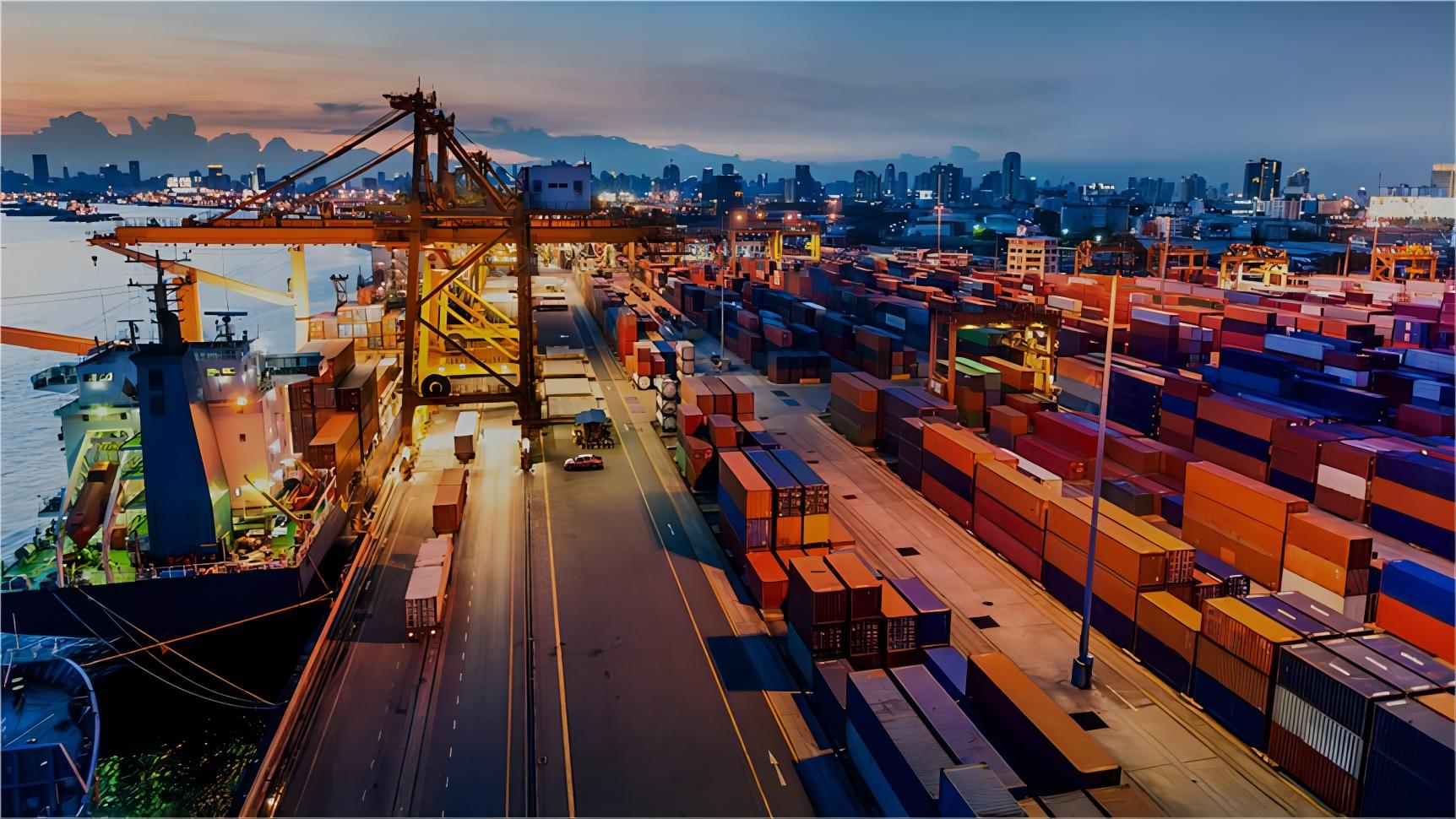
Major ports of loading in China include Shanghai, Ningbo, and Shenzhen. These ports offer direct services or transshipment routes through hubs like Rotterdam or Felixstowe. Consequently, direct services usually offer faster transit but may come at a slightly higher cost. Port congestion at either end can also add unforeseen delays. For example, peak season or unforeseen global events can impact vessel schedules.
Upon arrival in Ireland, shipments typically dock at Dublin Port or Cork Port. The subsequent customs clearance and onward delivery to your warehouse will add several more days. Therefore, planning with a buffer is always advisable for your supply chain. Understanding these timelines helps manage expectations for importing auto parts from China.
| Origin Port (China) | Destination Port (Ireland) | Estimated Sea Transit (Days) | Typical Carriers |
|---|---|---|---|
| Shanghai | Dublin | 32-38 | COSCO, MSC, Maersk |
| Ningbo | Dublin | 30-35 | Evergreen, CMA CGM |
| Shenzhen | Dublin | 30-36 | OOCL, Hapag-Lloyd |
| Qingdao | Dublin | 35-40 | PIL, Yang Ming |
| Xiamen | Dublin | 33-39 | ZIM, ONE |
Navigating Customs and Documentation for Auto Parts
Successfully importing auto parts into Ireland requires meticulous attention to customs procedures and documentation. Proper preparation prevents costly delays and penalties. Furthermore, incorrect paperwork is a common reason for shipments being held at port, impacting your delivery schedule.
Key documents include the commercial invoice, packing list, bill of lading (B/L), and potentially a certificate of origin. The commercial invoice must accurately detail the goods, value, and Incoterms. Similarly, the packing list provides a comprehensive overview of the container’s contents. The bill of lading acts as a contract of carriage and proof of ownership.
All auto parts must be correctly classified using Harmonized System (HS) codes. These codes determine the applicable import duties and VAT. Irish customs officials will scrutinize these details. Therefore, utilizing a professional customs brokerage service can significantly streamline this complex process. They ensure compliance and expedite clearance, which is crucial for sensitive cargo like vehicle components.
Cost-Saving Strategies for Your Auto Parts Shipments
Optimizing the 40HQ FCL shipping cost for auto parts from China to Ireland involves strategic planning and execution. Implementing effective cost-saving measures can significantly improve your bottom line. Consequently, a proactive approach to logistics management is key.
Firstly, maximize container utilization. Ensure your 40HQ container is packed efficiently to avoid shipping empty space. This reduces the per-unit cost of transportation. Secondly, negotiate freight rates with multiple forwarders. Rates can vary, so comparing quotes is essential to secure the best deal. This competitive approach can yield substantial savings.
Consider consolidating multiple smaller orders into a single FCL shipment if possible. This strategy is particularly effective for businesses with various auto part suppliers. Furthermore, choosing the right Incoterms, such as FOB (Free On Board), gives you more control over freight selection and pricing. Planning shipments during off-peak seasons can also result in lower rates. Lastly, leveraging shipping to Europe expertise helps in overall cost management.
Real-World Scenarios: 40HQ FCL Auto Parts Shipments
Exploring real-world examples helps illustrate the practical aspects and typical costs associated with shipping auto parts. These case studies highlight various factors influencing the total landed cost and transit times. They provide tangible insights into optimizing your import operations. All figures are based on Q1 2025 market rates and estimates.
Case Study 1: High-Volume Engine Components to Dublin
| Category | Detail |
|---|---|
| Route | Shanghai, China -> Dublin, Ireland |
| Cargo | Engine Blocks & Transmissions, 68 CBM, 22,000 kg |
| Container | 40HQ FCL |
| Shipping Details – Carrier/Service | Major carrier (e.g., COSCO) |
| Shipping Details – Port of Loading | Shanghai |
| Shipping Details – Port of Discharge | Dublin |
| Shipping Details – Route Type | Direct |
| Cost Breakdown – Ocean Freight | $3,850 |
| Cost Breakdown – Origin Charges | $480 |
| Cost Breakdown – Destination Charges | $550 |
| Cost Breakdown – Customs & Duties (estimated) | $2,200 |
| Cost Breakdown – Total Landed Cost | $7,080 |
| Timeline – Booking to Loading | 5 days |
| Timeline – Sea Transit | 34 days |
| Timeline – Customs Clearance | 3 days |
| Timeline – Total Door-to-Door | 45 days |
| Key Insight | Direct service minimized transit, but high value cargo incurred significant duties. |

Case Study 2: Regular Shipments of Body Panels to Cork
| Category | Detail |
|---|---|
| Route | Ningbo, China -> Cork, Ireland |
| Cargo | Car Body Panels & Fenders, 72 CBM, 18,000 kg |
| Container | 40HQ FCL |
| Shipping Details – Carrier/Service | Major carrier (e.g., MSC) |
| Shipping Details – Port of Loading | Ningbo |
| Shipping Details – Port of Discharge | Cork |
| Shipping Details – Route Type | Transshipment via Rotterdam |
| Cost Breakdown – Ocean Freight | $3,500 |
| Cost Breakdown – Origin Charges | $450 |
| Cost Breakdown – Destination Charges | $600 |
| Cost Breakdown – Customs & Duties (estimated) | $1,800 |
| Cost Breakdown – Total Landed Cost | $6,350 |
| Timeline – Booking to Loading | 7 days |
| Timeline – Sea Transit | 38 days |
| Timeline – Customs Clearance | 4 days |
| Timeline – Total Door-to-Door | 52 days |
| Key Insight | Transshipment offered slightly lower ocean freight but added a few days to transit. Regular volumes allowed for better contract rates. |
Case Study 3: Mixed Auto Accessories to a Midlands Distributor
| Category | Detail |
|---|---|
| Route | Shenzhen, China -> Dublin, Ireland (Door-to-Door) |
| Cargo | Mixed Car Accessories (lights, mirrors, interior parts), 65 CBM, 15,000 kg |
| Container | 40HQ FCL |
| Shipping Details – Carrier/Service | Major carrier (e.g., Maersk) |
| Shipping Details – Port of Loading | Shenzhen |
| Shipping Details – Port of Discharge | Dublin |
| Shipping Details – Route Type | Direct |
| Cost Breakdown – Ocean Freight | $4,100 |
| Cost Breakdown – Origin Charges | $500 |
| Cost Breakdown – Destination Charges | $580 |
| Cost Breakdown – Customs & Duties (estimated) | $1,500 |
| Cost Breakdown – Inland Transport (Ireland) | $400 |
| Cost Breakdown – Total Landed Cost | $7,080 |
| Timeline – Booking to Loading | 6 days |
| Timeline – Sea Transit | 33 days |
| Timeline – Customs Clearance | 2 days |
| Timeline – Total Door-to-Door | 44 days |
| Key Insight | Choosing door-to-door service simplified logistics, despite a slightly higher upfront ocean freight rate. The diverse cargo required careful HS code management. |
Which Shipping Option Should You Choose?
Selecting the optimal shipping method for your auto parts from China to Ireland depends on a clear understanding of your priorities. Consider your budget, urgency, and the nature of your cargo. Each factor plays a significant role in the decision-making process. Therefore, a careful assessment is essential.
If budget is your primary concern, and you are shipping large quantities of non-urgent auto parts, 40HQ FCL sea freight is undoubtedly the most cost-effective solution. It offers the best value per unit for bulk items. However, be prepared for longer transit times and plan your inventory accordingly.
For time-sensitive or high-value components where delays are unacceptable, air freight is the only viable option, despite its significantly higher cost. This method ensures rapid delivery, crucial for maintaining tight production schedules or responding to urgent market demands. Conversely, for smaller, consolidated auto parts, LCL might be considered, though FCL generally offers better security and speed for anything over 15 CBM.
Consider cargo type as well; fragile auto parts benefit from the reduced handling of FCL. Ultimately, partnering with an experienced freight forwarder can help you navigate these choices. They can provide tailored advice and competitive quotes for your specific 40HQ FCL shipping cost for auto parts from China to Ireland.
Conclusion: Streamlining Your Auto Parts Imports to Ireland
Successfully managing the 40HQ FCL shipping cost for auto parts from China to Ireland requires a strategic approach. It involves understanding various cost components, transit times, and customs regulations. By carefully evaluating FCL against other shipping methods and implementing cost-saving strategies, businesses can significantly optimize their import operations.
Market conditions, such as freight rates and port congestion, are dynamic. Therefore, staying informed and partnering with a reliable freight forwarder is paramount. This ensures your auto parts arrive efficiently and economically. Remember, accurate planning and expert guidance are key to a smooth and cost-effective supply chain.