

Sea Freight China Switzerland: Your Import Guide
Importing goods from China to Switzerland involves navigating a complex logistics landscape. Therefore, understanding the intricacies of sea freight is crucial for businesses aiming for cost-effective and efficient supply chains. This comprehensive guide provides essential insights into managing your shipments successfully. For more details on our services, visit Top China Forwarder.
Why Choose Sea Freight from China to Switzerland?
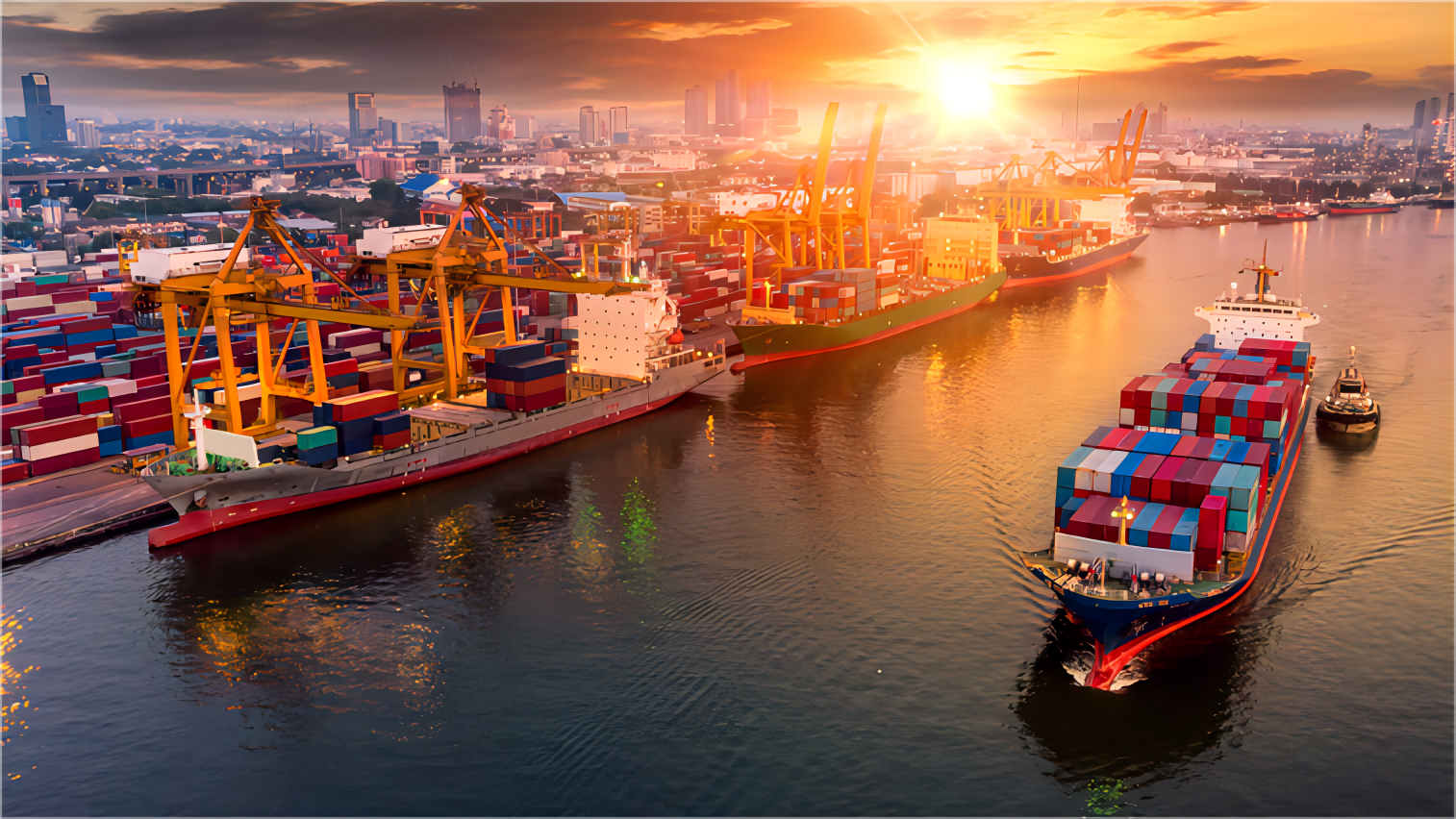
Sea freight remains a cornerstone of international trade, especially for shipments between China and Switzerland. Consequently, it offers unparalleled cost-effectiveness for large volumes and heavy goods. This method is particularly beneficial when budget is a primary concern over speed.
Furthermore, sea freight provides significant capacity, allowing for the transport of virtually any type of cargo. From raw materials to finished products, containers can accommodate diverse shipments. Moreover, it is generally considered the most environmentally friendly option for long-distance transportation.
Understanding the Sea Freight Process to Switzerland
Shipping goods by sea from China to Switzerland involves several key stages, each requiring careful planning and execution. Initially, cargo is loaded at a Chinese port, then transported by vessel to a major European gateway. Subsequently, it undergoes onward transit to its final destination in Switzerland.
This process typically includes booking space on a vessel, cargo consolidation (for LCL shipments), customs clearance at both origin and destination, and finally, inland transportation. Therefore, a clear understanding of each step is vital for a smooth operation. Our sea freight services simplify this complex journey.
Key Sea Freight Routes and Transit Times
Due to Switzerland’s landlocked geography, sea freight shipments from China first arrive at major European ports. Common entry points include Rotterdam (Netherlands), Antwerp (Belgium), and Hamburg (Germany). From these hubs, goods are then transported to Switzerland via rail or truck.
Typical port-to-port transit times from China to these European gateways range from 25 to 35 days. However, the total door-to-door transit time, including inland transport to cities like Basel or Zurich, can extend to 35-50 days. Factors such as weather conditions, port congestion, and customs delays can influence these timelines.
| Route (Port-to-Port) | Typical Sea Transit Time (Days) | Inland Transport to Switzerland (Days) | Total Door-to-Door (Estimated Days) |
|---|---|---|---|
| Shanghai/Ningbo to Rotterdam | 30-35 | 3-5 (Rail to Zurich) | 35-50 |
| Shenzhen to Hamburg | 35-40 | 2-4 (Truck to Basel) | 37-50 |
| Chinese Main Ports to Basel (via EU Hubs) | 25-32 | 1-4 | 26-36 (LCL) / 25-32 (FCL) |
Major Chinese Ports for Export
Several major Chinese ports serve as primary departure points for shipments bound for Europe. Shanghai, the world’s largest port by cargo tonnage, offers extensive routes and advanced logistics services. Shenzhen, specializing in electronics, and Guangzhou, with strong industrial connections, are also crucial hubs.
European Gateway Ports and Inland Connections
Once cargo reaches a European port like Rotterdam or Hamburg, it transitions to inland transport. Rotterdam boasts direct rail and road connections to Swiss cities, ensuring efficient cargo transfer. Hamburg, Germany’s largest port, also offers robust links to Switzerland via rail.
Switzerland’s main inland ports, such as Basel, act as critical logistics centers. Cargo often moves via barges up the Rhine River or by rail and truck from the major European seaports to reach these Swiss destinations.
Costs Associated with Sea Freight China to Switzerland
Shipping costs from China to Switzerland are influenced by various factors, including cargo volume, weight, and the chosen service type. Generally, sea freight is the most economical option for large shipments. However, it’s important to consider all components of the total landed cost.
For Full Container Load (FCL) shipments, a 20-foot container might range from $1,500 to $3,850, while a 40-foot container could be $2,800 to $5,850. Less-than-Container Load (LCL) costs are typically volume-based, around $30 to $60 per CBM, though some providers may quote $125/cbm.
Additional charges include origin charges (handling, documentation), destination charges, and customs duties and taxes in Switzerland. Therefore, getting a comprehensive quote is essential. Fuel surcharges and peak season rates can also impact the final price.
How Does Sea Freight Compare to Other Shipping Options?
When importing from China to Switzerland, businesses have several viable shipping methods, each with distinct advantages and trade-offs. Beyond sea freight, air freight, and rail freight are common alternatives. Each option balances cost, speed, and capacity differently.
Consequently, selecting the most appropriate method depends heavily on the urgency, value, and nature of the goods. Understanding these comparisons is crucial for optimizing your logistics strategy. For instance, air freight is significantly faster but much more expensive. Conversely, rail freight offers a middle ground.
| Shipping Method | Cost Range (Estimated) | Transit Time (Door-to-Door) | Best For | Limitations |
|---|---|---|---|---|
| Sea Freight (FCL) | $2,800-$5,850 (40ft) | 35-50 days | Large volumes, heavy goods, cost-sensitive | Slowest, longer lead times |
| Sea Freight (LCL) | $30-$125 per CBM | 35-50 days | Smaller volumes, non-urgent, cost-effective | Slower than FCL, potential for delays |
| Air Freight | $4-$8 per kg | 5-7 days | Urgent, high-value, perishable goods | Most expensive, limited capacity for heavy/bulky items. Learn more about air freight. |
| Rail Freight | $2,200-$3,200 per CBM (DDP) | 14-20 days | Mid-range urgency, heavier cargo than air, balances cost/speed | Limited routes, still slower than air. Consider rail freight for a balanced solution. |
| Express Shipping | $5-$15 per kg | 1-8 days | Very urgent, small parcels, samples | Highest cost per kg for small shipments. Explore express service. |
Optimizing Your Sea Freight Strategy
To maximize efficiency and minimize costs, several strategies can be employed when shipping via sea freight. Firstly, carefully evaluate whether Full Container Load (FCL) or Less-than-Container Load (LCL) is more suitable for your shipment size. LCL is ideal for smaller volumes, while FCL offers better unit costs for larger quantities.
Secondly, consider cargo consolidation if you have multiple smaller orders from different suppliers. This can significantly reduce shipping costs by combining them into one larger shipment. Furthermore, proper planning and booking in advance, especially outside peak seasons, can help secure better rates and avoid delays. Utilizing door-to-door services can also streamline the entire process.
FCL vs. LCL: Making the Right Choice
Deciding between FCL and LCL depends on your cargo volume. FCL shipments mean you lease an entire container, which is often more cost-effective for volumes exceeding 15 CBM. This also typically results in faster transit times as the container is not subject to consolidation or deconsolidation delays.
Conversely, LCL involves sharing container space with other shippers. This is ideal for smaller shipments that don’t fill a full container, allowing you to pay only for the space you use. While more affordable for small volumes, LCL shipments may experience slightly longer transit times due to extra handling.
Cost-Saving Strategies and Trade-offs
Several approaches can lead to cost savings. For example, opting for slower shipping routes or transshipment via intermediate ports can reduce ocean freight expenses, albeit at the cost of extended transit times. Additionally, negotiating favorable Incoterms with your supplier can impact who bears the shipping costs and risks.
Another strategy involves leveraging hybrid solutions, such as sea-rail combinations, for a balance of cost and speed. Moreover, maintaining strong communication with your freight forwarder is paramount to identifying and implementing the most cost-effective solutions for your specific needs.
Navigating Customs and Regulations in Switzerland
Importing into Switzerland requires strict adherence to customs regulations, despite its non-EU status. Proper documentation and accurate declarations are paramount to avoid delays and penalties. Swiss customs are known for their efficiency but also their rigor.
Crucially, all goods imported into Switzerland are subject to Value Added Tax (VAT), typically at 8.1%. This is generally levied on goods with a total value of CHF 150 or more. Additionally, customs duties may apply to certain goods like foodstuffs, alcohol, and tobacco. Therefore, comprehensive customs brokerage is essential.
Essential Documentation for Swiss Imports
To ensure smooth customs clearance, several key documents must be prepared accurately. These include a commercial invoice, a detailed packing list, and a bill of lading (for sea freight) or an air waybill (for air freight). A certificate of origin may also be required, especially to benefit from any trade agreements.
Furthermore, depending on the nature of the goods, additional licenses, permits, or certificates might be necessary. For instance, certain plants, animals, or specialized products have specific import requirements. Submitting these documents correctly and on time is critical for avoiding customs holds.
| Document | Purpose | Key Details |
|---|---|---|
| Commercial Invoice | Proof of sale, customs valuation | Seller/buyer details, HS code, product description, quantity, unit price, total value |
| Packing List | Details of package contents | Packaging type, weight, dimensions, number of cartons |
| Bill of Lading (B/L) | Contract of carriage, title to goods | Shipper, consignee, carrier, ports, cargo description, terms |
| Certificate of Origin (COO) | Proof of country of manufacture | Determines eligibility for preferential tariffs |
| Import License/Permit | Required for controlled goods | Specific to product type (e.g., certain chemicals, pharmaceuticals) |
Customs Clearance Process and Timelines
The customs clearance process involves declaring the goods to Swiss authorities. This declaration must be available when the goods enter the customs territory. Utilizing electronic systems like e-dec web allows declarations to be entered up to 30 days before importation.
Once declared and accepted, goods must be imported within 24 hours. Any inaccuracies or missing information can lead to significant delays, often ranging from 3 to 7 days. Therefore, working with an experienced freight forwarder is highly recommended to navigate these complexities.
Case Studies: Real-World Sea Freight Scenarios to Switzerland
Exploring practical examples helps illustrate the diverse applications and outcomes of sea freight from China to Switzerland. These scenarios highlight key considerations like cargo type, volume, and urgency. Consequently, they offer valuable insights into logistics planning.
Each case demonstrates how different shipping strategies can be applied to meet specific business needs. They also reflect typical market conditions and potential challenges. Furthermore, these examples underscore the importance of choosing the right shipping partner.
Case Study 1: Large Volume, Cost-Sensitive Consumer Goods
This case exemplifies how sea freight effectively supports businesses with substantial, non-urgent inventory requirements. The focus was on minimizing unit costs for a high volume of goods. This strategy proved successful in maintaining competitive retail pricing.
| Detail | Description |
|---|---|
| Route | Shanghai, China — Basel, Switzerland |
| Cargo | 150 camping tents (consumer goods), 60 CBM, 8,000 kg |
| Container | 1 x 40HQ FCL |
| Shipping Details | Carrier/Service: Major carrier (e.g., COSCO), Port of Loading: Shanghai, Port of Discharge: Rotterdam (Netherlands), Route Type: Transshipment via Singapore, then rail to Basel |
| Cost Breakdown (Estimated – Q4 2024 rates) | Ocean Freight: $3,800, Origin Charges (THC, documentation): $450, Destination Charges (Rotterdam & Basel): $600, Customs & Duties (estimated): $1,200, Total Landed Cost: $6,050 |
| Timeline | Booking to Loading: 7 days, Sea Transit: 32 days (to Rotterdam), Customs Clearance: 3 days (in Switzerland), Inland Transport (Rotterdam to Basel): 4 days, Total Door-to-Door: 46 days |
| Key Insight | Cost-effectiveness was achieved by utilizing FCL sea freight and a rail connection from Rotterdam, despite a longer transit time. Rates were stable during this period, avoiding peak season surcharges. |
Case Study 2: Smaller Shipment, LCL for Specialized Components
This scenario illustrates the viability of LCL for businesses importing smaller batches of specialized items. The client prioritized a balance between cost and a manageable lead time. Careful consolidation was key to this shipment’s success.
| Detail | Description |
|---|---|
| Route | Ningbo, China — Zurich, Switzerland |
| Cargo | Precision machinery components, 8 CBM, 1,500 kg |
| Container | LCL 8 CBM |
| Shipping Details | Carrier/Service: Major carrier (e.g., Maersk), Port of Loading: Ningbo, Port of Discharge: Hamburg (Germany), Route Type: Direct vessel to Hamburg, then truck to Zurich |
| Cost Breakdown (Estimated – Q1 2025 rates) | Ocean Freight: $1,000 (8 CBM @ $125/CBM), Origin Charges: $200, Destination Charges (Hamburg & Zurich): $350, Customs & Duties (estimated): $400, Total Landed Cost: $1,950 |
| Timeline | Booking to Loading: 5 days, Sea Transit: 38 days (to Hamburg), Customs Clearance: 4 days (in Switzerland), Inland Transport (Hamburg to Zurich): 3 days, Total Door-to-Door: 50 days |
| Key Insight | LCL proved cost-efficient for a smaller, non-urgent shipment. Timely documentation prevented customs delays. This shipment experienced slightly higher rates due to early 2025 market fluctuations. |
Case Study 3: Time-Sensitive but Still Sea Freight (Hybrid Approach)
This case demonstrates a hybrid approach for goods that require faster delivery than standard sea freight but are too large or costly for air freight. Combining sea and rail offers a strategic compromise. This method reduced overall transit time significantly compared to pure sea-road transport.
| Detail | Description |
|---|---|
| Route | Shenzhen, China — Geneva, Switzerland |
| Cargo | Electronics accessories, 20 CBM, 5,000 kg |
| Container | 1 x 20GP FCL (partially filled) |
| Shipping Details | Carrier/Service: Major carrier (e.g., MSC), Port of Loading: Shenzhen, Port of Discharge: Antwerp (Belgium), Route Type: Sea to Antwerp, then express rail to Geneva |
| Cost Breakdown (Estimated – Q3 2025 rates) | Ocean Freight: $2,500, Origin Charges: $400, Destination Charges (Antwerp & Geneva): $550, Customs & Duties (estimated): $800, Total Landed Cost: $4,250 |
| Timeline | Booking to Loading: 6 days, Sea Transit: 30 days (to Antwerp), Customs Clearance: 2 days (in Switzerland), Inland Transport (Antwerp to Geneva by rail): 5 days, Total Door-to-Door: 43 days |
| Key Insight | A sea-rail hybrid solution offered a faster lead time than conventional sea freight, balancing cost and speed effectively. Q3 2025 rates were competitive, supporting this strategic choice. |
Which Option Should You Choose?
Selecting the optimal shipping method from China to Switzerland depends on several critical factors. Therefore, a clear decision framework can guide your choice. Consider your priorities carefully before making a commitment.
Ultimately, the best shipping solution aligns with your business’s specific requirements and financial constraints. Furthermore, market conditions and seasonal variations can also influence the most suitable option at any given time. Partnering with a knowledgeable freight forwarder is always advisable.
Decision Framework
**Budget Priority:** If minimizing shipping costs is your top concern, especially for large volumes, sea freight (FCL) is generally the most economical choice. For smaller, non-urgent shipments, LCL sea freight offers a cost-effective solution.
**Speed Priority:** When time is of the essence, air freight is the fastest option, delivering goods in 5-7 days. Express services provide even quicker delivery for small, urgent parcels.
**Cargo Type Considerations:** For bulky, heavy, or non-perishable goods, sea freight is ideal. High-value, fragile, or perishable items often benefit from the speed and specialized handling of air freight. Rail freight is suitable for goods that are too heavy for air but need to arrive faster than sea.
**Volume Thresholds:** For shipments exceeding approximately 15 CBM, FCL sea freight usually becomes more cost-effective than LCL. Below this threshold, LCL is often preferred. Similarly, air freight becomes disproportionately expensive for very large volumes.
Partnering with a Reliable Freight Forwarder
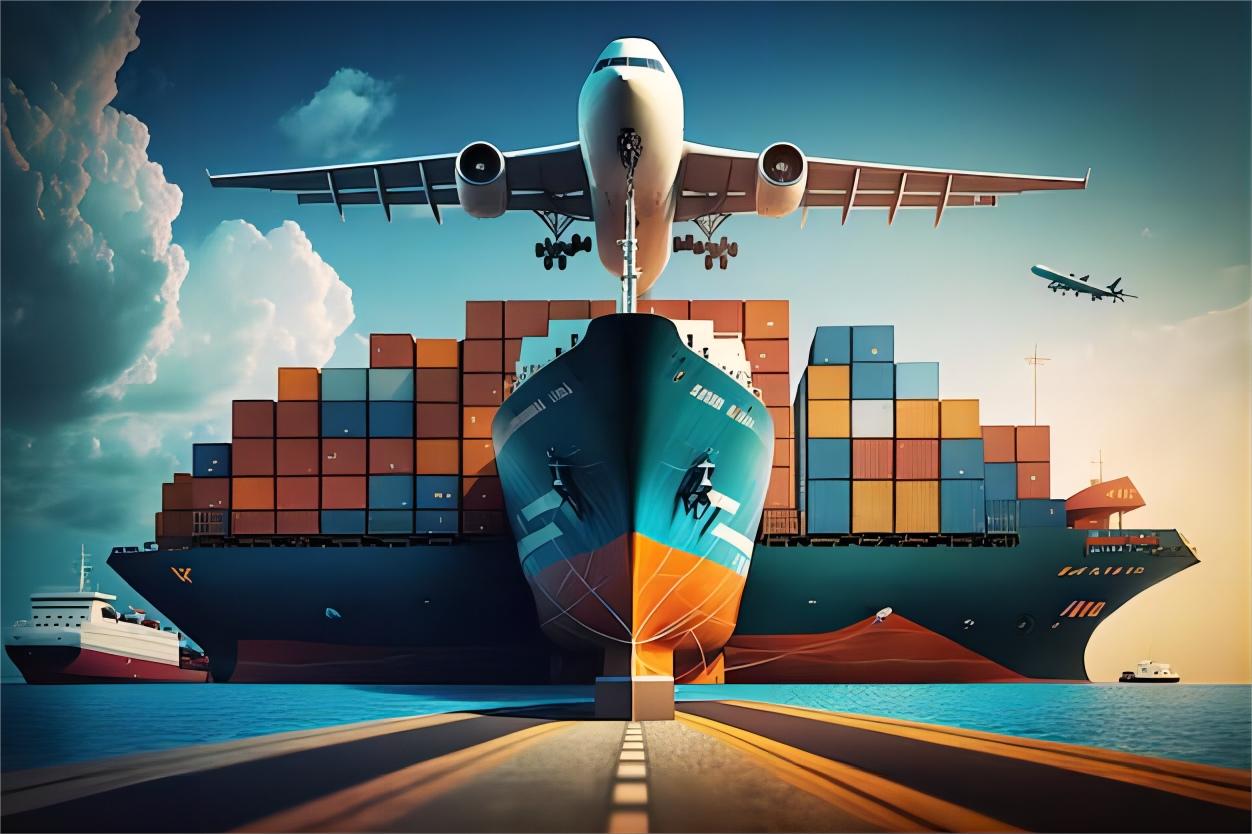
Navigating the complexities of international shipping, particularly for ‘seefracht china schweiz’, can be challenging without expert assistance. A professional freight forwarder acts as a crucial intermediary, managing all aspects of your shipment. This partnership ensures a streamlined and efficient process.
A reliable forwarder offers invaluable services, including route optimization, customs clearance, and cargo tracking. They possess the expertise to handle documentation, negotiate rates, and mitigate potential delays. Ultimately, this allows you to focus on your core business operations while your goods are in safe hands. Learn more about our comprehensive services at Top China Forwarder.
Seamless Sea Freight China Switzerland: Your Gateway to Success
In summary, successful ‘seefracht china schweiz’ hinges on a thorough understanding of shipping methods, costs, transit times, and customs regulations. While sea freight offers significant cost advantages for large volumes, a balanced approach often involves considering rail and air options for specific needs. Furthermore, market conditions and global events necessitate flexible logistics strategies.
By carefully planning, selecting the appropriate shipping method, and partnering with an experienced freight forwarder, businesses can navigate the complexities of importing from China to Switzerland with confidence. This ensures timely delivery and optimized supply chain efficiency. Therefore, continuous evaluation of your shipping strategy is key to long-term success.
Ready to streamline your logistics?
Ready to optimize your supply chain and ensure smooth sea freight from China to Switzerland? Contact us today for a personalized quote and expert guidance. Our team is prepared to offer tailored logistics solutions that meet your specific requirements.
Request Quote