

Shipping toys from China to Poland requires stable 40HQ FCL space allocation, predictable schedules, and strong control over transit time. Because seasonal demand in Europe rises sharply before Q3 and Q4, many importers face challenges finding consistent space. However, businesses working with experienced freight partners such as Top China Forwarder often secure earlier loading windows, smoother schedules, and more reliable carrier allocation. This guide explains how to maintain uninterrupted 40HQ FCL space availability for toys from China to Poland, avoid peak-season delays, and improve your supply chain flow.

Why Is 40HQ FCL Space for Toys Important for China–Poland Trade?
Toy importers rely on consistent container space because many toy categories—plush toys, plastic toys, STEM kits, board games, and licensed products—ship in high volume. Moreover, European retailers often require fixed delivery windows ahead of seasonal sales, meaning any disruption at Chinese ports may affect production launches or market placement.
Additionally, 40HQ FCL containers offer high cubic capacity, making them ideal for bulky but lightweight toy shipments. Therefore, securing 40HQ space early enhances cost efficiency, reduces freight volatility, and ensures retailers maintain inventory buffers.
What Routes Are Most Common for 40HQ FCL From China to Poland?
Although many routes exist, importers typically use three major corridors. Furthermore, each offers different transit times and customs experiences.
Main Shipping Routes
| Route | Transit Time | Advantages | Notes |
|---|---|---|---|
| China → Gdańsk | 32–37 days | Direct access to Poland | Popular for toys during peak season |
| China → Hamburg → Poland | 30–35 days | Strong inland rail links | Reliable year-round |
| China → Rotterdam → Poland | 32–40 days | High-frequency sailings | Good for flexible deadlines |
Because Poland sits at a strategic European logistics node, inland rail and trucking allow toys to reach Warsaw, Poznań, and Wrocław quickly after ocean discharge.
How Long Does 40HQ FCL Shipping Take From China to Poland?
Transit time depends on route choice, carrier capacity, and seasonal congestion. Nevertheless, toy shipments consistently fall within predictable ranges.
Estimated Lead Time Table
| Port of Loading | European Gateway | Transit Time |
|---|---|---|
| Shanghai | Gdańsk | 33–37 days |
| Ningbo | Hamburg | 30–34 days |
| Yantian | Rotterdam | 32–38 days |
| Qingdao | Gdańsk | 34–41 days |
Because demand spikes ahead of European holiday seasons, importers often build transit buffers of 5–7 days.
What Affects 40HQ FCL Space Availability for Toys?
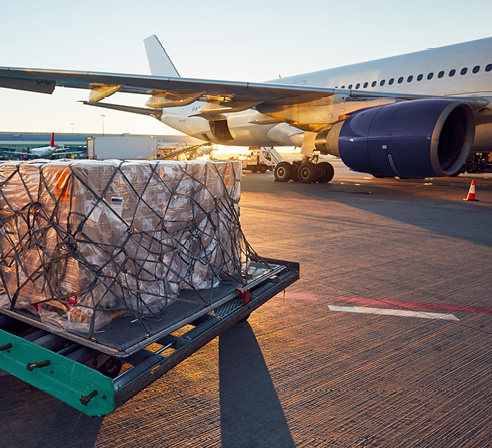
Several variables influence container availability, especially during high-demand periods. Additionally, geopolitical conditions and carrier allocation strategies shape the market.
Key Factors
- Strong toy demand before Q4 retail season
- Carriers reallocating equipment to higher-yield routes
- Blank sailings reducing weekly vessel capacity
- Port congestion at Shanghai, Ningbo, Yantian, and Qingdao
- Limited reefer/dry slot ratios shifting equipment flow
- Increased EU customs inspections during peak months
Therefore, importers must combine early booking, flexible ports, and multimodal options to secure reliable 40HQ space.
How to Secure Stable 40HQ FCL Space Availability for Toys
A consistent strategy helps toy importers avoid delays. Moreover, combining multiple tactics improves reliability.
1. Book 2–3 Weeks Earlier Than Usual
Early booking increases access to carrier allocation before capacity tightens. Because toy shipments surge before major European holidays, peak weeks often fill quickly. Securing equipment earlier helps maintain delivery schedules and reduces rate volatility.
2. Use Multiple Ports of Loading
Because different ports experience congestion at different times, multi-port planning expands your options.
Recommended loading ports:
- Shanghai
- Ningbo
- Yantian
- Qingdao
- Xiamen
Diversifying ports prevents bottlenecks if one terminal has equipment shortages or long queues.
3. Consider Multimodal Backup Options
Although ocean freight remains the primary mode for toy shipments, multimodal routing helps maintain deadlines during peak congestion.
Useful alternatives:
- Combine sea freight with inland rail for faster European distribution
- Shift urgent toy SKUs using air freight
- Use China–Europe block trains for medium-urgency toys via rail freight
Because many toy SKUs are light but bulky, air shipments work best for small, urgent replenishment batches.
4. Strengthen Customs Documentation to Avoid Delays
Toy shipments must comply with EU product safety standards, including EN 71 testing for many SKUs. Although customs procedures are stable, incorrect documentation may delay container release.
Required documents typically include:
| Document | Purpose |
|---|---|
| Commercial Invoice | Customs valuation |
| Packing List | Cargo verification |
| Bill of Lading | Proof of carriage |
| HS Code Declaration | EU duty classification |
| CE Certificates | Compliance verification |
When necessary, importers use specialized customs brokerage support to simplify EU entry, especially for mixed toy SKU shipments.
5. Maintain Accurate Delivery Forecasting
Because toys often follow strict retail cycles, forecasting helps prevent shortages and overstocking. Additionally, synchronizing factory output with shipping capacity keeps production lines running smoothly.
Key factors include:
- Weekly production volumes
- Container stuffing plans
- Port cutoff times
- Inland delivery expectations
Retailers benefit when suppliers maintain visibility across all manufacturing and logistics stages.
6. Use Door-to-Door Coordination for Speed and Accuracy
Door-to-door service reduces cargo handling and ensures toys move smoothly from factory to Polish warehouse. Integrated coordination through door-to-door service simplifies scheduling, improves shipment visibility, and prevents handover errors.
7. Monitor Market Trends to Anticipate Space Pressure
Because toy demand rises in predictable cycles, monitoring global logistics trends helps importers adjust earlier.
Typical indicators include:
- Rising freight rates on Asia–Europe lanes
- Port congestion indexes
- Carrier schedule updates
- EU customs data trends
Aligning toy shipment plans with market signals increases space availability stability.
How Shipping Method Choice Impacts Space Availability
Although 40HQ FCL is the main choice for toy shipments, identifying the right mode for each SKU category strengthens stability. Additionally, using faster or more flexible alternatives during pressure periods prevents delays.
Shipping Method Comparison
| Mode | Cost Level | Transit Speed | Best For | Strength | Limitation |
|---|---|---|---|---|---|
| 40HQ FCL | Medium | 30–40 days | Mid/high-volume toys | Most cost-efficient | Space constraints in peak season |
| Rail Freight | Medium–High | 15–22 days | Higher-value toy batches | Fast & predictable | Capacity limited |
| Air Freight | High | 1–4 days | Urgent launches | Fastest | Expensive |
| Express Service | Very High | 3–7 days | Small toy samples | Great for speed | Not suitable for bulk |
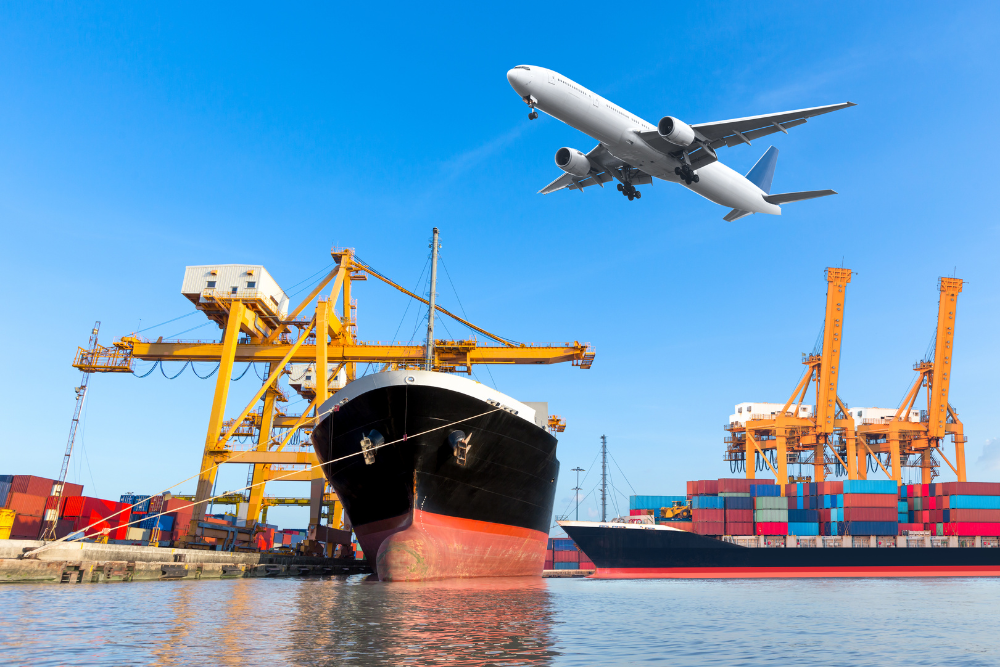
Because many toy importers run mixed SKU portfolios, they often combine express service for samples, rail for urgent pallets, and 40HQ FCL for major shipments.
Real Case Studies
- Origin: Ningbo
- Destination: Gdańsk → Warsaw
- Cargo Type: 72 CBM plush toys
- Mode: 40HQ FCL
- Freight Cost: USD 3,120
- Transit Time: 34 days
Result: By pre-booking 3 weeks early and shifting from Shanghai to Ningbo, the importer secured space despite pre-holiday congestion.
- Origin: Yantian
- Destination: Hamburg → Poznań
- Cargo Type: 40HQ mixed SKU toys
- Mode: 40HQ FCL
- Freight Cost: USD 2,940
- Transit Time: 31 days
Result: Multimodal routing reduced transit risk, and inland rail delivered cargo 4 days faster than standard trucking.
- Origin: Shanghai
- Destination: Wrocław
- Cargo Type: Toy electronics
- Mode: Air + FCL hybrid
- Freight Cost: USD 4,680 (combined)
- Transit Time: 4 days (air) + 33 days (FCL)
Result: High-priority toy chips arrived immediately for production, while bulk goods followed in one consolidated 40HQ container.
How to Prevent Delays in 40HQ FCL Toy Shipments
Even when 40HQ space becomes limited, several preventive actions help avoid disruption. Moreover, consistency in planning always supports stronger delivery schedules.
Effective Delay-Prevention Strategies
- Plan volume forecasts 4–6 weeks early
- Use flexible routing with alternate ports
- Reserve containers before large retail cycles
- Ensure factories follow strict packaging deadlines
- Track EU inland arrival windows to avoid warehousing surcharges
Consistent internal coordination significantly improves shipment performance.
Conclusion
To maintain smooth toy distribution across Europe, importers must focus on route flexibility, early planning, and precise documentation control. Moreover, stable 40HQ FCL space availability for toys from China to Poland becomes much easier when supported by multimodal planning, strong forecasting, and coordinated inland logistics. Businesses that adopt these practices consistently experience fewer delays, more predictable delivery windows, and improved cost control. Working with a reliable logistics partner ensures every toy shipment moves according to schedule, even during heavy seasonal demand.
Need a quote?
Ready to get started? Contact us now to request a free shipping quote.
Frequently Asked Questions (FAQ)
How early should I book 40HQ FCL for toy shipments?
Booking 2–3 weeks ahead helps secure space, especially before major European retail seasons.
Can toy shipments use alternate routes into Poland?
Yes. Hamburg, Gdańsk, and Rotterdam all provide strong inland links to Polish distribution hubs.
Do toys require special customs documentation in the EU?
Some do, especially items needing CE or EN 71 certification, depending on toy category.
What should I do if 40HQ space becomes unavailable?
Use multi-port loading, rail freight backup, or air for urgent SKUs to avoid stockouts.
Is rail freight a good alternative for Poland?
Rail offers faster transit and works well for mid-value or urgent toy shipments.