

Table of Contents
Medical equipment importers frequently face strict delivery deadlines, sensitive cargo requirements, and tight regulatory expectations. Because these products often include large imaging devices, diagnostic machines, or modular hospital equipment, many shipments rely on 40HQ FCL transit time for medical equipment from China to California to balance cost and reliability. Moreover, working with a trusted logistics partner such as Top China Forwarder ensures predictable scheduling and compliance-ready documentation throughout the entire journey.

Why Does Medical Equipment Require 40HQ FCL Service Instead of Other Options?
Although various shipping methods exist, medical equipment often demands the spacious dimensions and stable layout of a 40HQ container. Because these machines typically include oversized modules, shock-sensitive surfaces, and complex wiring, they require extra cubic capacity and improved weight distribution. Furthermore, a dedicated 40HQ unit eliminates cargo mixing, reducing contamination risks and ensuring smoother customs inspection.
Additionally, U.S. import regulations encourage clean, well-documented shipments for healthcare-related cargo, making FCL service ideal for speed, safety, and tracking accuracy.
What Is the Typical 40HQ FCL Transit Time from China to California?
Transit time varies depending on port pairs, routing, and carrier schedules. However, most sailings follow Pacific routes with highly predictable lead times. The average 40HQ FCL transit time for medical equipment from China to California ranges between 14 and 20 days, though certain variables may extend the journey.
Estimated Transit Time Table
| China Port | California Port | Standard Transit | Peak Season | Notes |
|---|---|---|---|---|
| Shanghai | Los Angeles | 13–16 days | 15–19 days | Fastest and most reliable |
| Ningbo | Long Beach | 14–18 days | 17–20 days | Strong frequency |
| Shenzhen | Oakland | 15–20 days | 17–22 days | Slightly longer routing |
| Qingdao | Los Angeles | 16–21 days | 18–23 days | Weather affects schedules |
Furthermore, choosing a carrier with a fixed-day weekly service dramatically improves reliability during medical equipment deliveries.
What Factors Affect Transit Time for Medical Equipment Imports?
Transit times depend on several operational variables. Additionally, each factor can either shorten or delay schedules:
- Port congestion in Shanghai, Ningbo, or Shenzhen
- Customs inspection requirements for medical devices
- FDA-linked documentation reviews
- Vessel rotations and slow steaming
- Crane availability at California terminals
- Trucking appointment backlogs
Although delays can occur, strategic planning reduces risks significantly.
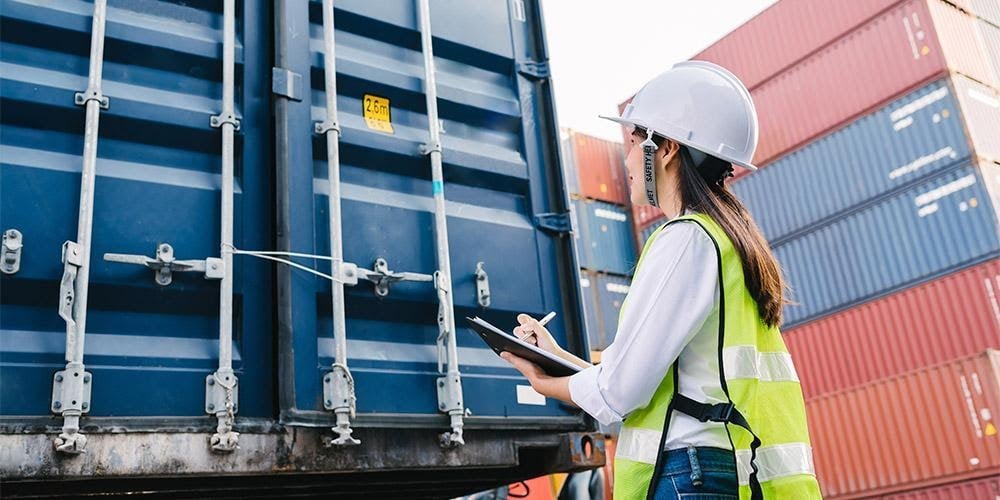
How Should Medical Equipment Be Packed Before Loading into a 40HQ Container?
Proper packaging improves both transit reliability and cargo safety. Moreover, medical devices often require sensitive handling.
Recommended packing guidelines include:
- Using vibration-absorbing pallets or shock-resistant platforms
- Applying waterproof and anti-static layers
- Filling internal voids with foam or air-shock bags
- Using metal frames or wooden cradles for large scanners
- Securing all components tightly to prevent movement
- Labeling load direction and fragile sections clearly
Additionally, fragile accessories such as sensors or monitors may ship faster via air freight to prevent customs delays.
How Does Customs Clearance Influence Total Delivery Time?
Even though transit time is fixed, clearance time varies greatly. Therefore, preparing complete documentation becomes essential, especially for FDA-regulated items.
Key Documentation for Medical Equipment Imports
| Document | Purpose | Common Errors |
|---|---|---|
| Commercial Invoice | Declares equipment value and specs | Missing model numbers |
| Packing List | Confirms dimensions & weight | Incorrect pallet details |
| HS Code Sheet | Classification | Misclassification of devices |
| FDA Compliance Docs | Regulatory certification | Missing 510(k) info |
| COO | Country of origin | Supplier stamp missing |
Moreover, using professional customs brokerage reduces clearance lead times and prevents costly delays.
How Does the Type of Medical Equipment Affect Transit Performance?
Different medical devices exhibit different handling requirements. Consequently, wrong categorization may lead to longer inspections:
| Equipment Type | Sensitivity | Transit Considerations |
|---|---|---|
| MRI Scanners | Highly sensitive | Requires cradle, climate stability |
| Ultrasound Units | Medium | Prefer upright loading |
| X-Ray Machines | Fragile | Extra shock protection |
| Lab Analyzers | Sensitive to movement | Dense packaging needed |
| Hospital Beds | Low | Bulky but easier to load |
Therefore, communicating exact cargo details to your freight forwarder ensures proper planning.
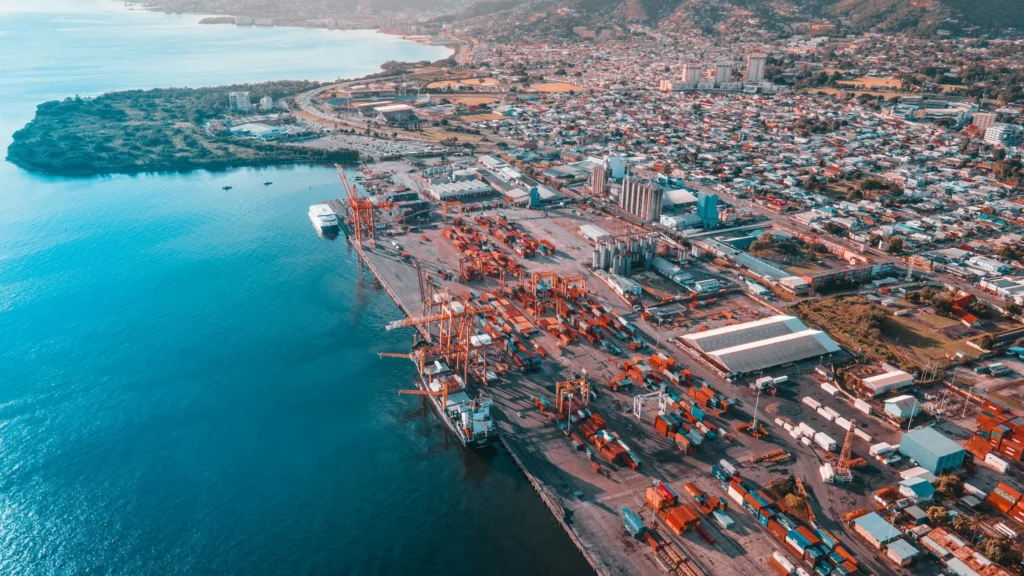
Real Case Studies: Medical Equipment Shipments to California
- Cargo: Diagnostic lab module
- Weight: 7.2 tons
- Mode: 40HQ FCL
- Transit Time: 15 days
- Outcome: Early documentation enabled release within 24 hours of arrival.
- Cargo: 32 ICU beds
- Weight: 8.1 tons
- Transit Time: 18 days
- Outcome: Door-to-door coordination reduced warehouse handover time by 35%.
- Cargo: 4 X-ray imaging units
- Weight: 9.3 tons
- Transit Time: 16 days
- Outcome: Proper shock-resistant packaging prevented inspection delays.
How to Reduce Delays When Shipping Medical Equipment to California?
Although transit time is fixed, operational delays are preventable when importers follow strict coordination practices:
- Book space 2–3 weeks early
- Submit documents before vessel departure
- Arrange destination trucking before cargo arrives
- Confirm equipment type for faster customs classification
- Use route visibility tools to track vessel accurately
- Maintain 24/7 communication with terminal operators
Additionally, integrated logistics solutions such as door-to-door provide seamless transitions between sea, terminal, and last-mile delivery.
Why Is California a Key Destination for Medical Equipment Imports?
Because California hosts major healthcare distribution hubs, medical research centers, and large hospital networks, import volumes remain consistently high. Furthermore:
- Los Angeles and Long Beach offer medical-grade cold storage
- Oakland supports advanced scanning and inspection facilities
- The state provides accelerated customs processing for healthcare goods
Additionally, shipping from China to USA remains one of the most stable and frequent trade routes, ensuring reliable arrivals.
How Does Top China Forwarder Improve Transit Time Reliability?
Top China Forwarder optimizes every stage of medical equipment shipping with:
- Predictable weekly carrier schedules
- Dedicated 40HQ space planning
- Specialized medical equipment loading supervision
- Real-time tracking dashboards
- FDA-compliant documentation handling
- Rapid solutions for port or route disruptions
Moreover, our operational teams ensure California deliveries remain smooth even during peak congestion seasons.

Conclusion
Efficient planning for 40HQ FCL transit time for medical equipment from China to California demands stable routing, accurate documentation, and precise handling procedures. Moreover, medical equipment’s sensitivity and regulatory requirements make professional coordination essential. With Top China Forwarder, shippers gain predictable schedules, optimized packing guidance, and FDA-compliant support—ensuring every shipment arrives safely, quickly, and without disruption.
Need a quote?
Ready to get started? Contact us now to request a free shipping quote.
Frequently Asked Questions (FAQ)
Do medical equipment shipments face longer inspections?
Yes. Sensitive devices may require additional paperwork, but early preparation prevents delays.
What is the fastest port for medical equipment entry in California?
Los Angeles typically provides the quickest turnaround because of its frequency and infrastructure.
How early should 40HQ space be booked?
Booking 2–3 weeks in advance ensures equipment availability and stable rates.
Are transit times reliable year-round?
Generally yes, though peak season or weather can add 1–3 days.
Is a 40HQ container better than 20GP for medical equipment?
40HQ offers more space and height, making it ideal for large hospital equipment.