

40HQ FCL Transit Time for Machinery from China to Florida
Shipping industrial machinery from China to Florida requires careful planning and a clear understanding of logistics. Determining the precise 40HQ FCL transit time for machinery from China to Florida is crucial for supply chain management. This comprehensive guide, brought to you by Top China Forwarder, will demystify the process and provide actionable insights.
What Factors Influence 40HQ FCL Transit Times from China to Florida?
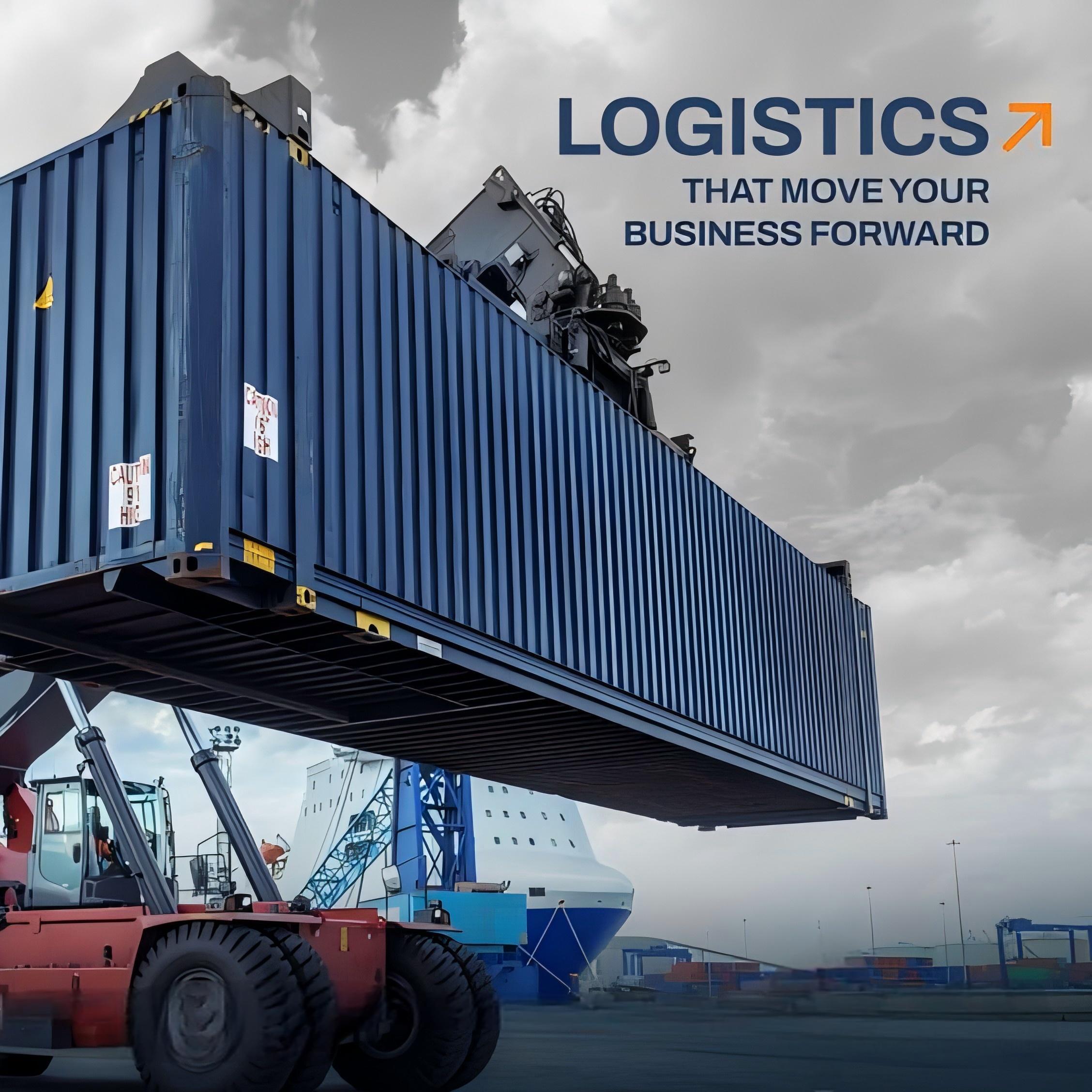
Several critical elements collectively shape the 40HQ FCL transit time for machinery from China to Florida. Understanding these variables helps in setting realistic expectations for delivery schedules. Factors range from port efficiency to unforeseen global events.
Crucially, the specific port of loading in China and the destination port in Florida play a significant role. Furthermore, the chosen shipping line, vessel speed, and directness of the route directly impact transit duration. Seasonal demand and weather conditions can also introduce delays.
Moreover, customs procedures at both origin and destination can add days to the overall timeline. Therefore, robust documentation and proactive customs customs brokerage are essential for smooth transit. Ultimately, a well-managed logistics plan accounts for these potential bottlenecks.

Typical 40HQ FCL Transit Times from Major Chinese Ports to Florida
Generally, the sea transit time for a 40HQ FCL shipment from China to Florida typically ranges from 30 to 45 days. This duration primarily covers the journey across the Pacific Ocean and through the Panama Canal. However, this is just the port-to-port estimate.
Additional time must be factored in for pre-shipment processes, transshipment points, and final inland delivery. Consequently, door-to-door delivery can extend the total timeline to 40-55 days. Consider these estimates when planning your import schedule.
For instance, shipments from Shanghai or Ningbo to Miami will generally fall within this range. Similarly, routes to Jacksonville or Port Everglades maintain comparable transit windows. Overall, careful scheduling is paramount for machinery imports.
| Origin Port (China) | Destination Port (Florida) | Estimated Sea Transit (Days) | Total Door-to-Door (Days) |
|---|---|---|---|
| Shanghai | Miami | 32-38 | 40-48 |
| Ningbo | Jacksonville | 35-42 | 43-52 |
| Shenzhen | Port Everglades | 30-36 | 38-46 |
| Qingdao | Tampa | 38-45 | 46-55 |
How Does Ocean Freight Compare to Other Shipping Options for Machinery?
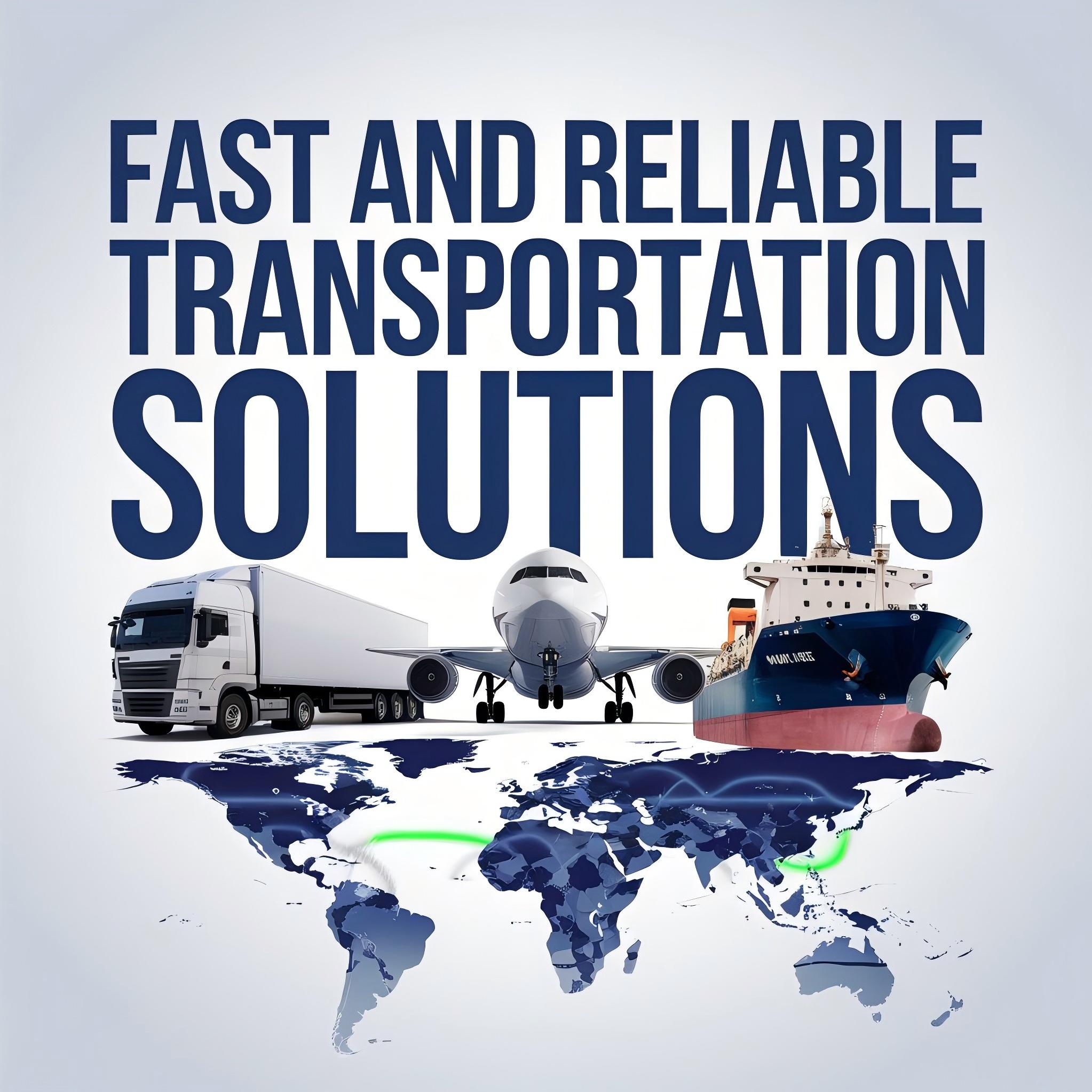
When importing machinery, various shipping methods offer distinct advantages and disadvantages regarding cost, speed, and capacity. Ocean freight, specifically 40HQ FCL, is often the default choice for large, heavy machinery. Nevertheless, other options exist for specific needs.
Evidently, air freight provides unparalleled speed but comes at a significantly higher cost. Conversely, for smaller, less urgent machinery components, express service might be a viable alternative. Therefore, selecting the right method depends on your priorities.
Additionally, hybrid solutions or less-than-container-load (LCL) options can also be considered. Ultimately, understanding these trade-offs is crucial for optimizing your logistics strategy. This comparison helps clarify which approach suits your machinery import best.
| Shipping Method | Cost Range (40HQ Equivalent) | Transit Time (China-Florida) | Best For | Limitations |
|---|---|---|---|---|
| Ocean Freight (FCL) | $4,500-6,500 | 30-45 days (port-to-port) | Heavy, bulky, non-urgent machinery | Slow, prone to port delays |
| Air Freight | $20,000-35,000+ | 5-10 days | Urgent, high-value, smaller machinery/parts | Very expensive, volume/weight restrictions |
| LCL (Sea Freight) | $80-150/CBM | 35-50 days (port-to-port) | Smaller machinery, less than 15 CBM | Longer transit, higher risk of damage, per CBM cost can be high |
Which Option Should You Choose?
Your decision hinges on several key factors, including budget, urgency, and cargo characteristics. Budget-conscious importers should prioritize FCL sea freight for cost efficiency. Speed-critical shipments, however, warrant air freight.
Moreover, if cargo volume is less than 15 CBM, LCL might offer better value than a full container. Conversely, for high-value, sensitive machinery, consider enhanced insurance and specialized handling. Ultimately, aligning the shipping method with your specific requirements ensures optimal outcomes.
Navigating Customs and Documentation for Machinery Imports to Florida
Importing machinery to Florida involves stringent customs regulations and extensive documentation. Proper preparation is essential to avoid delays and costly penalties. Therefore, understanding the requirements beforehand is critical for a smooth process.
Key documents include the commercial invoice, packing list, bill of lading, and potentially a power of attorney. Furthermore, machinery may require specific import permits or certificates of origin. Working with an experienced customs brokerage service is highly recommended to ensure compliance.
Specifically, Florida ports like Miami and Jacksonville have their own customs procedures. Consequently, any errors or omissions in paperwork can significantly impact the 40HQ FCL transit time for machinery from China to Florida. Hence, meticulous attention to detail is paramount.
Cost Considerations for Your Machinery Shipment from China to Florida
Beyond the base ocean freight, several other costs contribute to the total landed cost of importing machinery. These include origin charges, destination charges, customs duties, and inland transportation. Understanding these components helps in accurate budget planning.
Origin charges typically cover terminal handling, documentation, and local trucking in China. Conversely, destination charges in Florida involve port fees, drayage from port to warehouse, and customs clearance fees. Furthermore, tariffs on machinery can vary significantly.
Consider opting for door-to-door services for a consolidated and transparent cost structure. This approach simplifies logistics and often provides better overall value. Always request a detailed quote to avoid hidden expenses and ensure clarity on all charges.
Real-World Scenarios: 40HQ FCL Machinery Shipments to Florida
Examining actual case studies provides valuable context for understanding the complexities of international machinery shipping. These examples illustrate typical costs, transit times, and potential challenges. Each scenario highlights different aspects of the logistics process.
Based on Q1 2025 market rates, these cases offer realistic insights into shipping heavy equipment. They demonstrate how various factors influence the overall success of a shipment. Therefore, learning from these examples can help inform your own shipping decisions.
Case Study 1: CNC Machine from Shanghai to Miami
This shipment involved a crucial piece of manufacturing equipment destined for a Florida factory. Efficient coordination was vital to minimize downtime for the recipient. The client prioritized a balance between cost and a reliable transit schedule.
| Route | Shanghai, China -> Miami, Florida |
| Cargo | CNC Machining Center, 25 CBM, 8,500 kg |
| Container | 40HQ |
| Shipping Details | |
| – Carrier/Service | COSCO |
| – Port of Loading | Shanghai |
| – Port of Discharge | Miami |
| – Route Type | Direct via Panama Canal |
| Cost Breakdown | |
| – Ocean Freight | $4,800 |
| – Origin Charges (THC, documentation) | $650 |
| – Destination Charges | $900 |
| – Customs & Duties (estimated) | $1,200 |
| – Total Landed Cost | $7,550 |
| Timeline | |
| – Booking to Loading | 5 days |
| – Sea Transit | 35 days |
| – Customs Clearance | 3 days |
| – Total Door-to-Door | 43 days |
| Key Insight | Smooth customs clearance and direct routing minimized transit time. Proactive documentation prevented delays. |
Case Study 2: Agricultural Equipment from Qingdao to Jacksonville
This import involved large agricultural machinery needed for the upcoming planting season. The challenge was managing the shipment during a period of increased port congestion in both China and the USA. Timely booking was essential.
| Route | Qingdao, China -> Jacksonville, Florida |
| Cargo | Tractor Assembly Line Components, 28 CBM, 9,200 kg |
| Container | 40HQ |
| Shipping Details | |
| – Carrier/Service | Maersk |
| – Port of Loading | Qingdao |
| – Port of Discharge | Jacksonville |
| – Route Type | Transshipment via Manzanillo, Panama |
| Cost Breakdown | |
| – Ocean Freight | $5,200 |
| – Origin Charges (THC, documentation) | $700 |
| – Destination Charges | $950 |
| – Customs & Duties (estimated) | $1,500 |
| – Total Landed Cost | $8,350 |
| Timeline | |
| – Booking to Loading | 7 days |
| – Sea Transit | 42 days |
| – Customs Clearance | 4 days |
| – Total Door-to-Door | 53 days |
| Key Insight | Transshipment added a few days; however, carrier reliability ensured consistent delivery despite congestion. Early booking secured vessel space. |
Case Study 3: Packaging Machine from Shenzhen to Port Everglades
A Florida-based food manufacturer needed a new packaging machine to scale up production. The primary concern was minimizing lead time to meet production deadlines. A slightly higher freight cost was acceptable for faster, more predictable transit.
| Route | Shenzhen, China -> Port Everglades, Florida |
| Cargo | Automated Packaging Machine, 22 CBM, 7,000 kg |
| Container | 40HQ |
| Shipping Details | |
| – Carrier/Service | MSC |
| – Port of Loading | Shenzhen |
| – Port of Discharge | Port Everglades |
| – Route Type | Direct |
| Cost Breakdown | |
| – Ocean Freight | $4,950 |
| – Origin Charges (THC, documentation) | $600 |
| – Destination Charges | $850 |
| – Customs & Duties (estimated) | $1,100 |
| – Total Landed Cost | $7,500 |
| Timeline | |
| – Booking to Loading | 4 days |
| – Sea Transit | 33 days |
| – Customs Clearance | 2 days |
| – Total Door-to-Door | 39 days |
| Key Insight | Strategic port choice (Shenzhen to Port Everglades) and a direct route contributed to a faster-than-average transit time. This met the urgent production schedule. |
Optimizing Your Supply Chain for Efficient Machinery Import
Achieving an efficient supply chain for machinery imports from China to Florida involves proactive strategies. Planning well in advance and working with experienced partners are crucial steps. This proactive approach mitigates potential disruptions.
Consider consolidating multiple smaller shipments into a 40HQ FCL to maximize container utilization. Furthermore, establishing clear communication channels with your freight forwarder is vital for real-time updates. This transparency helps manage expectations.
Moreover, leveraging technology for tracking and inventory management enhances visibility throughout the shipping process. Additionally, explore options for warehouse storage near Florida ports to streamline distribution. Ultimately, a robust supply chain minimizes delays and reduces overall shipping costs.
Why Choose Top China Forwarder for Your China-Florida Machinery Shipments?
Selecting a reliable freight forwarder is paramount for successful machinery imports. Top China Forwarder offers extensive experience in handling complex FCL shipments from China to destinations like Florida. Our expertise ensures a smooth and efficient logistics process.
We provide end-to-end solutions, from factory pickup in China to final delivery in Florida. Our team navigates customs complexities, optimizes routes, and manages documentation efficiently. Consequently, you can focus on your business while we handle the intricacies of international shipping.
Furthermore, our commitment to transparent communication and competitive freight rates sets us apart. We understand the importance of your machinery arriving on time and within budget. Partner with us for dependable and professional freight services.
Final Thoughts on 40HQ FCL Transit Time for Machinery from China to Florida
Understanding the 40HQ FCL transit time for machinery from China to Florida involves many variables. From port selection and carrier reliability to customs procedures and seasonal demand, each factor plays a role. Effective planning and a knowledgeable logistics partner are indispensable.
By considering all these elements, businesses can forecast delivery schedules more accurately and manage their supply chains effectively. Partnering with an experienced freight forwarder like Top China Forwarder simplifies this complex process. We ensure your valuable machinery arrives safely and efficiently. Note: Freight rates are subject to change based on fuel costs, carrier capacity, and seasonal demand. Contact us for a current quote tailored to your specific shipment.
Need a tailored shipping solution?
Ready to streamline your machinery imports from China to Florida? Get a precise quote and expert guidance tailored to your specific 40HQ FCL transit time needs. Contact us today to discuss your next shipment and optimize your supply chain.