

40HQ FCL Transit Time for Auto Parts from China to Long Beach
Understanding the precise 40HQ FCL transit time for auto parts from China to Long Beach is crucial for any business importing automotive components. Delays can significantly impact production schedules and market availability. This guide explores key factors, provides realistic timelines, and offers strategies to optimize your supply chain. For comprehensive logistics solutions, visit Top China Forwarder.
What is the Typical 40HQ FCL Transit Time from China to Long Beach?
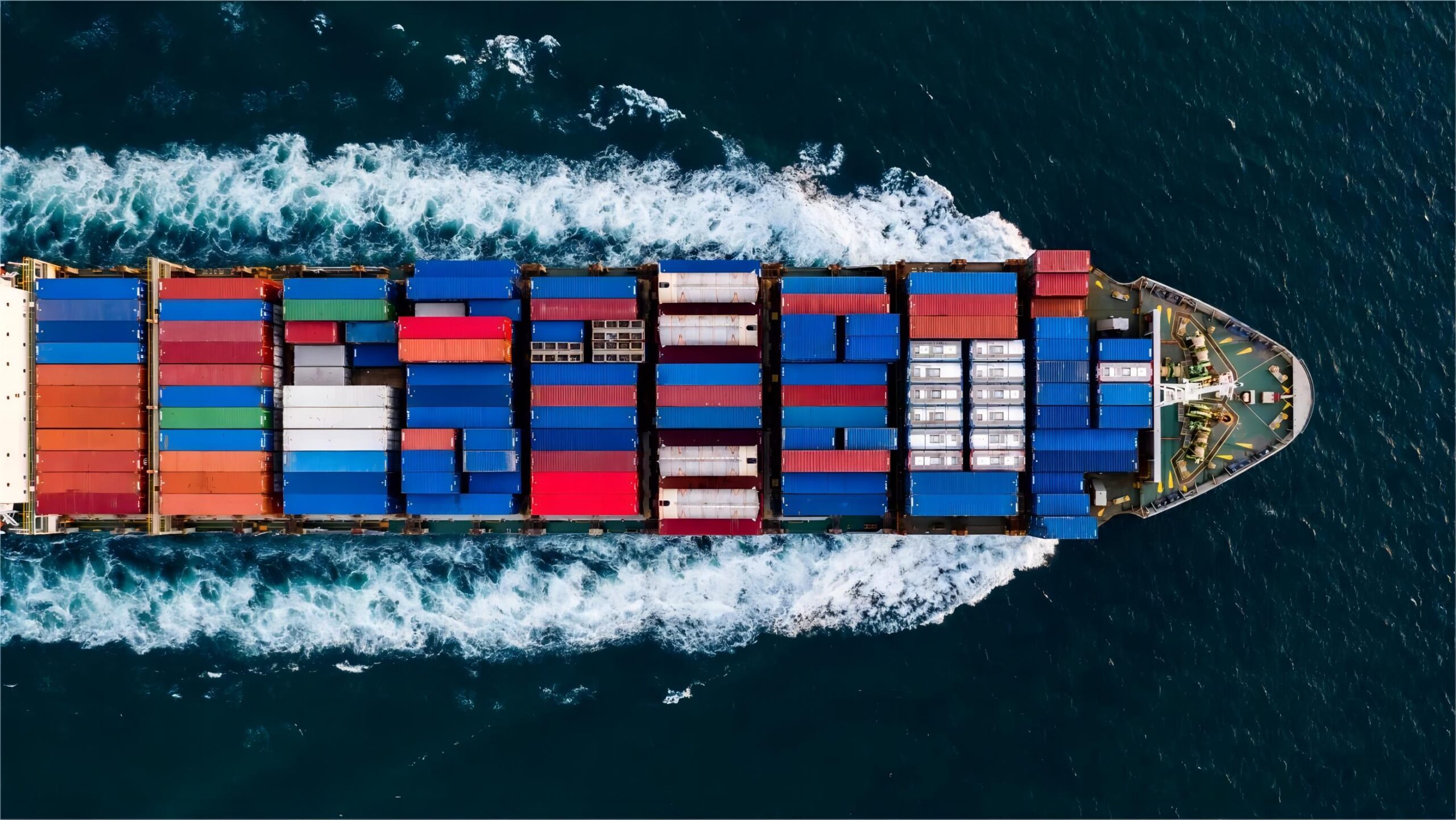
Typically, the 40HQ FCL transit time for auto parts from China to Long Beach ranges from 14 to 25 days. This duration primarily accounts for the ocean leg of the journey. However, several variables can influence this timeframe, including the specific port of origin in China and the chosen shipping line.
Furthermore, direct services are generally faster than routes involving transshipment points. Therefore, selecting a reliable carrier with direct routes is paramount for minimizing transit duration. Planning ahead can greatly mitigate potential delays in your logistics pipeline.
Indeed, this estimated sea transit time does not include crucial pre-shipment and post-arrival processes. Consequently, the total door-to-door delivery schedule will naturally extend beyond this ocean-only estimate. Always factor in these additional stages for a complete picture.

Key Factors Influencing 40HQ FCL Transit Time
Many elements contribute to the overall 40HQ FCL transit time for auto parts from China to Long Beach. Understanding these factors allows businesses to better plan their import operations and manage expectations. Each stage presents potential for either efficiency or delay.
Firstly, the specific port of loading in China plays a significant role. Major ports like Shanghai, Ningbo, and Shenzhen often have more frequent sailings and direct routes to Long Beach. In contrast, smaller ports might require feeder vessel services, adding extra days to the journey.
Secondly, the shipping line and chosen service level directly impact speed. Premium services often guarantee faster transit times and priority berthing. Conversely, standard services, while more economical, may experience longer waits at congested ports. Consider sea freight options carefully.
Moreover, port congestion at both origin and destination can introduce unpredictable delays. Long Beach, being a bustling port, occasionally faces backlogs, affecting vessel unloading and cargo processing. Seasonal peaks, such as before major holidays, exacerbate these issues.
Lastly, customs clearance procedures in both China and the USA are critical. Efficient documentation and compliance with import regulations expedite the process. Conversely, errors or incomplete paperwork can lead to significant hold-ups. Professional customs brokerage services are invaluable here.
Cost Structure for 40HQ FCL Auto Parts Shipping
Understanding the cost structure is as vital as knowing the 40HQ FCL transit time for auto parts from China to Long Beach. Freight rates are dynamic, influenced by fuel costs, carrier capacity, and global demand. Proper budgeting is essential for profitable import operations.
Generally, a 40HQ FCL shipment from China to Long Beach can range from $2,800 to $3,800 for ocean freight alone. This figure is based on typical rates as of early 2025, but it’s important to remember these are subject to change. Various surcharges are also added to the base rate.
Indeed, additional charges include BAF (Bunker Adjustment Factor), CAF (Currency Adjustment Factor), and port-related fees like Terminal Handling Charges (THC) at both ends. Furthermore, drayage from the port to your final warehouse in Long Beach will add to the total landed cost. Comprehensive door-to-door services can simplify this.
Finally, import duties and taxes levied by US Customs and Border Protection must be factored in. The Harmonized Tariff Schedule (HTS) code for your specific auto parts determines the applicable rates. Always verify these costs to avoid unexpected expenses.
Note: Freight rates are subject to change based on fuel costs, carrier capacity, and seasonal demand. Contact us for a current quote tailored to your specific shipment.
Case Studies: Real-World 40HQ FCL Shipments
Examining real-world scenarios provides practical insights into the 40HQ FCL transit time for auto parts from China to Long Beach. These examples highlight the variability in costs and timelines, underscoring the importance of detailed planning. Each case demonstrates different aspects of international logistics.
Case Study 1: Standard Auto Parts Shipment
This case involved a regular shipment of engine components, prioritizing cost-effectiveness over extreme speed. The client opted for a reputable carrier with a reliable, albeit not express, service. Efficient documentation minimized customs delays.
| Detail | Description |
|---|---|
| Route | Ningbo, China to Long Beach, USA |
| Cargo | Engine components, 60 CBM, 15,000 kg |
| Container | 40HQ |
| Shipping Details | Carrier: COSCO, Port of Loading: Ningbo, Port of Discharge: Long Beach, Route Type: Direct |
| Cost Breakdown (Estimated) | Ocean Freight: $3,500, Origin Charges: $450, Destination Charges: $550, Customs & Duties: $700, Total Landed Cost: $5,200 |
| Timeline | Booking to Loading: 5 days, Sea Transit: 18 days, Customs Clearance: 3 days, Total Door-to-Door: 26 days |
| Key Insight | Timely documentation and a direct service contributed to an efficient transit within expected parameters. Based on Q4 2024 market rates. |
Case Study 2: Expedited Auto Parts Delivery
Facing an urgent need for critical spare parts, this client chose a slightly more expensive, faster service. The focus was on minimizing the 40HQ FCL transit time for auto parts from China to Long Beach, even with a higher freight rate. Proactive communication was key.
| Detail | Description |
|---|---|
| Route | Shanghai, China to Long Beach, USA |
| Cargo | Specialized transmission parts, 55 CBM, 12,000 kg |
| Container | 40HQ |
| Shipping Details | Carrier: Maersk (Premium Service), Port of Loading: Shanghai, Port of Discharge: Long Beach, Route Type: Direct |
| Cost Breakdown (Estimated) | Ocean Freight: $4,100, Origin Charges: $500, Destination Charges: $600, Customs & Duties: $850, Total Landed Cost: $6,050 |
| Timeline | Booking to Loading: 3 days, Sea Transit: 16 days, Customs Clearance: 2 days, Total Door-to-Door: 21 days |
| Key Insight | Paying a premium for a faster service and quick customs pre-clearance significantly reduced overall transit time. Typical rates as of early 2025. |
Case Study 3: Large Volume Chassis Components
This shipment involved a substantial volume of chassis components, requiring careful coordination and a robust logistics plan. Despite the large size, consistent communication with the freight forwarder ensured smooth progress. The goal was cost-efficiency with reasonable speed.
| Detail | Description |
|---|---|
| Route | Shenzhen, China to Long Beach, USA |
| Cargo | Chassis components, 65 CBM, 18,000 kg |
| Container | 40HQ |
| Shipping Details | Carrier: MSC, Port of Loading: Shenzhen, Port of Discharge: Long Beach, Route Type: Direct |
| Cost Breakdown (Estimated) | Ocean Freight: $3,650, Origin Charges: $480, Destination Charges: $580, Customs & Duties: $750, Total Landed Cost: $5,460 |
| Timeline | Booking to Loading: 4 days, Sea Transit: 19 days, Customs Clearance: 3 days, Total Door-to-Door: 28 days |
| Key Insight | Effective communication with the freight forwarder helped navigate a slightly congested period, maintaining a predictable schedule. Based on Q1 2025 market rates. |
How Does FCL Compare to Other Shipping Options for Auto Parts?
When importing auto parts, understanding various shipping methods is crucial for optimizing your supply chain. Full Container Load (FCL) shipping, while common for a 40HQ, is not the only option. Comparing it against alternatives helps businesses make informed decisions.
Indeed, the choice depends heavily on cargo volume, urgency, and budget constraints. Each method offers distinct advantages and disadvantages that must be weighed carefully. Consider your specific needs before committing to a shipping solution.
| Shipping Method | Cost Range (40HQ Equivalent) | Transit Time (China to Long Beach) | Best For | Limitations |
|---|---|---|---|---|
| FCL Sea Freight | $2,800 – $3,800 | 14 – 25 days | Large volumes, cost-efficiency, non-urgent goods | Long transit times, port congestion risks |
| LCL Sea Freight | $50 – $80 per CBM | 20 – 35 days | Smaller shipments (under 15 CBM), cost-saving | Longer transit, more handling, potential delays |
| Air Freight | $15,000 – $25,000 | 3 – 7 days | Urgent, high-value, time-sensitive parts | Very high cost, volume/weight restrictions |
FCL vs. LCL (Less than Container Load)
FCL is ideal for larger shipments, offering dedicated container space and generally faster transit times once loaded. Conversely, LCL involves sharing container space with other shippers. This often means longer transit times due to consolidation and deconsolidation processes at both ends. For shipments under 15 CBM, LCL at $50-80/CBM may be more economical than a full container, though delivery takes longer.
Sea Freight vs. Air Freight
Sea freight, especially FCL, is the most cost-effective option for heavy and bulky auto parts. However, the 40HQ FCL transit time for auto parts from China to Long Beach is significantly longer than air freight. Air freight, while expensive, offers transit times of 3-7 days. For example, while sea freight costs $2,800-3,800 for a 40HQ, air freight for the same volume would cost $15,000-25,000 but arrives in 5-7 days instead of 14-25 days. Air freight is best for urgent, high-value, or time-sensitive components.
Moreover, shipping to North America often involves this critical decision point. Hybrid solutions, such as sea-air, can also be considered for a balance of speed and cost, though less common for automotive parts to Long Beach.
Decision Framework: Which Option Should You Choose?
When making your decision, consider your primary objectives. If budget is the priority and you have sufficient lead time, FCL sea freight is usually the best choice. This method provides excellent cost efficiency for large volumes of auto parts.
However, if speed is paramount for critical components or emergency stock, air freight becomes indispensable. The higher cost is justified by rapid delivery. For moderate volumes that aren’t time-critical, LCL could be a viable, cost-saving alternative to FCL, despite the extended transit time.
Ultimately, cargo type also matters. Fragile or high-value parts might benefit from the reduced handling of FCL, or the faster, more secure transit of air freight. Always assess your inventory needs and supply chain resilience.
Optimizing Your Auto Parts Supply Chain to Long Beach
Achieving an efficient 40HQ FCL transit time for auto parts from China to Long Beach requires a proactive approach. Supply chain optimization goes beyond just booking a container; it involves strategic planning and execution. Implementing best practices can lead to significant improvements.
Firstly, establishing strong relationships with reliable freight forwarders is essential. They can offer competitive rates, advise on optimal routes, and navigate complex customs regulations. A good partner provides transparency and proactive communication.
Secondly, accurate forecasting of demand helps avoid last-minute rush orders that incur higher costs and faster shipping methods. Planning your shipments well in advance allows for the use of more economical FCL sea freight options. This also helps manage inventory levels effectively.
Thirdly, meticulous documentation is non-negotiable. Errors in commercial invoices, packing lists, or bills of lading can cause severe delays at customs. Leveraging technology for document management and tracking provides real-time visibility and reduces administrative burdens. Consider rail freight for other routes, but for Long Beach, sea is primary.
Finally, staying informed about market conditions and logistics trends is crucial. Seasonal peaks, geopolitical events, and port labor disputes can all impact transit times and freight rates. Adaptability and contingency planning are vital for supply chain resilience. Even express service for small, critical parts might be necessary sometimes.
Market Trends and Future Outlook for China-US Shipping
The landscape for 40HQ FCL transit time for auto parts from China to Long Beach is constantly evolving. Staying abreast of market trends is vital for businesses to anticipate changes and adapt their logistics strategies. Global economic shifts and geopolitical factors play significant roles.
As of Q1 2025, freight rates from China to the USA West Coast have largely stabilized after the volatility experienced in 2023-2024. However, occasional spikes due to peak seasons or unforeseen disruptions, like port strikes, can still occur. Therefore, flexibility in planning is crucial.
Moreover, sustainability initiatives are increasingly impacting shipping practices. Carriers are investing in greener fuels and more efficient vessels, which might influence future transit times and costs. Shippers are also looking for partners with strong environmental commitments. Market data suggests a growing demand for eco-friendly logistics solutions.
Finally, technological advancements, such as AI-driven route optimization and blockchain for supply chain transparency, are set to further refine shipping processes. These innovations promise greater efficiency and predictability for the entire import/export cycle. Industry average for this route continues to benefit from these advancements.
Navigating 40HQ FCL Transit Time for Auto Parts from China to Long Beach
In conclusion, the 40HQ FCL transit time for auto parts from China to Long Beach is a complex interplay of ocean transit, port operations, and customs clearance. While typical sea transit ranges from 14 to 25 days, the total door-to-door journey can be longer.
By understanding the influencing factors, comparing shipping options, and implementing strategic optimization, businesses can achieve more predictable and efficient delivery schedules. Partnering with an experienced freight forwarder is key to navigating these complexities successfully. Effective planning ensures a robust and resilient supply chain for your automotive components.
Ready to streamline your logistics?
Ready to optimize your 40HQ FCL transit time for auto parts from China to Long Beach? Our expert team is here to provide tailored logistics solutions and competitive freight rates. Contact us today for a personalized quote and streamline your supply chain.
Request Quote