

Table of Contents
As solar adoption accelerates across the United Kingdom, importers increasingly depend on predictable logistics capacity for high-volume photovoltaic modules. Therefore, understanding 40HQ FCL space availability for solar panels from China to UK becomes essential for wholesalers, EPC contractors, project developers, and distributors. With guidance from experienced providers such as Top China Forwarder, shippers secure stable schedules, optimized loading density, and long-term supply reliability required by the renewable-energy sector.

Why Is 40HQ FCL Space Crucial for Solar Panel Shipments?
Although solar panels are relatively lightweight, their overall volume is high, making 40HQ containers the most efficient and cost-effective choice. Additionally, solar projects rely on precise installation dates, meaning any delay in shipping capacity can stall entire developments.
Therefore, 40HQ FCL space matters because:
- Solar panels require large loading volume
- Complete sets must arrive together to prevent project delays
- Panels need upright packaging and strong bracing
- Peak-season space shortages directly impact energy-project timelines
- UK warehouses prefer consolidated arrivals for batch-quality checks
Moreover, due to rising clean-energy demand, booking competition for 40HQ units increases each quarter.
What Factors Affect 40HQ FCL Space Availability for Solar Panels?
Although carriers provide weekly schedules, several shifting market forces determine whether space is secure or limited.
Main influences include:
- Seasonal demand from UK solar installers
- Manufacturing peaks in China
- Carrier blank sailings affecting weekly capacity
- Port congestion in Shanghai, Ningbo, Shenzhen, and Felixstowe
- Sudden bulk orders placed by utility-scale projects
- Equipment shortages in inland depots
Additionally, UK renewable-energy subsidies often trigger rapid procurement cycles, putting extra pressure on container space during specific months.
How Long Does a 40HQ FCL Shipment Take From China to the UK?
Transit times remain stable across major Asia–UK routes; however, solar cargo sometimes receives priority loading due to its low-risk and uniform packaging.
Estimated Transit Times for Solar Panels
| China Port | UK Port | Transit Time | Notes |
|---|---|---|---|
| Shanghai | Felixstowe | 28–33 days | Most consistent and preferred by solar distributors |
| Ningbo | Southampton | 30–35 days | Good for mixed solar + accessories |
| Shenzhen | London Gateway | 27–32 days | Faster connections with strong feeder services |
| Qingdao | Liverpool | 32–38 days | Popular for bulk shipments to Northern UK |
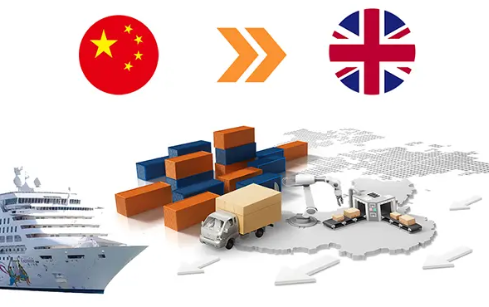
Furthermore, UK importers often choose flexible routing through Europe, supported by lanes similar to those described in the China–UK shipping channel.
How Does Loading Optimization Improve 40HQ Space Availability?
Because space is limited during peak shipping seasons, optimizing loading efficiency becomes critical. Moreover, solar panels must be secured with proper spacing and shock-absorption materials to prevent micro-cracks, which are difficult to detect on arrival.
Optimal Loading Techniques Include:
- Vertical stacking with reinforced corner protection
- 3D loading simulation for dense carton placement
- Dedicated bracing for frames and inverters
- Proper airflow channels to reduce condensation risk
- Lightweight accessories positioned above module packs
Additionally, optimized loading maximizes container utilization, allowing importers to secure fewer total containers and therefore maintain stable capacity.
Which Shipping Methods Compare to 40HQ FCL for Solar Panels?
Although FCL remains the preferred choice, alternative modes support urgent deliveries or smaller procurement cycles.
Comparison Table of Transport Options
| Mode | Cost | Speed | Best Use Case | Limitations |
|---|---|---|---|---|
| 40HQ FCL | Low | Medium | Bulk solar panels & inverters | Space shortages during peaks |
| 20GP FCL | Medium | Medium | Heavy batteries or mounting kits | Not suitable for high-volume panels |
| LCL | Medium | Low | Small test orders | Higher risk of handling damage |
| Air Freight | Very High | Very Fast | Emergency inverter replacements | Cost-prohibitive for PV modules |
| Rail Freight | Medium | Fast | Land-bridge to Europe | Limited capacity for oversized pallets |
Moreover, urgent inverter shipments often move via air freight, while large-scale panels continue in 40HQ containers.
What Challenges Reduce 40HQ FCL Space Availability During High Demand?
Because solar adoption in the UK experiences annual acceleration, peak periods tighten space availability significantly.
Key bottlenecks include:
- High volume of orders during warm months
- Utility-scale projects submitting bulk bookings
- Global panel shortages influencing purchasing cycles
- Sudden policy incentives increasing installer activity
- Carrier space prioritization for long-term contracted customers
Furthermore, during Q1 (pre-Chinese New Year), exporters face the heaviest competition for space.

Real Case Studies: 40HQ Solar Panel Shipments to the UK
- Cargo: 40HQ × 3 containers of PV modules
- Challenge: Peak-season space shortages
- Solution: Early booking and 3D loading simulation
- Transit Time: 31 days
- Outcome: 15% volume savings enabled additional capacity allocation
- Cargo: Full set of 500 kW rooftop modules
- Strategy: Mixed loading: panels + inverters + mounting kits
- Transit Time: 33 days
- Result: All components delivered in one batch to avoid construction delays
- Cargo: 40HQ × 6 for a 2 MW ground-mounted installation
- Action: Staggered booking with carrier priority contract
- Transit Time: 29–32 days
- Outcome: Zero rollovers despite peak congestion
How Can Importers Increase Reliability of 40HQ Space for Solar Panels?
Importers can significantly strengthen their booking success with proactive planning.
Effective Strategies Include:
- Booking 2–4 weeks ahead of departure
- Consolidating multiple suppliers into fewer containers
- Using alternative UK ports to reduce congestion
- Maintaining year-round predictable booking patterns
- Improving packaging density to meet carrier acceptance
- Working with forwarders who manage guaranteed allocations
Additionally, Top China Forwarder provides sea freight capacity planning, ensuring better space access through its contracted carrier networks.
What Documentation Supports Smooth Shipping for Solar Panels?
Accurate documentation ensures cargo passes Chinese and UK customs without delays, preventing missed sailings that would otherwise impact space availability.
Typical Solar Panel Documentation Requirements
| Document | Purpose |
|---|---|
| Commercial Invoice | Confirms value and product details |
| Packing List | Ensures proper pallet and carton counts |
| Bill of Lading | Confirms container-level shipment |
| HS Codes | Identifies solar modules and accessories |
| CE Certificates | Mandatory for UK compliance |
| Warranty Statements | Needed for EPC project validation |
| Certificate of Origin | Supports duty and VAT processes |
Moreover, professional clearance support through customs brokerage reduces risk of delays at Felixstowe, Southampton, or Liverpool.
Why Partner With Top China Forwarder for UK Solar Shipments?
Because renewable-energy supply chains demand precision, Top China Forwarder provides:
- Guaranteed 40HQ capacity planning
- Advanced loading optimization for solar modules
- Stable schedules via major carrier alliances
- Integrated multimodal routes including rail freight and express service
- Dedicated project-logistics support for EPC and utility developers
Furthermore, our direct experience in European renewable-energy logistics extends to other markets such as Germany, supported by solutions similar to the China–Germany shipping lane.

Conclusion
Understanding 40HQ FCL space availability for solar panels from China to UK enables importers to protect project timelines, manage procurement cycles, and ensure predictable module arrivals. Moreover, with early bookings, flexible routing, optimized loading, and reliable freight partners, companies improve both cost efficiency and shipment reliability. If your solar business depends on consistency, partnering with an experienced forwarder provides capacity stability and long-term performance across the China–UK corridor.
Need a quote?
Ready to get started? Contact us now to request a free shipping quote.
Frequently Asked Questions (FAQ)
Do solar panels always require 40HQ containers?
Not always, but most shipments benefit from the larger volume and higher loading efficiency.
How early should I book space for busy solar seasons?
Booking 2–4 weeks ahead significantly improves acceptance during peak demand.
Which UK ports are best for solar panel imports?
Felixstowe, Southampton, and London Gateway offer the strongest sailing frequency.
Do carriers prioritize solar shipments?
Often yes, because solar cargo is stable, uniform, and low-risk for handling.
Can rail freight support solar panel shipments into the UK?
Rail can support inland European legs, but final delivery still requires sea freight.