40HQ FCL Space Availability for Machinery from China to Miami
“Navigating the complexities of international shipping is crucial for businesses importing machinery. Specifically, finding reliable 40HQ FCL space availability for machinery from China to Miami can present unique challenges. This comprehensive guide will equip you with the knowledge to secure your cargo efficiently and cost-effectively through Top China Forwarder.”
Understanding 40HQ FCL for Machinery Shipments
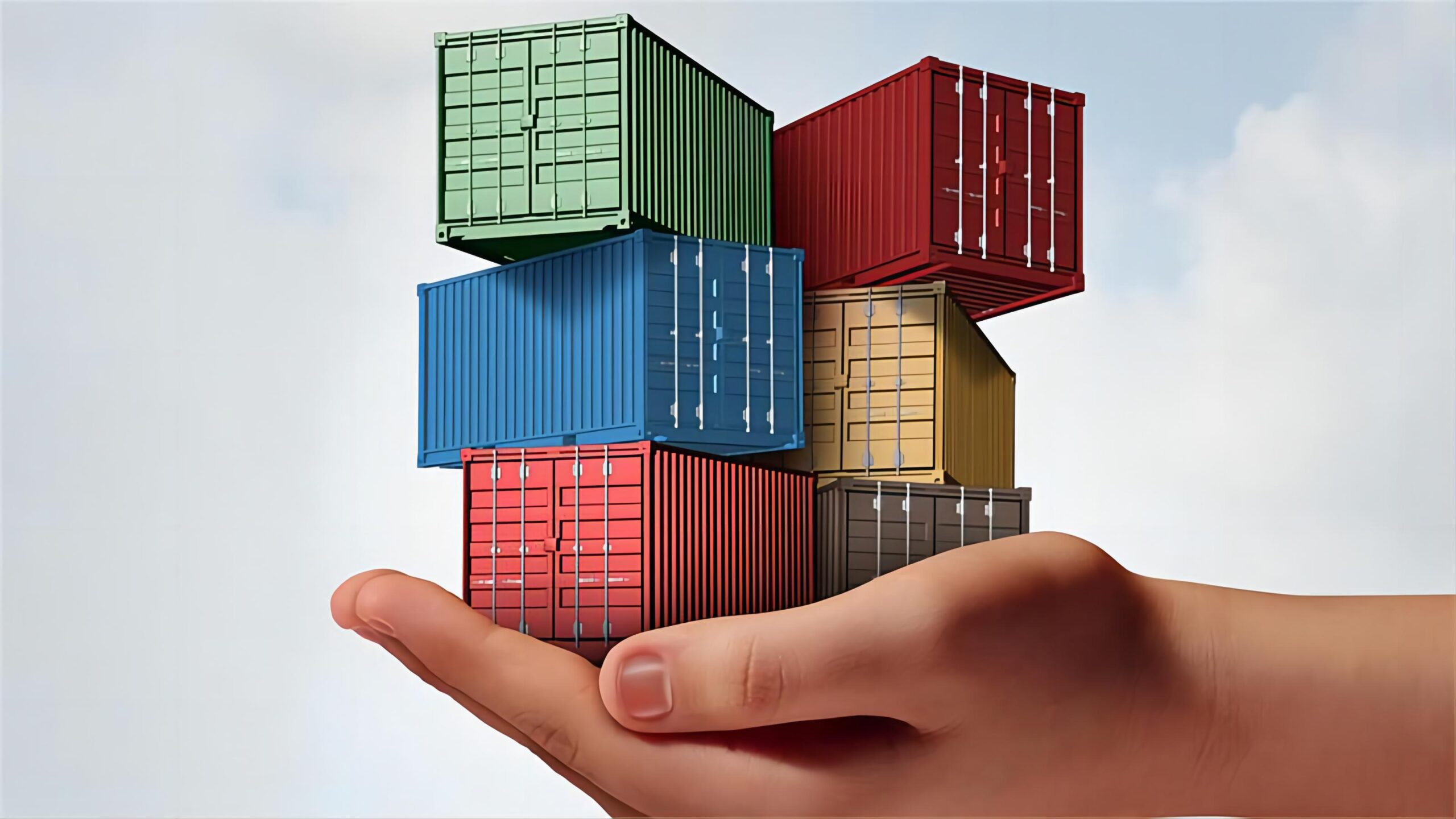
❖A 40HQ (High Cube) container is an ideal choice for transporting large volumes or oversized machinery, offering an additional foot in height compared to standard containers. Consequently, maximizing this space is key to cost-effective international shipping. When importing machinery from China to Miami, securing a Full Container Load (FCL) ensures dedicated space and potentially faster transit.
Furthermore, FCL shipping minimizes handling, which reduces the risk of damage to sensitive or heavy equipment. This method provides greater control over your shipment’s schedule and route. Therefore, understanding its advantages is essential for efficient logistics planning.
Current 40HQ FCL Space Availability to Miami
❖Presently, 40HQ FCL space availability for machinery from China to Miami can fluctuate significantly due to various market dynamics. Factors such as peak seasons, global trade events, and port congestion directly impact vessel capacity. Consequently, proactive planning is absolutely vital.
During peak seasons, such as before Chinese New Year or during the Q3/Q4 holiday rush, securing space becomes more challenging and expensive. Therefore, booking well in advance, typically 4-6 weeks ahead, is highly recommended. Working with an experienced freight forwarder can help navigate these periods effectively.
Factors Influencing Space and Rates for Machinery
❖Several critical factors determine both the availability and cost of 40HQ FCL space for your machinery. Indeed, understanding these elements empowers you to make informed shipping decisions. These include the origin port in China, the specific type and dimensions of your machinery, and the chosen shipping carrier.
Moreover, market demand and fuel surcharges significantly influence freight rates. Geopolitical events and unexpected disruptions, such as canal blockages, can also cause sudden spikes in costs and reduce capacity. Thus, staying informed about global logistics trends is beneficial for anticipating changes.
| Factor | Impact on Availability | Impact on Rates |
|---|---|---|
| Peak Season (Q3/Q4) | Low | High |
| Origin Port Congestion | Low | High |
| Carrier Capacity | Varies | Varies |
| Fuel Surcharges | Moderate | High |
| Global Demand | Varies | Varies |

Optimizing Your Shipment: Key Strategies
❖Optimizing your machinery shipment requires strategic planning and execution. First, precise measurement and proper packaging of your machinery are essential to utilize 40HQ FCL space efficiently. Incorrect dimensions can lead to wasted space or even rejection at the port.
Furthermore, consider flexible shipping dates if possible, as this can often lead to better rates and availability outside of peak demand. Partnering with a reliable freight forwarder, like sea freight services, who has strong carrier relationships is invaluable for securing space and negotiating competitive rates. They can offer insights into optimal routes and timing.
Navigating Customs and Documentation for Miami Imports
❖Importing machinery into Miami from China involves navigating complex customs procedures and extensive documentation. Indeed, proper customs brokerage is paramount to avoid delays and penalties. Necessary documents typically include the commercial invoice, packing list, bill of lading, and sometimes a certificate of origin.
Additionally, machinery imports may require specific permits or certifications depending on the equipment’s nature and intended use. For instance, certain industrial machinery might need EPA or FDA compliance. A professional customs broker will ensure all regulations are met, streamlining the clearance process at the Port of Miami.
Case Studies: Real-World 40HQ Machinery Shipments to Miami
❖These case studies illustrate typical scenarios and outcomes for shipping machinery via 40HQ FCL from China to Miami, reflecting current market conditions as of Q1 2025.

Case Study 1: CNC Machine Import
This client needed to import a high-precision CNC machine, critical for their manufacturing expansion. Securing timely 40HQ FCL space was a priority, even during a moderately busy period.
| Detail | Description |
|---|---|
| Route | Shanghai, China -> Miami, USA |
| Cargo | CNC Machine, 28 CBM, 9,500 kg |
| Container | 1 x 40HQ |
| Carrier/Service | COSCO (Major carrier) |
| Port of Loading | Shanghai, China |
| Port of Discharge | Port of Miami, USA |
| Route Type | Direct |
| Ocean Freight | $5,200 |
| Origin Charges | $450 |
| Destination Charges | $380 |
| Customs & Duties (estimated) | $1,800 |
| Total Landed Cost | $7,830 |
| Booking to Loading | 7 days |
| Sea Transit | 32 days |
| Customs Clearance | 3 days |
| Total Door-to-Door | 39 days |
| Key Insight | Proactive booking during early Q1 ensured optimal rates and space. |
Case Study 2: Industrial Robot Assembly Line
A manufacturing firm required an entire robot assembly line, broken down into several large components. Two 40HQ containers were necessary to accommodate the volume. This shipment faced slight delays due to port congestion.
| Detail | Description |
|---|---|
| Route | Shenzhen, China -> Miami, USA |
| Cargo | Industrial Robot Assembly Line, 55 CBM, 18,000 kg |
| Container | 2 x 40HQ |
| Carrier/Service | Maersk (Major carrier) |
| Port of Loading | Shenzhen, China |
| Port of Discharge | Port of Miami, USA |
| Route Type | Transshipment via Panama (due to congestion) |
| Ocean Freight | $10,800 (2x $5,400) |
| Origin Charges | $900 |
| Destination Charges | $750 |
| Customs & Duties (estimated) | $3,500 |
| Total Landed Cost | $15,950 |
| Booking to Loading | 10 days |
| Sea Transit | 38 days |
| Customs Clearance | 4 days |
| Total Door-to-Door | 52 days |
| Key Insight | Flexibility with transshipment routes helped secure space despite congestion, but added transit time. |
Case Study 3: Heavy Construction Equipment Parts
This shipment involved large, crated parts for construction equipment, requiring careful handling and secure 40HQ FCL space. The client opted for door-to-door solutions for convenience.
| Detail | Description |
|---|---|
| Route | Ningbo, China -> Miami, USA |
| Cargo | Construction Equipment Parts, 25 CBM, 11,000 kg |
| Container | 1 x 40HQ |
| Carrier/Service | Evergreen (Major carrier) |
| Port of Loading | Ningbo, China |
| Port of Discharge | Port of Miami, USA |
| Route Type | Direct |
| Ocean Freight | $4,800 |
| Origin Charges | $420 |
| Destination Charges | $350 |
| Customs & Duties (estimated) | $1,500 |
| Total Landed Cost | $7,070 |
| Booking to Loading | 8 days |
| Sea Transit | 30 days |
| Customs Clearance | 3 days |
| Total Door-to-Door | 38 days |
| Key Insight | Choosing a direct service minimized transit time and simplified logistics for the client. |
How Does FCL Compare to Other Shipping Options?
❖While 40HQ FCL is often optimal for machinery, comparing it with other methods can clarify your best choice. Each option offers distinct advantages and disadvantages concerning cost, speed, and cargo suitability. Understanding these differences is crucial for effective logistics planning to shipping to North America.
For example, LCL (Less than Container Load) might be suitable for smaller machinery, whereas air freight is reserved for urgent or high-value, lightweight items. Evaluating your specific needs against these alternatives will guide your decision-making process.
| Shipping Method | Cost Range (40HQ equivalent) | Transit Time (China-Miami) | Best For | Limitations |
|---|---|---|---|---|
| FCL (40HQ) | $4,500-$6,000 | 30-35 days | Large, heavy, or high-volume machinery | Requires full container, slower than air |
| LCL | $80-$120/CBM (approx. $2,000-$3,000 for 25CBM) | 35-45 days | Smaller machinery (<15-20 CBM), lower urgency | More handling, longer transit, potential for delays |
| Air Freight | $15,000-$25,000 (approx. for 5-10 CBM) | 5-8 days | Urgent, high-value, lightweight machinery | Very high cost, strict weight/size limits |
| Sea-Air Hybrid | $8,000-$15,000 (approx.) | 15-20 days | Medium urgency, balance of cost/speed | More complex logistics, limited routes |
Which Option Should You Choose for Your Machinery Shipment?
❖Deciding on the best shipping method depends entirely on your specific priorities and cargo characteristics. Consider these criteria to make an informed choice for your machinery import.
If budget is your primary concern, FCL ocean freight typically offers the most economical solution for larger machinery. However, if speed is paramount for urgent project deadlines, air freight, despite its higher cost, becomes the undeniable choice. Conversely, for shipments that are not time-sensitive but still substantial, FCL provides the best balance of cost and capacity.
Budget Priority
For cost-conscious importers, FCL ocean freight is generally the most economical choice for machinery. Consider optimizing container loading to maximize value. Look for off-peak season rates to further reduce expenses.
Speed Priority
When time is critical, air freight is the fastest option, though significantly more expensive. For slightly less urgent but still time-sensitive shipments, a sea-air hybrid solution can offer a compromise. This combines the initial cost-effectiveness of sea transport with the speed of air for the final leg.
Cargo Type and Volume Considerations
Very heavy or oversized machinery generally necessitates FCL. For smaller, less bulky items, LCL might be sufficient, but be mindful of increased handling and potential delays. Always ensure your machinery is crated and protected properly for its journey.
Seamless Machinery Imports with Expert Support
Successfully managing 40HQ FCL space availability for machinery from China to Miami demands foresight, strategic planning, and reliable partnerships. By understanding market dynamics, optimizing your shipments, and navigating customs effectively, you can ensure your valuable machinery arrives safely and on schedule.
Indeed, choosing an experienced freight forwarder is crucial for streamlining the entire process. With the right support, importing heavy equipment doesn’t have to be a daunting task. Ultimately, a well-executed logistics strategy is key to your business’s success.
Ready to streamline your logistics?
Ready to secure your 40HQ FCL space for machinery from China to Miami? Our team of experts is prepared to provide tailored solutions and competitive quotes. Contact us today to discuss your specific shipping needs and ensure a seamless import process.
Request Quote