

40HQ FCL Sailing Schedule for Machinery to New Jersey
“Importing machinery from China to New Jersey requires precise planning, especially when utilizing 40HQ FCL shipping. Businesses often face challenges like fluctuating schedules, customs complexities, and unexpected delays. This guide provides solutions and insights to streamline your logistics process, helping you find the most efficient Top China Forwarder for your valuable cargo.”
What is 40HQ FCL Shipping for Machinery?
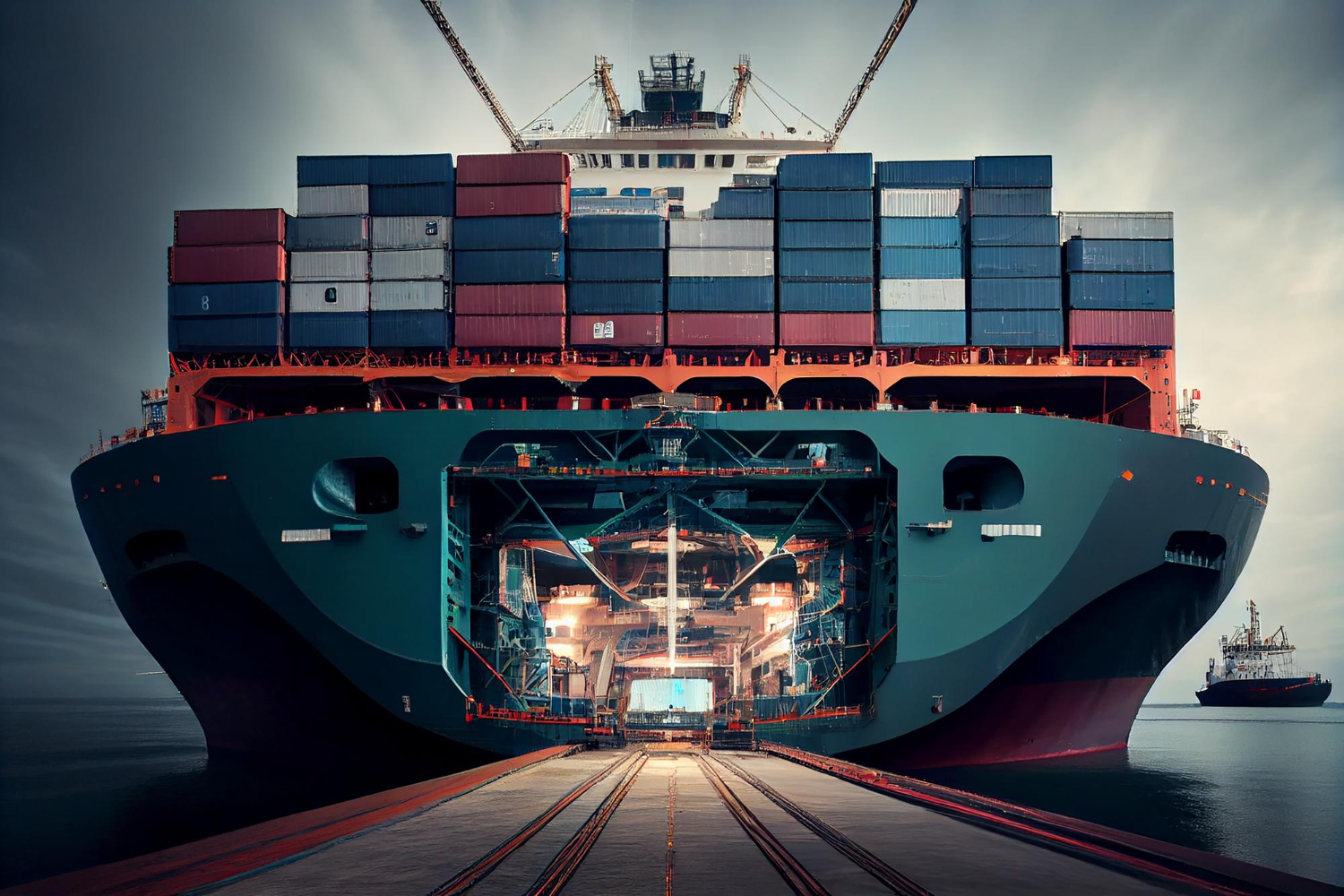
❖Shipping heavy machinery demands robust logistics solutions. A 40HQ (40-foot High Cube) Full Container Load (FCL) offers dedicated space, therefore reducing handling and potential damage. This method ensures your industrial equipment arrives safely and securely at its New Jersey destination.
Opting for FCL shipping provides exclusive use of the container, which is crucial for sensitive or oversized machinery. Consequently, this minimizes exposure to other cargo and optimizes cargo handling, making it a preferred choice for high-value imports. Consider sea freight for efficient and cost-effective bulk transport.
What Factors Influence Your China to New Jersey Sailing Schedule?
❖Several critical elements dictate the actual 40HQ FCL sailing schedule for machinery from China to New Jersey. Understanding these factors is paramount for effective supply chain management and accurate delivery schedule estimations.
Furthermore, global logistics trends, such as port congestion at major hubs like Shanghai or Ningbo, can significantly impact transit times. Therefore, staying informed about these dynamics is essential for proactive planning and avoiding costly delays.
Port of Loading and Discharge
The choice of origin port in China (e.g., Shanghai, Ningbo, Shenzhen) and the destination port in New Jersey (typically Port Newark-Elizabeth Marine Terminal) directly affects sailing times. Direct routes are faster, whereas transshipment routes, often via Singapore or Busan, can add several days or even a week to the journey.
Moreover, the efficiency of port operations at both ends plays a vital role. For instance, high cargo volumes or labor shortages can lead to berthing delays, consequently extending the overall transit time. Planning around these variables is key for shipping from China to North America.
Carrier Selection and Route Options
Major shipping lines like Maersk, COSCO, and Evergreen offer diverse sailing schedules and service levels. Some carriers provide faster express services at a premium, while others focus on more economical, albeit slower, options. Comparing their offerings is crucial for balancing speed and shipping costs.
Additionally, the vessel’s route, whether direct or involving transshipment, impacts the total transit time. Consequently, understanding the specific service loops and their reliability helps in selecting the most suitable option for your machinery import requirements.
Seasonal Demand and Market Fluctuations
Freight rates and sailing availability are heavily influenced by seasonal demand. Peak shipping seasons, such as before Chinese New Year or during the Q3-Q4 holiday rush, often lead to increased rates and tighter space. Planning machinery shipments outside these periods can offer better rates and more stable schedules.
Indeed, unforeseen global events or significant changes in fuel prices can also cause fluctuations in freight rates and sailing schedules. Therefore, continuous monitoring of market conditions is advisable for optimizing your logistics strategy.
How Does 40HQ FCL Compare to Other Shipping Options?
❖While 40HQ FCL sea freight is ideal for large machinery, it is prudent to evaluate alternative shipping methods. Each option presents different trade-offs in terms of cost, transit time, and suitability for various cargo types. This comparison helps in making an informed decision for your specific import needs.
For example, a 40HQ container typically costs $4,500-6,000 for the ocean leg from China to New Jersey, with transit times around 30-35 days. However, alternative solutions, such as air freight for urgent, lighter machinery, might be more appropriate depending on your urgency or cargo volume.
| Shipping Method | Cost Range (Ocean/Air) | Transit Time | Key Considerations |
|---|---|---|---|
| 40HQ FCL Sea Freight | $4,500 – $6,000 | 30-35 Days | Ideal for large, heavy machinery; minimal handling, port congestion risks |
| LCL Sea Freight (per CBM) | $80 – $150 per CBM | 35-45 Days | Cost-effective for smaller volumes; more handling, longer transit, higher CBM cost |
| Air Freight (per kg) | $6 – $12 per kg | 5-7 Days | Best for urgent, high-value, light machinery; very high cost, volume/weight restrictions |

How to Navigate Your 40HQ FCL Sailing Schedule?
❖Effectively managing your 40HQ FCL sailing schedule involves several crucial steps, from initial booking to final delivery. A structured approach minimizes risks and ensures a smooth import process for your machinery. This systematic method addresses potential challenges proactively.
Indeed, clear communication with your freight forwarder at each stage is vital for anticipating and resolving any issues promptly. This collaborative effort helps maintain the integrity of your delivery schedule.
Booking and Documentation
Initiate booking well in advance, especially during peak seasons, to secure space on preferred vessels. Accurate documentation, including the Commercial Invoice, Packing List, and Bill of Lading, is indispensable. Errors can lead to significant delays and penalties.
Moreover, ensure all machinery specifications, such as dimensions and weight, are correctly declared. Inaccuracies can result in customs hold-ups or even rejection of cargo, impacting your 40HQ FCL sailing schedule significantly.
Customs Clearance and Compliance
United States customs regulations for machinery imports are stringent. Proper classification of your machinery using Harmonized System (HS) codes is critical for correct duty assessment and compliance. Engaging an experienced customs brokerage service is highly recommended.
Furthermore, ensure all necessary permits and certifications for specialized machinery are obtained prior to shipment. Non-compliance can lead to extended delays, additional storage fees, and even seizure of goods at the New Jersey port.
Real-time Tracking and Communication
Utilize modern tracking systems to monitor your 40HQ FCL shipment’s progress from China to New Jersey. Proactive communication with your freight forwarder about any schedule changes or port updates is essential. This visibility helps manage expectations and plan for onward logistics.
Consequently, an informed approach allows you to react swiftly to unexpected events, such as port congestion or adverse weather conditions. Maintaining open lines of communication ensures that potential issues are addressed before they escalate.
Realistic Case Studies: Machinery Shipments to New Jersey
❖Examining real-world examples can provide valuable insights into the complexities and successful execution of 40HQ FCL machinery shipments. These case studies highlight typical transit times, costs, and common challenges encountered on the China to New Jersey route. Based on Q3 2024 market rates.
These scenarios demonstrate the importance of meticulous planning and the role of an experienced freight forwarder in navigating international logistics. They underscore how careful execution impacts the final delivery schedule and overall project success.
Case Study 1: CNC Machine from Shanghai
This case involved a high-value CNC machine requiring careful handling and timely delivery to a manufacturing facility in New Jersey. The client prioritized a balance between cost and a reliable transit time.
| Detail | Value | Notes |
|---|---|---|
| Route | Shanghai, China to Newark, USA | Direct service |
| Cargo | CNC Machining Center, 30 CBM, 12,000 kg | Sensitive equipment |
| Container | 1 x 40HQ FCL | Dedicated space for safety |
| Carrier/Service | COSCO | Reliable direct service |
| Port of Loading | Shanghai | Major export hub |
| Port of Discharge | Port Newark-Elizabeth | Primary NJ port |
| Ocean Freight | $5,200 | Includes BAF, CAF |
| Origin Charges | $450 | THC, documentation |
| Destination Charges | $600 | DDC, chassis, port fees |
| Customs & Duties (est.) | $1,800 | Based on HS code |
| Total Landed Cost | $8,050 | Excludes inland transport |
| Booking to Loading | 7 days | Standard lead time |
| Sea Transit | 32 days | Typical for direct route |
| Customs Clearance | 3 days | Efficient process |
| Total Port-to-Port | 35 days | Excludes inland delivery |
| Key Insight | Early booking secured preferred sailing. Smooth customs due to accurate documentation. | Mitigated potential delays |
Case Study 2: Assembly Line Components from Ningbo
A client needed to import several crates of assembly line components, critical for a production upgrade. The challenge was coordinating multiple crates within a single 40HQ FCL and ensuring all parts arrived together for installation.
This shipment emphasized the need for precise cargo handling and comprehensive door to door service to the inland facility.
| Detail | Value | Notes |
|---|---|---|
| Route | Ningbo, China to Newark, USA | Direct service |
| Cargo | Assembly Line Components, 45 CBM, 18,000 kg | Multiple crates |
| Container | 1 x 40HQ FCL | Optimized capacity |
| Carrier/Service | MSC | Good schedule frequency |
| Port of Loading | Ningbo | Alternative major port |
| Port of Discharge | Port Newark-Elizabeth | Efficient onward flow |
| Ocean Freight | $5,500 | Slightly higher due to Q4 timing |
| Origin Charges | $500 | Additional crating inspection |
| Destination Charges | $650 | Includes devanning assistance |
| Customs & Duties (est.) | $2,100 | Complex classification |
| Total Landed Cost | $8,750 | Excludes final mile delivery |
| Booking to Loading | 10 days | Q4 peak season impact |
| Sea Transit | 34 days | Consistent sailing |
| Customs Clearance | 4 days | Due to component complexity |
| Total Port-to-Port | 38 days | Slightly longer due to customs |
| Key Insight | Pre-clearance and detailed manifest mitigated customs delays for complex components. | Proactive documentation was key |
How Can You Optimize Machinery Imports to New Jersey?
❖Efficiently managing the import of machinery from China to New Jersey extends beyond just securing a 40HQ FCL sailing schedule. It involves a holistic approach to your supply chain, integrating various strategies to enhance reliability and cost-effectiveness.
Implementing these best practices can significantly reduce unforeseen challenges and ensure your machinery arrives on time and within budget. This proactive management is crucial for maintaining operational continuity.
Strategic Planning and Booking
Book your 40HQ FCL shipments well in advance, especially during known peak seasons. This foresight helps in securing competitive freight rates and preferred sailing schedules, avoiding last-minute surcharges and space constraints. A robust delivery schedule relies on early action.
Furthermore, consider flexible shipping dates if possible. This adaptability allows you to capitalize on off-peak rates and potentially faster transit times when carrier capacity is less strained.
Insurance and Risk Management
Given the high value and sensitive nature of machinery, comprehensive cargo insurance is non-negotiable. It protects against potential damages, loss, or theft during transit, offering financial security and peace of mind. This is a vital component of any robust import/export strategy.
Additionally, assess potential risks like port congestion, weather delays, or customs inspection rates. Developing contingency plans for these scenarios can prevent major disruptions to your supply chain.
Leveraging an Experienced Freight Forwarder
Partnering with a reputable freight forwarder specializing in machinery transport from China to the USA is invaluable. They offer expertise in navigating complex regulations, optimizing routes, and managing documentation. Their insights can significantly streamline your import process.
Moreover, a good freight forwarder can provide real-time updates on your 40HQ FCL sailing schedule and proactively address any issues that arise. This professional guidance ensures a smoother, more predictable shipping experience for your industrial equipment.
Which 40HQ FCL Option Should You Choose?
❖Selecting the optimal 40HQ FCL shipping strategy for your machinery depends on your specific business priorities. By evaluating your needs against key criteria, you can make an informed decision that aligns with your operational and financial goals. This framework guides your choice.
Consider these factors to determine the best approach for your next machinery import from China to New Jersey, ensuring efficiency and cost-effectiveness.
Budget Priority
If cost-effectiveness is your primary concern, prioritize standard FCL sea freight services. Look for non-peak season sailings and consider routes with slightly longer transit times if they offer significantly lower freight rates. This approach optimizes shipping costs.
Speed Priority
For urgent machinery shipments, opt for direct FCL services with major carriers known for faster transit times. While these might incur higher shipping costs, the reduced delivery schedule can be crucial for time-sensitive projects. Also, consider hybrid solutions like sea-air for parts.
Cargo Type Considerations
Fragile or oversized machinery benefits most from dedicated 40HQ FCL containers due to minimal handling. Ensure proper packing and lashing. Specialized equipment might require specific vessel types or handling procedures, which a forwarder can arrange.
Volume Thresholds for Switching Methods
For machinery volumes below 15 CBM, LCL (Less than Container Load) might be more economical than FCL. Conversely, if you consistently ship over 15 CBM or have multiple pieces of machinery, a 40HQ FCL typically offers better value and security. Evaluate your cargo handling needs carefully.
Streamlining Your Machinery Imports to New Jersey
Securing an efficient 40HQ FCL sailing schedule for machinery from China to New Jersey is a cornerstone of successful international trade. By understanding the influencing factors, comparing shipping alternatives, and implementing strategic planning, businesses can significantly enhance their supply chain efficiency.
Ultimately, partnering with an experienced freight forwarder provides the expertise needed to navigate complexities, optimize shipping costs, and ensure your valuable machinery arrives safely and on schedule. Proactive management and informed decisions are key to successful imports.
Ready to streamline your logistics?
Ready to optimize your machinery imports from China to New Jersey? Contact our experts today for a tailored 40HQ FCL sailing schedule and competitive freight rates. We streamline your logistics for seamless delivery and efficient supply chain management.
Request Quote