

40HQ FCL Best Route for Toys from China to Seattle
“Navigating international shipping can be complex, especially when importing high-volume goods like toys. For businesses seeking the most efficient and cost-effective method, identifying the 40HQ FCL best route for toys from China to Seattle is paramount. This comprehensive guide will equip you with the knowledge to optimize your supply chain, ensuring your valuable cargo arrives safely and on schedule.”
What is 40HQ FCL Shipping and Why is it Ideal for Toys?
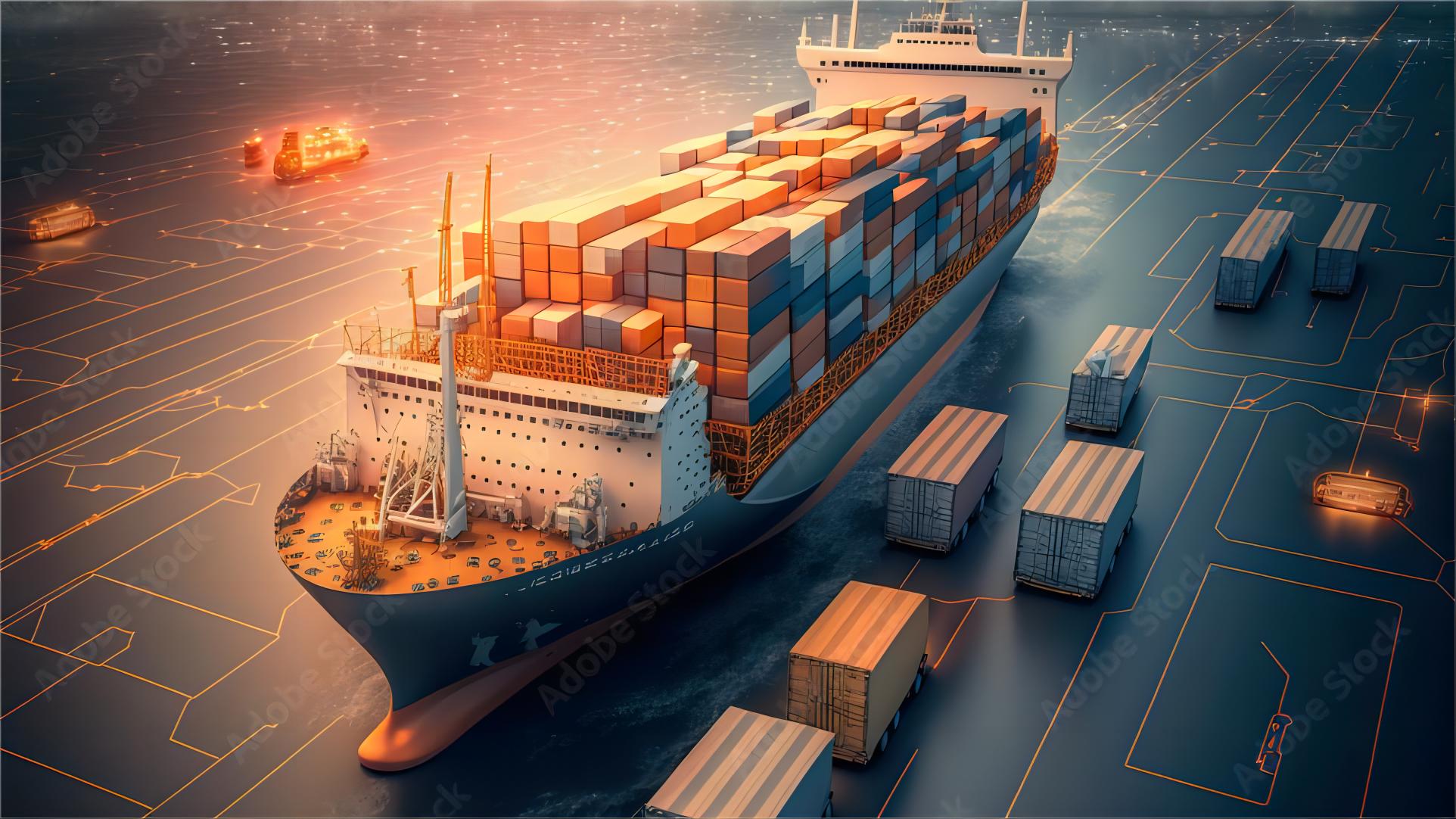
❖Specifically, 40HQ FCL refers to a 40-foot high cube Full Container Load. This means your goods occupy the entire container, offering maximum space and security. Indeed, for large volumes of toys, FCL shipping is often the most economical choice.
Furthermore, a 40HQ container provides approximately 76 cubic meters of space, ideal for bulk toy shipments. Consequently, this method minimizes handling and reduces the risk of damage, a crucial factor for delicate or high-value toys. Moreover, it offers better control over your delivery schedule.
Identifying the Best Route: China to Seattle for Toys
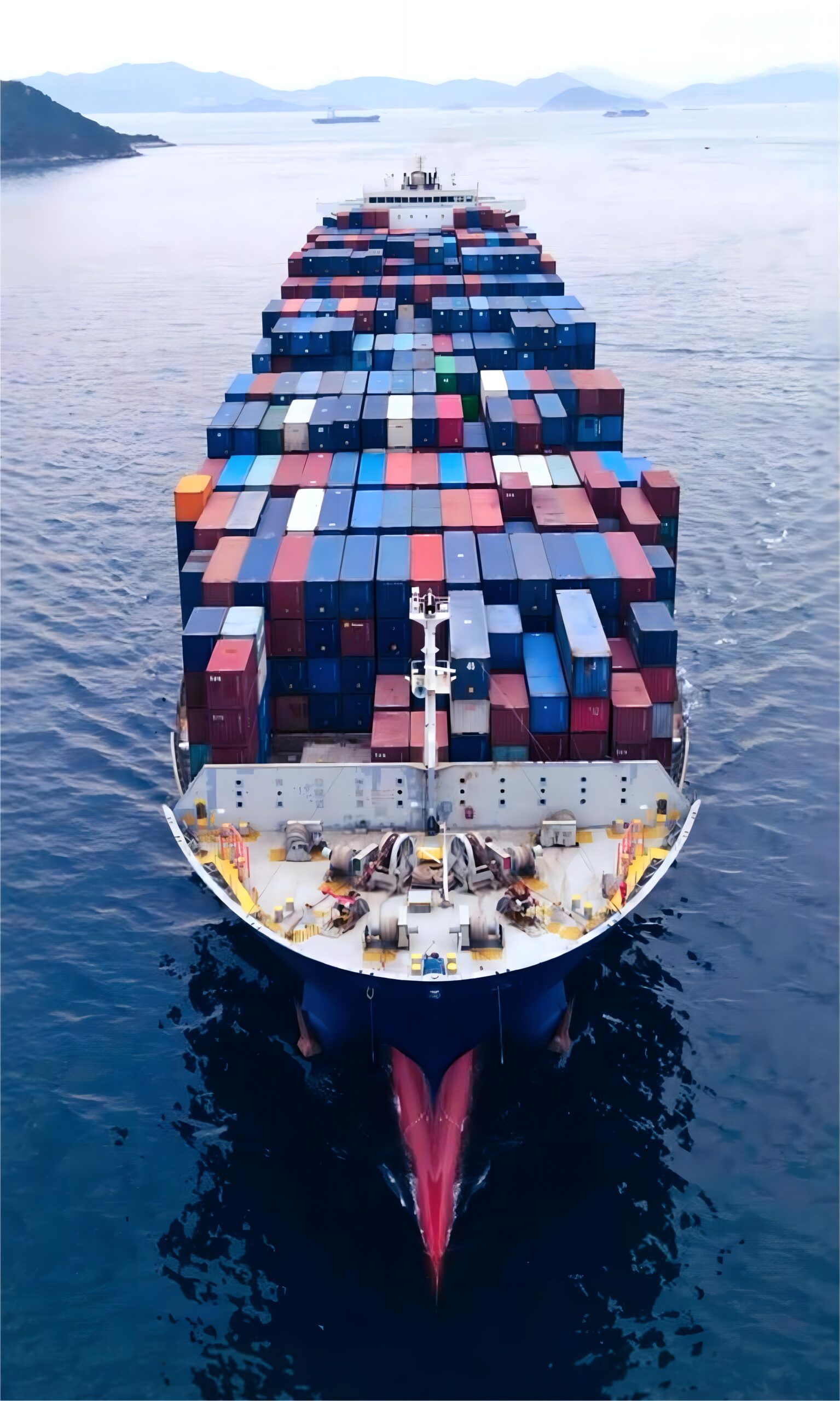
❖The primary route for 40HQ FCL shipments from China to Seattle typically involves direct ocean freight across the Pacific. Major ports in China, such as Shanghai, Ningbo, and Shenzhen, serve as key departure points. These ports are strategically located near major manufacturing hubs.
Upon arrival, the Port of Seattle and Tacoma (often referred to collectively as ‘The Northwest Seaport Alliance’) are the main entry points on the US West Coast. This route is favored for its relatively short transit times compared to East Coast destinations. Therefore, understanding the specific port dynamics is vital for efficient logistics planning.
Key Factors Influencing Your 40HQ FCL Shipping Costs and Transit Times
❖Several critical factors dictate the overall cost and transit time for your 40HQ FCL toy shipment. These include the specific origin port in China, the chosen shipping line, and current market conditions. Additionally, seasonal demand and fuel surcharges can significantly impact freight rates.
For instance, peak shipping seasons, typically from August to October, often see increased rates and potential delays due to higher demand. Therefore, planning your shipments outside these periods or booking well in advance can lead to cost savings. Without a doubt, understanding these variables is crucial for managing your budget effectively.
Transit time for a direct 40HQ FCL vessel from major Chinese ports to Seattle generally ranges from 14 to 18 days. However, this does not include origin drayage, customs clearance, or final delivery. Consequently, door-to-door transit can extend to 25-35 days, depending on efficiency and unforeseen delays. Consider door-to-door service for a streamlined experience.
Case Study 1: Plush Toy Import from Shanghai to Seattle
This case highlights a typical 40HQ FCL shipment for plush toys, emphasizing cost-effectiveness and timely delivery during a non-peak season.
| Detail | Description |
|---|---|
| Route | Shanghai, China Seattle, USA |
| Cargo | Plush toys, 68 CBM, 9,500 kg |
| Container | 40HQ |
| Shipping Details | Carrier: COSCO, Port of Loading: Shanghai, Port of Discharge: Seattle, Route Type: Direct |
| Cost Breakdown (Q1 2025) | Ocean Freight: $3,100, Origin Charges: $450, Destination Charges: $550, Customs & Duties (estimated): $1,200, Total Landed Cost: $5,300 |
| Timeline | Booking to Loading: 5 days, Sea Transit: 16 days, Customs Clearance: 3 days, Total Door-to-Door: 28 days |
| Key Insight | Secured favorable rates due to Q1 timing. Efficient customs brokerage prevented delays. |
Navigating Customs and Compliance for Toy Imports to the US
❖Importing toys into the United States involves strict compliance with various regulations, notably those set by the Consumer Product Safety Commission (CPSC). These regulations ensure product safety, especially for children’s items. Consequently, proper documentation and testing are mandatory.
Required documents typically include a commercial invoice, packing list, bill of lading, and a Certificate of Compliance (COC). Moreover, specific toy safety standards (e.g., ASTM F963) must be met. Working with a knowledgeable customs brokerage service is essential to avoid delays and penalties. Indeed, accurate classification of your toy products is also critical for correct duty assessment.
How Does 40HQ FCL Compare to Other Shipping Options?
❖While 40HQ FCL is often the optimal choice for large toy shipments, it is important to consider alternative methods. Your decision should align with your budget, urgency, and cargo volume. Furthermore, a thorough comparison helps in making informed logistics decisions.
For example, air freight offers speed but comes at a significantly higher cost. On the other hand, Less than Container Load (LCL) is suitable for smaller volumes, though it typically involves longer transit times due to consolidation. Therefore, understanding these trade-offs is crucial.
| Shipping Method | Cost Range (40HQ equivalent) | Transit Time (China-Seattle) | Best For | Limitations |
|---|---|---|---|---|
| Ocean FCL (40HQ) | $2,800 – $3,800 | 14-18 days (sea transit) | Large volumes, cost-effectiveness, heavy cargo | Slower than air, port congestion risks |
| Ocean LCL | $50 – $80 per CBM | 20-30 days (sea transit) | Smaller volumes (under 15 CBM), cost-effective for less than container | Longer transit, more handling, potential for delays |
| Air Freight | $15,000 – $25,000 (for 10,000kg) | 3-7 days | Urgent shipments, high-value small cargo, time-sensitive products | Very high cost, volume/weight restrictions |
Case Study 2: Electronic Toy Import with Tight Deadline
This scenario illustrates a situation where a blend of speed and cost-efficiency was required, showcasing the flexibility in logistics planning.
| Detail | Description |
|---|---|
| Route | Ningbo, China Seattle, USA |
| Cargo | Electronic toys, 70 CBM, 11,000 kg |
| Container | 40HQ |
| Shipping Details | Carrier: Maersk, Port of Loading: Ningbo, Port of Discharge: Seattle, Route Type: Direct |
| Cost Breakdown (Q4 2024) | Ocean Freight: $3,600, Origin Charges: $500, Destination Charges: $600, Customs & Duties (estimated): $1,500, Total Landed Cost: $6,200 |
| Timeline | Booking to Loading: 7 days, Sea Transit: 17 days, Customs Clearance: 4 days (due to peak season), Total Door-to-Door: 32 days |
| Key Insight | Navigated Q4 peak season with early booking. Minor customs delay due to increased volume at port. |
Which Option Should You Choose for Your Toys Shipment?
❖Deciding on the optimal shipping method for your toys from China to Seattle depends heavily on your specific business priorities. Therefore, a clear assessment of your needs is paramount. This framework helps in making the right choice.
If budget is your primary concern and you have large quantities of toys, then 40HQ FCL via sea freight is almost always the most economical option. It offers the best per-unit cost for high-volume shipments. However, be prepared for longer transit times.
Conversely, if speed is critical for a product launch or to meet urgent market demand, air freight is the undisputed choice. While significantly more expensive, it ensures your toys reach Seattle within days. This method is often reserved for high-value, low-volume, or time-sensitive items.
For cargo types like fragile or high-value electronic toys, FCL offers enhanced security and reduced handling. It minimizes the risk of damage compared to LCL. Furthermore, consider a hybrid approach for a balanced solution. For example, ship the bulk by sea and a smaller, urgent portion by air.
Optimizing Your Supply Chain and Managing Risks
❖An optimized supply chain for toy imports involves more than just selecting a shipping method. It requires proactive risk management and strategic planning. For instance, diversifying your suppliers across different Chinese regions can mitigate localized disruptions.
Consider implementing robust quality control checks at the origin to prevent issues upon arrival. Additionally, having comprehensive cargo insurance is a non-negotiable step to protect against unforeseen damages or losses. Therefore, a holistic approach to your logistics strategy is vital. Explore shipping to North America with confidence.
Conclusion: Securing Your 40HQ FCL Best Route for Toys from China to Seattle
Ultimately, selecting the 40HQ FCL best route for toys from China to Seattle is a strategic decision that impacts both your bottom line and delivery timelines. By understanding the nuances of ocean freight, managing customs compliance, and considering alternative options, you can make informed choices. Partnering with an experienced freight forwarder is essential for navigating the complexities of international logistics. This ensures your valuable toy shipments arrive efficiently and cost-effectively.
Indeed, a well-planned shipping strategy for your toys can significantly boost your business’s success. Therefore, invest time in researching and choosing the right partner to manage your supply chain effectively.
Ready to streamline your logistics?
Ready to optimize your 40HQ FCL best route for toys from China to Seattle? Contact our experts today for a personalized quote and seamless logistics solutions. We are here to streamline your import process and ensure your toys reach their destination efficiently.
Request Quote