

40GP FCL Shipping from China to Long Beach: Your Complete Guide
“Navigating the complexities of international shipping can be challenging, especially when dealing with large volumes. This comprehensive guide provides essential insights into 40GP FCL shipping from China to Long Beach, helping businesses streamline their import processes. Understanding the intricacies of this route is crucial for efficient supply chain management. For further assistance and expert solutions, visit Top China Forwarder.”

Understanding 40GP FCL Shipping from China to Long Beach
❖Specifically, a 40GP (40-foot General Purpose) container is a standard unit for sea freight, offering substantial capacity for various types of goods. FCL, or Full Container Load, implies that your cargo occupies the entire container, providing exclusive use and often faster transit times compared to shared space options.
This shipping method is particularly advantageous for businesses with large volumes of goods, ensuring dedicated space and minimizing handling risks. Indeed, opting for 40GP FCL shipping from China to Long Beach allows for greater control over your shipment’s integrity and delivery schedule.
Moreover, the route from China’s major ports to Long Beach, California, is one of the busiest and most vital trade lanes globally. Consequently, a robust network of carriers and logistics providers supports this route, offering competitive freight rates and diverse service options.
Key Considerations for Your Shipment
❖When planning your 40GP FCL shipment, several critical factors demand careful attention. Therefore, understanding these elements will help you optimize your logistics strategy and avoid unforeseen complications.
Route and Transit Times
Generally, transit times for 40GP FCL shipping from China to Long Beach typically range from 14 to 25 days, depending on the specific origin port in China, the carrier, and whether it’s a direct or transshipment route. For instance, shipments from Shanghai or Ningbo to Long Beach often have shorter transit times compared to those from inland factories requiring additional domestic transport.
Additionally, factors like port congestion at both ends can influence the overall delivery schedule. Therefore, it is always advisable to factor in potential delays, especially during peak seasons or unforeseen global events affecting the supply chain.
Furthermore, choosing a reliable sea freight service provider with strong relationships with major carriers can significantly impact transit time reliability.
Cost Components and Pricing Factors
The total shipping costs for a 40GP FCL from China to Long Beach comprise several elements. These include ocean freight, origin charges (e.g., terminal handling, documentation, drayage to port), destination charges (e.g., terminal handling, customs clearance fees), and potential customs duties and taxes. Understanding these components is vital for accurate budgeting.
Market data suggests that ocean freight rates fluctuate based on demand, supply, fuel surcharges, and seasonal patterns. For example, rates typically increase before major holidays in China or during the peak shipping season from August to October. Consequently, securing a quote in advance and considering long-term contracts can help mitigate price volatility.
| Cost Component | Description | Typical Range (USD) | Impact on Total |
|---|---|---|---|
| Ocean Freight | Cost of shipping container by sea | $2,500 – $3,800 (40GP) | Highest |
| Origin Charges | Handling, documentation, drayage in China | $300 – $600 | Moderate |
| Destination Charges | Terminal handling, drayage in Long Beach | $400 – $800 | Moderate |
| Customs Clearance | Brokerage fees for US customs | $150 – $300 | Low |
| Duties & Taxes | Import tariffs based on HTS codes | Variable (0-25% of value) | High (if applicable) |
Navigating Customs and Documentation
❖Successful import into the United States requires meticulous attention to customs regulations and documentation. Indeed, errors or omissions can lead to significant delays and penalties, impacting your delivery schedule. Therefore, partnering with an experienced customs brokerage service is often a wise investment.
Essential Documents for Import
Firstly, a comprehensive set of documents must accompany your 40GP FCL shipment. These typically include the Commercial Invoice, Packing List, Bill of Lading (B/L), Certificate of Origin, and potentially other permits depending on the cargo type. Moreover, accurate and consistent information across all documents is paramount for smooth customs clearance.
The Bill of Lading acts as a contract of carriage and a title to the goods. Consequently, ensuring its accuracy and timely submission is critical for taking possession of your cargo at the Port of Long Beach. Furthermore, importers must have a valid Importer of Record (IOR) number and understand their responsibilities regarding duties and taxes.
| Document | Purpose | Issued By | Key Information |
|---|---|---|---|
| Commercial Invoice | Details goods, value, seller, buyer | Seller/Exporter | Product description, quantity, price, incoterms |
| Packing List | Details contents of each package | Seller/Exporter | Weight, dimensions, number of packages |
| Bill of Lading (B/L) | Contract of carriage, title to goods | Carrier/Forwarder | Shipper, consignee, notify party, port details |
| Certificate of Origin | Confirms country of manufacture | Chamber of Commerce/Exporter | Origin country, product description |
| Customs Bond | Guarantees duty/tax payment to CBP | Surety Company | Bond number, importer details |

Customs Clearance Process
Upon arrival at Long Beach, your 40GP FCL shipment will undergo customs inspection and clearance. This process involves submitting the necessary documentation to U.S. Customs and Border Protection (CBP) and paying applicable duties and taxes. Subsequently, the cargo is released for delivery.
Indeed, proper classification of goods using Harmonized Tariff Schedule (HTS) codes is crucial for determining accurate duties. Furthermore, non-compliance with import regulations can result in cargo holds, examinations, and significant fines, affecting your overall supply chain efficiency.
How Does 40GP FCL Shipping Compare to Other Options?
❖Choosing the optimal shipping method for your goods involves weighing various factors, including cost, speed, and cargo volume. Therefore, comparing 40GP FCL with other prevalent options is essential for making an informed decision for importing goods from China to USA. Furthermore, considering all viable alternatives can lead to significant savings and improved efficiency.
| Shipping Method | Cost Range (40GP equivalent) | Transit Time (China to Long Beach) | Best For | Limitations |
|---|---|---|---|---|
| 40GP FCL Sea Freight | $2,500 – $3,800 | 14 – 25 days | Large volumes, non-urgent, heavy goods | Longer transit times, port congestion risk |
| LCL Sea Freight | $80 – $150 per CBM (for <15 CBM) | 20 – 35 days | Smaller volumes, cost-sensitive | More handling, potential delays, higher per CBM cost |
| Air Freight (Cargo) | $8,000 – $15,000+ | 3 – 7 days | Urgent, high-value, perishable goods | Very high cost, volume/weight restrictions |
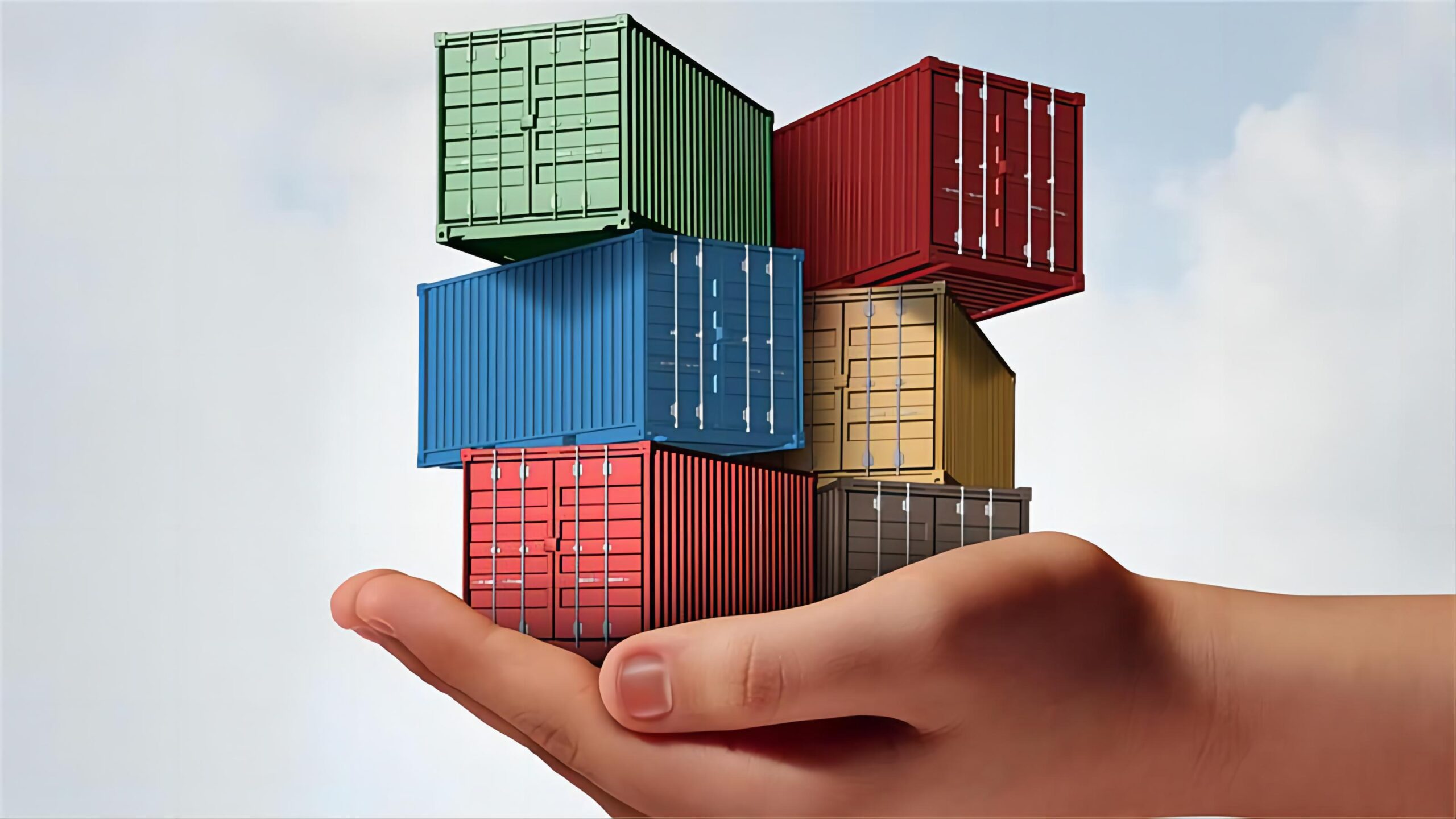
FCL vs. LCL: When to Choose Which
While FCL (Full Container Load) dedicates an entire container to your shipment, LCL (Less than Container Load) involves consolidating multiple shippers’ goods into one container. For shipments exceeding 15-20 CBM, 40GP FCL shipping from China to Long Beach is generally more cost-effective. Moreover, FCL offers faster transit times and reduced risk of damage due to less handling.
Conversely, LCL is ideal for smaller cargo volumes that do not fill a full container. However, LCL shipments often entail more handling, which can increase the risk of damage or delays, and might have slower transit times due to consolidation and deconsolidation processes.
Sea Freight vs. Air Freight: Speed vs. Cost
Sea freight, particularly 40GP FCL, is the most economical option for large, heavy, or non-urgent shipments to Long Beach. However, its transit times are considerably longer, typically 14-25 days. On the other hand, air freight offers rapid delivery, often within 3-7 days, but at a significantly higher cost. For instance, air freight for a similar volume might be 5-10 times more expensive than sea freight.
Therefore, the choice between sea and air largely depends on the urgency of your cargo and your budget constraints. Perishable goods, high-value electronics, or time-sensitive components are better suited for air freight, whereas most general merchandise benefits from the cost-effectiveness of ocean shipping.
Door-to-Door Service: Seamless Logistics
Many businesses prefer a comprehensive door-to-door solution for their 40GP FCL shipments. This service covers all stages from your supplier’s factory in China to your warehouse in Long Beach or elsewhere in the US. Moreover, it includes local pickup, ocean freight, customs clearance, and final delivery, simplifying the entire logistics process. Consequently, it minimizes administrative burden and offers greater predictability in shipping costs.
This integrated approach is particularly beneficial for businesses lacking extensive in-house logistics expertise, providing a single point of contact and responsibility. It ensures a smooth transition of cargo across different modes of transport and international borders.
Optimizing Your Supply Chain and Delivery Schedule
❖Effective supply chain management is crucial for minimizing costs and ensuring timely delivery of your 40GP FCL shipments. Therefore, strategic planning and leveraging logistics trends can significantly enhance your operational efficiency. Indeed, proactive measures are key to success.
Strategic Planning for Peak Seasons
Freight rates typically increase significantly during peak seasons, such as before Chinese New Year and from August to October for holiday shopping. Consequently, planning your shipments to avoid these periods or booking well in advance can lead to substantial cost savings. Moreover, building strong relationships with your forwarder helps secure space and favorable rates even during high demand.
Considering alternative departure ports in China, if feasible, can also help bypass congestion in major hubs like Shanghai or Shenzhen. Furthermore, flexible delivery schedules can provide leverage in negotiating better freight rates, especially for non-urgent inventory.
Leveraging Technology in Logistics
Modern logistics trends emphasize the use of technology for tracking, visibility, and data analysis. Indeed, real-time tracking systems provide crucial updates on your 40GP FCL shipment’s location and estimated arrival, allowing for better inventory management. Moreover, data analytics can identify bottlenecks and optimize future shipping routes and schedules.
Digital platforms facilitate seamless communication with suppliers, carriers, and customs brokers. Consequently, this integration streamlines the entire import/export process, reducing manual errors and improving overall efficiency in your supply chain.
Real-World Case Studies: 40GP FCL Shipments to Long Beach
❖These case studies illustrate typical scenarios for 40GP FCL shipping from China to Long Beach, showcasing costs, timelines, and key insights based on Q3 2024 market rates. They provide a practical understanding of various shipment dynamics.
Case Study 1: Furniture Import from Shenzhen
| Detail | Description |
|---|---|
| Route | Shenzhen, China -> Long Beach, USA |
| Cargo | Wooden furniture, 65 CBM, 9,500 kg |
| Container | 40GP FCL |
| Shipping Details | |
| – Carrier/Service | COSCO |
| – Port of Loading | Yantian (Shenzhen) |
| – Port of Discharge | Long Beach |
| – Route Type | Direct service |
| Cost Breakdown | |
| – Ocean Freight | $2,750 |
| – Origin Charges (THC, documentation) | $450 |
| – Destination Charges | $600 |
| – Customs & Duties (estimated) | $1,200 (approx. 10% value) |
| – Total Landed Cost | $5,000 (excluding inland drayage in US) |
| Timeline | |
| – Booking to Loading | 5 days |
| – Sea Transit | 16 days |
| – Customs Clearance | 2 days |
| – Total Port-to-Port | 23 days |
| Key Insight | Direct service reduced transit time significantly. Pre-clearing customs documents was crucial for quick release. |

Case Study 2: Apparel from Shanghai During Peak Season
| Detail | Description |
|---|---|
| Route | Shanghai, China -> Long Beach, USA |
| Cargo | Textile and apparel, 60 CBM, 8,000 kg |
| Container | 40GP FCL |
| Shipping Details | |
| – Carrier/Service | Maersk |
| – Port of Loading | Shanghai |
| – Port of Discharge | Long Beach |
| – Route Type | Direct service |
| Cost Breakdown | |
| – Ocean Freight | $3,300 (peak season rate) |
| – Origin Charges (THC, documentation) | $500 |
| – Destination Charges | $650 |
| – Customs & Duties (estimated) | $900 (approx. 7% value) |
| – Total Landed Cost | $5,350 |
| Timeline | |
| – Booking to Loading | 7 days |
| – Sea Transit | 18 days |
| – Customs Clearance | 3 days (due to high volume) |
| – Total Port-to-Port | 28 days |
| Key Insight | Booking early in Q3 was essential to secure space, despite higher peak season rates. Minor delays at Long Beach due to port congestion. |
Case Study 3: Industrial Parts from Qingdao
| Detail | Description |
|---|---|
| Route | Qingdao, China -> Long Beach, USA |
| Cargo | Machine components, 55 CBM, 12,000 kg |
| Container | 40GP FCL |
| Shipping Details | |
| – Carrier/Service | ONE Line |
| – Port of Loading | Qingdao |
| – Port of Discharge | Long Beach |
| – Route Type | Transshipment via Busan, South Korea |
| Cost Breakdown | |
| – Ocean Freight | $2,900 |
| – Origin Charges (THC, documentation) | $400 |
| – Destination Charges | $550 |
| – Customs & Duties (estimated) | $1,500 (approx. 12% value) |
| – Total Landed Cost | $5,350 |
| Timeline | |
| – Booking to Loading | 6 days |
| – Sea Transit | 22 days |
| – Customs Clearance | 2 days |
| – Total Port-to-Port | 30 days |
| Key Insight | Transshipment route offered a competitive rate but added a few days to transit. Proactive communication with the forwarder was key to monitoring transshipment connections. This route is a common option for North America bound cargo. |
Choosing the Right Logistics Partner
❖Selecting a reliable freight forwarder is paramount for successful 40GP FCL shipping from China to Long Beach. Consequently, a good partner can navigate the complexities of international logistics, saving you time and money. Therefore, look for expertise and comprehensive services.
Expertise and Network
An experienced forwarder possesses in-depth knowledge of the China-US trade lane, including port operations, customs regulations, and carrier networks. Indeed, their relationships with major shipping lines can secure better rates and more reliable space, especially during challenging market conditions. Moreover, a strong global network ensures seamless coordination at both origin and destination.
Furthermore, they should offer transparent communication and proactive problem-solving. This includes providing real-time tracking and promptly addressing any issues that may arise during transit or customs clearance.
Value-Added Services
Beyond basic ocean freight, a comprehensive logistics partner can offer a range of value-added services. These may include warehousing, distribution, cargo insurance, and even assistance with compliance documentation. Subsequently, these services can integrate seamlessly into your supply chain, providing a true end-to-end solution.
Consider a forwarder who can handle not only the 40GP FCL shipping but also provide guidance on import/export regulations specific to your product. Therefore, their expertise becomes an extension of your own operations, enhancing efficiency and reducing risk.
Which Option Should You Choose for Your Shipments?
❖Deciding on the best shipping strategy for your 40GP FCL from China to Long Beach depends heavily on your specific business priorities. Therefore, evaluating your needs against various factors will guide you to the most suitable solution. Indeed, a tailored approach yields the best results.
Budget Priority
If cost-effectiveness is your primary concern, 40GP FCL sea freight is almost always the superior choice. Generally, it offers the lowest per-unit cost for large volumes, making it ideal for bulk goods or products with lower profit margins. However, be prepared for longer transit times.
To further optimize costs, consider off-peak season shipping and explore different carriers for competitive freight rates. Moreover, consolidate your orders to maximize container utilization, thereby avoiding the higher per-unit costs of LCL or air freight.
Speed Priority
When speed is critical for time-sensitive inventory, air freight is the only viable option, despite its significantly higher cost. For instance, launching a new product or replenishing quickly selling stock often necessitates expedited shipping. However, for 40GP FCL volumes, air freight becomes prohibitively expensive for most goods.
If sea freight is a must, opt for direct services with reputable carriers to minimize transit times for your 40GP container. Furthermore, ensure all documentation is flawless to avoid customs delays upon arrival at Long Beach.
Cargo Type Considerations
The nature of your cargo also dictates the best shipping method. Fragile or high-value items might benefit from FCL to minimize handling, even if volume is slightly less than full capacity. Conversely, hazardous materials have specific regulations that influence carrier and route choices.
For durable, non-perishable goods, 40GP FCL sea freight is typically the most appropriate and economical method. Always ensure proper packaging and loading techniques to protect your cargo during the long ocean journey.
Volume Thresholds for Switching Methods
Generally, for shipments below 15-20 CBM, LCL sea freight tends to be more economical than FCL. However, once your volume exceeds this threshold, a 40GP FCL becomes the more cost-efficient solution. Therefore, understanding your cargo’s exact dimensions and weight is crucial for making this determination.
For extremely small, urgent shipments, express courier services might be suitable. Conversely, for anything approaching a full container, 40GP FCL shipping from China to Long Beach offers the best balance of cost and capacity.
Your Partner for Efficient 40GP FCL Shipping to Long Beach
Ultimately, successfully managing 40GP FCL shipping from China to Long Beach requires a thorough understanding of costs, transit times, customs procedures, and market dynamics. By carefully planning your shipments, leveraging reliable partners, and adapting to industry trends, businesses can optimize their supply chain. This strategic approach ensures timely and cost-effective delivery of goods.
Moreover, continuous monitoring of freight rates and port conditions is essential for proactive decision-making. With the right strategy and support, your imports to Long Beach can be consistently efficient and predictable.
Ready to streamline your logistics?
Ready to streamline your 40GP FCL shipping from China to Long Beach? Our team of experts is here to provide tailored logistics solutions and competitive freight rates. Contact us today for a personalized quote and experience seamless international shipping.
Request Quote