

40GP FCL Demurrage Prevention for Lighting from China to Germany
Importing lighting products via 40GP FCL from China to Germany can be complex, often encountering unexpected costs like demurrage. Successfully managing these shipments requires meticulous planning and a deep understanding of international logistics. This guide offers essential strategies to ensure efficient and cost-effective delivery, helping you avoid unnecessary expenses. For comprehensive support, visit Top China Forwarder.
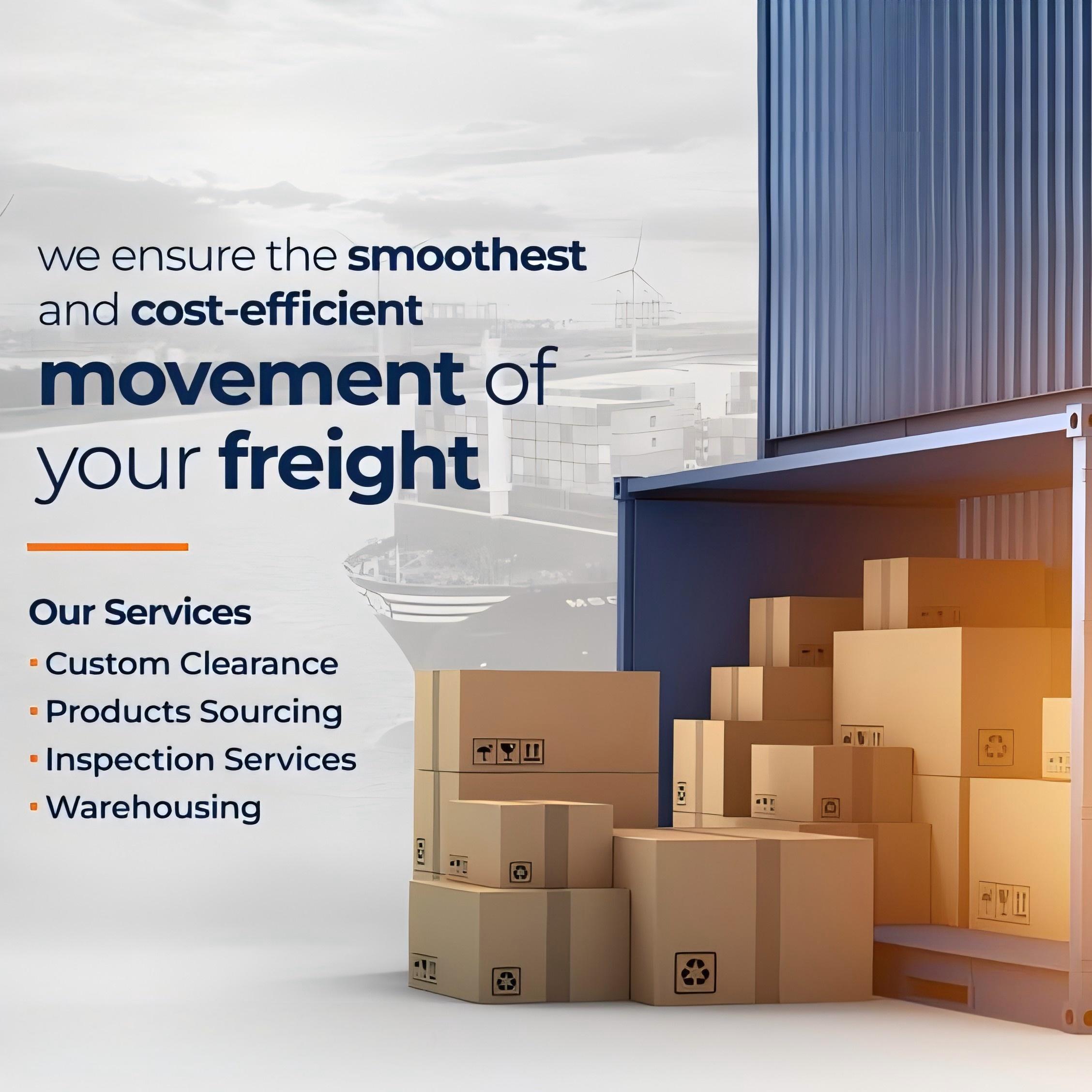
Understanding 40GP FCL Demurrage for China-Germany Routes
Demurrage refers to charges levied by shipping lines when a container remains at the port terminal beyond the agreed-upon free days. These fees can quickly accumulate, significantly increasing your overall sea freight costs for 40GP FCL lighting shipments. Therefore, understanding these charges is the first step in effective prevention.
Typically, free days range from 3 to 7 days, depending on the carrier and port. Once this period expires, daily charges can be substantial, especially for large 40GP containers. Consequently, proactive planning is crucial to manage transit time and avoid these penalties, which directly impact your import/export budget.
Key Causes of Demurrage for Lighting Shipments to Germany
Several factors contribute to demurrage, particularly when importing specialized cargo like lighting from China to Germany. One common issue involves documentation errors or delays. Inaccurate commercial invoices or packing lists can halt customs clearance, causing containers to sit at the port.

Moreover, port congestion at destination ports like Hamburg or Bremerhaven can severely impact delivery schedules. Unforeseen delays in vessel arrival or terminal operations can reduce available free days. This often leads to containers awaiting offloading or pickup, incurring additional fees despite your best efforts to manage the delivery schedule.
Furthermore, slow customs clearance processes in Germany, often due to incomplete or incorrect customs declarations, can lead to significant delays. Therefore, ensuring all paperwork is accurate and submitted electronically well in advance is paramount for efficient cargo handling and preventing container demurrage fees.
Proactive Strategies for 40GP FCL Demurrage Prevention
Effective demurrage prevention begins long before the vessel departs China. Firstly, negotiate extended free days with your shipping line whenever possible, especially during peak seasons. This provides a crucial buffer against unexpected delays, offering more flexibility in your logistics trends.
Secondly, ensure all shipping documentation is meticulously prepared and submitted accurately. This includes commercial invoices, packing lists, bills of lading, and any specific certifications required for lighting products in Germany. Pre-clearing customs, where available, can significantly expedite the process upon arrival.
Finally, maintain constant communication with your freight forwarder and consignee. Timely updates on vessel movements, estimated arrival times, and potential disruptions allow for swift action. Furthermore, having a robust customs brokerage partner can streamline declarations and compliance, reducing clearance times and the risk of demurrage.
Optimizing Your Supply Chain: A Comprehensive Approach
An optimized supply chain is fundamental to preventing 40GP FCL demurrage for lighting products. Consider consolidating multiple smaller orders into a single 40GP FCL shipment to maximize container utilization. This approach not only reduces per-unit shipping costs but also simplifies the customs process.
Additionally, leverage technology for enhanced visibility into your shipments. Real-time tracking systems provide updates on your cargo’s journey from origin to destination, enabling proactive adjustments. This level of insight is invaluable for managing transit time and avoiding surprises at the port.
Working with a reliable freight forwarder offering door to door services can further streamline your operations. Such a partner handles everything from pickup in China to final delivery in Germany, including customs and local transportation. This integrated service minimizes handoff delays and potential demurrage triggers.
How Does Sea Freight Compare to Other Shipping Options?
While sea freight is the most common and cost-effective method for 40GP FCL lighting shipments, it’s essential to understand its alternatives. Comparing different shipping methods helps in making informed decisions, especially when speed or specific cargo requirements are paramount. This involves evaluating cost-effectiveness against transit time and other logistical considerations.
For urgent lighting product deliveries, air freight offers significantly faster transit times but at a much higher cost. Meanwhile, rail freight presents a balanced option between speed and cost for China to Europe routes. Each method has distinct advantages and limitations, influencing the overall supply chain strategy.
As of Q1 2025, freight rates from China to Europe have stabilized after the 2024 Red Sea disruptions, but vigilance is still advised. Rates typically increase 15-25% during August-October peak season, impacting all modes of transport. Therefore, booking FCL containers early is a wise strategy for cost-effective shipping solutions.
| Shipping Method | Cost Range (40GP FCL) | Transit Time (China to Germany) | Best For | Limitations |
|---|---|---|---|---|
| Sea Freight | $2,800 – $4,200 | 28-35 days | Large volumes, cost-efficiency | Slowest, port congestion risk |
| Rail Freight | $8,000 – $12,000 | 15-20 days | Balanced speed and cost, inland delivery | Limited capacity, specific routes |
| Air Freight | $15,000 – $25,000 (equivalent volume) | 5-7 days | Urgent, high-value, small volumes | Highest cost, volume/weight restrictions |
Which Option Should You Choose?
Your choice of shipping method largely depends on your priorities. If budget is the primary concern and transit time is flexible, sea freight remains the optimal choice for 40GP FCL lighting from China to Germany. It offers the lowest per-unit cost for large volumes.
However, if speed is paramount for your lighting products, perhaps due to a tight project deadline, air freight is indispensable. For a middle-ground solution balancing cost and speed, especially for inland destinations in Germany, rail freight offers a compelling alternative, providing faster delivery than sea while being more economical than air.
Alternative Approaches and Hybrid Solutions
Consider hybrid solutions like sea-rail combinations for certain scenarios. For example, shipping by sea to a European port and then by rail to an inland German city can optimize both cost and speed. This approach can be particularly beneficial for managing complex distribution networks.
Another alternative is to utilize LCL (Less than Container Load) for smaller, less time-sensitive lighting shipments. While it might seem counter-intuitive for FCL, understanding the volume thresholds for switching methods is key. For shipments under 15 CBM, LCL at $50-80/CBM may be more economical than a full container, though it comes with more handling and potential for delays.
Furthermore, exploring different carriers and service levels can provide flexibility. Direct routes cost 10-15% more but save 5-7 days compared to transshipment via major hubs. This trade-off between cost and speed can be critical for maintaining your delivery schedule and reducing the risk of demurrage.
Real-World Success: Case Studies in Demurrage Prevention
Understanding real-world scenarios provides practical insights into 40GP FCL demurrage prevention. These examples highlight the importance of meticulous planning, effective communication, and leveraging expert logistics partners. Each case demonstrates how strategic decisions can lead to significant cost savings and improved supply chain efficiency for lighting products.
Based on Q3 2024 market rates, these cases illustrate typical challenges and successful resolutions. They underscore the value of a proactive approach in managing transit time and customs clearance, crucial elements for any importer of lighting from China to Germany.
Case Study 1: Streamlining Documentation for a Major Retailer
A German lighting retailer frequently imports 40GP FCL containers of LED fixtures. They faced recurring demurrage due to minor discrepancies in customs documentation. The challenge was to standardize documentation for various product types and ensure timely submission, critical for efficient customs clearance China to Germany.
| Detail | Description |
|---|---|
| Route | Shanghai, China -> Hamburg, Germany |
| Cargo | LED Lighting Fixtures, 67 CBM, 12,000 kg |
| Container | 1 x 40GP FCL |
| Shipping Details | Carrier: COSCO, Port of Loading: Shanghai, Port of Discharge: Hamburg, Route Type: Direct |
| Cost Breakdown | Ocean Freight: $3,500, Origin Charges: $450, Destination Charges: $550, Customs & Duties (est): $1,200, Total Landed Cost: $5,700 |
| Timeline | Booking to Loading: 5 days, Sea Transit: 30 days, Customs Clearance: 2 days, Total Door-to-Door: 38 days |
| Key Insight | Implementing a pre-shipment document audit with the forwarder reduced customs delays from 5 days to 2, saving ~€400 in demurrage per container. This proactive step significantly improved their delivery schedule and reduced shipping costs. |
Case Study 2: Mitigating Port Congestion Risks
A lighting manufacturer experienced severe delays during peak season due to congestion at Bremerhaven. Their 40GP FCL containers were incurring high demurrage. The goal was to develop a strategy to bypass or mitigate the impact of port congestion surcharges, which are common during busy periods.
| Detail | Description |
|---|---|
| Route | Ningbo, China -> Bremerhaven, Germany |
| Cargo | Architectural Lighting, 65 CBM, 10,500 kg |
| Container | 2 x 40GP FCL |
| Shipping Details | Carrier: Maersk, Port of Loading: Ningbo, Port of Discharge: Bremerhaven, Route Type: Transshipment via Felixstowe |
| Cost Breakdown | Ocean Freight: $3,800/cont, Origin Charges: $500/cont, Destination Charges: $600/cont, Customs & Duties (est): $1,300/cont, Total Landed Cost: $6,200/cont |
| Timeline | Booking to Loading: 7 days, Sea Transit: 35 days, Customs Clearance: 3 days, Total Door-to-Door: 48 days (delayed) |
| Key Insight | By pre-booking drayage and warehousing space near the port, and negotiating 7 free days instead of 5, the client avoided $800 in demurrage despite a 3-day port delay. This strategy for managing transit times proved vital. |
Case Study 3: Leveraging Rail for Inland Delivery
A company importing specialized theatrical lighting needed faster delivery to an inland German city than sea freight alone could provide, but air freight was too costly. They sought an optimized solution for their 40GP FCL shipments to reduce overall transit time and logistics trends.
| Detail | Description |
|---|---|
| Route | Chongqing, China -> Duisburg, Germany |
| Cargo | Theatrical Lighting Equipment, 60 CBM, 9,500 kg |
| Container | 1 x 40GP FCL |
| Shipping Details | Service: China-Europe Rail, Terminal of Loading: Chongqing, Terminal of Discharge: Duisburg, Route Type: Direct Rail |
| Cost Breakdown | Rail Freight: $9,500, Terminal Charges (Origin): $700, Terminal Charges (Dest): $800, Customs & Duties (est): $1,500, Total Landed Cost: $12,500 |
| Timeline | Booking to Loading: 4 days, Rail Transit: 18 days, Customs Clearance: 2 days, Total Door-to-Door: 26 days |
| Key Insight | Choosing rail freight cut transit time by over 10 days compared to sea, allowing for tighter project schedules and reducing the risk of demurrage at a seaport. This highlights the benefits of alternative shipping solutions for specific needs. |
Critical Documentation and Customs Clearance for Lighting Imports
Accurate and complete documentation is the backbone of smooth international shipping for 40GP FCL lighting products. Essential documents include the Commercial Invoice, Packing List, Bill of Lading (or Waybill for air/rail), and Certificate of Origin. Any errors can lead to customs holds and subsequent demurrage.
Furthermore, specific certifications for electrical and lighting products, such as CE marking, RoHS compliance, and product safety declarations, are mandatory for import into Germany. Ensuring these are prepared and validated prior to shipment departure is crucial. A skilled customs broker can navigate these complexities, helping you avoid delays and costly fees.
Pre-notification and electronic submission of customs declarations to German authorities (e.g., ATLAS system) are highly recommended. This proactive approach allows for early review and can expedite the clearance process upon container arrival. Consequently, it minimizes the time your 40GP FCL container spends at the port, directly preventing demurrage.
Market Insights and Future Trends Affecting Freight Rates
The global logistics landscape is constantly evolving, impacting shipping costs and transit times for 40GP FCL shipments. As of early 2025, market data suggests a relative stabilization of freight rates from China to Germany following the volatility of the past few years. However, geopolitical events, like the Red Sea disruptions, can quickly introduce new challenges and surcharges.
Industry benchmarks indicate that fuel costs, carrier capacity, and seasonal demand remain significant drivers of freight rates. Consequently, planning shipments well in advance, especially during peak seasons (e.g., pre-Chinese New Year, Q4 holidays), is vital. This helps in securing competitive rates and ensuring vessel space for your lighting products, mitigating the impact of sudden price hikes.
Moreover, growing emphasis on sustainability in logistics might introduce new regulations or preferred carrier options in the future. Staying informed about these logistics trends and working with a forwarder who adapts to them is crucial for maintaining an efficient and compliant supply chain for your imports.
Conclusion: Master Your 40GP FCL Demurrage Prevention Strategy
Preventing 40GP FCL demurrage for lighting imports from China to Germany is achievable with a strategic and proactive approach. From meticulous documentation and effective communication to choosing the right shipping method and leveraging expert partners, every step contributes to a smoother supply chain.
By understanding the causes of demurrage and implementing the prevention strategies outlined, you can significantly reduce unexpected costs and enhance your overall operational efficiency. Partnering with experienced logistics providers, like <a href=”https://topchinaforwarder.com”>Top China Forwarder</a>, is key to navigating the complexities of international shipping and ensuring your lighting products reach Germany on time and within budget. Take control of your logistics and secure your supply chain.
Need a tailored shipping solution?
Ready to optimize your 40GP FCL lighting shipments from China to Germany and effectively prevent demurrage? Contact Top China Forwarder today for a personalized quote and expert guidance. Our team specializes in efficient logistics solutions tailored to your specific needs, ensuring smooth and cost-effective delivery. Get a quote now to avoid unnecessary expenses.