

20GP FCL Transit Time for Toys from China to Belgium: Your Ultimate Guide
Shipping toys from China to Belgium requires careful planning, especially when considering the 20GP FCL transit time. Importers often face challenges with unpredictable schedules and varying costs, impacting their delivery commitments. This comprehensive guide, brought to you by Top China Forwarder, aims to demystify the process, offering clear insights and practical solutions for your toy shipments.
What is the Typical 20GP FCL Transit Time for Toys from China to Belgium?
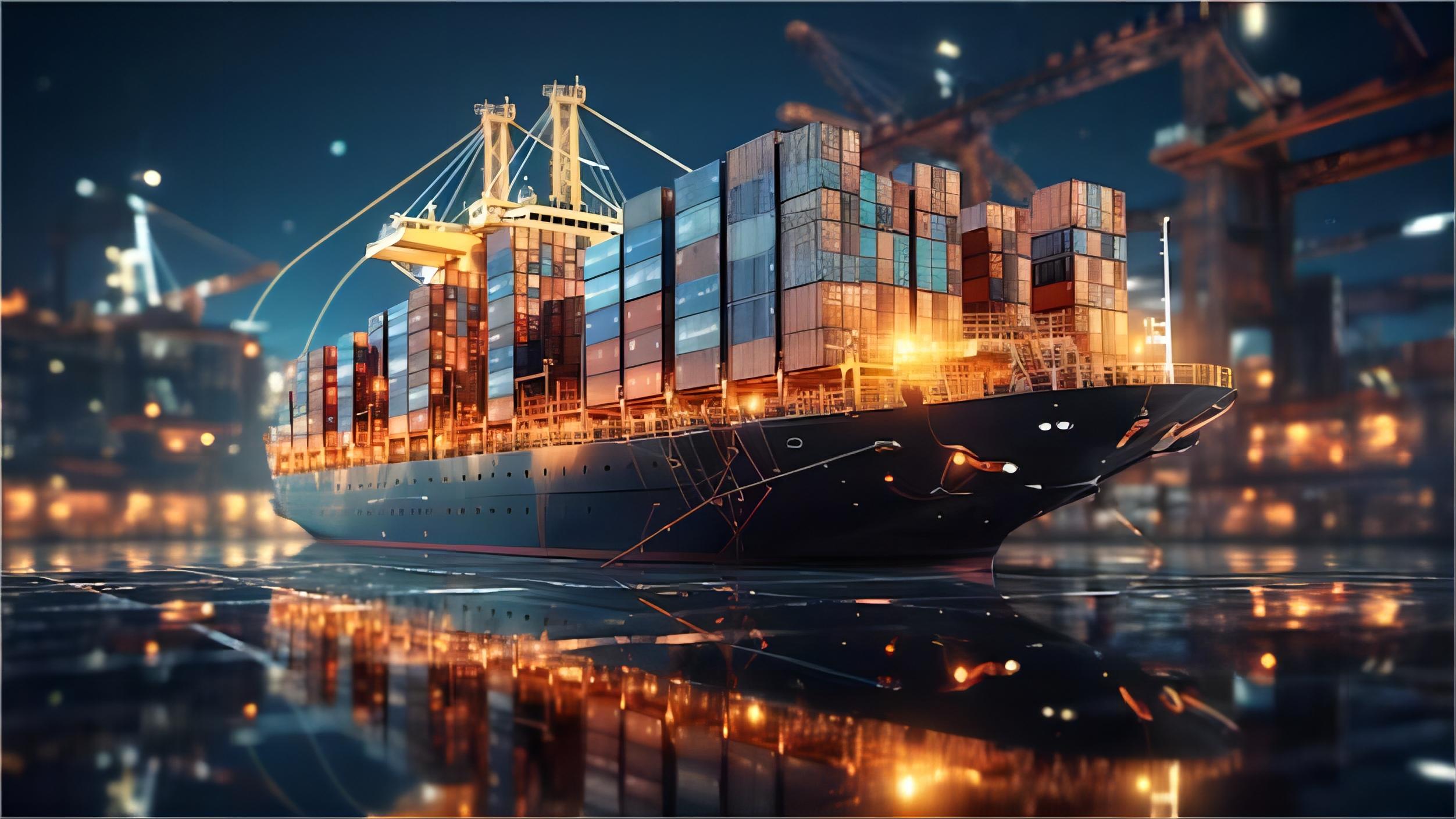
Typically, the 20GP FCL transit time for toys from China to Belgium ranges from 28 to 38 days by sea freight. This duration primarily accounts for the vessel’s journey from major Chinese ports like Shanghai, Ningbo, or Shenzhen to the Port of Antwerp. However, this is merely the ocean transit component of the entire shipping process.
Furthermore, various factors can influence this timeline. These include the specific port of origin, the chosen shipping line, and whether the route is direct or involves transshipment. Understanding these elements is crucial for accurate delivery schedule planning for your toy imports.
How Do Shipping Routes and Ports Impact Transit Time and Costs?
Selecting the right shipping route and port significantly affects both transit time and overall shipping costs for toys from China to Belgium. Major Chinese ports such as Shanghai, Ningbo, Shenzhen, and Qingdao offer frequent sailings and robust infrastructure. Consequently, these ports often provide more direct routes and better freight rates.
Conversely, the Port of Antwerp in Belgium is Europe’s second-largest port, renowned for its efficiency and extensive connectivity. Direct routes to Antwerp minimize transit time compared to routes involving transshipment through other European hubs. Understanding these port dynamics is key to optimizing your supply chain.
Moreover, different shipping lines operate distinct vessel schedules and routes. Some carriers prioritize speed with direct services, while others might offer more economical options with slightly longer transit times due to multiple port calls. Therefore, it is essential to compare services when planning your 20GP FCL shipment.
What Factors Influence FCL Shipping Costs from China to Belgium?
Numerous elements contribute to the total FCL shipping costs from China to Belgium. Ocean freight rates, for instance, fluctuate based on supply and demand, fuel prices, and global economic conditions. Furthermore, terminal handling charges (THC) at both origin and destination ports add to the expense.
Additionally, local charges in China, such as drayage to the port and documentation fees, are part of the overall cost. In Belgium, destination charges, including port fees, customs clearance, and local delivery, must be factored in. These components collectively determine the final landed cost for your toy shipments.
Moreover, seasonal variations play a significant role. Rates typically increase during peak seasons, such as before major holidays like Chinese New Year or during the Q3/Q4 holiday shopping rush. Therefore, budgeting for these fluctuations is vital for importers of toys to Belgium.
How Does 20GP FCL Compare to Other Shipping Options for Toys?
While 20GP FCL (Full Container Load) is a popular choice for larger toy shipments, it is not the only option. Understanding the alternatives can help you make informed decisions based on your specific needs, whether it’s speed, cost, or cargo volume. Each method has distinct advantages and limitations for shipping toys from China to Belgium.
For instance, Less than Container Load (LCL) is ideal for smaller volumes that do not fill an entire 20GP container. Although LCL is generally more expensive per cubic meter than FCL, it avoids the cost of paying for unused container space. However, LCL shipments often have longer transit times due to consolidation and deconsolidation processes.
Conversely, air freight offers unparalleled speed, making it suitable for urgent or high-value toy shipments. While significantly faster, air freight comes at a substantially higher cost. Therefore, it is typically reserved for time-sensitive deliveries or samples rather than bulk cargo.
Furthermore, rail freight presents a viable middle-ground alternative for shipping to Europe. It is faster than sea freight and more cost-effective than air freight, with transit times often ranging from 18-25 days. Rail services are becoming increasingly popular for their balance of speed and affordability, especially for destinations like Belgium.
Considering these options, your choice hinges on balancing your budget, urgency, and the volume of your toy imports. Each shipping method has its place in a diversified logistics strategy for the China-Belgium route.
| Shipping Method | Cost Range (20GP Equivalent) | Transit Time (China to Belgium) | Best For | Limitations |
|---|---|---|---|---|
| Sea Freight (FCL) | $1,800 – $2,500 | 28 – 38 days | Large volume, non-urgent, cost-effective | Slowest transit time, port congestion risks |
| Sea Freight (LCL) | $50 – $80 per CBM | 35 – 45 days | Small volume, flexible, cost-effective (per CBM for small lots) | Longer transit, potential for delays, higher per CBM cost than FCL |
| Rail Freight | $6,000 – $9,000 | 18 – 25 days | Medium urgency, balanced cost/speed, specific routes | Limited network, less capacity than sea, potential for border delays |
| Air Freight | $15,000 – $25,000 | 3 – 7 days | Urgent, high-value, small volume shipments | Highest cost, limited cargo size, environmental impact |
What are Key Customs and Documentation Requirements for Toy Imports to Belgium?
Navigating customs procedures is a critical step for importing toys from China to Belgium. Importers must ensure all necessary documentation is accurate and complete to avoid delays and penalties. A professional customs brokerage service can streamline this complex process.
Essential documents typically include the commercial invoice, packing list, bill of lading, and certificate of origin. Furthermore, toys are subject to specific EU safety standards, such as the CE marking. Compliance with directives like the Toy Safety Directive (2009/48/EC) is mandatory for market entry into Belgium.
Additionally, proper classification of goods using Harmonized System (HS) codes is vital for calculating accurate customs duties and taxes. Any discrepancies can lead to significant customs clearance delays. Therefore, meticulous preparation and attention to detail are paramount for smooth imports.
Real-World Insights: Case Studies of Toy Shipments to Belgium
Examining real-world scenarios provides valuable context for understanding the complexities and typical outcomes of shipping toys from China to Belgium. These case studies highlight various factors, from cost optimization to managing transit challenges, offering practical insights for your own 20GP FCL transit time calculations. Based on Q3 2024 market rates, these examples illustrate common shipping experiences.
These examples underscore the importance of choosing the right logistics partner and understanding the nuances of international shipping. Each shipment presents unique challenges and opportunities for efficiency.
Case Study 1: Seasonal Toy Import for Christmas Market
| Detail | Description |
|---|---|
| Route | Ningbo, China -> Antwerp, Belgium |
| Cargo | Educational wooden toys, 28 CBM, 9,000 kg |
| Container | 20GP FCL |
| Shipping Details | Carrier: COSCO, Port of Loading: Ningbo, Port of Discharge: Antwerp, Route Type: Direct |
| Cost Breakdown | Ocean Freight: $2,100, Origin Charges: $450, Destination Charges: $600, Customs & Duties (estimated): $1,200, Total Landed Cost: $4,350 |
| Timeline | Booking to Loading: 5 days, Sea Transit: 30 days, Customs Clearance: 3 days, Total Door-to-Door: 38 days |
| Key Insight | Early booking avoided peak season surcharges. Minor customs delay due to new packaging material declaration. |
Case Study 2: Regular Plush Toy Shipments
| Detail | Description |
|---|---|
| Route | Shanghai, China -> Antwerp, Belgium |
| Cargo | Plush toys, 26 CBM, 8,500 kg |
| Container | 20GP FCL |
| Shipping Details | Carrier: MSC, Port of Loading: Shanghai, Port of Discharge: Antwerp, Route Type: Transshipment via Singapore |
| Cost Breakdown | Ocean Freight: $1,950, Origin Charges: $420, Destination Charges: $580, Customs & Duties (estimated): $1,100, Total Landed Cost: $4,050 |
| Timeline | Booking to Loading: 7 days, Sea Transit: 35 days, Customs Clearance: 2 days, Total Door-to-Door: 44 days |
| Key Insight | Utilized a cost-effective transshipment route, accepting a slightly longer 20GP FCL transit time for better rates. Smooth customs due to established product history. |
How Can You Optimize Your Supply Chain for Toy Shipments?
Optimizing your supply chain is crucial for efficient and cost-effective toy imports. Firstly, establishing strong relationships with reliable suppliers in China ensures consistent product quality and timely readiness for shipment. This proactive approach minimizes delays at the origin.
Secondly, partnering with an experienced freight forwarder is indispensable. A good forwarder can offer tailored sea freight solutions, negotiate competitive rates, and manage all logistical complexities, from origin to destination. They provide visibility throughout the shipping process, which is vital for managing expectations.
Furthermore, consider implementing door-to-door solutions to streamline the entire process. This service covers every stage, from factory pickup in China to final delivery in Belgium, reducing administrative burden and potential points of failure. It ensures a single point of contact and accountability.
Lastly, leverage technology for tracking and inventory management. Real-time tracking of your 20GP FCL shipments allows for proactive problem-solving and better inventory forecasting. This integration helps in maintaining optimal stock levels and responding swiftly to market demands.
Navigating Seasonal Peaks and Market Trends in Freight Shipping
Understanding seasonal peaks and current market trends is essential for managing the 20GP FCL transit time and costs effectively. Freight rates typically surge during peak seasons, such as the period leading up to major holidays like Christmas and Chinese New Year. Planning shipments outside these windows can lead to significant savings.
Moreover, global events and geopolitical factors can heavily influence shipping routes and rates. For instance, as of Q1 2025, freight rates from China to Europe have largely stabilized after the 2024 Red Sea disruptions, though some volatility persists. Staying informed about these trends helps in making strategic shipping decisions.
Additionally, port congestion at either end of the supply chain can cause unforeseen delays. Therefore, building buffer time into your delivery schedule is a prudent strategy. Industry average data suggests that rates can increase by 15-25% during August-October peak season, emphasizing the need for foresight.
Which Option Should You Choose for Your Toy Imports?
Deciding on the best shipping method for your toy imports from China to Belgium depends on several key considerations. This decision framework helps align your logistics strategy with your business priorities, ensuring optimal outcomes for your 20GP FCL transit time and budget.
If budget is your primary concern, and you have ample lead time, then FCL sea freight is undeniably the most cost-effective option for large volumes of toys. However, if speed is paramount for urgent product launches or to avoid stockouts, air freight, despite its higher cost, becomes the preferred choice. For a balance of speed and cost, rail freight offers a compelling alternative.
Consider your cargo type as well. Fragile or high-value toys might benefit from more secure, faster transit methods to minimize handling and risk. Furthermore, your shipment volume thresholds are critical: for anything less than 15 CBM, LCL might be more economical than paying for an entire 20GP container. For over 15 CBM, FCL generally offers better value. Always remember, freight rates are subject to change based on fuel costs, carrier capacity, and seasonal demand. Contact us for a current quote tailored to your specific shipment.
Mastering Your 20GP FCL Transit Time for Toys from China to Belgium
In conclusion, successfully navigating the logistics of shipping toys from China to Belgium, particularly concerning the 20GP FCL transit time, requires a thorough understanding of various factors. From choosing optimal routes and managing customs to understanding market dynamics and selecting the right shipping method, every decision impacts your supply chain efficiency and profitability.
By leveraging expert forwarders, understanding documentation, and planning proactively, importers can ensure reliable and cost-effective delivery of their toy products. Ultimately, strategic planning and informed decision-making are key to achieving seamless international trade for your toy business.
Need a tailored shipping solution?
Ready to optimize your toy imports from China to Belgium? Contact us today for a personalized quote and expert guidance on your 20GP FCL transit time and logistics needs. Our team is prepared to provide efficient and reliable shipping solutions tailored to your business.