

20GP FCL Space Availability: China to Czech Republic Machinery Shipping Guide
Navigating the complexities of international freight can be challenging, especially when securing 20GP FCL space availability for machinery from China to Czech Republic. Businesses importing industrial equipment require dependable logistics partners to ensure timely and cost-effective delivery. This comprehensive guide explores crucial factors, market insights, and practical solutions for your shipping needs.
✦
Understanding 20GP FCL Shipping for Machinery
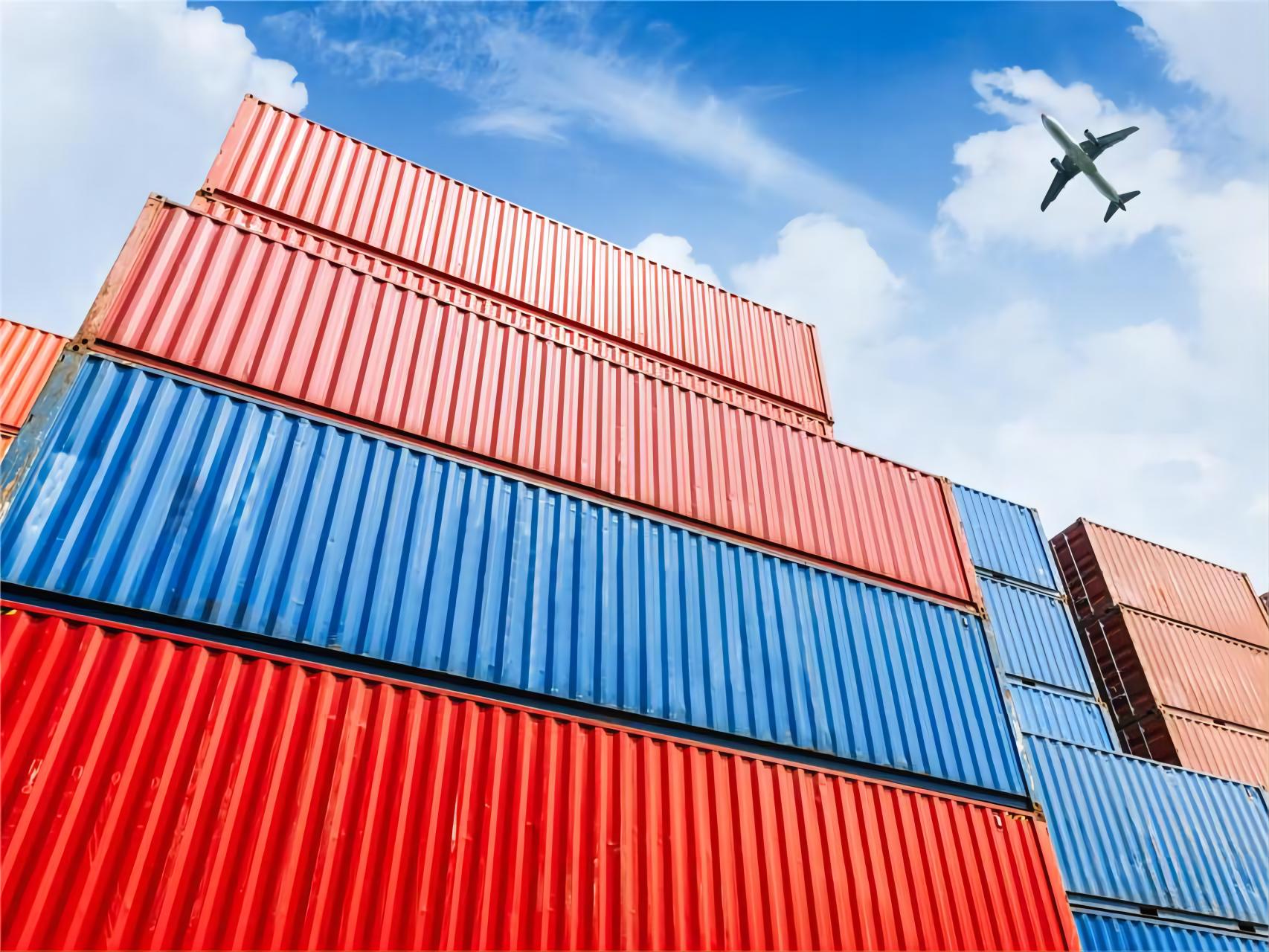
A 20GP (General Purpose) Full Container Load (FCL) refers to using an entire 20-foot container exclusively for your cargo. This method is particularly beneficial for machinery shipments due to its dedicated space and security. Indeed, it minimizes handling and reduces the risk of damage.
The standard internal dimensions of a 20GP container are approximately 5.89m (L) x 2.35m (W) x 2.39m (H), offering a maximum payload of around 28,000 kg. Therefore, it is ideal for various types of industrial equipment and manufacturing components. Choosing FCL ensures your machinery remains undisturbed throughout the journey.
Furthermore, opting for FCL shipping provides greater control over your delivery schedule. There is no need to wait for other shippers’ cargo to fill the container. Consequently, this leads to more predictable transit times and streamlined logistics. For valuable or sensitive machinery, FCL remains the preferred choice.
Current Market Outlook: 20GP FCL Space from China to Czech Republic
As of Q1 2025, freight rates for 20GP FCL from China to Europe have seen some stabilization after the Red Sea disruptions experienced in 2024. Nevertheless, market conditions remain dynamic, influenced by global supply chain pressures and carrier capacity. Therefore, securing space requires proactive planning.
Industry data suggests that rates typically increase by 15-25% during the August-October peak season. Moreover, major holidays in China, such as Chinese New Year, can cause significant delays and price surges. Thus, booking well in advance is crucial to mitigate these impacts and ensure sea freight space availability.
Port congestion, particularly at key European hubs like Hamburg and Rotterdam, can also affect overall transit times and costs. Consequently, an experienced freight forwarder can help navigate these challenges. They offer alternative routing or advise on optimal booking periods to maintain your supply chain integrity.
Navigating Transit Times and Key Routes for Machinery
The journey for machinery from China to the Czech Republic typically involves a combination of sea and inland transport. Major Chinese ports of loading include Shanghai, Ningbo, and Shenzhen. These ports offer extensive connections to Europe. For instance, most carriers depart from these key hubs.
Upon arrival in Europe, common ports of discharge are Hamburg (Germany), Rotterdam (Netherlands), and Koper (Slovenia). From these gateways, machinery is then transported via rail or road to its final destination in the Czech Republic. This intermodal approach ensures efficient delivery.
Overall, the total door-to-door transit time for a 20GP FCL shipment from China to the Czech Republic usually ranges from 35 to 45 days. This includes sea transit, port handling, customs clearance, and inland delivery. However, specific routes and carrier schedules can influence these timelines.
| Route Segment | Typical Duration | Notes |
|---|---|---|
| China to European Port (Sea) | 28-35 days | Main ports like Hamburg, Rotterdam |
| European Port to Czech Republic (Rail/Road) | 3-7 days | Inland transport to Prague, Brno, etc. |
| Customs Clearance & Handling | 2-5 days | Can vary based on documentation |
| Total Estimated Transit | 35-45 days | Door-to-door service |
Essential Documentation and Customs Clearance for Machinery Imports
Proper documentation is paramount for smooth customs clearance of machinery into the Czech Republic. Without a doubt, accurate and complete paperwork prevents delays and additional costs. Key documents include the Commercial Invoice, Packing List, and Bill of Lading.
Furthermore, a Certificate of Origin is often required to determine eligibility for preferential tariffs under trade agreements. Importers must also ensure compliance with specific Czech Republic import regulations for machinery, which may involve technical specifications or safety certifications. Therefore, preparing these meticulously is critical.
Engaging a reliable customs brokerage service is highly recommended. They can navigate the complexities of both Chinese export and Czech Republic import procedures. This includes tariff classification, duty calculation, and adherence to VAT regulations. Ultimately, their expertise streamlines the entire process.
How Does FCL Sea Freight Compare to Other Shipping Options?
When shipping machinery from China to the Czech Republic, businesses have several options beyond 20GP FCL sea freight. Each method presents a unique balance of cost, speed, and capacity. Therefore, understanding these alternatives is crucial for making informed decisions.
For example, while FCL sea freight is highly cost-effective for large volumes, rail freight offers a faster transit time at a higher cost. Air freight, conversely, provides the fastest delivery but is significantly more expensive. Thus, your choice depends on your specific priorities.
Consider your budget, urgency, and the nature of your machinery when evaluating these methods. Sometimes, a hybrid solution, such as sea-rail combination, might offer the best compromise. This approach often balances cost-efficiency with improved transit speed. Consequently, it caters to diverse supply chain demands.
| Shipping Method | Cost Range (20GP Equivalent) | Transit Time (China to Czech Rep) | Best For | Limitations |
|---|---|---|---|---|
| FCL Sea Freight (20GP) | $1,800 – $2,500 (ocean) | 35-45 days | Large, heavy, non-urgent machinery | Slowest transit time, port congestion |
| LCL Sea Freight | $50 – $80/CBM | 40-55 days | Smaller machinery, less than 15 CBM | More handling, longer transit, potential for delays |
| Rail Freight | $6,000 – $9,000 (20GP) | 18-25 days | Time-sensitive machinery, medium-large volume | Higher cost than sea, limited direct routes |
| Air Freight | $15,000 – $25,000 (equivalent) | 5-10 days | Urgent, high-value, small machinery parts | Highest cost, volume/weight restrictions |
Which Option Should You Choose?
Your decision framework should consider several critical factors. If budget is your primary concern and you have ample lead time, FCL sea freight is undoubtedly the most economical choice. It offers the lowest cost per unit for high-volume machinery.
However, if speed is paramount for your industrial equipment, air freight is the fastest solution, albeit at a premium price. For a balance of speed and cost, rail freight presents an excellent alternative, offering transit times significantly shorter than sea freight.
For smaller machinery shipments or when your cargo does not fill an entire 20GP container, Less than Container Load (LCL) sea freight might be more suitable. Nevertheless, LCL involves more handling and potentially longer transit times due to consolidation processes. Cargo type also plays a role; delicate machinery might benefit from the reduced handling of FCL or air freight.
Real-World Case Studies: Machinery Shipping Success
Exploring practical examples can illuminate the complexities and successes of shipping machinery from China to the Czech Republic. These case studies highlight various scenarios and logistical solutions. They demonstrate how different factors influence the outcome of a shipment. Based on Q3 2024 market rates, these examples offer realistic insights.
Businesses often face unique challenges, such as tight deadlines, oversized cargo, or budget constraints. Therefore, understanding how these were addressed in real situations provides valuable lessons. These examples illustrate the importance of strategic planning and expert execution in international logistics. They underscore the value of a reliable logistics partner.
Note: Freight rates are subject to change based on fuel costs, carrier capacity, and seasonal demand. Contact us for a current quote tailored to your specific shipment.
Case Study 1: Heavy Industrial Press Machine
| Category | Details |
|---|---|
| Route | Shanghai, China -> Prague, Czech Republic |
| Cargo | Hydraulic Press Machine, 25 CBM, 18,000 kg |
| Container | 20GP FCL |
| Shipping Details | |
| – Carrier/Service | COSCO (via Hamburg) |
| – Port of Loading | Shanghai |
| – Port of Discharge | Hamburg, Germany |
| – Route Type | Transshipment via Singapore |
| Cost Breakdown (Estimated Q3 2024) | |
| – Ocean Freight | $2,100 |
| – Origin Charges (THC, documentation) | $350 |
| – Destination Charges (Hamburg to Prague) | $950 |
| – Customs & Duties (estimated) | $700 |
| – Total Landed Cost | $4,100 |
| Timeline | |
| – Booking to Loading | 7 days |
| – Sea Transit | 32 days |
| – Customs Clearance | 3 days |
| – Total Door-to-Door | 42 days |
| Key Insight | Early booking secured optimal 20GP FCL space and avoided peak season surcharges. The transshipment added a few days but offered a more competitive rate for the heavy machinery. |
Case Study 2: Batch of CNC Machine Components
| Category | Details |
|---|---|
| Route | Ningbo, China -> Brno, Czech Republic |
| Cargo | CNC Machine Components (crated), 20 CBM, 15,000 kg |
| Container | 20GP FCL |
| Shipping Details | |
| – Carrier/Service | MSC (via Rotterdam) |
| – Port of Loading | Ningbo |
| – Port of Discharge | Rotterdam, Netherlands |
| – Route Type | Direct service |
| Cost Breakdown (Estimated Q3 2024) | |
| – Ocean Freight | $2,300 |
| – Origin Charges (THC, documentation) | $380 |
| – Destination Charges (Rotterdam to Brno) | $880 |
| – Customs & Duties (estimated) | $650 |
| – Total Landed Cost | $4,210 |
| Timeline | |
| – Booking to Loading | 5 days |
| – Sea Transit | 30 days |
| – Customs Clearance | 2 days |
| – Total Door-to-Door | 38 days |
| Key Insight | Choosing a direct service to Rotterdam minimized transit time. Efficient documentation handling by the door-to-door provider ensured swift customs clearance and inland delivery. |
Case Study 3: Small-Scale Manufacturing Equipment
| Category | Details |
|---|---|
| Route | Shenzhen, China -> Ostrava, Czech Republic |
| Cargo | Small-scale assembly line equipment, 22 CBM, 12,000 kg |
| Container | 20GP FCL |
| Shipping Details | |
| – Carrier/Service | Maersk (via Koper) |
| – Port of Loading | Shenzhen |
| – Port of Discharge | Koper, Slovenia |
| – Route Type | Direct service |
| Cost Breakdown (Estimated Q3 2024) | |
| – Ocean Freight | $2,050 |
| – Origin Charges (THC, documentation) | $320 |
| – Destination Charges (Koper to Ostrava) | $780 |
| – Customs & Duties (estimated) | $600 |
| – Total Landed Cost | $3,750 |
| Timeline | |
| – Booking to Loading | 6 days |
| – Sea Transit | 29 days |
| – Customs Clearance | 3 days |
| – Total Door-to-Door | 39 days |
| Key Insight | Utilizing Koper as a discharge port offered a shorter inland route to eastern Czech Republic, optimizing overall transit and cost. This strategic port choice is a common tactic for European-bound cargo. |
Optimizing Your Supply Chain for Machinery Imports
Optimizing your supply chain for machinery imports from China to the Czech Republic involves several strategic considerations. Firstly, selecting the right partner is crucial for seamless operations. A reliable freight forwarder provides end-to-end logistics solutions.
Consider a provider that offers comprehensive services, including pre-shipment inspections, cargo insurance, and robust tracking systems. These elements contribute significantly to reducing risks and ensuring cargo safety. For example, robust tracking ensures transparency throughout the shipping process.
Leveraging cost-effective sea freight for bulk machinery shipments is often the most economical approach. However, for urgent parts or smaller, critical components, consider air freight or even express service options. This diversified approach builds resilience into your logistics strategy. Ultimately, it ensures flexibility for various supply chain demands.
Conclusion: Streamlining Your Machinery Imports
In conclusion, managing 20GP FCL space availability for machinery from China to Czech Republic demands a strategic approach. Understanding market dynamics, choosing the right shipping method, and partnering with an experienced logistics provider are paramount. By focusing on these elements, businesses can streamline their supply chain and achieve successful, cost-effective machinery imports.
Furthermore, staying informed about global logistics trends and anticipating seasonal fluctuations will provide a competitive edge. Ultimately, a well-planned shipping strategy minimizes risks and maximizes efficiency for your valuable machinery cargo. This ensures seamless integration into your operational workflow.